How Wind Energy Works in Modern Homes: A Technical Guide to Residential Power
Wind energy operates in modern homes by converting the kinetic energy of moving air into mechanical power, which is subsequently transformed into usable electricity through an electromagnetic induction process. For residential applicat...
Wind energy operates in modern homes by converting the kinetic energy of moving air into mechanical power, which is subsequently transformed into usable electricity through an electromagnetic induction process. For residential applications, this involves small-scale wind turbine systems—distinct from utility-scale farms—designed to offset household energy consumption, reduce reliance on the electrical grid, and provide power in off-grid or remote configurations.
Contents
The Physics of Wind-to-Electricity Conversion
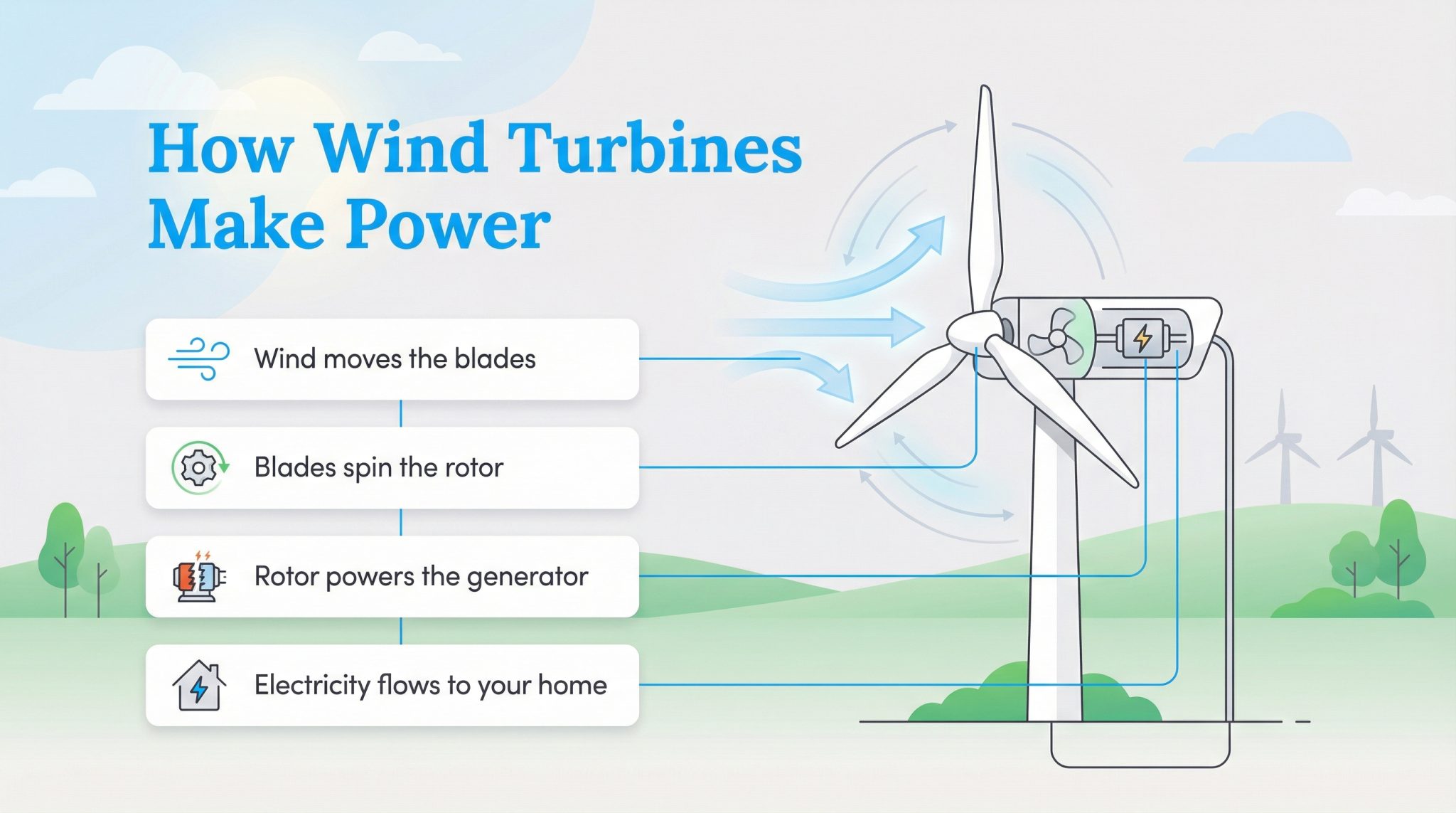
The fundamental mechanism of a residential wind turbine is based on aerodynamic lift. As wind passes over the turbine blades, the shape of the airfoil creates a pressure differential. This force causes the rotor—the assembly of blades and the central hub—to spin. The rotor is connected to a main shaft, which turns a series of gears inside the nacelle.
In most modern residential designs, this shaft enters a gearbox that increases the rotational speed significantly before entering the generator. Inside the generator, magnets spin past coils of copper wire, inducing an electrical current via Faraday’s Law of Induction. Because the raw output of the generator is typically "wild" alternating current (AC)—meaning its frequency and voltage fluctuate with wind speed—it must be processed before it can power household appliances.
Essential Components of a Residential Wind System
To transition from mechanical energy to stable home power, a wind turbine requires a specific set of integrated components:
- The Turbine (Rotor and Nacelle): The visible part of the system. The rotor captures wind, while the nacelle houses the gearbox and generator.
- The Tower: Provides the necessary elevation to access smoother, faster wind currents above ground-level turbulence.
- Charge Controller: Crucial for systems connected to battery banks, this device prevents overcharging and manages the flow of energy.
- Inverter: A power electronics device that converts the variable AC (or DC, depending on the turbine model) into the steady 120V/240V AC used by household appliances.
- Grid-Tie or Battery Interface: If the system is grid-tied, an interface connects the inverter to the household distribution panel, allowing the home to pull from the grid when wind is insufficient or feed excess energy back into the utility lines.
Technical Requirements for Residential Implementation
Installing wind energy for a home is not universally feasible; it requires specific site conditions to ensure performance and economic viability.
- Wind Resource Assessment: A site typically requires a consistent average wind speed of at least 9 to 10 miles per hour (mph) to justify the investment. Homeowners often use anemometers to record local wind data over several months to verify this before installation.
- Siting and Turbulence: Wind speed increases with height, but obstacles like trees, buildings, or hills create turbulence that can degrade turbine efficiency and increase mechanical wear. Turbines must be installed at least 30 feet above any obstruction within a 500-foot radius.
- Zoning and Permitting: Local ordinances often dictate height restrictions, setbacks from property lines, and noise levels. It is imperative to check with local municipal planning offices, as some residential areas have restrictive covenants against tower structures.
- Grid Interconnection Agreements: If the system is intended to be grid-connected, the local utility company must approve the interconnection. This ensures that the system meets safety protocols, such as "anti-islanding," which prevents the turbine from feeding electricity into the grid during a power outage, protecting utility workers.
Comparative Analysis: Residential Wind vs. Solar PV
Choosing between wind and solar energy requires an understanding of how each technology interacts with the home’s energy profile.
| Feature | Residential Wind | Solar Photovoltaics (PV) |
|---|---|---|
| Energy Profile | Often peaks at night or during stormy weather. | Strictly diurnal; peaks at midday. |
| Site Sensitivity | High; depends on wind shear and obstacles. | Moderate; depends on roof orientation and shading. |
| Mechanical Maintenance | High; requires greasing and periodic inspection. | Low; few moving parts. |
| Permitting Difficulty | Often high; involves zoning and height rules. | Usually low; standardized procedures exist. |
Operational Limitations and Troubleshooting
The primary challenge for residential wind is the intermittent nature of the wind resource. Unlike a continuous supply, wind is variable. In modern setups, energy management is handled through "net metering," where the utility acts as a virtual battery. When the turbine produces more power than the home consumes, the meter spins backward, creating credits. When production is low, the homeowner draws from the grid.
Common operational issues include:
- Inverter Synchronization: If the inverter fails to "sync" with the grid frequency, the system may trip and disconnect as a safety measure. This often requires a firmware reset or a check of grid voltage stability.
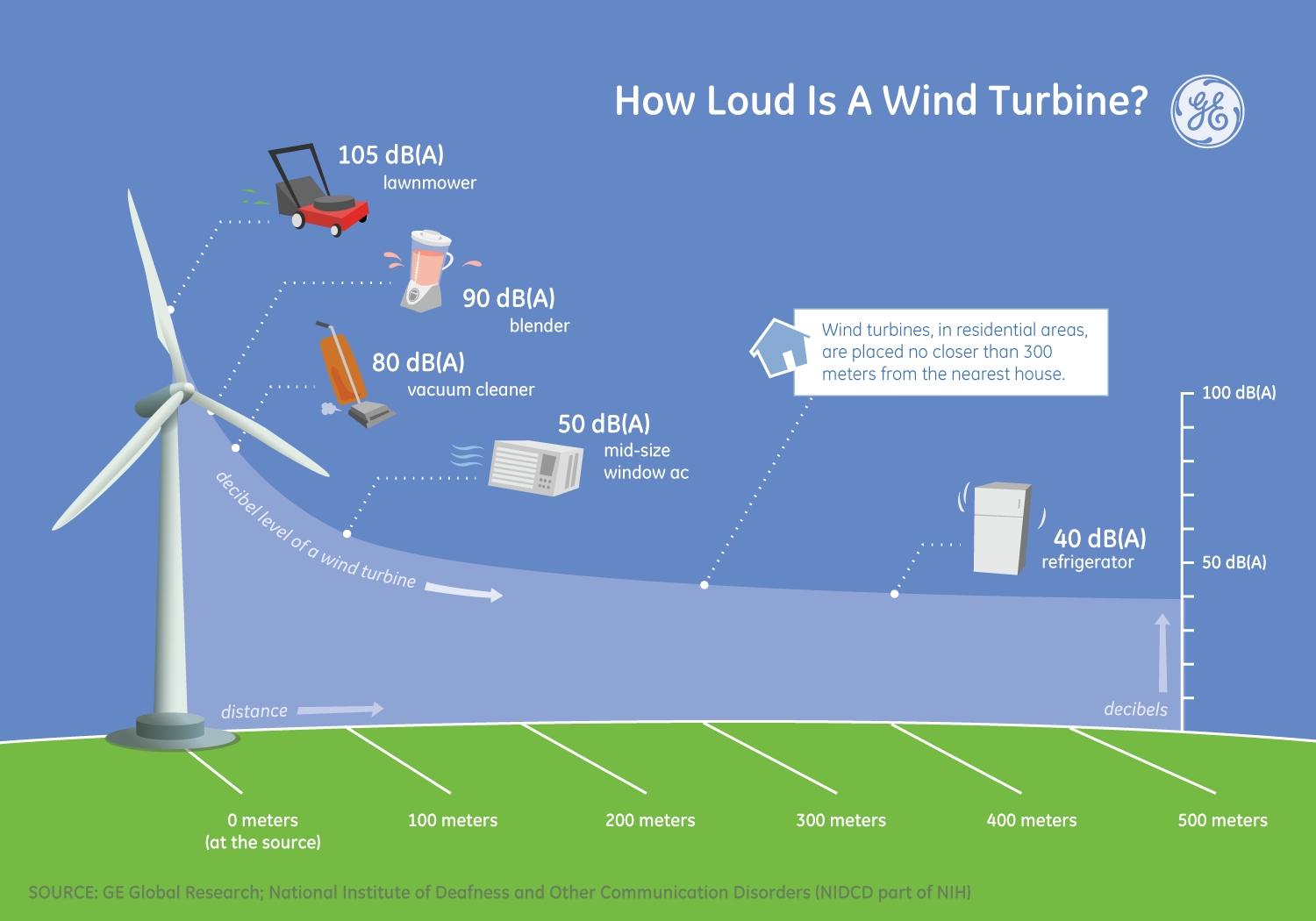
- Mechanical Noise: While modern turbines are quieter than older models, mechanical vibration can sometimes be transmitted through the tower into the foundation. The use of vibration-dampening mounts during installation is the standard remedy.
- Bearing Wear: Because wind turbines involve high-speed rotating parts, long-term exposure to the elements can lead to bearing degradation. Annual visual inspections and lubrication per the manufacturer’s schedule are essential to maintain system longevity.
Frequently Asked Questions
How much electricity can a residential wind turbine actually produce? It depends entirely on the rotor diameter and local wind speeds. A typical small residential turbine (5kW to 10kW) can produce between 5,000 and 15,000 kilowatt-hours (kWh) per year if sited in an area with good wind resources. This can cover a significant portion of a typical household’s annual consumption.
Can I run my whole house on a small wind turbine? Yes, if the turbine is sized correctly to your average daily consumption and supported by a battery backup system or a net-metering agreement. However, sizing for "peak" loads (like heating and cooling) usually requires a larger turbine capacity than the average baseline load.
What is the life expectancy of a home wind turbine? Most high-quality residential wind systems are engineered for a service life of 20 to 25 years. This assumes regular maintenance, such as tightening electrical connections, checking the tower for corrosion, and replacing mechanical components like blades or bearings as they reach the end of their operational fatigue life.
Is it legal to build a wind turbine on my property? Legality is determined by municipal zoning laws. Some regions encourage renewable energy, while others have strict "height limits" or "setback" requirements. Before purchasing equipment, consult your local building department to determine the maximum tower height allowed and any environmental impact study requirements.
Why does my inverter show a "Grid Fault"? A grid fault typically indicates that the voltage provided by the utility is outside the allowed tolerance of your inverter, or that the grid signal has been lost. It is a safety feature intended to prevent your turbine from energizing a downed utility line. If the error persists after power is restored to the grid, contact a certified technician to inspect the interconnection cables.
Next Steps for Homeowners
If you are considering a wind energy system for your home, the first step is to quantify your energy needs by reviewing your utility bills for the past 24 months to identify your annual kWh consumption. Following this, obtain a wind resource map from your national meteorological service or a state-level energy office to assess the feasibility of your specific site. Once you have established that your wind resource is viable, seek out a certified installer to perform a formal site assessment, which will include evaluating local zoning constraints and potential installation costs.
Image Gallery