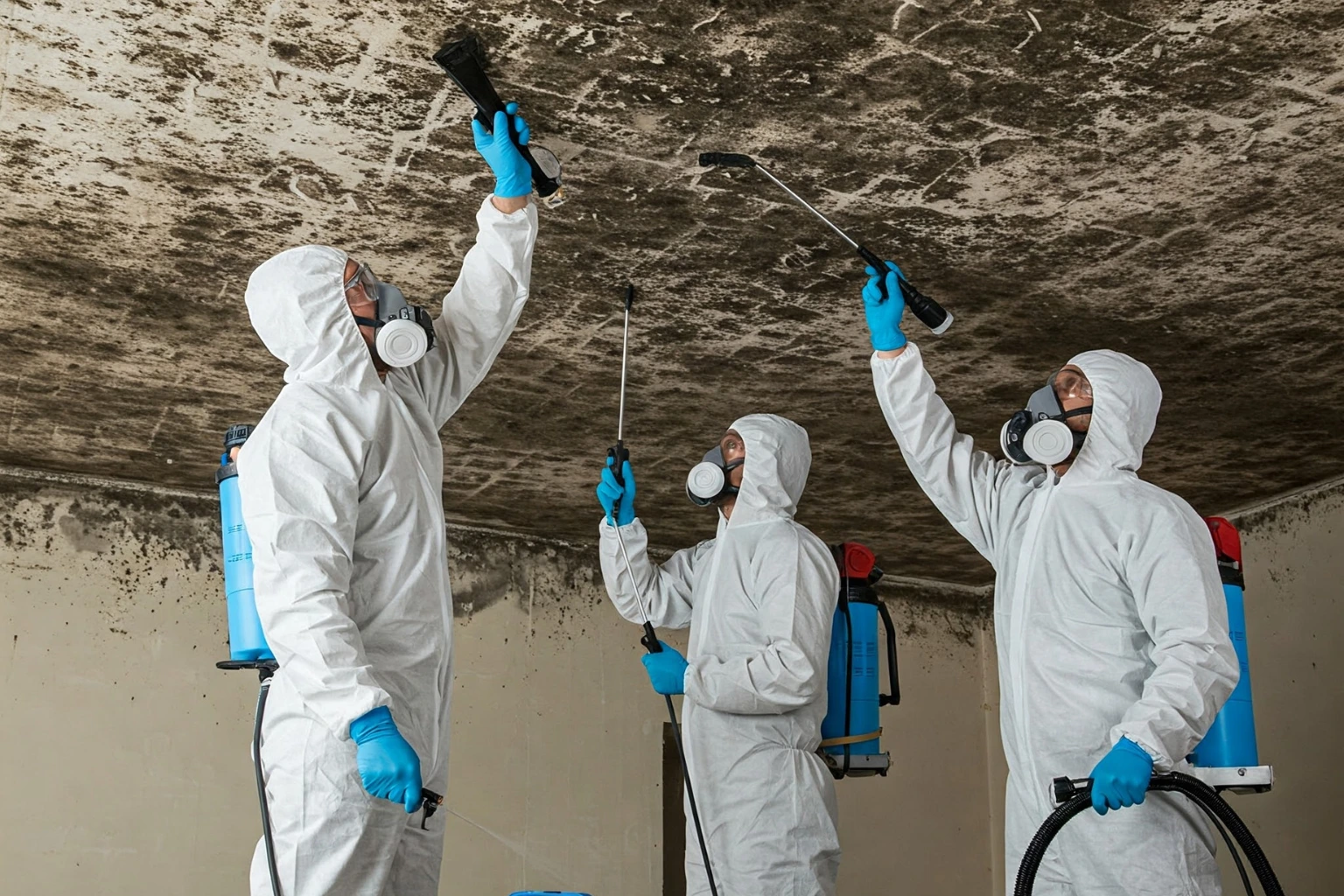
Comprehensive Guide to Professional Mold Remediation in Bridge Valley
Mold remediation in Bridge Valley involves a systematic process of identifying, containing, and removing fungal growth to restore indoor air quality and structural integrity. Effective treatment requires professional assessment, HEPA f...
Mold remediation in Bridge Valley involves a systematic process of identifying, containing, and removing fungal growth to restore indoor air quality and structural integrity. Effective treatment requires professional assessment, HEPA filtration, and moisture control. In 2026, homeowners and business owners must follow IICRC S520 standards to ensure permanent removal and prevent recurrence.
Contents
Understanding the Scope of Mold Issues in Bridge Valley
Bridge Valley properties, whether situated in the humid river valleys of West Virginia or the residential enclaves of Pennsylvania, face unique environmental challenges that contribute to mold growth. As of 2026, the intersection of aging infrastructure and increasingly volatile weather patterns has made proactive mold management a priority for property owners. Mold is not merely a cosmetic issue; it is a biological contaminant that feeds on organic materials like drywall, wood, and insulation.
The presence of mold often signals an underlying moisture problem. In Bridge Valley, this can stem from high seasonal humidity, hydrostatic pressure in basements, or undetected roofing leaks. Because mold spores are microscopic and ubiquitous in the outdoor environment, they enter indoor spaces through doors, windows, and HVAC systems. When these spores land on damp surfaces, they can begin to colonize within 24 to 48 hours.
Professional remediation distinguishes itself from simple cleaning by addressing the root cause. While a surface wipe-down might remove visible discoloration, it fails to address the hyphae (root structures) that penetrate porous materials. Failure to properly remediate mold can lead to significant structural degradation and long-term health concerns for occupants.
The Professional Remediation Process: A Step-by-Step Breakdown
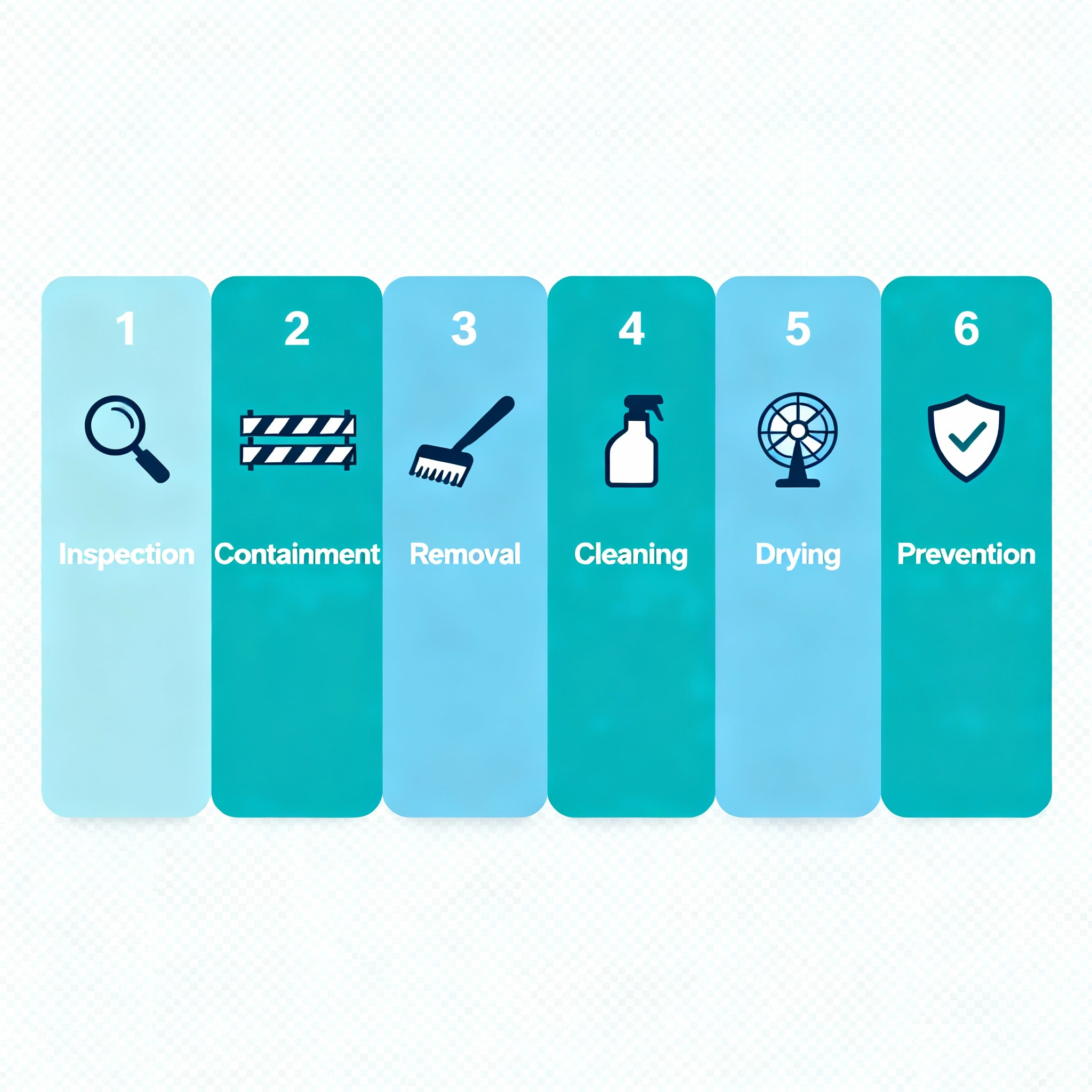
In 2026, the standard for professional mold remediation follows a strict protocol designed to protect both the technicians and the residents. This process is categorized into several critical phases that ensure the infestation is neutralized without contaminating unaffected areas of the building.
Initial Assessment and Moisture Mapping
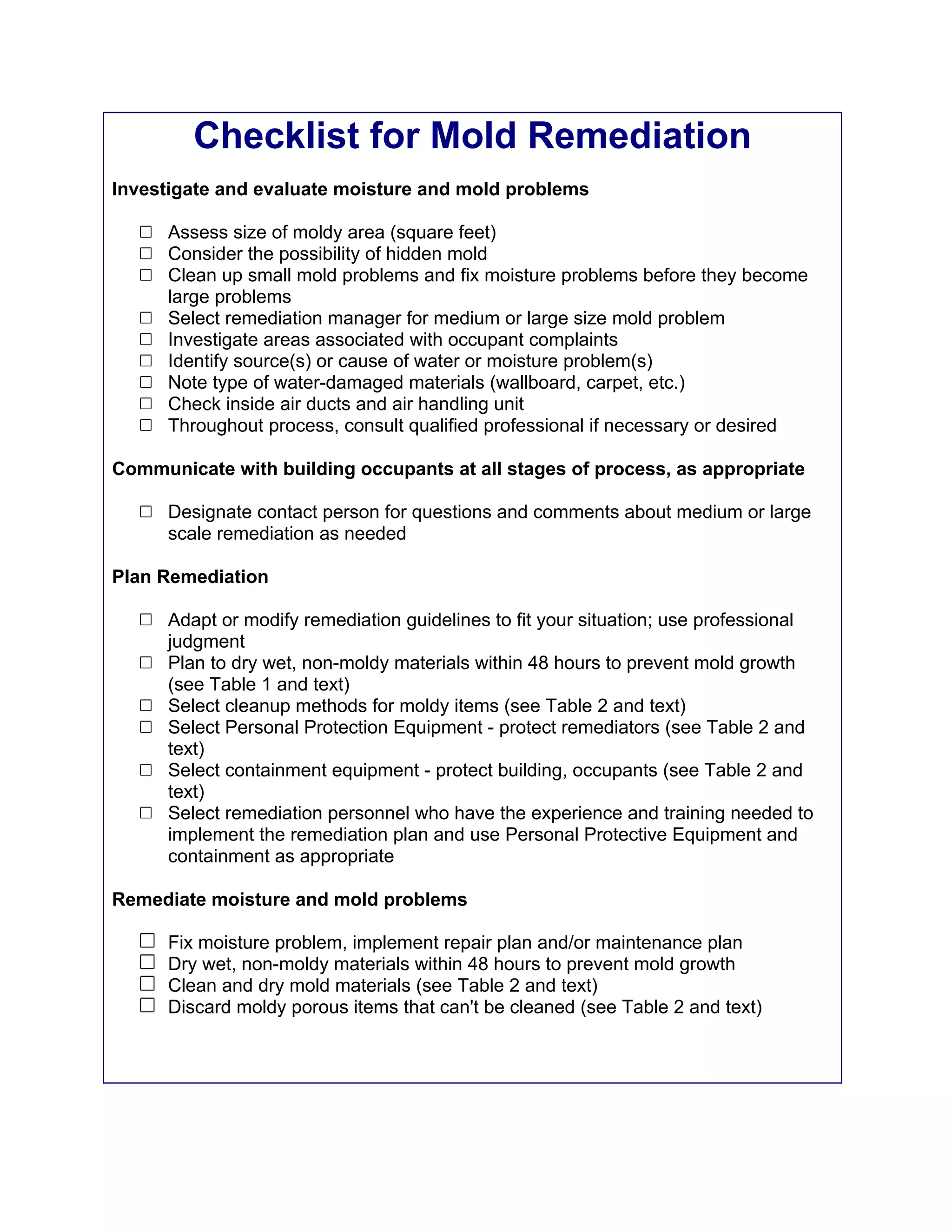
The first step is a comprehensive inspection. Professionals use infrared thermography and moisture meters to locate hidden pockets of dampness behind walls or under flooring. This "moisture mapping" is essential because mold cannot thrive without water. By identifying the source—be it a slow pipe leak or high condensation—remediators can ensure the problem does not return immediately after cleaning.
Containment and Negative Air Pressure
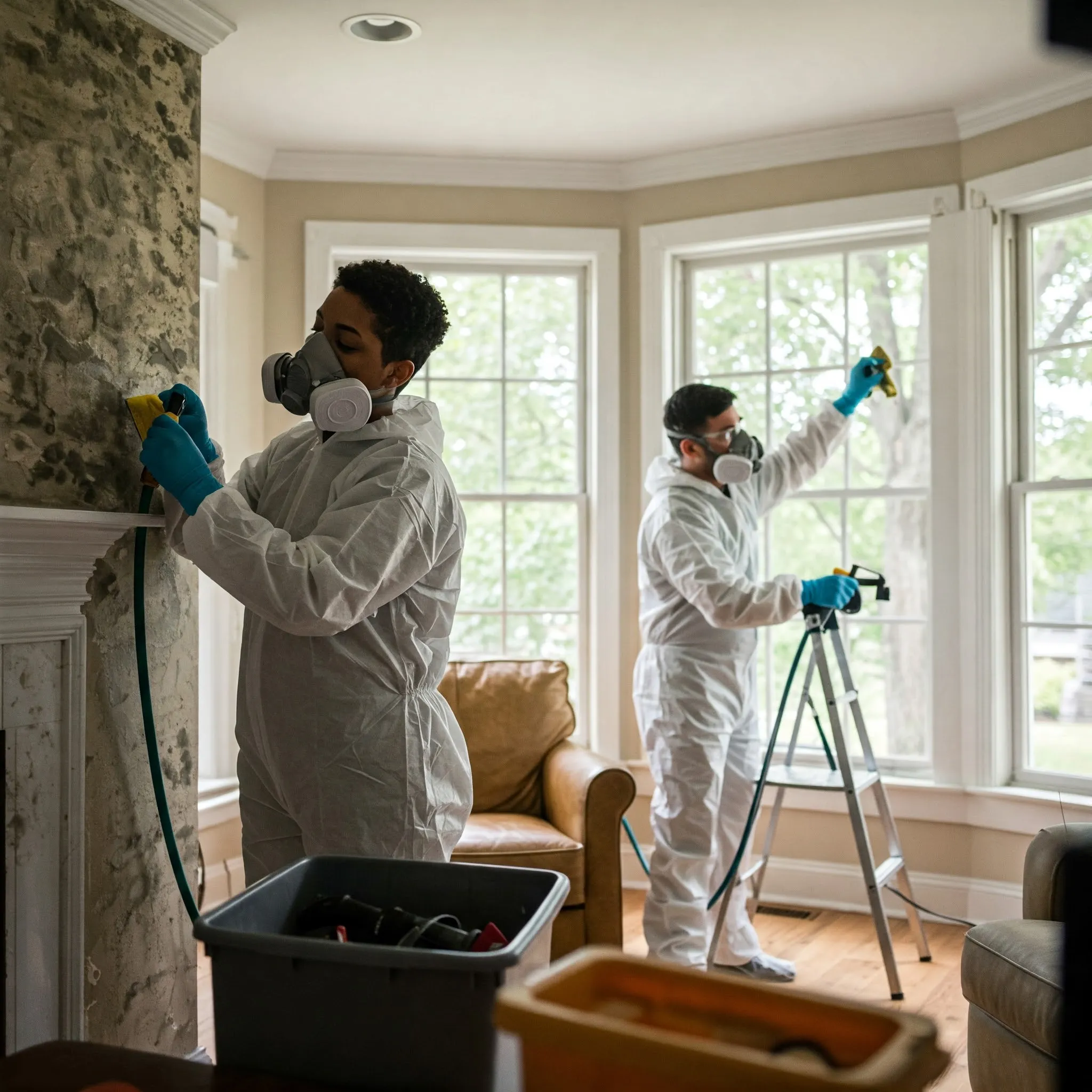
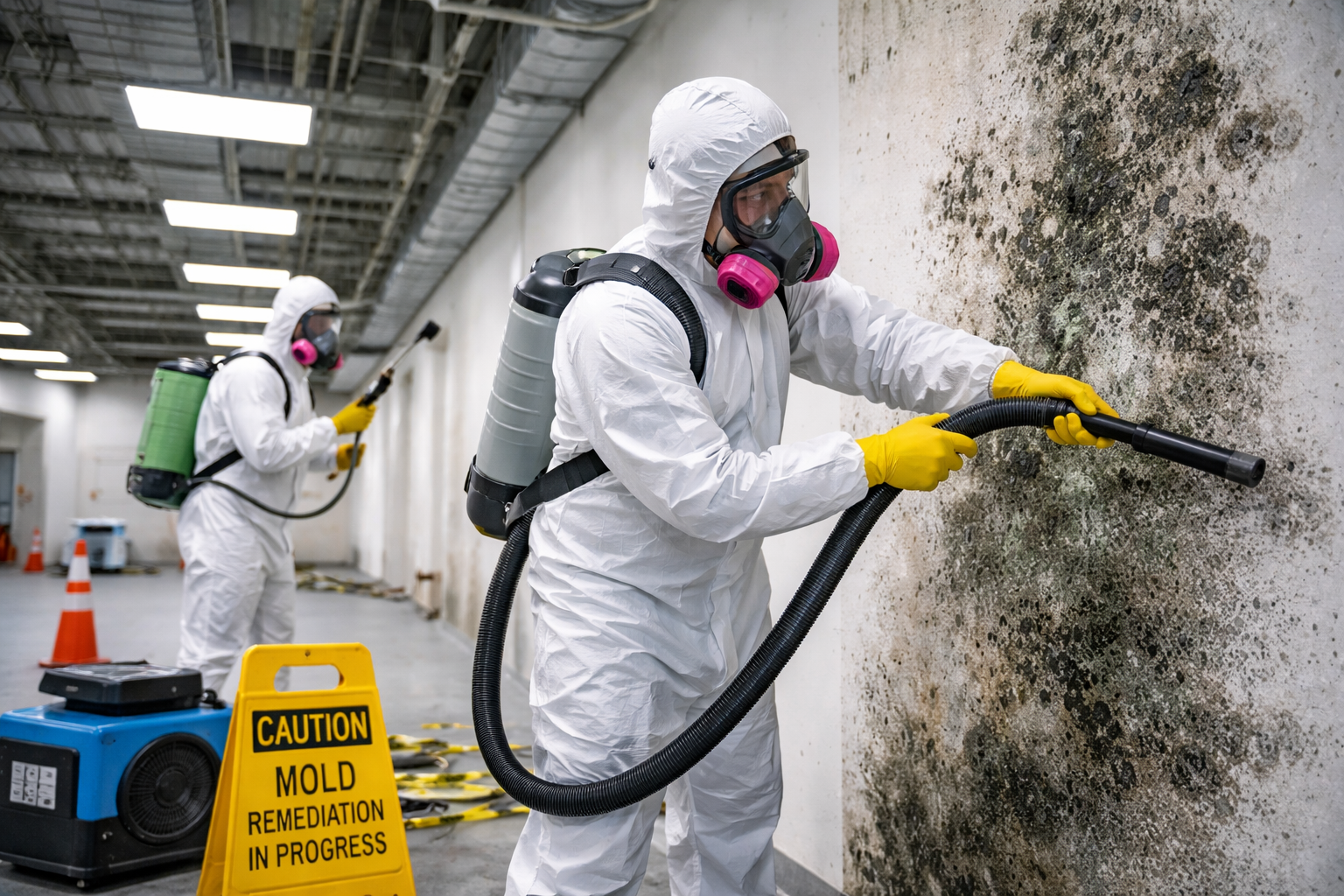
Before any physical removal begins, the affected area must be isolated. Technicians use 6-mil polyethylene sheeting to create physical barriers. To prevent the cross-contamination of spores during the agitation of materials, "negative air" machines equipped with HEPA (High-Efficiency Particulate Air) filters are deployed. These machines exhaust air outside the building, ensuring that any airborne spores are captured rather than circulated into other rooms.
HEPA Filtration and Air Scrubbing
Even after containment is established, the air within the work zone remains thick with spores and volatile organic compounds (VOCs). Air scrubbers run continuously throughout the project. These units are capable of capturing 99.97% of particles as small as 0.3 microns. This is a vital step for maintaining "clearance" levels—the metric used to determine if a space is safe for re-occupancy.
Removal of Affected Materials
Materials are categorized as porous, semi-porous, or non-porous.
- Porous materials: Drywall, insulation, and carpeting that have significant mold growth are generally discarded. These cannot be effectively cleaned because the mold roots deep into the fibers.
- Semi-porous materials: Items like solid wood framing can often be saved through abrasive cleaning methods such as HEPA vacuuming, wire brushing, or media blasting.
- Non-porous materials: Glass, metal, and plastic can typically be sanitized using EPA-registered antimicrobial solutions.
Technical Standards and 2026 Compliance
Remediation in Bridge Valley should align with the IICRC S520 Standard for Professional Mold Remediation. This document provides the procedural standard and reference guide for the industry. It emphasizes that "killing" mold with bleach is insufficient; the mold must be physically removed, as even dead spores can trigger allergic reactions in sensitive individuals.
In 2026, many insurance carriers require documentation that these standards were followed before they will settle a claim. This includes "Post-Remediation Verification" (PRV) testing. A third-party industrial hygienist typically performs this testing to provide an unbiased confirmation that the mold spore count inside the remediated area is lower than or equal to the outdoor air.
Cost Factors for Remediation in Bridge Valley
The cost of mold remediation is highly variable, depending on the square footage involved and the accessibility of the mold. In 2026, local rates in Bridge Valley reflect the specialized equipment and labor required for safe removal.
| Factor | Estimated Impact on Cost | Description |
|---|---|---|
| Area Size | High | Small closets may cost $500–$1,500; whole-house remediation can exceed $10,000. |
| Accessibility | Medium | Mold in crawlspaces or attics requires additional safety gear and labor time. |
| Material Disposal | Low | Hazardous waste disposal fees for contaminated drywall and insulation. |
| Equipment Rental | Medium | Daily rates for industrial dehumidifiers and HEPA air scrubbers. |
| Reconstruction | High | Replacing the drywall and flooring removed during the remediation process. |
Property owners should be wary of quotes that seem significantly lower than the market average. Often, low-cost "solutions" bypass the containment and air filtration phases, which can actually worsen the situation by spreading spores throughout the HVAC system.
Health Implications of Mold Exposure
Exposure to mold in Bridge Valley homes can lead to a variety of health issues, collectively sometimes referred to as Dampness and Mold Hypersensitivity Syndrome (DMHS). According to the Centers for Disease Control and Prevention (CDC), mold exposure can cause nasal stuffiness, throat irritation, coughing, and skin irritation.
For individuals with pre-existing conditions like asthma or chronic obstructive pulmonary disorder (COPD), the impact is more severe. Furthermore, certain molds, such as Stachybotrys chartarum (often called "black mold"), produce mycotoxins that have been linked to more significant neurological and respiratory symptoms. While the color of the mold is not a definitive indicator of its toxicity, all indoor mold growth should be treated with equal caution.
Prevention Strategies for Bridge Valley Property Owners
The most effective way to manage mold is to prevent the conditions that allow it to grow. In the climate of Bridge Valley, moisture control is a year-round responsibility.
- Humidity Control: Maintain indoor relative humidity below 50%. In 2026, smart dehumidification systems can be integrated into your HVAC to automatically adjust based on outdoor dew points.
- Sump Pump Maintenance: Many Bridge Valley homes rely on sump pumps to manage groundwater. Ensure yours has a battery backup to prevent basement flooding during the heavy storms common to the region.
- Proper Ventilation: Ensure that high-moisture areas, such as bathrooms, kitchens, and laundry rooms, are vented directly to the outside. Do not vent bathroom fans into the attic, as this often leads to localized mold growth on the underside of the roof deck.
- Foundation Grading: Ensure that the ground around your home slopes away from the foundation. Clogged gutters and downspouts that discharge too close to the house are leading causes of basement mold.
- Routine Inspections: At least twice a year, inspect "vulnerable" areas including the attic, crawlspace, and the area around the water heater for signs of staining or musty odors.
Common Mistakes in DIY Mold Removal
Many homeowners attempt to solve mold problems using household cleaners. However, these methods often fail for several reasons:
- The Bleach Myth: Bleach is mostly water. While it may remove the color of mold on the surface, the water in the bleach can actually soak into porous materials, providing the remaining mold roots with the moisture they need to grow back stronger.
- Lack of Protective Gear: Disturbing mold without a N-95 or P100 respirator can lead to significant inhalation of spores, causing acute respiratory distress.
- Failure to Contain: Cleaning mold with a standard vacuum cleaner or a fan running in the room will aerosolize the spores, contaminating every room in the house.
Frequently Asked Questions
Is all mold "black mold"?
No. Mold comes in many colors, including green, white, gray, and yellow. While "black mold" (Stachybotrys) is famous for its potential toxicity, other common molds like Aspergillus and Penicillium can also cause significant health issues and property damage. The color does not determine the risk; any indoor mold growth is a sign of a problem.
Does insurance cover mold remediation in Bridge Valley?
In 2026, most standard homeowners' insurance policies cover mold remediation only if it is the result of a "covered peril," such as a sudden pipe burst. Mold resulting from long-term neglect, lack of maintenance, or high humidity is typically excluded. It is important to review your specific policy's "mold endorsement" or "fungi" sub-limit.
How long does the remediation process take?
For a standard residential project in Bridge Valley, the process usually takes between 3 and 7 days. This includes the setup of containment, the actual cleaning and removal, and the mandatory "drying time" to ensure the area reaches acceptable moisture levels before reconstruction begins.
Can I stay in my home during mold remediation?
Whether you can stay depends on the location and severity of the mold. If the mold is confined to a crawlspace or a sealed-off basement, staying is usually fine. However, if the mold is in the main living areas or the HVAC system, professionals often recommend vacating the premises until the post-remediation verification is complete.
What is the difference between mold "removal" and "remediation"?
"Removal" is the physical act of taking moldy material out of the house. "Remediation" is the more comprehensive process that includes identifying the moisture source, containing the area, cleaning the air, and ensuring the environment is no longer conducive to mold growth.
Next Steps for Property Owners
If you suspect mold in your Bridge Valley property, the first action should be to address any active water leaks. Once the water is stopped, contact a certified mold professional to perform an assessment. Avoid using the HVAC system if you suspect mold is present in the vents, as this can spread the contamination. For further guidance on indoor air quality, the Environmental Protection Agency (EPA) offers comprehensive resources for homeowners.
Image Gallery