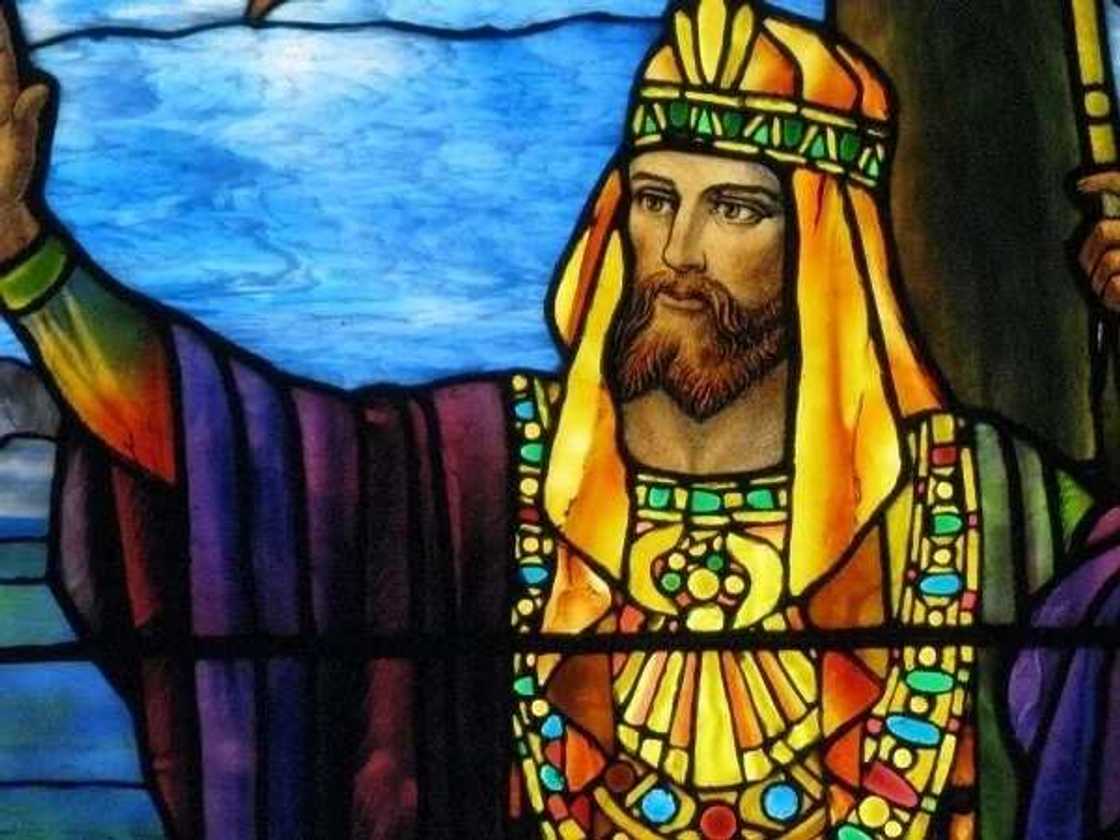
How Much Money Did King Solomon Have? Modern Estimates and Historical Evidence
King Solomon is historically and biblically cited as one of the wealthiest individuals to ever live. Based on the biblical account of receiving 666 talents of gold annually, combined with regional tributes, trade, and inherited assets,...
King Solomon is historically and biblically cited as one of the wealthiest individuals to ever live. Based on the biblical account of receiving 666 talents of gold annually, combined with regional tributes, trade, and inherited assets, his modern-day net worth is estimated to exceed $2 trillion. This figure accounts for his 40-year reign and vast gold reserves.
Contents
The Biblical Record of Solomon’s Wealth
To understand the scale of King Solomon’s riches, we must first look at the primary historical source: the Hebrew Bible. The books of 1 Kings and 2 Chronicles provide specific, albeit staggering, figures regarding his annual income and accumulated assets.
According to 1 Kings 10:14, "The weight of the gold that Solomon received yearly was 666 talents." This figure is significant not just for its numeric value but because it represents only the "base" annual income from specific tributes and taxes. It does not include the additional revenue generated by merchants, traders, and the various governors of the land.
In the context of the 10th century BCE, gold was the ultimate standard of power. While other monarchs possessed significant treasuries, the biblical narrative suggests that Solomon’s wealth was so vast that silver was considered "as common as stones" in Jerusalem (1 Kings 10:27). This hyperbole indicates a level of hyper-inflation or extreme saturation of precious metals that few economies in history have ever replicated.
Calculating the Modern Value of 666 Talents
To determine a dollar amount for Solomon's wealth in 2026, we must convert ancient measurements into modern units and then apply current market rates for gold.
Defining the "Talent"
A "talent" was a unit of weight used by the ancient Hebrews, Babylonians, and Greeks. While the exact weight varied slightly by region and era, a standard Hebrew talent is generally calculated to be approximately 75 pounds (34.3 kilograms).
The Annual Calculation
If Solomon received 666 talents of gold per year:
- 666 talents × 75 pounds = 49,950 pounds of gold.
- 49,950 pounds ≈ 22,657 kilograms (22.6 metric tons).
As of early 2026, with gold prices fluctuating around $80,000 per kilogram, the annual gold income alone would be valued at roughly $1.81 billion per year.
The Cumulative Net Worth
Solomon reigned for 40 years. If he maintained this level of income throughout his reign, the gold accumulated from this single source would total approximately $72.4 billion. However, this is a conservative floor. Most historians and financial analysts who attempt this calculation argue that his "net worth" includes existing reserves inherited from King David, international trade profits, and the value of his architectural holdings, pushing the estimated figure into the trillions.
Diversified Revenue Streams: Beyond the 666 Talents
Solomon was not merely a recipient of tribute; he was a sophisticated architect of international trade. His wealth was built on a diversified economic portfolio that included logistics, maritime trade, and diplomacy.
1. The Fleet of Tarshish and Ophir
Solomon established a partnership with King Hiram of Tyre, a Phoenician leader with expert maritime skills. Together, they built a fleet of ships (the "ships of Tarshish") that sailed to Ophir. Every three years, these ships returned carrying gold, silver, ivory, apes, and peacocks. A single expedition to Ophir was reported to have brought back 420 talents of gold (1 Kings 9:28).
2. The Queen of Sheba’s Tribute
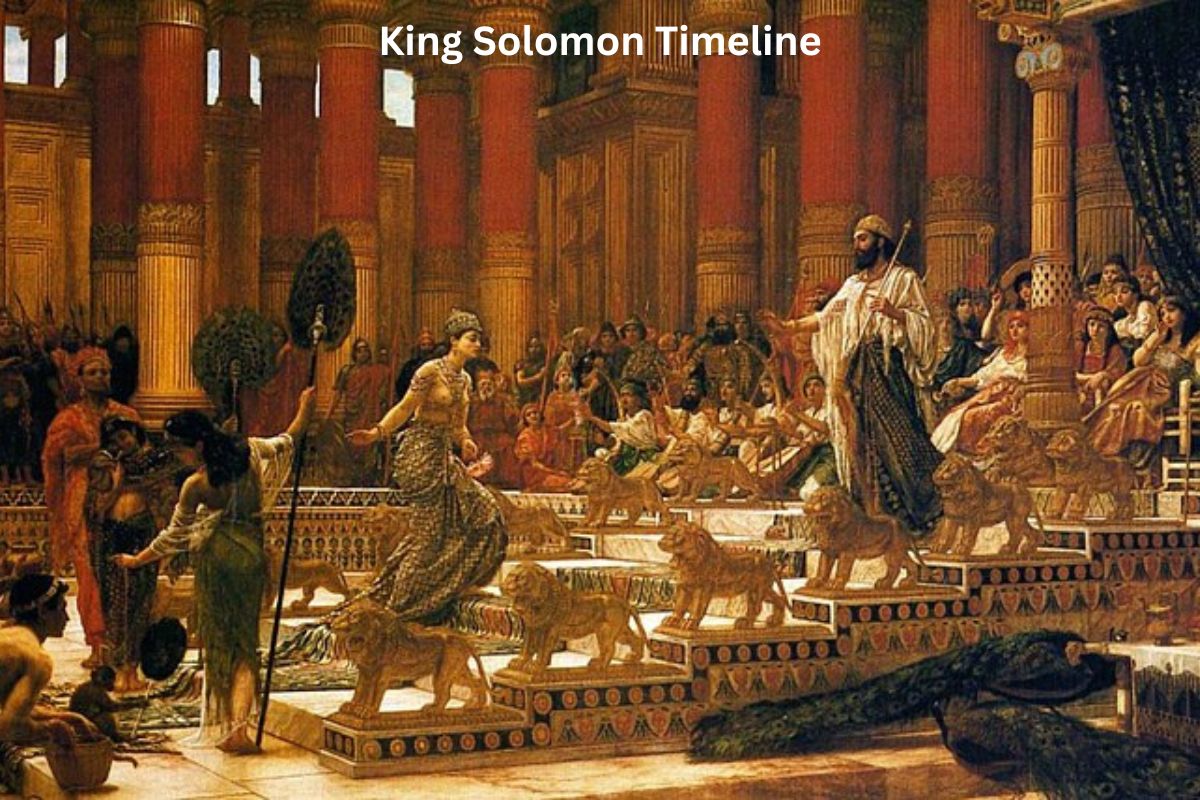
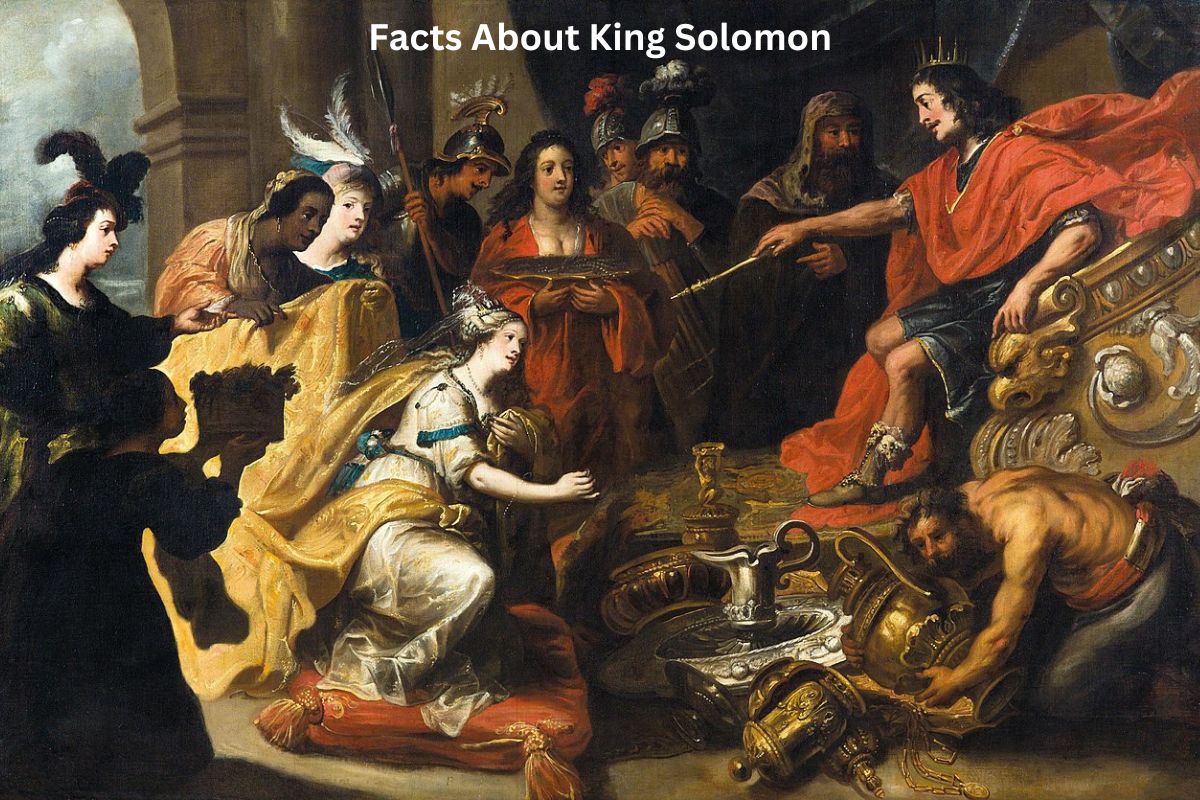
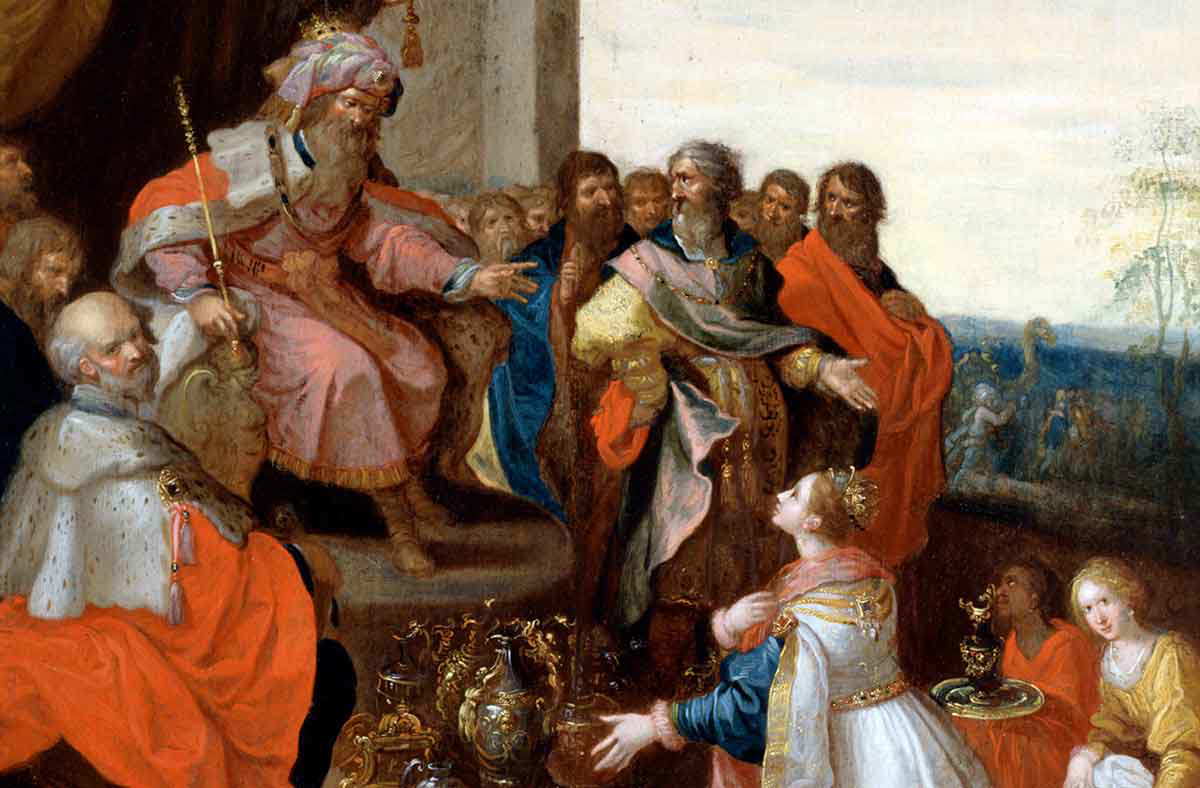
The visit from the Queen of Sheba serves as a testament to Solomon’s international standing. Upon witnessing his wisdom and the splendor of his court, she gifted him 120 talents of gold (roughly $326 million in 2026 value), along with a "very great quantity" of spices and precious stones.
3. Taxation and Customs
Solomon’s kingdom sat at the crossroads of major trade routes connecting Egypt to Mesopotamia and Phoenicia to the Arabian Peninsula. He capitalized on this geography by implementing:
- Tolls: Charging merchants for safe passage through his territory.
- Royal Monopolies: Controlling the trade of high-value items like horses and chariots.
- District Tributes: Dividing Israel into 12 districts, each responsible for providing for the royal court for one month of the year, effectively a 8.3% localized tax on agricultural output.
Physical Assets and Infrastructure
Wealth in the ancient world was often stored in physical structures and military hardware rather than liquid currency. Solomon’s "net worth" in 2026 terms would largely be tied up in real estate and precious commodities.
| Asset Type | Description | Estimated Modern Significance |
|---|---|---|
| The First Temple | Overlaid with pure gold; took 7 years to build. | Incalculable cultural and material value. |
| The Royal Palace | Built over 13 years; used the finest Cedar of Lebanon. | Massive real estate and labor investment. |
| The Ivory Throne | Overlaid with fine gold with six steps and 12 lions. | A unique, high-value luxury artifact. |
| Military Hardware | 1,400 chariots and 12,000 horses. | Equivalent to a modern elite armored division. |
| The Golden Shields | 200 large shields (600 shekels of gold each) and 300 smaller shields. | Hundreds of millions in bullion value alone. |
Comparative Analysis: Solomon vs. Modern Billionaires
When we ask "how much money did King Solomon have," we often want to compare him to modern titans like Elon Musk, Jeff Bezos, or historical figures like Mansa Musa.
In 2026, the wealthiest individuals on the Forbes list typically hover between $250 billion and $400 billion. If we strictly look at Solomon's gold income of 666 talents annually, he might seem comparable to a modern tech mogul. However, if we view Solomon as the sovereign owner of his nation's entire GDP and infrastructure, his wealth transcends the "billionaire" category.
Unlike a modern CEO, Solomon did not have "investors" or a "board of directors." He owned the land, the resources, and the military. In this light, his wealth is more comparable to Mansa Musa of Mali, who famously destabilized the Egyptian economy by giving away too much gold. Most economic historians agree that if you adjust for the global supply of gold at the time, Solomon controlled a much larger percentage of the world's total wealth than any individual alive today.
Archaeological and Historical Context
From a technical SEO and historical perspective, it is important to address the "Evidence Gate." While the biblical record is precise, archaeological evidence for the full scale of Solomon's wealth remains a subject of intense debate among scholars.
The Minimalist vs. Maximalist View
- Maximalists argue that the biblical accounts are historically accurate and that the lack of massive archaeological remains in Jerusalem is due to the city being built over and destroyed multiple times (by Babylonians, Romans, etc.).
- Minimalists suggest that Solomon may have been a local chieftain and that the descriptions of his wealth were "back-projected" by later writers to create a Golden Age for national identity.
However, recent findings in the Timna Valley (copper mines often associated with Solomon’s era) suggest a highly organized, wealthy industrial operation in the 10th century BCE. Copper was the "oil" of the ancient world, and controlling its production would have been a primary source of the wealth described in the scriptures.
Frequently Asked Questions
How much gold did Solomon get every year?
Solomon received 666 talents of gold annually as a baseline tribute. In modern measurements, this is roughly 22.6 metric tons. At a gold price of $80,000 per kilogram in 2026, this annual "salary" would be worth approximately $1.81 billion.
Was King Solomon the richest person ever?
Many historians consider King Solomon to be among the top three wealthiest people in history, alongside Mansa Musa of Mali and Augustus Caesar. While Mansa Musa is often cited as the wealthiest due to the sheer volume of gold he controlled, Solomon's wealth is notable for its diversity, including silver, precious stones, and vast trade networks.
Where did King Solomon’s wealth go?
The Bible records that following Solomon’s death, his son Rehoboam faced a rebellion, and the kingdom split into two. Shortly after, Pharaoh Shishak of Egypt invaded Jerusalem and plundered the Temple and the royal palace, carrying away many of the gold shields and treasures Solomon had accumulated (1 Kings 14:25-26).
What is the 666 talents of gold worth in 2026?
The 666 talents alone, as a one-year payment, would be worth roughly $1.81 billion. However, if you consider this as an annual revenue stream over 40 years, plus the value of the gold used in the Temple and palace, the total "gold value" of his reign exceeds $70 billion in bullion alone, with his total "sovereign wealth" estimated in the trillions.
Did King Solomon have money other than gold?
Yes. Solomon controlled the trade of silver, bronze, ivory, and fine wood. He also owned thousands of horses and chariots, which were high-value military assets. The Bible notes that silver became so common during his reign that it was not even counted among his most valuable assets.
Final Perspective: Solomon's Economic Legacy
Determining exactly "how much money" King Solomon had requires us to bridge the gap between ancient scripture and modern finance. While the $2 trillion estimate is a helpful modern benchmark, the true measure of his wealth was his economic influence. He successfully transitioned a tribal kingdom into a global commercial hub.
If you are researching Solomon's wealth for historical or financial study, the most important takeaway is the diversification of his assets. He did not rely solely on inheritance; he utilized geography, diplomatic alliances, and industrial production (like the copper mines) to ensure his kingdom’s treasury remained full. In 2026, he remains the ultimate archetype of the "wealthy ruler," representing a level of personal and national prosperity that has rarely been matched in the three millennia since his reign.
Image Gallery