The Career and Legacy of Thomas Griffin Dunne: The American Filmmaker and Actor
Thomas Griffin Dunne, known professionally as Griffin Dunne, is a quintessential figure in American independent cinema and mainstream television. As of 2026, he remains a celebrated filmmaker, actor, and producer whose career spans ove...
Thomas Griffin Dunne, known professionally as Griffin Dunne, is a quintessential figure in American independent cinema and mainstream television. As of 2026, he remains a celebrated filmmaker, actor, and producer whose career spans over four decades, characterized by his transition from a cult-favorite leading man in the 1980s to a prolific director and an Emmy-nominated character actor.
Contents
The Formative Influence of a Literary and Cinematic Dynasty
To understand the trajectory of Thomas Griffin Dunne, one must first look at the environment that shaped him. Born on June 8, 1955, in New York City and raised in Los Angeles, Dunne was immersed in the intersection of high society, literature, and film from birth. He is the son of Dominick Dunne, the renowned investigative journalist and novelist, and Ellen "Lenny" Griffin. His family tree is further distinguished by his aunt and uncle, the legendary literary duo Joan Didion and John Gregory Dunne.
This background provided him with a unique vantage point on the mechanics of fame and the darker undercurrents of the American dream. However, his path was also marked by profound personal tragedy, most notably the 1982 murder of his younger sister, actress Dominique Dunne. This event profoundly influenced the Dunne family's public output, steering his father toward true-crime reporting and instilling in Griffin a depth of emotional range that would later define his most complex performances.
Dunne's education at the Neighborhood Playhouse School of the Theatre in New York City under Sanford Meisner grounded him in a technique focused on emotional honesty and spontaneity. This training was instrumental in his ability to navigate the tonal shifts required for the "black comedies" that would define his early career.
Breakthrough as a Leading Man: Cult Classics and Cultural Impact
The 1980s served as the definitive decade for Griffin Dunne’s emergence as a cinematic icon. Two films, in particular, established his reputation as the "anxious everyman" of the era.
An American Werewolf in London (1981)
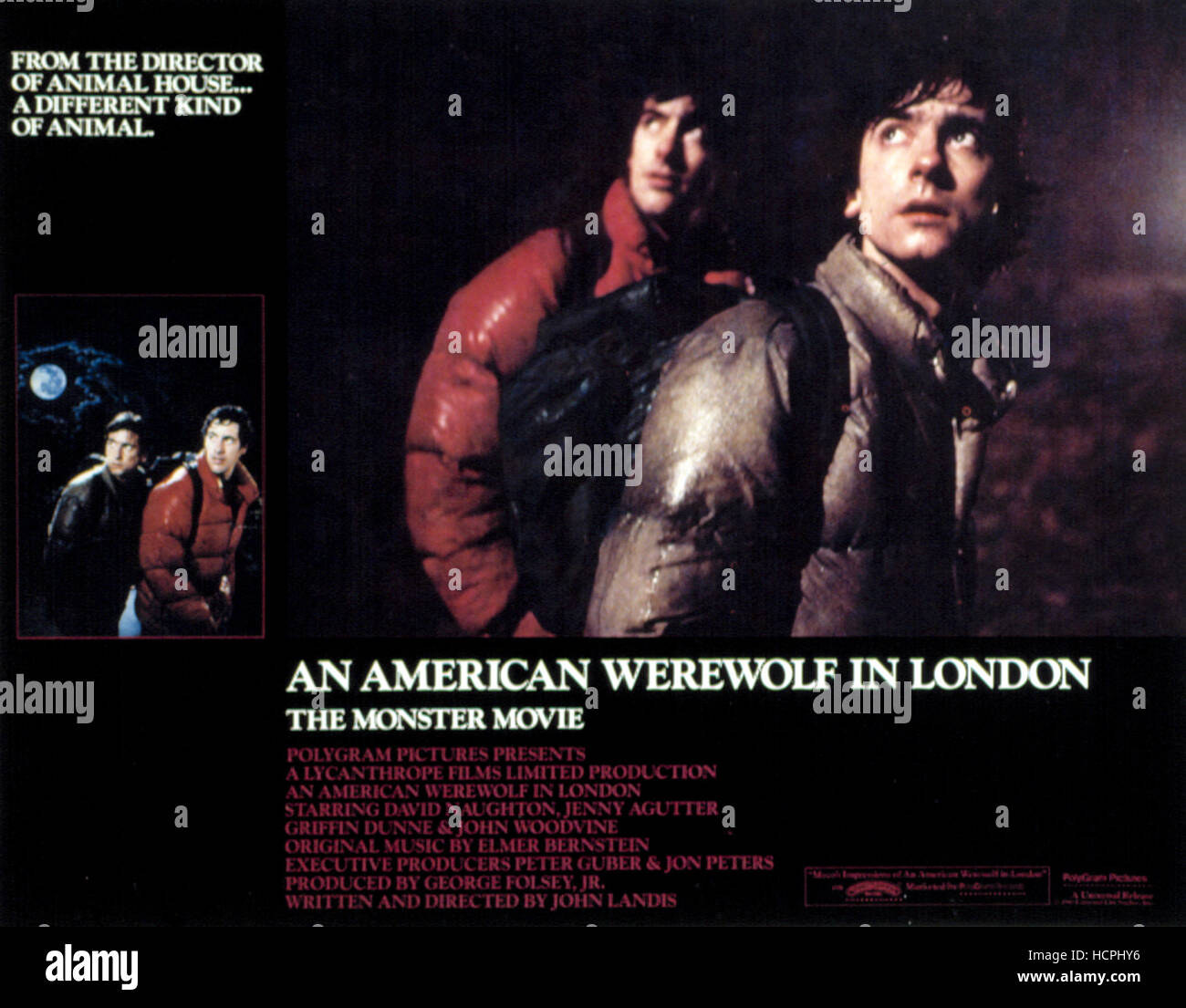
In John Landis’s groundbreaking horror-comedy, Dunne played Jack Goodman, a backpacker who is killed by a werewolf only to return as an increasingly decaying undead spirit. The role required Dunne to perform through layers of Rick Baker’s Academy Award-winning prosthetic makeup, yet he managed to maintain a witty, morbidly charming presence. This performance showcased his ability to blend horror with comedic timing, a hallmark of his early work.
After Hours (1985)
Perhaps his most significant contribution to the American film canon is his role as Paul Hackett in Martin Scorsese’s After Hours. As both the lead actor and a producer (through his company, Double Play Productions), Dunne was instrumental in the film’s creation. The story follows a word processor’s increasingly nightmarish and surreal night in Manhattan’s Soho district.
Dunne’s performance as the quintessential yuppie trapped in a Kafkaesque loop earned him a Golden Globe nomination. The film is now regarded as a masterpiece of the "yuppie nightmare" subgenre, and it solidified Dunne’s status as a champion of independent-minded projects within the studio system.
The Evolution of the Filmmaker: Directing and Producing
While many know him for his face on screen, Thomas Griffin Dunne’s contributions as a director and producer are equally substantial. He co-founded Double Play Productions with Amy Robinson, a partnership that aimed to bring literary and character-driven stories to the screen.
Directorial Debut and Commercial Success
Dunne’s transition to directing began with the short film Duke of Groove (1995), which was nominated for an Academy Award for Best Live Action Short Film. This success led him to his feature directorial debut, Addicted to Love (1997), starring Meg Ryan and Matthew Broderick.
However, his most enduring directorial effort is the 1998 film Practical Magic, starring Sandra Bullock and Nicole Kidman. While it received mixed reviews upon its initial release, the film has undergone a massive critical reappraisal over the last two decades. By 2026, it is recognized as a cult classic for its "witchy" aesthetic, themes of female empowerment, and atmospheric world-building. Dunne’s direction was praised for balancing supernatural elements with grounded, domestic drama.
Documentary and Archival Storytelling
In 2017, Dunne directed the deeply personal documentary Joan Didion: The Center Will Not Hold. Released on Netflix, the film provided an intimate look at his aunt’s life and work, utilizing archival footage and private conversations. The documentary was lauded for its sensitivity and its ability to demystify one of America’s most guarded literary figures. This project highlighted Dunne’s skill in the documentary format, proving he could handle complex biographical material with the same finesse as scripted fiction.
Recent Career Resurgence and Literary Contributions
In the 2020s, Griffin Dunne experienced what many critics have called a "career third act." He moved seamlessly between high-profile television roles and prestige cinema.
- This Is Us: His role as Nicky Pearson earned him critical acclaim and an Emmy nomination. He brought a weathered, soulful vulnerability to the character of a Vietnam veteran struggling with trauma and isolation.
- The French Dispatch (2021): His collaboration with Wes Anderson showcased his ability to fit into highly stylized, ensemble-driven environments.
- Succession: His recurring guest appearances further cemented his reputation as a "prestige TV" staple.
In 2024, Dunne published his memoir, The Friday Afternoon Club: A Family Memoir. The book became a significant cultural touchstone, providing a candid look at the glamorous and often tragic world of his upbringing. By 2026, the memoir remains a bestseller and is frequently cited for its insightful observations on Hollywood history, the grief of losing his sister, and the complexities of the Dunne-Didion family dynamic.
Summary of Key Works and Roles
The following table outlines the dual nature of Thomas Griffin Dunne’s career, highlighting his most influential projects across acting and directing.
| Year | Title | Primary Role | Category/Genre |
|---|---|---|---|
| 1981 | An American Werewolf in London | Actor (Jack Goodman) | Horror / Comedy |
| 1985 | After Hours | Actor / Producer | Black Comedy / Indie |
| 1995 | Duke of Groove | Director | Short Film (Oscar Nominated) |
| 1997 | Addicted to Love | Director | Romantic Comedy |
| 1998 | Practical Magic | Director | Fantasy / Drama |
| 2013 | Dallas Buyers Club | Actor (Dr. Vass) | Biographical Drama |
| 2017 | The Center Will Not Hold | Director | Documentary |
| 2018–2022 | This Is Us | Actor (Nicky Pearson) | TV Drama |
| 2024 | The Friday Afternoon Club | Author | Non-Fiction Memoir |
Technical Depth: Producing for the Independent Sector
One of the less discussed but vital aspects of Dunne’s career is his work as a producer during the rise of the American Independent movement. Through Double Play Productions, Dunne and Amy Robinson were responsible for bringing films to life that major studios might have deemed too risky or niche.
Their production philosophy favored "urban neurosis" and character-centric narratives. This required a deep understanding of financing, navigating the Sundance-era independent landscape, and maintaining creative control while working with distributors like Warner Bros. and Orion Pictures. Dunne’s dual perspective as an actor and producer allowed him to create environments where performance-heavy scripts could thrive, a legacy that continues to influence modern indie producers in 2026.
Frequently Asked Questions
Is Griffin Dunne related to Joan Didion?
Yes, Griffin Dunne is the nephew of Joan Didion. Didion was married to Griffin's uncle, John Gregory Dunne. The two families were very close, and Griffin directed a definitive documentary about her life titled Joan Didion: The Center Will Not Hold (2017).
What is Griffin Dunne’s most famous directing work?
While he has directed several features, Practical Magic (1998) is widely considered his most famous and enduring work as a director. It has a massive following and is celebrated annually, particularly during the autumn season, for its unique blend of magical realism and family drama.
Did Griffin Dunne win an Oscar?
Griffin Dunne was nominated for an Academy Award for Best Live Action Short Film for Duke of Groove (1995). While he has not won a competitive Oscar as of 2026, his work has been recognized with Emmy and Golden Globe nominations throughout his career.
What happened to Griffin Dunne’s sister?
Griffin’s sister, Dominique Dunne, was a rising star known for her role in the film Poltergeist. Tragically, she was murdered by her former boyfriend in 1982. This event had a profound impact on Griffin and his father, Dominick Dunne, who became a prominent advocate for victims' rights.
What is Griffin Dunne's memoir about?
His 2024 memoir, The Friday Afternoon Club, covers his life growing up in a famous family, his experiences in the New York and Hollywood film scenes of the 70s and 80s, and the personal tragedies and triumphs that shaped his career as a filmmaker.
Recommendation for Viewers and Scholars
For those looking to understand the full scope of Thomas Griffin Dunne’s impact on American cinema, a chronological viewing of his work is highly recommended. Start with After Hours to appreciate his peak as an actor and producer in the independent scene. Follow this with Practical Magic to observe his directorial style and ability to craft enduring cult aesthetics. Finally, watch The Center Will Not Hold and read The Friday Afternoon Club to gain context on the personal and familial influences that have informed his artistic voice for over half a century. As of 2026, Dunne remains a vital link between the classic Hollywood era and the modern streaming age.
Image Gallery