How Many State Prisons Are in California: 2026 Overview
As of 2026, the California Department of Corrections and Rehabilitation (CDCR) operates 33 state-owned prisons, alongside various fire conservation camps and community correctional facilities. These institutions are distributed across...
As of 2026, the California Department of Corrections and Rehabilitation (CDCR) operates 33 state-owned prisons, alongside various fire conservation camps and community correctional facilities. These institutions are distributed across the state to house individuals sentenced for felony offenses under the jurisdiction of the California penal system.
Contents
Understanding the Structure of the California Prison System
The California correctional system is one of the largest in the United States. While the primary number of core state prisons stands at 33, this figure represents the major institutions that serve as the backbone of the state's penal infrastructure. These facilities are categorized by the level of security they provide, ranging from Level I (minimum security) to Level IV (maximum security), as well as specialized facilities for medical and mental health treatment.
The administration of these facilities is governed by the California Penal Code and managed by the CDCR. It is important to note that this count excludes local county jails, which are operated by individual Sheriff's Departments and generally house individuals awaiting trial or serving shorter sentences for misdemeanor offenses.
Geographical Distribution and Facility Types
California’s prisons are geographically dispersed to balance administrative needs, staffing requirements, and proximity to major population centers. The state utilizes a mix of older legacy facilities and modern, specialized centers designed for rehabilitation and medical care.
| Facility Type | Characteristics | Primary Focus |
|---|---|---|
| Core State Prisons | High-capacity, multi-level security | General population, long-term sentencing |
| Correctional Conservation Camps | Minimum security, rural locations | Wildfire suppression, forestry labor |
| Medical/Mental Health Facilities | Specialized clinical infrastructure | Chronic care, intensive psychiatric treatment |
| Re-entry Facilities | Community-based, low security | Transitioning back to public life |
The state continuously reviews the utility of these facilities. In recent years, as part of the state’s long-term plan for 2026 and beyond, the focus has shifted toward decommissioning older, more costly, or structurally compromised institutions to consolidate resources into more efficient, modern, and rehabilitative-focused environments.
Operational Benchmarks and Capacity Management
Managing the population within these 33 institutions involves strict adherence to legal standards and population caps established by the courts. The CDCR monitors "Design Capacity" versus "Operational Capacity."
Capacity Definitions
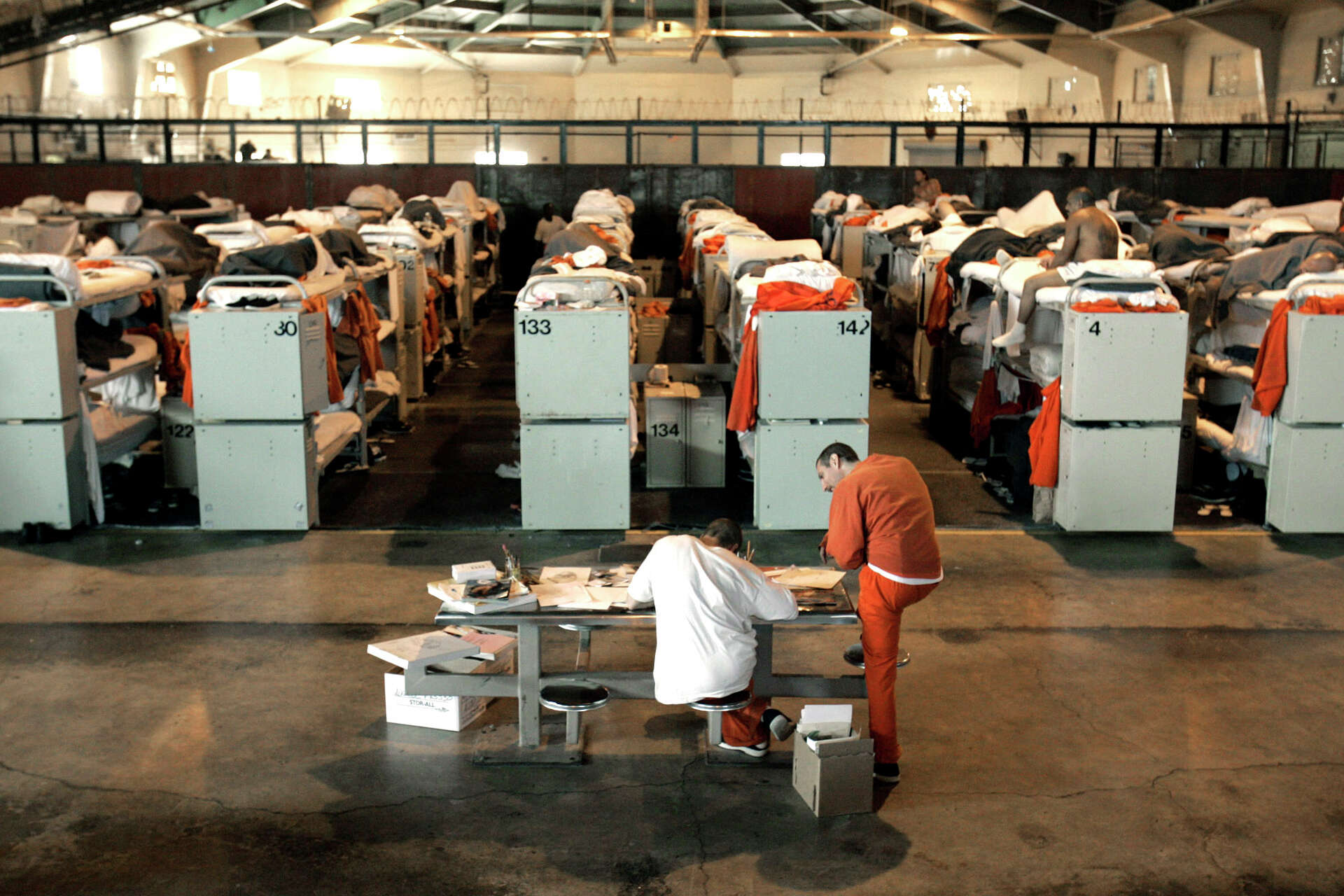
Design Capacity represents the number of inmates a facility was originally built to hold under standard housing configurations without the use of overcrowding methods like temporary bunks in gymnasiums.
Operational Capacity is the total number of inmates a facility can accommodate while maintaining safety, security, and the ability to provide essential services, which may fluctuate based on current population trends and facility modifications.
For 2026, the department maintains a strategic initiative to reduce overcrowding while ensuring public safety. This is achieved through a combination of sentencing reforms, parole programs, and the targeted closure of outdated housing units within the existing 33-prison framework.
The Role of Conservation Camps
A unique aspect of the California system is the reliance on the Conservation Camp program. These facilities serve a dual purpose: they provide vocational training for inmates while serving as a critical labor force for the California Department of Forestry and Fire Protection (CAL FIRE). These camps are generally classified as Level I institutions and are not counted as separate "state prisons" in the primary list of 33, but they are essential to the state's operational footprint.
Transition and Rehabilitation Efforts
Modern policy in California has shifted heavily toward rehabilitation. In 2026, the department emphasizes programs such as:
- Academic and vocational education.
- Substance use disorder treatment.
- Cognitive behavioral therapy.
- Family reunification services.
These programs are deployed across the 33 facilities to reduce recidivism rates. The goal is to ensure that individuals leaving the prison system are better equipped for workforce integration, which in turn benefits public safety and reduces the overall fiscal burden on the state.
Frequently Asked Questions
Are county jails considered part of the 33 state prisons? No, county jails are entirely separate from the state prison system. Jails are administered at the local level by county sheriffs and typically hold people awaiting trial or serving sentences of one year or less, whereas the 33 state prisons are for those sentenced to state custody.
Does the number of prisons change frequently? The total count of 33 represents the established major institutions. While the state may close specific older prisons to save costs or improve infrastructure, such closures are significant, multi-year administrative undertakings and do not happen on a frequent basis.
How does the state determine where an inmate is housed? The CDCR uses a classification scoring system based on factors such as current conviction, criminal history, and behavior while in custody. This ensures that inmates are placed in a facility appropriate for their security level and specialized treatment needs.
Can the public visit these 33 facilities? Yes, visitation is allowed in most facilities, subject to strict security protocols, background checks, and scheduling requirements. Potential visitors must apply and be approved through the CDCR’s online portal before they can schedule a visit.
How can I find out the specific location of a facility? The CDCR maintains an official website that lists all active institutions, their addresses, and contact information. You can use the "Facilities Locator" tool on their official domain to search for specific institutions by name or region.
Navigating Institutional Information
For individuals seeking specific data on the incarcerated population or facility-specific rules, the primary authority remains the official California Department of Corrections and Rehabilitation website. As of 2026, all official communications regarding prison status, visitation policy updates, and facility-specific announcements are routed through this central agency to ensure accuracy and transparency for the public.
To remain informed about the status of these facilities, it is recommended to review the annual reports published by the CDCR. These documents provide the most granular detail on population statistics, facility budgets, and legislative updates affecting the correctional landscape in California.
Image Gallery