Who Is the Policyholder for Life Insurance? Rights, Roles, and Key Differences
The policyholder in life insurance—often called the policy owner—is the individual or legal entity that owns the contract with the insurance company. The policyholder holds ultimate legal authority over the policy, including the right...
The policyholder in life insurance—often called the policy owner—is the individual or legal entity that owns the contract with the insurance company. The policyholder holds ultimate legal authority over the policy, including the right to name beneficiaries, access cash value, make coverage modifications, and transfer ownership, while bearing responsibility for premium payments.
Contents
Understanding the role of the policyholder is critical when setting up coverage, managing an estate, or structuring business insurance. While a single individual frequently acts as the policyholder, the insured person, and even a beneficiary, these roles are legally distinct. Misunderstanding who holds policy ownership can lead to unintended tax obligations, administrative delays, or lost control over policy benefits.
Defining the Core Roles: Policyholder vs. Insured vs. Beneficiary
Every life insurance contract involves up to three primary legal roles: the policyholder, the insured, and the beneficiary. A clear division of authority separates these entities under state insurance regulations and contract law.
- POLICYHOLDER (Owner)
- Pays premiums & controls contract rights
- Names/changes beneficiaries
- INSURED (Covered Individual)
- Life on which policy is written
- Death triggers the payout
- BENEFICIARY (Recipient)
- Receives death benefit when insured passes
- Holds no operational rights during insured's lifetime
1. The Policyholder (Policy Owner)
The policyholder is the legal owner of the contract. This can be a private individual, a business corporation, a partnership, or a trust. The policyholder is the only party authorized by the insurer to request policy updates, borrow against a cash-value balance, cancel the contract, or change designated beneficiaries. Because the policyholder owns the asset, the policy’s cash value (in permanent life insurance policies such as whole or universal life) is considered part of the policyholder's financial estate unless held within an irrevocable trust.
2. The Insured
The insured is the individual whose life measures the duration and triggering event of the policy. The policyholder purchases the policy based on the health, age, medical history, and lifestyle risk factors of the insured. However, being the insured individual confers no legal ownership rights over the policy. An insured person who is not the policyholder cannot modify the contract, change beneficiaries, or cancel the coverage.
3. The Beneficiary
The beneficiary is the person, organization, trust, or entity designated by the policyholder to receive the policy’s proceeds—the death benefit—upon the death of the insured. Beneficiaries can be revocable (meaning the policyholder can change them at any time without their consent) or irrevocable (where the policyholder must obtain the beneficiary’s written consent to alter the designation). Beneficiaries possess no administrative authority over the contract while the insured is living.
Disclaimer: Life insurance ownership rules and tax treatment depend on federal tax codes and state insurance laws. Consult a qualified financial advisor, tax attorney, or estate planner for guidance on specific estate structures.
Key Rights and Responsibilities of a Life Insurance Policyholder
The policyholder wields operational control over a life insurance policy. Understanding these rights and duties ensures proper policy maintenance and prevents unexpected coverage lapses.
Operational Rights Held by the Policyholder
- Designating and Changing Beneficiaries: The policyholder retains the primary right to select who receives the death benefit. This includes setting primary and contingent beneficiaries and establishing payout percentages.
- Accessing Policy Cash Value: In permanent insurance policies (such as whole life, variable life, or indexed universal life), any accrued cash value belongs solely to the policyholder. The policyholder can take policy loans, make withdrawals, or collateralize the cash value.
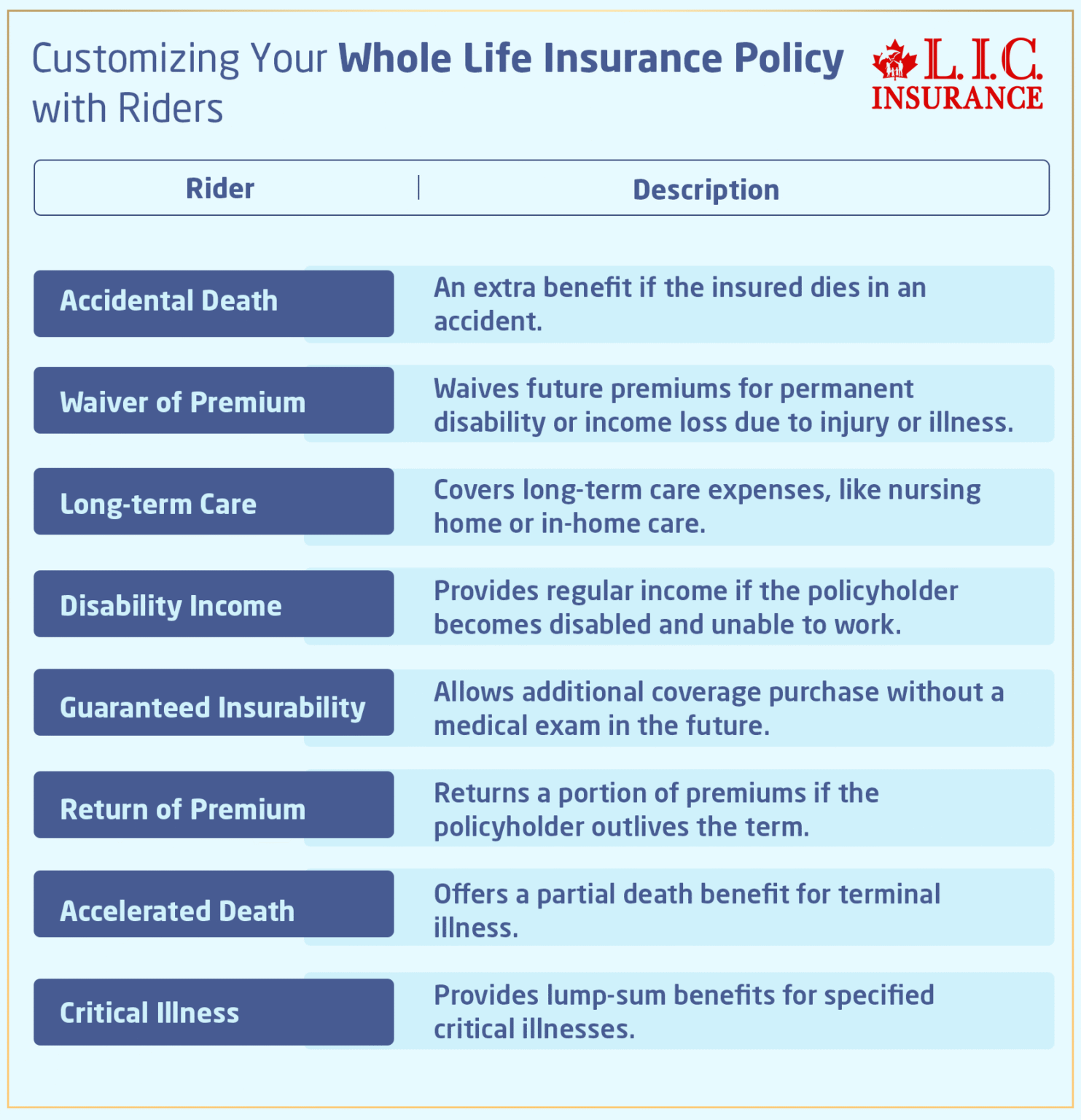
- Exercising Policy Options and Riders: The policyholder determines whether to convert a term policy into a permanent policy, apply policy dividends toward premium payments, or activate living benefit riders (such as accelerated death benefits for terminal illness).
- Surrendering or Canceling Coverage: Only the policyholder can voluntarily surrender the policy for its cash value or request contract cancellation.
- Transferring Ownership: The policyholder can transfer all legal rights to another person or entity through a legal assignment process.
Legal and Financial Responsibilities
- Premium Payments: The policyholder bears the contractual responsibility to ensure premium payments are made on time. While insurers accept premium payments from third-party payers, the legal duty to maintain the contract remains with the owner.
- Maintaining Contact and Personal Data: The policyholder must inform the insurer of address changes, tax identification updates, and legal name changes to prevent communication breakdowns during policy administration or claims processing.
Comparing Roles in a Life Insurance Policy
To visualize how these roles interact, the following table breaks down rights, responsibilities, and tax considerations across all three designations.
| Feature / Responsibility | Policyholder (Owner) | Insured Person | Beneficiary |
|---|---|---|---|
| Primary Legal Function | Contract owner and administrator | Subject of the life coverage | Recipient of policy death benefit |
| Can Change Beneficiary? | Yes (unless irrevocable beneficiary exists) | No (unless also the policyholder) | No |
| Responsible for Premiums? | Yes (contractually obligated) | No | No |
| Access to Policy Cash Value? | Yes (can withdraw or borrow) | No | No |
| Authority to Cancel Policy? | Yes | No | No |
| Tax Implications | Cash value gains, gift tax rules on transfers | None (for policy tax filings) | Death benefit usually income-tax-free |
| Entities Allowed | Individuals, Trusts, Corporations, LLCs | Natural human beings only | Individuals, Trusts, Charities, Estates |
Common Life Insurance Ownership Structures
The relationship between the policyholder, insured, and beneficiary varies based on family needs, business structures, and estate strategies.
- SCENARIO 1: Personal Policy (Standard)
- [ Jane Doe ] = Policyholder AND Insured
- Death Benefit to
- [ Spouse / Child ] (Beneficiary)
- SCENARIO 2: Parental Coverage
- [ Parent ] = Policyholder
- Insures
- [ Adult Child ] (Insured)
- Payout to
- [ Grandchild ] (Beneficiary)
- SCENARIO 3: Corporate Key-Person Policy
- [ Employer Inc. ] = Policyholder AND Beneficiary
- Insures
- [ Executive ] (Insured)
1. Self-Owned Personal Policies (Single-Entity Ownership)
The most common configuration occurs when one individual is both the policyholder and the insured person, naming a spouse, child, or trust as the beneficiary.
- Example: Sarah purchases a 20-year term life insurance policy on her own life to protect her family's mortgage and names her husband as the beneficiary. Sarah is both the policyholder and the insured.
2. Third-Party Individual Ownership
In third-party ownership, the policyholder and the insured are different people. To establish third-party ownership at policy inception, insurance regulations require the policyholder to demonstrate insurable interest in the life of the insured—meaning the policyholder would suffer a genuine financial or emotional loss upon the insured's death.
- Parents and Children: A parent (policyholder) may purchase coverage on an adult child (insured) to manage educational debt liabilities or secure low insurance rates early in life.
- Spousal Ownership: One spouse buys and owns a policy covering the other spouse. Historically, this was done to remove insurance proceeds from the insured spouse's gross estate.
3. Business Ownership (Key-Person and Buy-Sell Agreements)
Businesses often act as policyholders to mitigate operational risks associated with losing vital team members or to fund ownership succession.
- Key-Person Insurance: A corporation (policyholder) purchases life insurance on a founder or principal engineer (insured). If that employee dies, the company receives the tax-free death benefit to cover recruitment, transition costs, and revenue losses.
- Cross-Purchase Buy-Sell Agreements: Business partners purchase life insurance policies on each other. Partner A owns a policy on Partner B, and Partner B owns a policy on Partner A. Upon one partner's death, the surviving partner uses the policy proceeds to buy out the deceased partner's equity from their estate.
4. Trust-Owned Life Insurance (ILITs)
High-net-worth individuals often use an Irrevocable Life Insurance Trust (ILIT) to act as the policyholder. The trust owns the policy, the creator of the trust (the grantor) funds the premium payments through gifts to the trust, and the trust agreement designates who receives the funds.
Because the insured individual does not own the policy and holds no "incidents of ownership" at the time of death, the proceeds are typically excluded from the insured’s gross estate for federal estate tax calculations under rules enforced by the Internal Revenue Service (IRS).
The "Goodman Triangle" Tax Trap
One of the most frequent mistakes made when setting up life insurance is creating a three-way conflict of ownership roles, often called the Goodman Triangle (derived from the legal precedent Goodman v. Commissioner of Internal Revenue).
A Goodman Triangle occurs when three completely distinct entities occupy the three policy roles:
- Policyholder: Person A (e.g., Wife)
- Insured: Person B (e.g., Husband)
- Beneficiary: Person C (e.g., Adult Child)
- [ Person A: Policyholder (Wife) ]
- [ Person B: Insured (Husband) ]
- [ Person C: Beneficiary (Adult Child) ]
Why This Triggers Unintended Tax Liability
When the insured individual (Person B) passes away, the policy proceeds are paid out to the beneficiary (Person C). However, because Person A owned the policy, the IRS treats this transaction as a taxable gift from Person A to Person C, rather than a standard tax-free life insurance payout.
The death of the insured completes a gift from the policy owner to the beneficiary, potentially triggering federal gift tax obligations for the policyholder.
How to Avoid the Trap
To avoid unexpected gift taxes, realign the policy structure so that at least two of the roles overlap:
- Option 1: Person A acts as both policyholder and beneficiary on Person B's life.
- Option 2: Person B (the insured) owns the policy directly and names Person C as the beneficiary.
Transferring Life Insurance Ownership: Assignment Types
A policyholder can transfer legal ownership rights over a policy to another individual, business entity, or trust through an assignment.
- ABSOLUTE ASSIGNMENT
- Permanent transfer of ALL ownership rights
- Used for estate planning, ILIT transfers, or policy sales
- COLLATERAL ASSIGNMENT
- Temporary transfer of conditional rights to a lender
- Used to secure personal or business loans (e.g., SBA loans)
Absolute Assignment
An absolute assignment is a complete, permanent transfer of all rights, titles, and interests in the life insurance policy to a new owner. Once processed:
- The new policyholder gains complete management rights.
- The former owner forfeits all rights to access cash value or change beneficiaries.
- Absolute assignments are widely used when transferring policies into an irrevocable trust or when selling a policy through a life settlement.
Important Note: Under U.S. tax code Section 2035 (the "three-year lookback rule"), if an insured policyholder transfers an existing policy to another entity (like an ILIT) and dies within three years of the transfer, the full death benefit is pulled back into their taxable estate for federal estate tax calculation purposes.
Collateral Assignment
A collateral assignment is a partial, conditional transfer of policy rights used to secure financial debt.
- How it Works: If a borrower applies for a business loan, the lender (such as a bank) may require a collateral assignment on a life insurance policy. The lender receives rights to the policy cash value or death benefit up to the outstanding loan balance.
- Resolution: Once the debt is repaid in full, the lender releases the collateral assignment, restoring full unencumbered control back to the primary policyholder.
Frequently Asked Questions
Can the policyholder change the beneficiary without telling the insured?
Yes. Unless the policyholder signed an agreement stating otherwise, or the named beneficiary is designated as irrevocable, the policyholder has full legal authority to change beneficiaries at any time. The insured individual has no legal standing to approve or block beneficiary updates made by the policyholder.
What happens if the policyholder dies before the insured person?
If the policyholder and the insured are different people and the policyholder dies first, ownership of the policy passes according to instructions in the contract or the policyholder's estate plan:
- Successor Owner: If the policyholder named a contingent (successor) owner on file with the insurer, that person automatically assumes ownership.
- Estate Probate: If no successor owner is named, the policy contract becomes part of the deceased policyholder's probate estate. The probate court then determines who inherits the policy based on the deceased owner's will or state intestate laws.
Can an insured person demand to take over ownership of a policy?
No. An insured person has no legal right to force a policyholder to assign policy ownership over to them. Ownership can only be transferred if the current policyholder voluntarily executes an absolute assignment form provided by the insurance carrier.
Is the policyholder liable for taxes on life insurance death benefits?
Under standard circumstances outlined in federal tax code by the IRS, life insurance death benefit payouts are received income-tax-free by the beneficiary. However, if permanent policy cash value is withdrawn by the policyholder in excess of total paid premiums (the policy's cost basis), that excess growth is subject to ordinary income tax. Additionally, if the Goodman Triangle dynamic applies, the policyholder may incur federal gift tax liability.
Can a policyholder sell their life insurance policy to someone else?
Yes. A policyholder who owns a permanent or convertible term policy can sell the contract to a third-party investor through a life settlement. The buyer pays the policyholder a lump-sum cash amount (typically higher than the cash surrender value but less than the death benefit), becomes the new policyholder, pays all future premiums, and collects the death benefit when the insured passes away.
Next Actions for Policy Verification and Management
To protect your financial strategy and avoid administrative or tax problems, audit your life insurance holdings using the following checklist:
- Verify Role Designations: Contact your life insurance carrier or review your annual policy statement to confirm who is listed as the policyholder, insured, and primary/contingent beneficiaries.
- Evaluate for the Goodman Triangle: Ensure that the policyholder, insured, and beneficiary roles do not represent three completely separate parties unless your tax advisor has explicitly reviewed and structured the arrangement.
- Designate a Successor Owner: If you own a policy on someone else's life (such as a child or business partner), complete a contingent owner form with the carrier to prevent the policy from getting caught in probate should you die first.
- Coordinate with Estate Planning Documents: Verify that beneficiary designations on the policy align with your current will or living trust documents. Beneficiary designations on life insurance contracts supersede provisions written in a will.
Image Gallery