Top 10 Most Sold Authors of All Time: Definitive Rankings and Sales Data
Determining the most sold authors of all time requires evaluating commercial book sales, global translation reach, and historical printing records across centuries. Led by British playwright William Shakespeare and mystery icon Agatha...
Determining the most sold authors of all time requires evaluating commercial book sales, global translation reach, and historical printing records across centuries. Led by British playwright William Shakespeare and mystery icon Agatha Christie—each exceeding two billion copies sold—the list includes prolific novelists such as Barbara Cartland, Danielle Steel, and modern blockbuster creators like J.K. Rowling.
Contents
Methodology and Tracking Historical Book Sales
Tracking book sales across centuries presents significant archival challenges. While contemporary trade publishing relies on point-of-sale tracking tools like Nielsen BookScan and official publisher financial reports, historical data for older creators depends on print-run documentation, estate records, and literary registry estimates.
- TOTAL COMMERCIAL BOOK DISTRIBUTIONS
- COMMERCIAL FICTION & NON-FICTION
- Single named authorship
- Retail & library trade focus
- Included in literary rankings (e.g., Christie, Steel, Rowling)
- STATE & RELIGIOUS TEXTS
- Public domain distribution
- State mandates & institutional distribution
- Excluded from commercial rankings (e.g., The Bible, Quran, Quotations)
- COMMERCIAL FICTION & NON-FICTION
To provide an accurate analysis, publishing industry analysts distinguish between individual commercial authors and religious or state-distributed texts. Compilations like the Bible, the Quran, and political anthologies such as Quotations from Chairman Mao Tse-tung have distributed billions of copies, but they are generally excluded from commercial author rankings due to multi-author origins, public domain status, and non-commercial institutional distribution.
Similarly, rankings focus primarily on individual narrative creators, playwrights, and novelists whose work was distributed through global trade channels. Key criteria used to compile lifetime sales estimates include:
- Verified Publisher Print Runs: Cumulative figures from original and licensed global publishers.
- Translation Footprint: The total number of languages into which an author's catalog has been officially translated and distributed.
- Public Domain Volume: Estimations of posthumous editions published after copyright expiration, particularly relevant for classic authors.
- Multi-Volume Series Performance: Total cumulative sales across multi-book franchises versus standalone works.
Comprehensive Comparison: The World's Top 10 Best-Selling Authors
The table below summarizes the top ten commercial authors based on total estimated worldwide book sales, primary genres, and historical active periods.
| Author | Estimated Lifetime Sales | Key Works / Franchises | Primary Genre | Active Era |
|---|---|---|---|---|
| William Shakespeare | 2 Billion – 4 Billion | Romeo and Juliet, Hamlet, Macbeth | Drama, Poetry, Tragedy | 1589–1613 |
| Agatha Christie | 2 Billion – 4 Billion | And Then There Were None, Hercule Poirot | Crime, Murder Mystery | 1920–1976 |
| Barbara Cartland | 500 Million – 1 Billion | A Hazard of Hearts, The Blue-Eyed Witch | Historical Romance | 1923–2000 |
| Danielle Steel | 500 Million – 800 Million | The Gift, Kaleidoscope, Safe Harbour | Contemporary Romance, Drama | 1973–Present |
| Harold Robbins | 750 Million | The Carpetbaggers, A Stone for Danny Fisher | Pulp Fiction, Industrial Drama | 1948–1997 |
| Georges Simenon | 500 Million – 700 Million | Inspector Maigret series | Crime, Psychological Thriller | 1921–1989 |
| J.K. Rowling | 500 Million – 600 Million | Harry Potter series, Cormoran Strike | Fantasy, Young Adult, Crime | 1997–Present |
| Enid Blyton | 500 Million | The Famous Five, The Secret Seven, Noddy | Children's Fiction, Adventure | 1922–1968 |
| Dean Koontz | 500 Million | Odd Thomas, Phantoms, Intensity | Horror, Sci-Fi, Suspense | 1968–Present |
| James Patterson | 425 Million – 500 Million | Alex Cross, Women's Murder Club | Thriller, Crime, Co-authored Fiction | 1976–Present |
Detailed Profiles of the World's Top 10 Best-Selling Authors
1. William Shakespeare (Estimated 2 Billion – 4 Billion Copies)
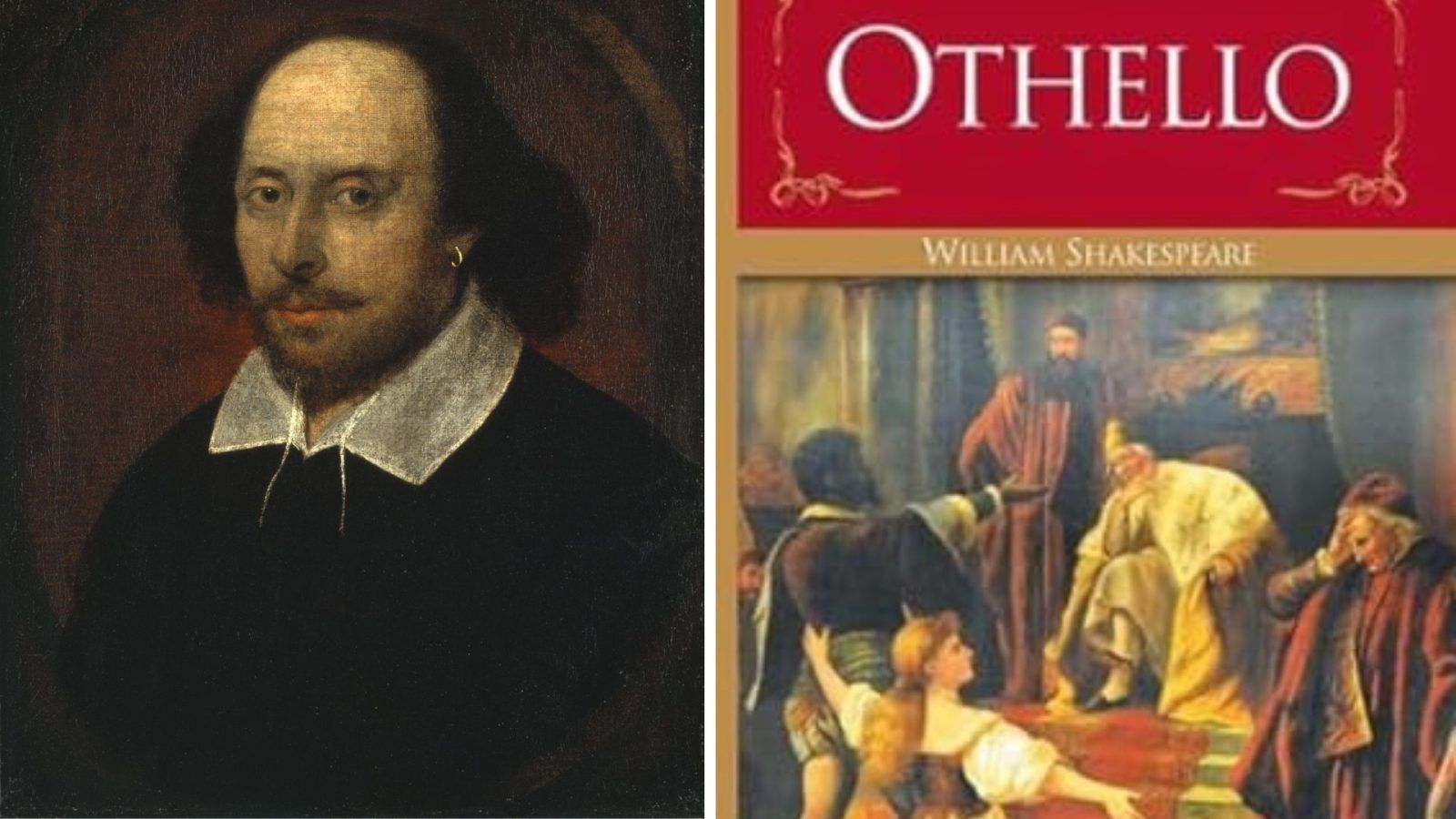
William Shakespeare stands as the most published dramatist in human history. Operating during the English Renaissance, his plays—including 39 surviving dramas and 154 sonnets—have been continuously printed, performed, and translated into every major living language.
Because Shakespeare's works entered the public domain centuries ago, thousands of independent publishers worldwide have produced editions of his collected works. According to global library indices recorded by the British Library, Shakespeare's works have maintained unbroken print runs since the First Folio publication in 1623. His position at the top of literary distribution stems from four centuries of standardized integration into international educational curricula, academic publishing, and theatrical performance scripts.
2. Agatha Christie (Estimated 2 Billion – 4 Billion Copies)
Agatha Christie holds the title of the world's best-selling fiction writer, a status officially recognized by Guinness World Records. Over a career spanning six decades, the English mystery writer produced 66 detective novels, 14 short story collections, and the world's longest-running play, The Mousetrap.
Christie's commercial success relies on iconic recurring characters, notably the Belgian detective Hercule Poirot and the amateur sleuth Miss Marple. Her best-selling individual novel, And Then There Were None, has sold over 100 million copies alone, making it one of the top-selling single volumes in publishing history. Christie’s catalog has been translated into more than 100 languages, supported by continuous estate licensing and high-volume mass-market paperback publishing.
3. Barbara Cartland (Estimated 500 Million – 1 Billion Copies)
Dame Barbara Cartland remains one of the most commercially prolific writers of the 20th century. Specializing in romantic fiction set in historic eras, Cartland wrote over 700 novels during her career. At her peak production rate, she authored up to 20 novels a year, establishing a streamlined writing model that dominated mass-market paperback distribution.
Cartland’s books catered to a global audience for light genre fiction, translated into more than 36 languages. Her commercial strategy relied on high volume and predictable thematic formulas, allowing her publisher to maintain continuous shelf placement across global bookstore chains, newsstands, and international retail markets.
4. Danielle Steel (Estimated 500 Million – 800 Million Copies)
Danielle Steel is the most commercially successful living romance and drama author in the world. Since publishing her debut novel in 1973, Steel has authored over 190 books, including novels, children's literature, and non-fiction.
Steel's publishing longevity is marked by consistency; she has held positions on global bestseller lists for decades, including a historic record of holding at least one book on the New York Times Bestseller list for over 380 consecutive weeks. Her novels explore themes of family dynamics, relationships, and personal crisis, appealing across demographic groups. Print runs for Steel's hardcover and paperback releases frequently reach initial orders of millions of units per title.
5. Harold Robbins (Estimated 750 Million Copies)
Harold Robbins was an American novelist whose sensationalized fiction focused on power, financial intrigue, glamour, and melodrama. Over his career, Robbins published 25 novels that were translated into 32 languages, selling an estimated 750 million copies worldwide.
Key titles such as The Carpetbaggers (1961) and A Stone for Danny Fisher (1951) captured the mid-20th-century paperbacks boom. Robbins optimized his storytelling for modern mass distribution, blending industry insider narratives with high drama. His works frequently adapted into top-grossing feature films and television miniseries, driving secondary book sales for decades.
6. Georges Simenon (Estimated 500 Million – 700 Million Copies)
Belgian author Georges Simenon was one of the most prolific European fiction writers of the 20th century. He published nearly 400 novels and short story collections under his name and numerous pseudonyms, translating into over 50 languages globally.
Simenon is best known as the creator of Inspector Jules Maigret, a Parisian police detective featured in 75 novels and 28 short stories. Beyond the Maigret procedural series, Simenon earned literary acclaim for his psychological standalone novels, referred to as romans durs ("hard novels"). His concise prose style enabled rapid writing cycles, translating into steady book production and sustained European mass-market paperbound sales.
7. J.K. Rowling (Estimated 500 Million – 600 Million Copies)
J.K. Rowling achieved unprecedented commercial success with the seven-volume Harry Potter series published between 1997 and 2007. The franchise has sold over 600 million copies worldwide, according to reporting compiled by Publishers Weekly, making it the single best-selling book series in history.
Rowling's work generated a global reading phenomenon that crossed age demographics, driving multi-million-copy initial print runs and high-volume translation licensing in over 85 languages. Beyond the core fantasy series, Rowling has expanded her commercial output with companion texts and crime fiction under the pseudonym Robert Galbraith, sustaining her presence on global trade sales charts.
8. Enid Blyton (Estimated 500 Million Copies)
Enid Blyton was a British children's author whose career spanned from the 1920s to the late 1960s. Having written more than 600 books and thousands of short stories, Blyton remains one of the most widely translated children's authors in global literature.
Her most prominent franchises include The Famous Five, The Secret Seven, The Noddy Series, and The Magic Faraway Tree. Blyton’s accessible vocabulary, clear narrative structures, and recurring adventure plots created a self-sustaining reading market for young readers. Her estate continues to license translated editions and updated publications worldwide.
9. Dean Koontz (Estimated 500 Million Copies)
Dean Koontz is an American suspense author whose works incorporate elements of horror, science fiction, mystery, and speculative fiction. Since his career began in the late 1960s, Koontz has published dozens of novels, many of which have achieved number-one status on international bestseller lists.
Koontz’s commercial reach relies on steady output coupled with high reader retention across multiple sub-genres. Hits like Intensity, Phantoms, and the Odd Thomas series demonstrate his ability to generate long-running print lifecycles in hardcover, paperback, and digital formats across 38 languages.
10. James Patterson (Estimated 425 Million – 500 Million Copies)
James Patterson is an American author recognized for pioneering high-velocity, co-authored publishing models. Best known for the Alex Cross, Women's Murder Club, and Michael Bennett series, Patterson has produced over 200 novels since his debut in 1976.
Patterson holds the record for the most number-one New York Times bestsellers by a single author. By collaborating with co-writers, he maintains a publication schedule of multiple hardcovers and paperbacks per year, dominating commercial trade sales, airport bookstores, and digital lending platforms worldwide.
Key Factors Driving Commercial Publishing Success
Analysis of the top-selling authors reveals recurring structural factors that allow creators to breach the 500-million-copy threshold.
- CORE ENGINES OF GLOBAL BOOK DISTRIBUTION
- CATALOG DEPTH
- 50 to 700+ titles
- Continuous releases build steady shelf space dominance
- TRANSLATION
- 35 to 100+ languages
- Global syndication reaching non-English literary markets
- CROSS-MEDIA ADAPTATION
- Feature films, TV series, and theatrical plays drive renewed paperback print runs over multiple generations
- CATALOG DEPTH
1. High Catalog Depth vs. Single Franchise Dominance
Commercial sales giants generally fall into two strategic categories:
- High-Volume Catalog Writers: Authors like Barbara Cartland, Georges Simenon, and Danielle Steel built massive lifetime sales by releasing between 100 and 700 distinct titles, securing continuous retail shelf space over decades.
- Franchise Megastars: Authors like J.K. Rowling focused on a single concentrated intellectual property (Harry Potter) that achieved extraordinary global saturation, selling hundreds of millions of units across a smaller number of total volumes.
2. Global Translation Infrastructure
To surpass 400 million sales, an author must penetrate markets beyond the English-language sector. Authors like Agatha Christie and Georges Simenon benefited from early global translation networks, allowing their works to be distributed in up to 100 foreign languages. International licensing agreements ensure continuous revenue and print runs long after an author's active writing period ends.
3. Cross-Media Adaptations
Cinematic, theatrical, and television adaptations consistently act as primary catalysts for backlist book sales. Film adaptations of Shakespeare's plays, Agatha Christie's murder mysteries, and J.K. Rowling's fantasy novels drive new generations of readers to buy contemporary movie tie-in print editions.
Frequently Asked Questions
Why are religious and political texts excluded from author rankings?
Religious texts like the Bible and Quran, alongside political tracts like Quotations from Chairman Mao Tse-tung, have distributed billions of copies. However, they are excluded from commercial author rankings because they involve multi-author origins, public domain reproduction without single commercial ownership, or state-mandated non-commercial distribution rather than consumer market sales.
Who is the best-selling living author today?
Danielle Steel and J.K. Rowling are the top-selling living authors, with estimated total sales ranging between 500 million and 800 million copies each, depending on backlist print accounting and global translation metrics.
How do graphic novel and manga creators compare to traditional authors?
Manga creators achieve comparable sales numbers. For example, Eiichiro Oda, the creator of the manga series One Piece, has recorded over 500 million copies in global circulation, placing his overall distribution alongside traditional publishing giants like Enid Blyton and Dean Koontz.
Are digital ebooks and audiobooks included in modern author sales statistics?
Yes. Modern industry figures combine physical hardcovers, mass-market paperbacks, verified digital ebook sales, and digital audiobook redemptions into total unit distribution metrics.
Which individual novel holds the record for highest single sales by one author?
Don Quixote by Miguel de Cervantes is often cited by literary historians as having distributed an estimated 500 million copies since 1605. In modern commercial publishing, Charles Dickens' A Tale of Two Cities and Agatha Christie's And Then There Were None are widely credited with over 100 million individual copy sales each.
Practical Takeaways for Literary Researchers and Analysts
When evaluating global author sales data, research analysts should prioritize verified primary sources over unreferenced online estimates. Industry professionals tracking publishing trends should focus on three specific metrics:
- Differentiate Printing from Retail Sales: Ensure data accounts for actual point-of-sale numbers or verified print run orders rather than total promotional print-in-advance figures.
- Verify International Rights Licensing: Cross-reference an author’s sales records with verified foreign language licensing rights maintained by major literary agencies and international publisher syndicates.
- Account for Posthumous Copyright Status: Recognize that public domain authors (such as Shakespeare or Jane Austen) experience accelerated volume increases across unmonitored global printings, requiring statistical modeling derived from academic and national library registries.
Image Gallery