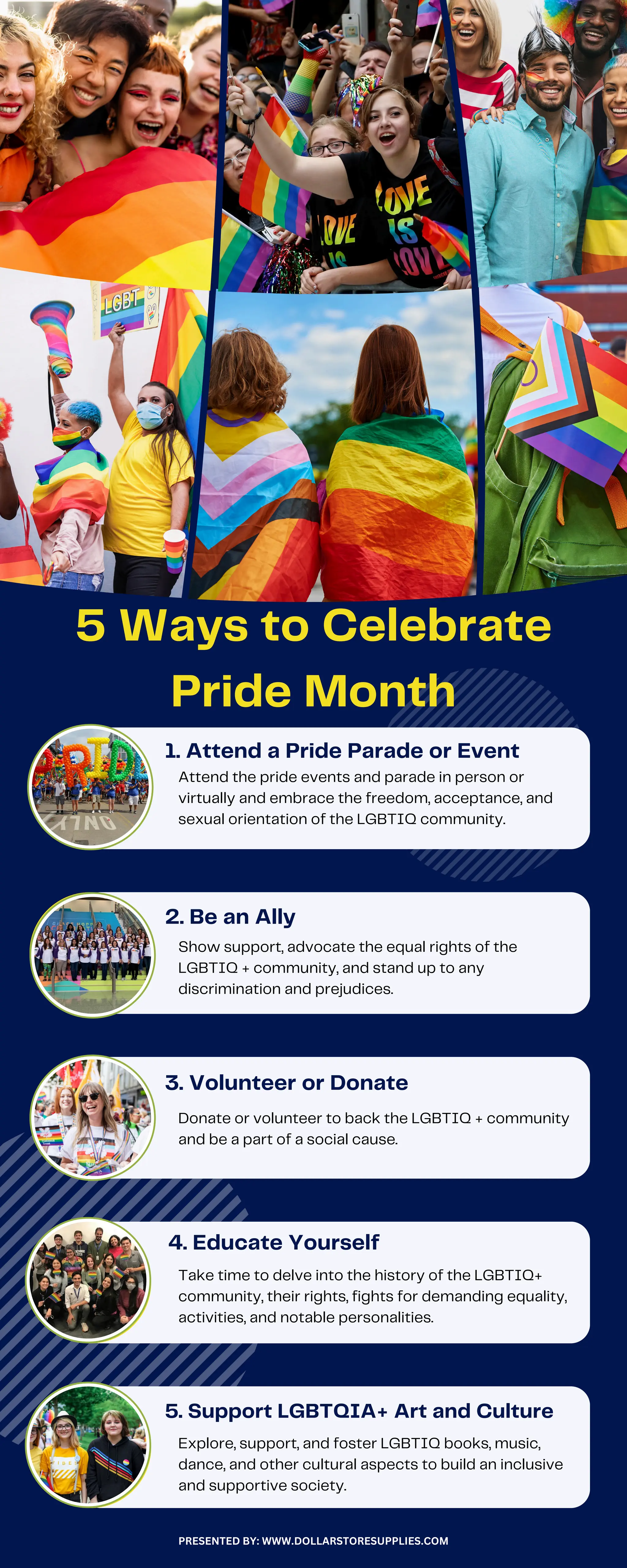
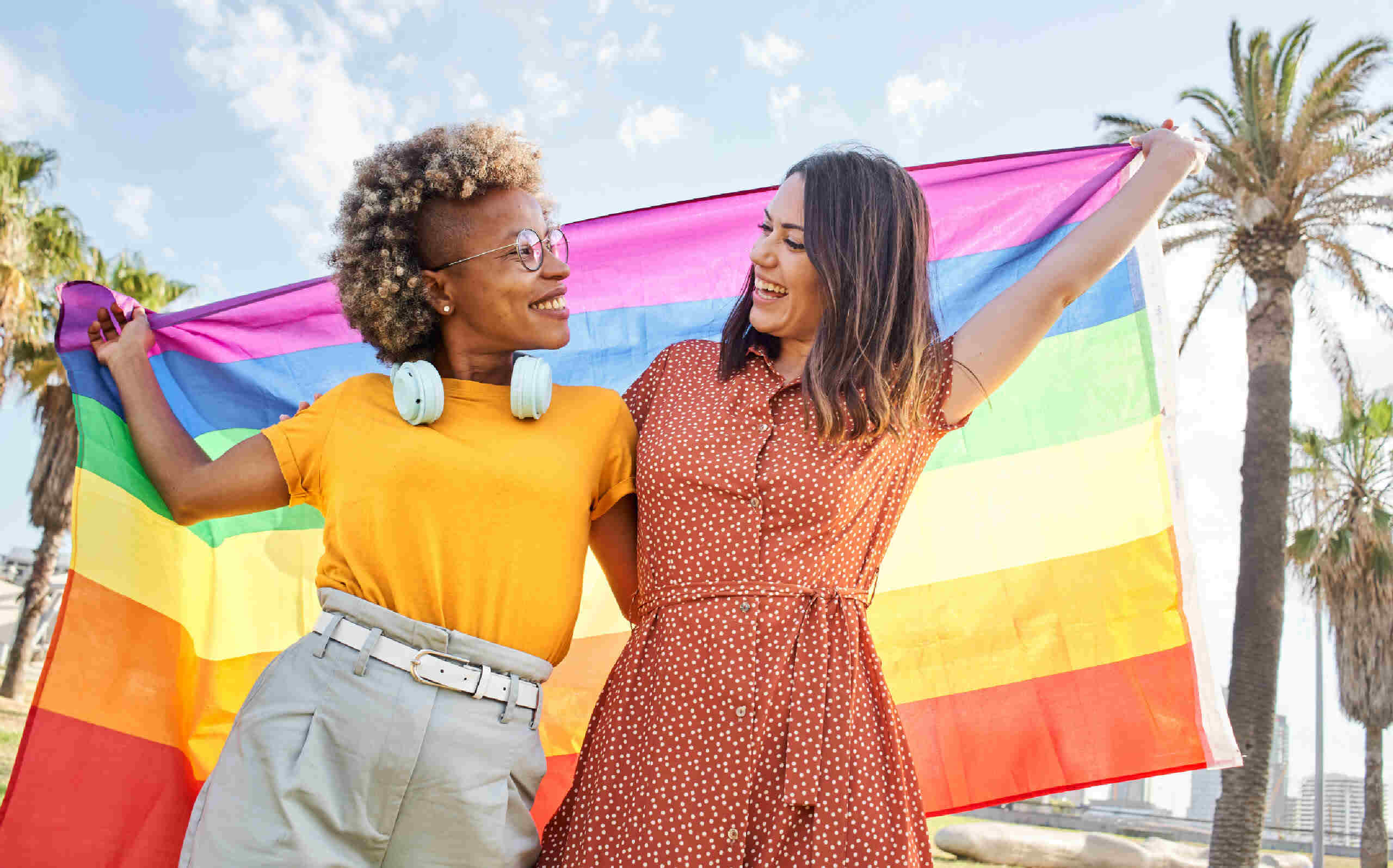
Best Ways to Celebrate Pride Month 2026: A Comprehensive Guide to Meaningful Support and Celebration
The best way to celebrate Pride Month is to combine active community participation with sustained advocacy and education. In 2026, meaningful celebration involves attending local events, supporting LGBTQ-owned businesses, contributing...
The best way to celebrate Pride Month is to combine active community participation with sustained advocacy and education. In 2026, meaningful celebration involves attending local events, supporting LGBTQ-owned businesses, contributing to mutual aid funds, and educating oneself on the intersectional history of the movement to ensure progress benefits all members of the community.
Contents
Understanding the Core Purpose of Pride Month
To celebrate Pride effectively, one must first understand its dual nature as both a joyous celebration of identity and a serious commemoration of a civil rights struggle. Pride Month is observed every June to honor the 1969 Stonewall Uprising in Manhattan, a tipping point for the Gay Liberation Movement in the United States. While the festive atmosphere of parades and parties is a hallmark of the month, the underlying goal remains the pursuit of equal justice and opportunity for LGBTQ+ individuals.
In 2026, the landscape of Pride continues to evolve. We see a shift toward decentralized, grassroots celebrations that emphasize local community needs over global corporate sponsorships. Understanding this history—specifically the roles played by Black and Brown transgender women like Marsha P. Johnson and Sylvia Rivera—is essential. Celebrating "the best way" means acknowledging that Pride began as a riot against state-sanctioned discrimination and that for many, the fight for safety and legal recognition continues.
Supporting LGBTQ+ Organizations and Mutual Aid
Direct financial support remains one of the most impactful ways to celebrate Pride. While national organizations do vital work, 2026 trends show a significant impact coming from localized mutual aid and community centers. These organizations often provide direct services that larger entities might miss, such as emergency housing, food security, and gender-affirming healthcare navigation.
Prioritizing Local Impact
When deciding where to donate or volunteer, consider the specific needs of your local area. Many community centers operate on thin margins and rely on June fundraising to sustain programs for the entire year.
- Youth Services: Organizations like The Trevor Project provide crisis intervention, but local "drop-in" centers offer the physical space young people need for daily safety.
- Elder Care: LGBTQ+ seniors often face unique challenges regarding isolation and healthcare. Supporting organizations focused on "SAGE" (Services & Advocacy for LGBTQ+ Elders) helps ensure the generation that fought for today’s rights is not forgotten.
- Legal Defense: With shifting legislative landscapes in various jurisdictions, contributing to legal defense funds is a proactive way to protect existing rights.
Beyond One-Time Donations
Meaningful support involves moving toward recurring contributions. A monthly donation of $10 often provides more stability for a non-profit than a one-time $100 gift during June. This ensures that the spirit of Pride—community care—is sustained through the remaining eleven months of the year.
Meaningful Allyship in the Workplace and Community
For allies, celebrating Pride Month requires a commitment to "active" rather than "performative" support. In 2026, the public is increasingly critical of "pinkwashing"—the practice of companies using rainbow imagery for profit without implementing inclusive internal policies.
Auditing Workplace Inclusivity
The best way for professionals to celebrate is to advocate for systemic change within their organizations. This includes:
- Healthcare Equity: Ensuring that company insurance plans explicitly cover gender-affirming care and fertility treatments for all family structures.
- Non-Discrimination Policies: Verifying that employee handbooks include clear, enforceable protections for gender identity and sexual orientation.
- Internal Education: Moving beyond basic "Diversity 101" training to focus on intersectionality, pronoun usage, and the specific challenges faced by queer people of color.
Community Advocacy
In your local neighborhood, celebration can take the form of civic engagement. This might mean attending school board meetings to support inclusive curricula or advocating for the protection of LGBTQ+ spaces from gentrification. Allyship is a verb; it is defined by the actions taken when the "rainbows" are taken down on July 1st.
Personal Education and Cultural Engagement
Education is a lifelong component of celebrating Pride. The history of the LGBTQ+ movement is vast, spanning various cultures, languages, and artistic expressions. Engaging with queer media allows for a deeper understanding of the diverse lived experiences within the community.
Reading and Media Consumption
Instead of relying on mainstream narratives, seek out literature and film created by LGBTQ+ individuals. In 2026, there is a wealth of contemporary queer cinema and literature that explores themes beyond "coming out," focusing instead on queer joy, domesticity, and speculative fiction.
- Documentaries: Watch films like Paris Is Burning or How to Survive a Plague to understand the cultural and political history of ball culture and the HIV/AIDS crisis.
- Literature: Read works by authors like James Baldwin, Audre Lorde, or contemporary writers like Ocean Vuong to gain insight into the intersection of race and sexuality.
Understanding Intersectionality
It is impossible to celebrate Pride without addressing intersectionality—the way different forms of discrimination (racism, ableism, classism) overlap. The "best" celebration is one that is inclusive of disabled queer people, undocumented LGBTQ+ individuals, and those living in poverty. This might involve ensuring that the events you attend are physically accessible or that the content you share highlights the voices of those most marginalized within the community.
Attending and Organizing Events in 2026
Parades and festivals are the most visible ways to celebrate, but they are not the only ways. In 2026, event styles have diversified significantly to cater to different segments of the community.
Diverse Event Types
| Celebration Type | Primary Focus | Best For | Examples |
|---|---|---|---|
| Parades & Marches | Visibility & Protest | Large groups, families | City-wide Pride marches |
| Workshops & Panels | Education & Advocacy | Professionals, students | Trans rights seminars, history lectures |
| Community Markets | Economic Support | Local shoppers, artisans | LGBTQ+ craft fairs, "Queer Flea" markets |
| Sober Spaces | Wellness & Safety | Individuals in recovery | Alcohol-free mixers, morning yoga sessions |
| Digital Pride | Global Access | Remote areas, disabled folk | Live-streamed panels, VR community hubs |
Planning Your Participation
If you are attending a large-scale event, prioritize safety and respect. This includes being mindful of the space you occupy, especially if you are an ally. If you are organizing an event, ensure that it is accessible to all. This means providing ASL interpreters, ensuring wheelchair access, and offering "quiet zones" for neurodivergent attendees who may become overwhelmed by the noise and crowds of traditional Pride festivals.
Supporting LGBTQ+ Creators and Businesses
Economic empowerment is a cornerstone of Pride. Supporting queer-owned businesses helps build community wealth and ensures that these entrepreneurs can continue to provide safe spaces for the community.
- Buy Queer Year-Round: Make a conscious effort to identify LGBTQ-owned cafes, bookstores, and service providers in your area.
- Promote Creators: Use your social media platforms to highlight queer artists, musicians, and digital creators. In 2026, the "creator economy" is a vital source of income for many young queer people; your engagement (likes, shares, and purchases) has a direct financial impact.
- Research Corporate Ties: Before buying "Pride merch" from a major retailer, check if they donate 100% of the proceeds to LGBTQ+ charities or if they have a history of donating to political candidates who oppose equality.
Celebrating Safely and Inclusively
Safety is a critical consideration for Pride Month. While visibility is a goal, it must be balanced with the physical and emotional well-being of the participants.
Physical and Digital Safety
In 2026, digital safety is as important as physical safety. Be mindful of "outing" individuals in photos without their consent. If you are attending protests or marches, stay aware of your surroundings and have a plan for communicating with friends if you get separated.
Mental Health and Wellness
Pride can be emotionally taxing, particularly for those who are not yet "out" or who face rejection from their families. Celebrating Pride should also include self-care. It is perfectly valid to celebrate quietly at home with a few close friends or to take a break from the festivities to focus on your mental health. "Pride" is an internal state as much as it is a public display.
Frequently Asked Questions
Why is June chosen for Pride Month?
June was chosen to commemorate the Stonewall Uprising, which began in the early morning hours of June 28, 1969. This event is widely considered the catalyst for the modern LGBTQ+ rights movement in the United States and has since become a global symbol of resistance and community.
How can I be a good ally during Pride Month?
A good ally focuses on listening and learning. This involves amplifying LGBTQ+ voices rather than speaking over them, educating yourself on queer history so you don't rely on queer people to teach you, and taking tangible actions—like donating or advocating for policy changes—that support the community's well-being.
Is it okay to celebrate Pride if I'm not out yet?
Absolutely. Pride is for everyone under the LGBTQ+ umbrella, regardless of where they are in their personal journey. You can celebrate in "low-stakes" ways, such as engaging with queer media privately, attending digital events, or connecting with supportive communities online. Your safety and comfort are the priority.
What does the "Progress" Pride flag represent?
The Progress Pride flag, designed by Daniel Quasar, includes additional stripes to represent marginalized communities. The black and brown stripes represent queer people of color, while the light blue, pink, and white stripes represent the transgender community. Celebrating with this flag acknowledges the specific struggles and contributions of these groups within the broader movement.
How do I handle "Rainbow Capitalism" during Pride?
Be a critical consumer. Look for companies that demonstrate a year-round commitment to the LGBTQ+ community through their hiring practices, healthcare benefits, and political donations. Favor brands that partner with queer artists for their designs and those that are transparent about where their "Pride collection" profits are going.
Practical Recommendation for 2026
To truly celebrate Pride Month in 2026, select one "active" and one "educational" goal. For your active goal, find a local LGBTQ+ organization and sign up for a volunteer shift or set up a recurring monthly donation. For your educational goal, choose a book or documentary about a facet of queer history you are unfamiliar with—such as the "Lavender Scare" or the history of Indigenous Two-Spirit people. By combining action with understanding, you ensure that your celebration contributes to the long-term liberation and flourishing of the entire community.
Image Gallery