Mastering the Art of Figuring Your Period Cycle for Health and Wellness
Figuring your period cycle involves tracking the first day of bleeding to the first day of the next, typically spanning 21 to 35 days. Understanding this natural rhythm helps you monitor reproductive health, predict ovulation, identify...
Figuring your period cycle involves tracking the first day of bleeding to the first day of the next, typically spanning 21 to 35 days. Understanding this natural rhythm helps you monitor reproductive health, predict ovulation, identify hormonal imbalances, and plan daily activities around predictable physical patterns.
Contents
Navigating the nuances of menstrual health requires moving beyond simple calendar counting to embrace a comprehensive physiological awareness. Whether you are trying to conceive, managing underlying conditions like polycystic ovary syndrome (PCOS), or simply striving for better bodily literacy, learning how to accurately calculate and evaluate your menstrual pattern is an invaluable life skill. This guide explores the biological mechanics, tracking methodologies, and clinical benchmarks that define a healthy menstrual cycle in 2026.
Biological Foundations of the Menstrual Cycle
The menstrual cycle is a finely tuned biological feedback loop involving the hypothalamus, pituitary gland, ovaries, and the uterine lining. Far more than just the days you bleed, the cycle is an ongoing hormonal symphony designed to prepare the body for potential pregnancy.
A standard cycle is measured from Day 1—defined as the very first day of full, bright red menstrual flow—up to the day before the next period begins. Hormonal fluctuations dictate every phase, shifting energy levels, mood, basal body temperature, and cervical mucus consistency. Understanding these phases transforms how you interpret physical symptoms and irregularities.
The Four Distinct Phases Explained
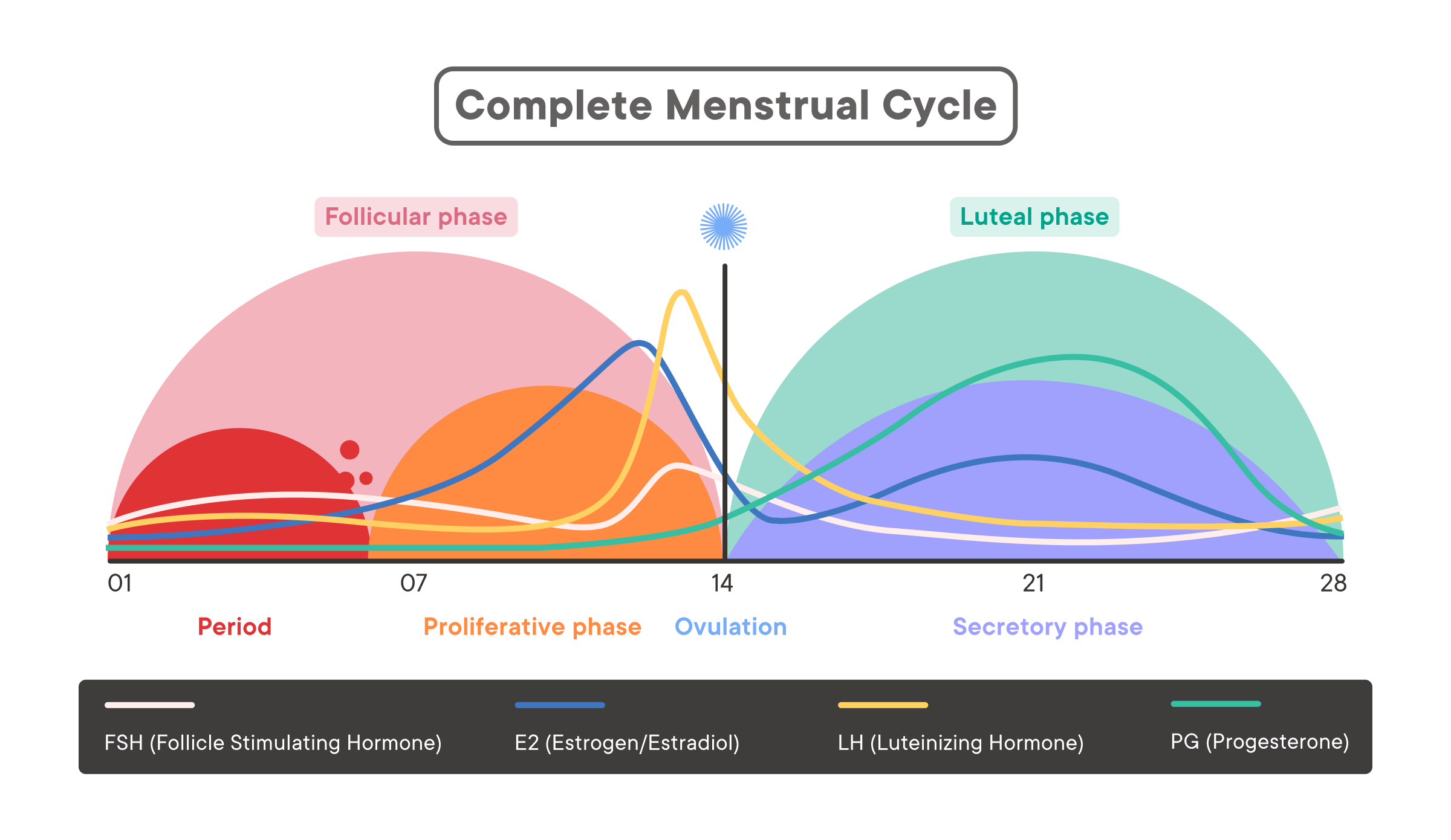
- Menstrual Phase (Days 1 to 5 approximately): The shedding of the functional layer of the endometrium occurs when estrogen and progesterone levels drop. Bleeding typically lasts between three and seven days.
- Follicular Phase (Days 1 to 13 in a 28-day cycle): The pituitary gland releases follicle-stimulating hormone (FSH), stimulating the ovaries to develop ovarian follicles. As these follicles grow, they secrete estrogen, which thickens the uterine lining.
- Ovulatory Phase (Around Day 14): A sharp surge in luteinizing hormone (LH) triggers the dominant follicle to rupture and release a mature egg. This phase is exceptionally short, lasting roughly 12 to 24 hours.
- Luteal Phase (Days 15 to 28): The remnant of the ruptured follicle transforms into the corpus luteum, producing progesterone to maintain the uterine lining. If pregnancy does not occur, the corpus luteum degrades, hormone levels plummet, and the cycle resets.
Step-by-Step Guide to Calculating Your Cycle Length
Calculating your cycle requires consistency and a reliable tracking method. Relying on memory is notoriously inaccurate due to cognitive bias and normal month-to-month variations. Follow this step-by-step process to establish your baseline.
- Mark Day 1 Consistently: Every single month, make a definitive note on your calendar or app the exact day true menstrual bleeding begins. Spotting that occurs before full flow is typically counted as part of the previous cycle.
- Count the Total Days: Count every day starting from Day 1 of your current period up until the day before your next period starts. Do not count the days of bleeding of the next period.
- Maintain a Multi-Month Log: Track this data for a minimum of three to six consecutive months. A single month's data provides zero insight into your personal baseline rhythm.
- Calculate Your Average: Add together the total lengths of all tracked cycles and divide that sum by the number of cycles recorded. This gives you your average cycle length.
- Identify Your Range: Subtract the shortest cycle length from the longest cycle length. If your variance is consistently under 8 to 9 days, your cycle is considered regular by clinical endocrinology standards.
Comparative Overview of Menstrual Tracking Tools
Choosing the right tool to record your data depends on your comfort with technology, privacy preferences, and the level of granular detail you wish to capture.
| Tracking Method | Core Advantages | Potential Limitations | Best Suited For |
|---|---|---|---|
| Paper Calendars & Planners | Maximum data privacy, zero battery dependency, tactile engagement. | Easily misplaced, lacks predictive algorithms, no visual charts. | Privacy-focused individuals and minimalists. |
| Dedicated Mobile Apps | Automated predictions, symptom logging, cloud backups, trend graphs. | Data privacy concerns, potential algorithmic inaccuracies for irregular cycles. | Tech-savvy users wanting symptom correlations. |
| Basal Body Temperature (BBT) Charting | Pinpoints ovulation retrospectively, highly accurate physiological data. | Requires strict daily morning measurement routines, disrupted by poor sleep. | Those trying to conceive or avoid pregnancy naturally. |
| Fertility Awareness-Based Methods (FABM) | Teaches deep body literacy, tracks cervical fluid and positioning. | Steep learning curve, requires meticulous daily observation and discipline. | Individuals seeking hormone-free birth control or deep fertility insights. |
Normal Variations vs. Red Flags Signaling Medical Attention
Every human body has a unique biological clock. While textbook descriptions often cite a pristine 28-day cycle with a 5-day bleed, true clinical normality encompasses a much broader spectrum. Knowing when a variance is harmless versus when it demands gynecological evaluation is vital for long-term health.
Clinical Benchmarks of a Healthy Cycle
- Duration: Total cycle length ranging consistently between 21 and 35 days for adults (slightly longer variations are common in teenagers).
- Flow Duration: Bleeding lasting between 2 and 7 days.
- Volume: Total blood loss per cycle averaging 30 to 40 milliliters (roughly 2 to 3 tablespoons). Changing a standard pad or tampon every 3 to 4 hours is typical.
- Discomfort: Mild cramping managed effectively with over-the-counter anti-inflammatories or heat therapy, without causing missed work or school.
Warning Signs Requiring Medical Consultation
- Amenorrhea: Complete absence of menstruation for three consecutive months or more, or no period by age 15.
- Menorrhagia: Excessively heavy bleeding characterized by soaking through one or more pads or tampons every hour for several consecutive hours, or passing blood clots larger than a quarter.
- Polymenorrhea or Oligomenorrhea: Cycles consistently shorter than 21 days or longer than 35 days.
- Dysmenorrhea (Severe): Debilitating pelvic pain, cramping, or back pain that does not respond to standard pain relievers or worsens progressively over time.
- Intermenstrual Bleeding: Experiencing spotting or active bleeding between periods, or bleeding immediately after sexual intercourse.
Common Mistakes Made When Tracking Cycles
Attempting to decode your body's patterns often leads to frustration if common pitfalls are not avoided. Eliminating these errors ensures your data remains clinically useful.
- Confusing Spotting with Flow: Counting light brown discharge or minor spotting days prior to actual red flow as Day 1 skews calculation accuracy.
- Expecting Robotic Consistency: Assuming a cycle must arrive on the exact same numerical date every single month creates unnecessary stress. Minor hormonal shifts due to stress, travel, or illness routinely cause fluctuations of 1 to 3 days.
- Neglecting Lifestyle Variables: Failing to note external disruptors—such as intense athletic training, significant weight fluctuations, acute psychological stress, or new medications—makes it difficult to understand why a cycle shifted.
- Short-Term Evaluation: Giving up after recording just one single cycle. Hormonal health must be evaluated over a rolling multi-month window to identify true patterns or systemic issues.
Frequently Asked Questions About Figuring Your Period Cycle
How do I figure out if my period cycle is considered regular?
Your cycle is regular if the total number of days from the start of one period to the start of the next remains relatively consistent month after month, falling within a 21-to-35-day window. Minor variations of a few days between cycles are entirely normal.
Does stress actually delay or change the timing of a period?
Yes, acute and chronic psychological or physical stress activates the hypothalamic-pituitary-adrenal (HPA) axis, releasing cortisol and adrenaline which can suppress reproductive hormones and delay ovulation. When ovulation is delayed, the entire cycle becomes longer.
What is the difference between cycle length and period length?
Cycle length refers to the total number of days from Day 1 of one period to Day 1 of the next period. Period length refers strictly to the number of days you actively experience menstrual bleeding.
How does hormonal birth control affect natural cycle tracking?
Hormonal contraceptives like combination pills, patches, or hormonal IUDs stop your body's natural ovulation and follicular development. The bleeding experienced on combination pill packs is not a true physiological period, but rather a withdrawal bleed triggered by the drop in synthetic hormones during placebo weeks.
Can irregular cycles correct themselves naturally without medical intervention?
Mild irregularities driven by temporary lifestyle factors, acute stress, or post-birth-control adjustment often normalize on their own within a few months. However, persistent irregularities driven by underlying endocrine conditions require targeted medical diagnosis and management.
Proactive Steps for Your Reproductive Health
Figuring your period cycle empowers you to take active control of your personal well-being. Begin tracking today using a method that fits your daily routine, maintain consistency for at least three months, and do not hesitate to consult a qualified healthcare provider or board-certified OB-GYN if you notice persistent irregularities, severe pain, or alarming volume changes. Understanding your body is the foundational first step toward lifelong health and vitality.
Image Gallery