Why Celebrity Churches are Reshaping Worship Culture
Celebrity churches are reshaping worship culture by merging evangelical outreach with high-production entertainment, digital-first branding, and influencer-led community building. This evolution shifts the focus from traditional denomi...
Celebrity churches are reshaping worship culture by merging evangelical outreach with high-production entertainment, digital-first branding, and influencer-led community building. This evolution shifts the focus from traditional denominational liturgy toward a "brand-centric" experience that prioritizes cultural relevance, modern aesthetics, and the proximity of faith to popular culture icons.
Contents
The Architecture of the Modern Celebrity Church
The term "celebrity church" refers to a subset of non-denominational megachurches that leverage the social capital of famous attendees and highly visible, charismatic leaders. These institutions, such as Hillsong, Churchome, and VOUS Church, have moved beyond the traditional "seeker-sensitive" models of the late 20th century. By 2026, the blueprint for these organizations has become a distinct architectural and digital hybrid that influences how millions of people perceive religious participation.
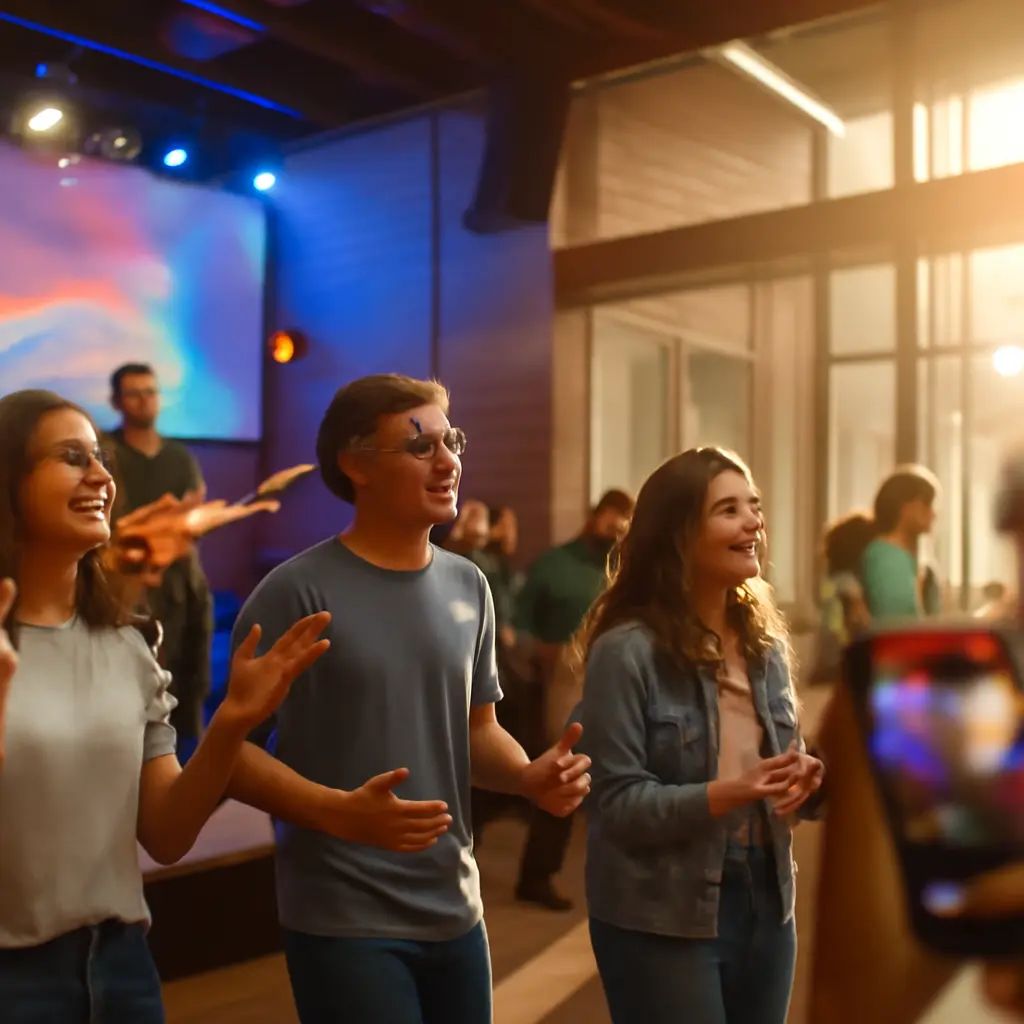
In these spaces, the sanctuary often resembles a concert venue or a TED Talk stage more than a cathedral. This is not merely an aesthetic choice; it is a structural shift in how sacred space is defined. By utilizing professional lighting rigs, LED backdrops, and cinematic camera work, celebrity churches communicate that worship is a premium, contemporary experience. This reshaping suggests that for faith to be valid in a modern context, it must compete with the production quality of secular media.
The Pastor as a Personal Brand
Central to this reshaping is the transition of the pastor from a local shepherd to a global influencer. In the celebrity church model, the pastor’s personal brand—often characterized by high-end fashion, a curated social media presence, and proximity to secular A-listers—serves as the primary marketing vehicle for the church.
This shift has profound implications for worship culture. It centralizes authority in an individual’s charisma rather than a collective tradition or a theological framework. When the "brand" of the pastor is the primary draw, the worship culture becomes inextricably linked to that individual's public persona. This has led to the "PreachersNSneakers" phenomenon, where the material wealth and fashion choices of leaders are scrutinized as much as their sermons, forcing a dialogue about the intersection of prosperity gospel and modern consumerism.
The Digital Transformation of Sacred Rites
Worship culture is no longer confined to a physical building or a specific hour on Sunday. Celebrity churches have pioneered a "phygital" (physical plus digital) approach that has become the industry standard. By 2026, the integration of worship into the daily digital scroll has fundamentally altered how congregants "consume" faith.
- Micro-Sermons and Viral Clips: Long-form teaching is often secondary to the 60-second "reel" or "short." This encourages a worship culture that prizes pithy, relatable wisdom over deep exegetical study.
- Spotify-Driven Liturgy: The music produced by these churches, such as Elevation Worship or Maverick City Music, dominates global Christian charts. The "worship set" is now designed for streaming viability, emphasizing emotional crescendos and catchy hooks that translate well to headphones and car speakers.
- The Instagrammable Moment: Every aspect of the church environment, from the lobby coffee bar to the neon-lit prayer walls, is designed to be shared. This turns the congregant into a micro-influencer for the church, reshaping worship into a form of social currency.
Comparing Traditional and Celebrity Worship Models
To understand the scale of this cultural shift, it is helpful to compare the operational and cultural markers of traditional religious institutions versus the celebrity church model that has gained dominance.
| Feature | Traditional Church Model | Celebrity Church Model (2026) |
|---|---|---|
| Primary Identity | Denominational (Baptist, Methodist, etc.) | Brand-centric and Independent |
| Leadership Style | Committees, Elders, or Diaconate | CEO-style Lead Pastor / Influencer |
| Music Style | Hymnals or Contemporary Liturgy | Commercial-grade Pop/Rock Production |
| Primary Venue | Dedicated Sacred Architecture | Multi-use Theaters or Digital Platforms |
| Community Focus | Local Neighborhood Outreach | Global Digital Reach & High-Profile Events |
| Dress Code | Formal or "Sunday Best" | High-street Fashion and Streetwear |
| Success Metrics | Membership and Sacrament Attendance | Social Media Engagement and Streaming Views |
The Commercialization of the Divine
One of the most significant ways celebrity churches are reshaping worship culture is through the commercialization of faith-based experiences. In these environments, the line between a ministry and a media company is often blurred. Merchandising—ranging from "worship hoodies" to lifestyle books—is not just a revenue stream; it is a way for congregants to signal their belonging to a specific tribe.
This commercialization influences the theological content of the worship itself. To maintain a broad, "celebrity-friendly" appeal, sermons often lean toward motivational speaking and self-actualization rather than traditional concepts of sin, repentance, or suffering. The culture shifts from a "hospital for the soul" to a "gym for the spirit," where the goal of worship is personal optimization and the achievement of a "blessed" life.
The impact of this shift is seen in how other, smaller churches attempt to emulate the "cool" factor. Even rural or smaller suburban congregations now feel the pressure to invest in expensive sound systems or social media managers to avoid appearing obsolete. This creates a cultural homogenization where the diversity of local worship traditions is flattened in favor of a singular, polished "global worship" aesthetic.
Challenges to Accountability and Longevity
The rise of the celebrity church has not been without significant friction. The high-pressure environment required to maintain a global brand often leads to systemic issues that have reshaped the conversation around church health and ethics.
The Problem of "The Stage"
In a celebrity church, the "stage" is the center of gravity. When worship is built around a high-production stage show, the distance between the "performers" (pastors and musicians) and the "audience" (the congregation) grows. This can lead to a lack of meaningful pastoral care, as leaders become inaccessible figures behind security details and VIP green rooms.
Ethical and Financial Scrutiny
As these churches grow in influence and wealth, they face intense public scrutiny regarding their financial transparency and the treatment of volunteers. The "celebrity" element often attracts media outlets that are quick to highlight discrepancies between a church’s message and its internal operations. By 2026, this has led to a more cautious worship culture where some congregations are moving away from the "celebrity pastor" model in favor of "plural leadership" to mitigate the risk of a single point of failure.
Socio-Cultural Impacts on the Next Generation
For Gen Z and Gen Alpha, the celebrity church is often their first or primary exposure to organized religion. This has created a generation that views faith through the lens of creative expression and social activism. These churches often champion social causes—albeit sometimes superficially—to align with the values of their younger demographic.
However, there is also an emerging counter-movement. As worship culture becomes increasingly "polished," a segment of the youth population is seeking "micro-churches" or liturgical "house churches" that offer the intimacy and raw authenticity they feel is missing from the high-production celebrity model. This tension is currently defining the landscape of 2026 religious life: a pull between the reach of the celebrity brand and the depth of local community.
Frequently Asked Questions
Is a celebrity church just a megachurch?
While most celebrity churches are megachurches (having over 2,000 attendees), not all megachurches are celebrity churches. The distinction lies in the cultural focus. A traditional megachurch may be large but remains focused on local community programs. A celebrity church focuses on cultural influence, high-profile associations, and a sophisticated global media presence.
Why do celebrities gravitate toward these specific churches?
Celebrity churches often provide a "low-friction" entry point into faith. They offer high levels of privacy (often through separate entrances or VIP seating) while maintaining a modern aesthetic that doesn't feel culturally alien to someone in the entertainment industry. Furthermore, the emphasis on "come as you are" and positive, motivational messaging is highly appealing to those in high-stress public careers.
Does the celebrity church model prioritize style over substance?
Critiques often suggest that the "style" (music, lighting, fashion) can overshadow the "substance" (theology, service, discipleship). However, proponents argue that the style is merely a "bridge" to reach a modern audience that would otherwise never step foot in a traditional church. The balance between the two varies significantly from one congregation to another.
How have scandals affected the popularity of celebrity churches?
High-profile scandals involving leaders at churches like Hillsong or Mars Hill have led to a "deconstruction" movement. While some churches have closed or rebranded, others have implemented stricter governance and transparency measures. By 2026, the "celebrity" element is being tempered with a greater emphasis on institutional accountability.
Are celebrity churches common outside of the United States?
Yes. The model is a major export, particularly in Australia, Brazil, Nigeria, and parts of Western Europe. The "global worship" sound and aesthetic are standardized across these locations, often through franchises or creative networks, creating a consistent brand experience regardless of the country.
Strategic Recommendation for Church Participation
For individuals navigating the influence of celebrity churches in 2026, the key is to look beneath the production layer. While the music and aesthetics of a celebrity-led church can be deeply inspiring, it is essential to evaluate the church based on its local impact, the accessibility of its leadership, and its commitment to theological depth beyond the "viral" moment. For leaders, the challenge is to use the tools of modern culture (social media, high-end production) without allowing the "brand" to eclipse the core mission of community service and spiritual formation.
Image Gallery