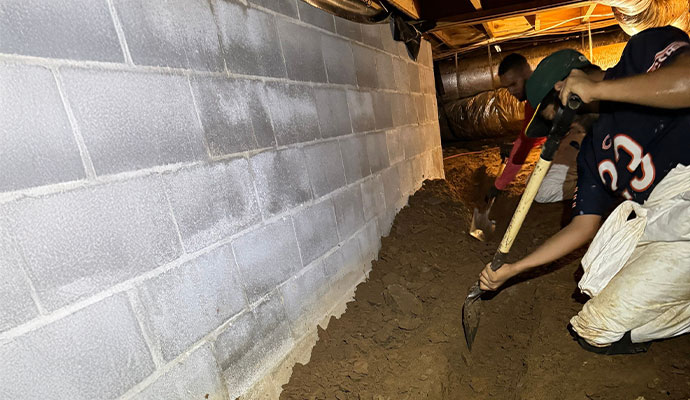
Comprehensive Guide to Quality Foundation and Crawlspace Repair Services in 2026
Quality foundation and crawlspace repair services involve the diagnosis, stabilization, and restoration of a structure's lowest points to ensure long-term stability and moisture control. These services utilize engineered solutions—such...
Quality foundation and crawlspace repair services involve the diagnosis, stabilization, and restoration of a structure's lowest points to ensure long-term stability and moisture control. These services utilize engineered solutions—such as piering, carbon fiber reinforcement, and encapsulation—to resolve issues like soil settlement, hydrostatic pressure, and wood rot, protecting the property's structural integrity and market value.
Contents
The structural integrity of any building depends entirely on the health of its foundation and the environment directly beneath it. As we move through 2026, homeowners and property managers are increasingly recognizing that "quality" in this industry is no longer just about a quick fix for a crack in the concrete. It involves a holistic approach that combines geotechnical engineering, advanced material science, and comprehensive moisture management. Whether dealing with a settling slab in a modern development or a decaying crawlspace in a historic home, professional intervention is essential to prevent catastrophic failure.
Identifying Symptoms of Foundation and Crawlspace Distress
Before engaging professional services, it is critical to understand the indicators that a foundation or crawlspace is failing. Structural issues rarely manifest overnight; they are typically the result of long-term environmental stressors such as expansive clay soils, poor site drainage, or fluctuating water tables.
Common Interior Signs
Inside the living space, the first signs of foundation movement often appear in the finishes. Stair-step cracks in drywall, particularly above door frames and window headers, suggest that one portion of the house is sinking at a different rate than the rest. Doors and windows that suddenly stick or refuse to latch properly are indicative of a frame that has been pulled out of alignment. Furthermore, sloping or "bouncy" floors often point toward issues in the crawlspace, such as rotting support beams or failing joists.
Exterior and Structural Indicators
On the exterior, homeowners should look for cracks in the brickwork or siding. Horizontal cracks in a basement wall are particularly concerning, as they often signal hydrostatic pressure—the force of saturated soil pushing against the foundation. Chimney separation, where the masonry pulls away from the rest of the structure, is another high-priority warning sign. In the crawlspace, the presence of standing water, a persistent musty odor, or visible white efflorescence on masonry walls suggests a breakdown in moisture barriers that requires immediate remediation.
Advanced Foundation Repair Methodologies
In 2026, foundation repair has evolved to utilize more durable, less invasive technologies. The choice of repair method depends on the foundation type (slab, basement, or crawlspace) and the specific cause of the movement.
Steel Piering Systems
For homes experiencing significant settlement, steel piering remains the gold standard. This involves driving high-strength steel columns deep into the earth until they reach stable load-bearing strata or bedrock.
- Push Piers: These use the weight of the structure itself to drive the pier into the ground. They are ideal for heavy residential or commercial buildings.
- Helical Piers: These feature screw-like plates that allow them to be "screwed" into the soil. They are particularly effective for lighter structures or areas with specific soil tension requirements. Once the piers are anchored, the structure can be hydraulically lifted back toward its original level, closing cracks and restoring door functionality.
Carbon Fiber Reinforcement
For basement walls that are bowing inward but have not yet failed, carbon fiber straps offer a high-tech, low-profile solution. These straps are bonded to the interior of the foundation wall using high-strength epoxy. Because carbon fiber is virtually unstretchable and has a higher tensile strength than steel, it effectively counteracts the external pressure from the soil, "locking" the wall in place without the need for intrusive exterior excavation.
Polyurethane Foam Injection
Often referred to as "slabjacking," the injection of high-density geotechnical foam is the preferred method for leveling concrete slabs, driveways, and interior floors. Technicians drill small holes through the concrete and inject a liquid polymer that expands rapidly, filling voids in the soil and lifting the slab with surgical precision. This method is faster and cleaner than traditional "mudjacking" and provides a permanent, lightweight solution that does not add significant weight to the soil.
Crawlspace Restoration and Encapsulation
The crawlspace is frequently the most neglected part of a home, yet it significantly impacts indoor air quality and energy efficiency. Modern quality services focus on encapsulation, which transforms a damp, vented dirt crawlspace into a clean, conditioned environment.
The Encapsulation Process
Encapsulation involves sealing the crawlspace from the external environment. This begins with the installation of a heavy-duty vapor barrier—typically a 12-mil to 20-mil reinforced polyethylene liner—covering the floor and extending up the walls. All seams are taped and sealed to prevent moisture from the earth from entering the space.
Humidity Control and Drainage
A vapor barrier alone is often insufficient. Quality repair services include the installation of a dedicated crawlspace dehumidifier to maintain relative humidity below 50%, which is the threshold for mold growth. Additionally, if the crawlspace is prone to flooding, an internal perimeter drainage system and a sump pump are installed to manage groundwater. This comprehensive approach prevents wood rot in the floor joists and keeps the "stack effect" from pulling mold spores and humid air up into the living areas of the home.
Comparative Overview of Repair Solutions
Selecting the right service requires balancing the severity of the structural issue with the long-term goals for the property. The following table compares the primary methods used in 2026.
| Method | Primary Purpose | Durability | Relative Cost |
|---|---|---|---|
| Steel Push Piers | Addressing deep soil settlement | Permanent (Lifetime) | High |
| Helical Piers | Stabilizing foundations/new builds | Permanent (Lifetime) | High |
| Carbon Fiber Straps | Stabilizing bowing basement walls | Permanent | Moderate |
| Polyurethane Injection | Leveling concrete slabs/floors | Long-term (10-20+ yrs) | Low to Moderate |
| Encapsulation | Moisture control/Air quality | Long-term (Varies by liner) | Moderate |
| Wall Anchors | Correcting severely bowed walls | Permanent | Moderate to High |
Cost Considerations and Value Retention in 2026
The cost of foundation and crawlspace repair is influenced by the extent of the damage, the local cost of materials, and the depth of the stable soil. In 2026, homeowners can expect a range of pricing reflecting these complexities.
- Minor Stabilization: Small cracks or localized slab sinking may cost between $2,500 and $6,000 using polyurethane injection or minor masonry repair.
- Major Piering: For a home requiring 10 to 15 piers to stabilize a sinking corner or side, costs typically range from $12,000 to $25,000.
- Full Encapsulation: A standard crawlspace encapsulation project, including a dehumidifier and drainage, usually falls between $8,000 and $18,000 depending on the square footage and current condition.
While these costs are significant, the return on investment is found in the preservation of the home's value. A documented foundation repair with a transferable warranty is often a requirement for a successful real estate transaction. According to the American Society of Civil Engineers (ASCE), preventative maintenance and early structural intervention can save property owners up to 40% compared to the costs of emergency structural restoration following a partial collapse.
Vetting Quality Service Providers
Not all foundation repair companies are equal. When evaluating providers, it is essential to look for specific hallmarks of quality and professionalism:
- Engineering Oversight: Quality firms often have a licensed Professional Engineer (PE) on staff or as a consultant to review and stamp repair plans, ensuring they meet local building codes.
- Transferable Warranties: Look for "lifetime" warranties that stay with the structure, not the owner. This is a crucial selling point should you decide to move.
- Specialized Equipment: Ensure the company uses calibrated hydraulic equipment and high-grade industrial materials (e.g., galvanized steel to prevent rust).
- Reviews and References: Check the Better Business Bureau (BBB) and recent 2025-2026 customer testimonials to verify the company’s track record for finishing projects on time and honoring warranty claims.
Frequently Asked Questions
How long does a typical foundation repair project take?
Most residential foundation repairs, such as piering or slabjacking, can be completed within 2 to 5 days. Crawlspace encapsulation may take an additional 3 days depending on the size of the space and the amount of debris removal required. These timelines are generally consistent in 2026, though large-scale commercial stabilization may take longer.
Can I live in my house while the foundation is being repaired?
Yes, in almost all cases, homeowners can remain in the residence. The work is primarily performed on the exterior or in the crawlspace/basement. While there may be noise from hydraulic pumps or drilling, the structural lifting process is controlled and safe for occupants.
Will foundation repair close the cracks in my walls?
The primary goal of repair is stabilization. While hydraulic lifting often closes cracks in brickwork and drywall, it is not guaranteed. Soil conditions and the age of the cracks can influence the result. A quality service provider will stabilize the home first, then advise on cosmetic repairs once the structure is secure.
Does homeowners insurance cover foundation or crawlspace repair?
Standard policies typically do not cover foundation repair caused by gradual soil movement, seepage, or settling. However, coverage may apply if the damage was the direct result of a sudden event, such as a plumbing burst or specific types of storm damage. Always consult your insurance agent and the National Association of Insurance Commissioners (NAIC) for guidance on structural claims.
Why is crawlspace encapsulation better than just venting?
Traditional venting was designed to "air out" the crawlspace, but in most climates, this actually introduces humid air in the summer and cold air in the winter. This leads to condensation, mold, and higher energy bills. Encapsulation creates a controlled environment that protects the wood structure and improves the overall efficiency of the home's HVAC system.
Practical Recommendation
If you suspect structural issues, the first step is to schedule a professional evaluation that includes a digital floor elevation survey. Do not wait for cracks to widen or for floors to slope further, as structural instability is progressive. Prioritize companies that offer a comprehensive solution—addressing both the structural stabilization (piers/straps) and the environmental causes (drainage/encapsulation). Investing in quality repair now prevents the exponential increase in costs associated with total foundation failure and ensures your property remains a safe, marketable asset through 2026 and beyond.
Image Gallery