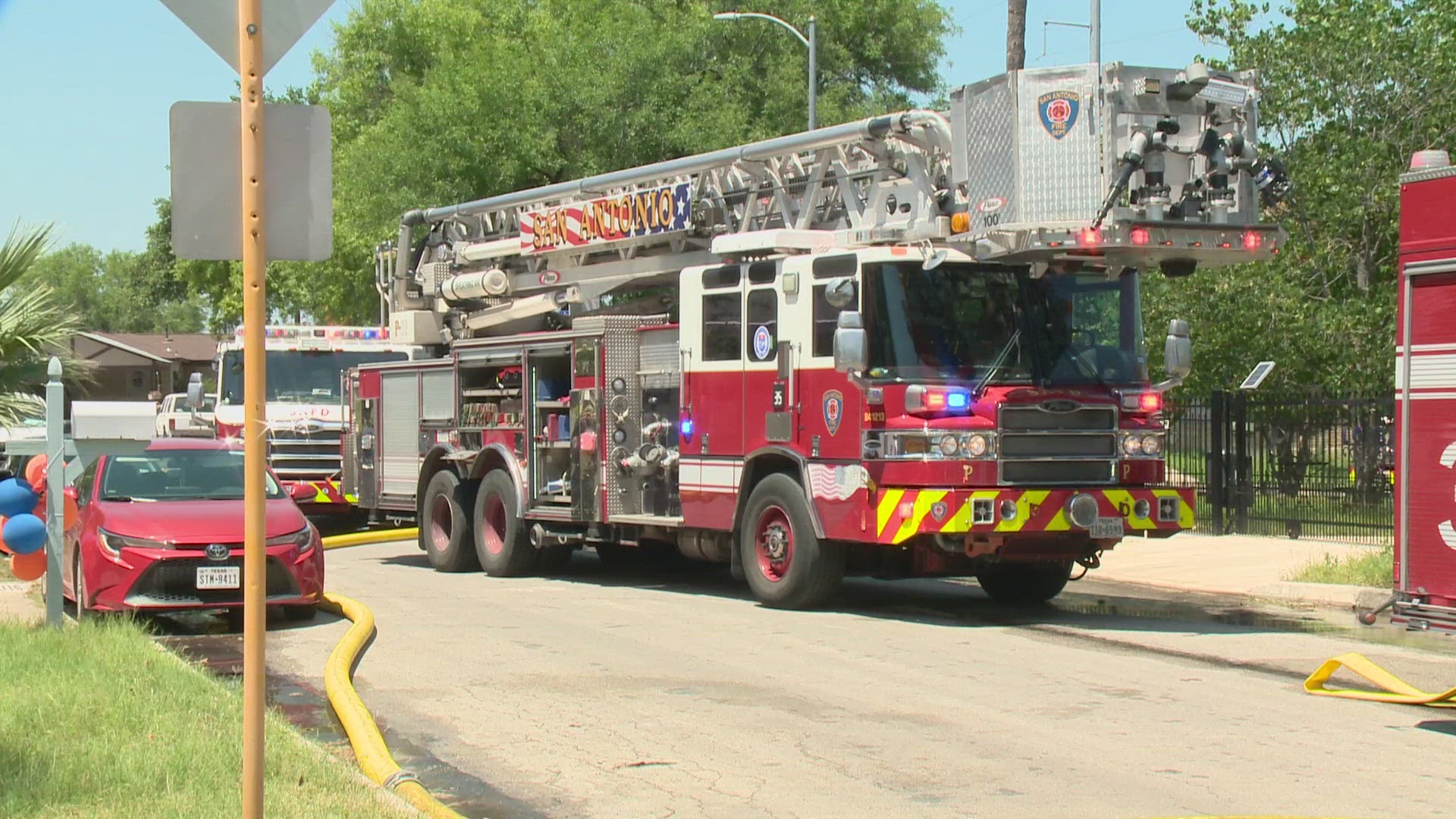
Tracking San Antonio Fire Department Active Calls in 2026
The San Antonio Fire Department (SAFD) provides real-time public access to active emergency incidents through an official digital dashboard. This service allows citizens to monitor ongoing fire, rescue, and medical emergency responses...
The San Antonio Fire Department (SAFD) provides real-time public access to active emergency incidents through an official digital dashboard. This service allows citizens to monitor ongoing fire, rescue, and medical emergency responses throughout the city. By accessing the city's designated public safety portal, users can view incident types, locations, and dispatch timestamps without interfering with emergency operations.
Contents
Understanding the SAFD Public Incident Dashboard
The City of San Antonio maintains a transparent reporting system for emergency services, reflecting a commitment to public safety awareness. In 2026, the SAFD operational protocol utilizes a Computer-Aided Dispatch (CAD) system that filters specific incident data for public consumption. This ensures that privacy standards regarding medical emergencies are upheld while keeping the community informed about significant events, such as structure fires or major traffic accidents, that may affect traffic flow or public safety in specific neighborhoods.
When you view the active calls list, it is essential to understand that the information displayed represents data currently being handled by dispatchers and field units. The system is designed for informational purposes and should not be used as a primary source for emergency alerts. For life-threatening emergencies, citizens must always dial 9-1-1 immediately rather than relying on digital updates.
Interpreting Incident Data and Response Types
The SAFD classifies calls based on the nature of the emergency and the resources required for mitigation. Recognizing these categories helps residents understand the scale of the response they may be witnessing in their local area.
Common Incident Classifications
- Structure Fires: These involve residential or commercial buildings. These calls typically trigger a multi-unit response to ensure sufficient personnel for fire suppression and search-and-rescue operations.
- Medical Emergencies: This is the most frequent category. The SAFD operates as an Emergency Medical Service (EMS) first responder. These calls may involve private residential locations or public spaces.
- Traffic Accidents: These often require heavy rescue equipment, particularly if there is a potential for entrapment or hazardous material spills.
- Hazardous Materials (HazMat): Incidents involving chemical spills or gas leaks require specialized containment teams.
Dispatch and Operational Workflow
The CAD system processes calls using a tiered priority system. Priority 1 calls, such as active fires or cardiac arrests, are dispatched with the highest urgency, utilizing lights and sirens. Priority 3 or 4 calls, which may involve minor medical issues, are prioritized based on current departmental volume and resource availability.
Important Operational Note
The data presented on the public dashboard is near-real-time but typically includes a slight delay for processing. The timestamps reflect when the incident was created in the CAD system, not necessarily the moment an engine arrived on the scene. Furthermore, the dashboard may exclude sensitive incidents where public disclosure could compromise the security of victims or the privacy of sensitive locations.
Technical Specifications of Public Safety Data Access
As of 2026, the City of San Antonio’s data architecture ensures that the SAFD active calls feed remains stable during high-traffic events. The integration between the dispatch center and the web portal is automated, minimizing the risk of manual input errors. Residents interested in long-term trends or historical incident analysis can also access the City of San Antonio Open Data portal, which archives sanitized incident reports for research and planning purposes.
Comparison of Real-Time vs. Historical Data Reporting
| Data Type | Frequency | Primary Utility | Privacy Level |
|---|---|---|---|
| Active Calls Dashboard | Near Real-Time | Situational Awareness | High (Addresses masked) |
| Open Data Portal | Weekly/Monthly | Research and Planning | Aggregated/Anonymized |
| Social Media Alerts | As Needed | Public Safety Warnings | General Information |
Navigating Local Fire Safety and Emergency Resources
Beyond monitoring active calls, residents of San Antonio should be familiar with the resources provided by the SAFD to ensure home and community safety. The department places a high emphasis on fire prevention, offering programs that mitigate the risk of needing emergency services in the first place.
Fire Prevention and Community Resources
- Smoke Alarm Program: The SAFD offers assistance in installing smoke detectors for vulnerable residents.
- Safety Education: The department conducts outreach programs in public schools and community centers regarding fire evacuation plans.
- Burn Bans: During drought conditions or high-risk periods in 2026, the department will post official burn ban notifications on the city website, which should be monitored alongside active call logs during fire-prone seasons.
Frequently Asked Questions
Can I use the active calls list to report an emergency? No, the active calls list is for viewing existing emergencies only. If you are witnessing an emergency, you must dial 9-1-1 to speak with a dispatcher who can collect precise location data and deploy the necessary resources.
Why is a specific address listed only as a block or intersection? To protect the privacy of citizens in their homes and comply with federal and state health data regulations, the SAFD typically truncates exact street addresses in public-facing logs, displaying only the hundred-block or the nearest cross-street.
Does the SAFD dashboard include police department activity? No, the SAFD dashboard is strictly for fire and EMS incidents. The San Antonio Police Department (SAPD) operates a separate system for tracking police-related calls for service, often found on their dedicated departmental portal.
What should I do if I see an active call near my home? Remain clear of the area. Emergency vehicles require significant space to maneuver, and the presence of bystanders can delay life-saving operations. If the incident is a fire, ensure your own property is secured and stay informed via official city social media channels.
Is there a mobile application for these updates? While the city provides a mobile-responsive website that works on all modern smartphones in 2026, the most reliable and direct information is always found on the official City of San Antonio web portal rather than third-party aggregator apps which may have latency or accuracy issues.
Why does a call disappear from the list so quickly? Calls are cleared from the "active" display once the last responding unit has returned to service. If a call disappears, it simply means that the immediate emergency has been stabilized and the SAFD units are no longer actively engaged at that specific scene.
Recommendations for Public Safety Awareness
For residents wishing to stay informed, the most effective strategy is to combine the use of the official SAFD active calls portal with local news sources and the official City of San Antonio emergency notification system. Ensure your contact information is updated in the regional reverse-911 system, which provides direct alerts during large-scale incidents such as wildfires or severe weather events. By relying on official channels, you avoid the misinformation often found on unverified social media monitors, ensuring that your perception of public safety in the city remains accurate and grounded in verified data.
Image Gallery