2015 Ford F-150 3.5 EcoBoost Horsepower Explained
The 2015 Ford F-150 equipped with the 3.5L EcoBoost V6 engine delivers 365 horsepower at 5,000 rpm and 420 lb-ft of torque at 2,500 rpm. As the premium engine choice for the 2015 model year, it utilizes twin turbochargers and direct fu...
The 2015 Ford F-150 equipped with the 3.5L EcoBoost V6 engine delivers 365 horsepower at 5,000 rpm and 420 lb-ft of torque at 2,500 rpm. As the premium engine choice for the 2015 model year, it utilizes twin turbochargers and direct fuel injection to provide the towing capability of a large-displacement V8 with the efficiency of a smaller six-cylinder engine.
Contents
The Architecture of the 2015 3.5L EcoBoost Engine
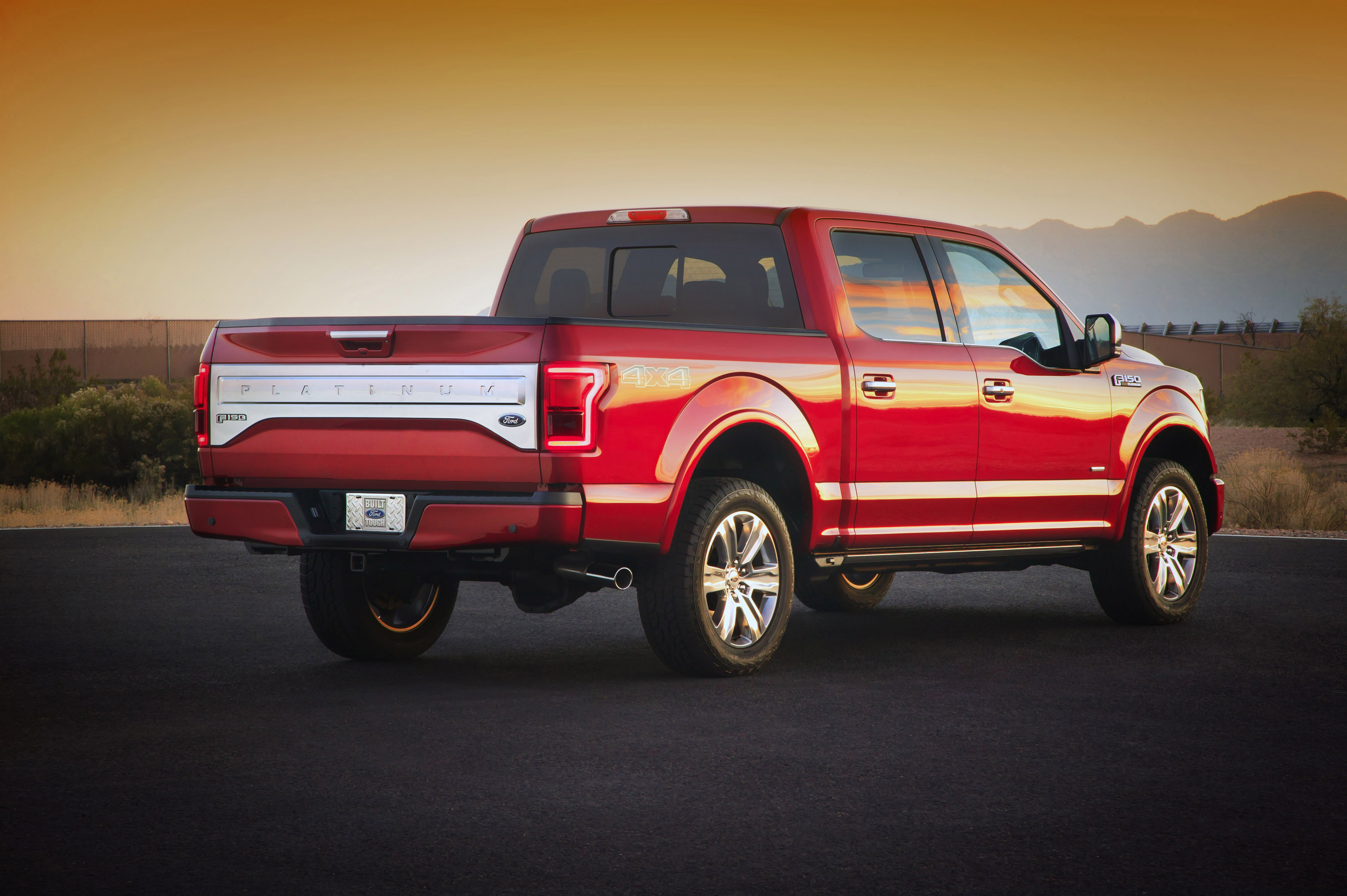
To understand the horsepower of the 2015 Ford F-150 3.5L EcoBoost, one must first look at the technology that makes these figures possible. In 2015, Ford was in the first year of its 13th-generation F-150, which famously introduced an all-aluminum body. This massive reduction in curb weight—roughly 700 pounds—allowed the 3.5L EcoBoost's 365 horsepower to feel significantly more potent than it did in the 2014 models.
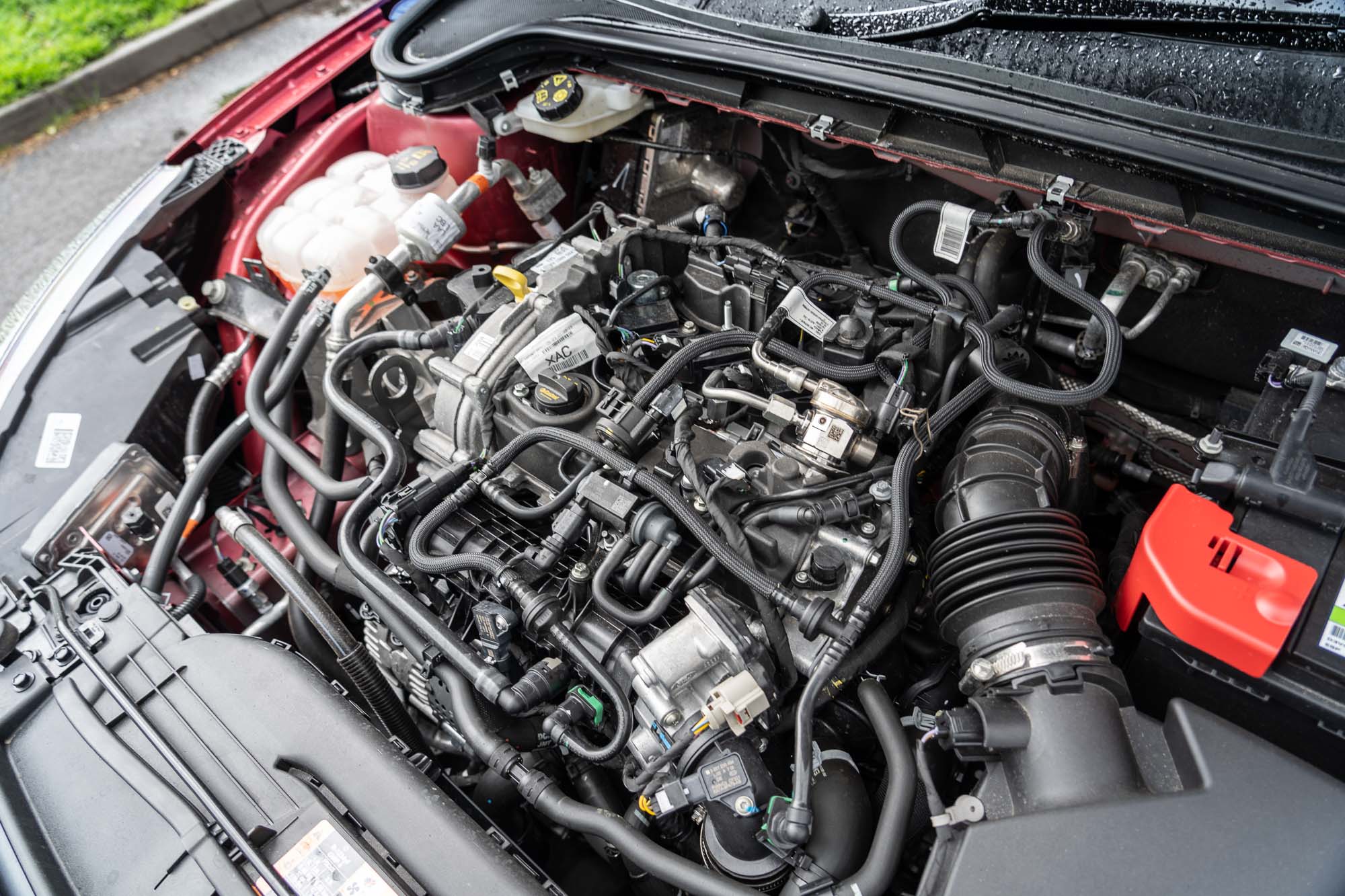
The engine itself is a 60-degree V6 with a die-cast aluminum engine block and aluminum cylinder heads. It features a dual overhead cam (DOHC) design with four valves per cylinder and Twin Independent Variable Camshaft Timing (Ti-VCT). This system allows the engine to optimize valve opening and closing events for either maximum power or maximum fuel efficiency depending on the driver's throttle input.
Twin Turbocharging and Direct Injection
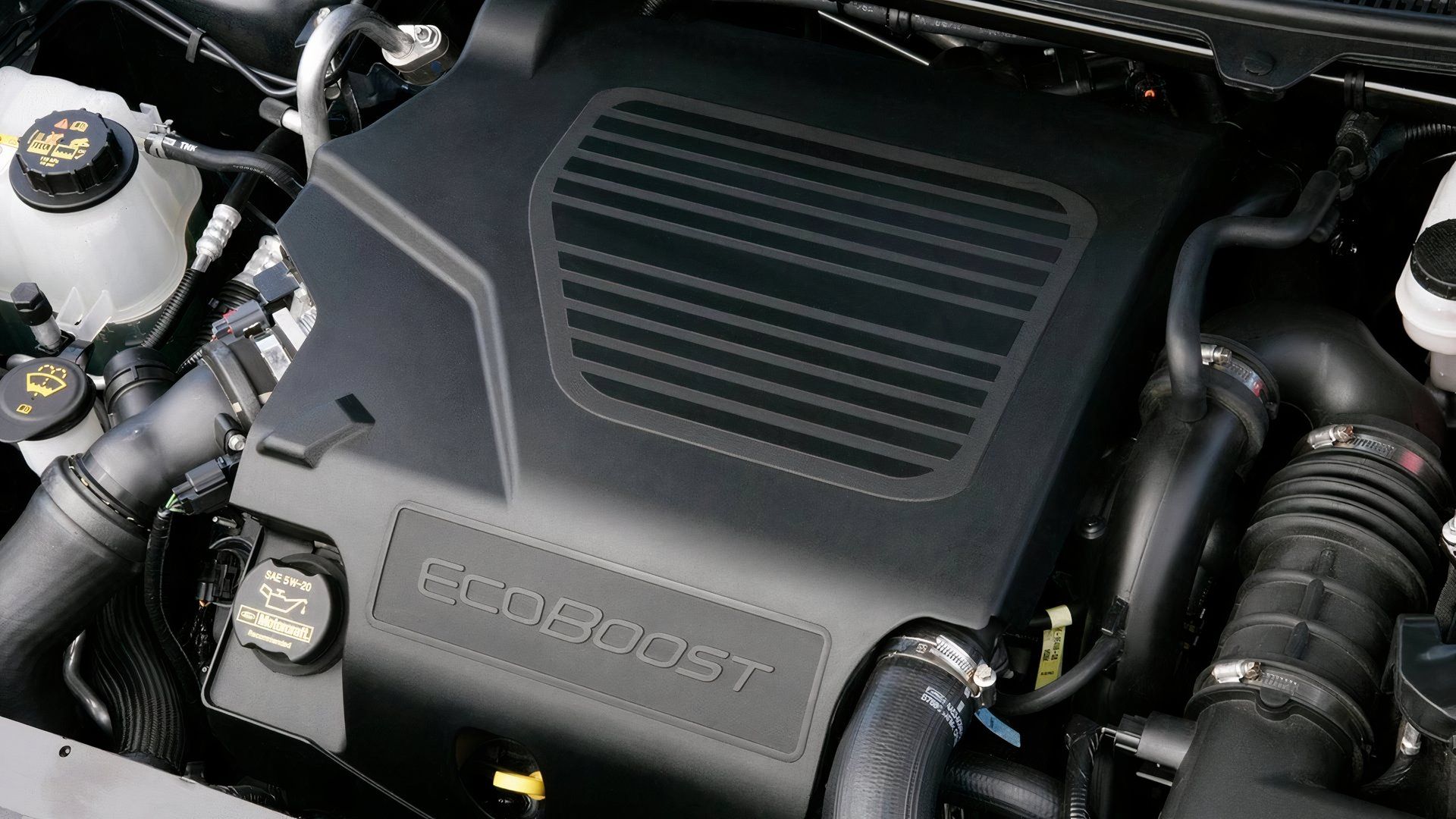
The "EcoBoost" name signifies the marriage of two distinct technologies: turbocharging and direct fuel injection. The 2015 3.5L model uses two small, fast-spooling BorgWarner turbos arranged in parallel—one for each cylinder bank. By using two smaller turbos instead of one large one, Ford engineers minimized "turbo lag," ensuring that the engine provides a linear power delivery similar to a naturally aspirated engine.
Direct injection plays a critical role in cooling the air-fuel mixture within the combustion chamber. By spraying fuel at high pressure directly into the cylinder, the engine can run a higher compression ratio (10.0:1) without the risk of "knocking" or pre-detonation. This cooling effect is what allows the engine to utilize high boost pressures from the turbos to reach 365 horsepower from a relatively small 3.5-liter displacement.
Horsepower vs. Torque: Why the Numbers Matter
While the 365 horsepower figure is impressive for a 2015 half-ton truck, the 420 lb-ft of torque is the actual standout specification. Horsepower determines how much work is being done over time (top speed and acceleration at high RPM), but torque is the "grunt" that gets a heavy trailer moving from a standstill.
In a traditional V8 engine, peak torque often arrives late in the RPM range, usually between 4,000 and 4,500 rpm. The 2015 3.5L EcoBoost, however, achieves its peak torque of 420 lb-ft at just 2,500 rpm. This "flat" torque curve means the driver has access to maximum pulling power almost immediately. In practical terms, this allows the 2015 F-150 to maintain highway speeds while towing up steep grades without the transmission needing to downshift aggressively to find power.
The Impact of the 2015 Aluminum Body on Performance
The horsepower of the 2015 3.5L EcoBoost must be viewed through the lens of the truck's weight. Because the 2015 F-150 was roughly 700 pounds lighter than its 2014 predecessor, the power-to-weight ratio shifted dramatically in the driver’s favor.
When an engine produces 365 horsepower in a 5,500-pound truck, it performs differently than the same 365 horsepower in a 4,800-pound truck. For the 2015 model year, this translated to:
- Faster 0-60 MPH Times: The 2015 3.5L EcoBoost could sprint to 60 mph in roughly 5.6 to 5.8 seconds, depending on the cab configuration and axle ratio.
- Increased Payload: By saving weight in the chassis and body, Ford was able to "reinvest" that capacity into higher payload and towing ratings.
- Improved Braking and Handling: With less mass to move, the 365 horsepower doesn't just make the truck go faster; it makes it easier to control under load.
Comparison with Other 2015 F-150 Engines
To appreciate where the 3.5L EcoBoost sits in the 2015 lineup, it is helpful to compare it to the three other available engine options. While the 5.0L V8 technically had more peak horsepower, it lacked the low-end torque of the EcoBoost.
| Engine Option | Horsepower | Torque | Primary Use Case |
|---|---|---|---|
| 3.5L EcoBoost V6 | 365 hp | 420 lb-ft | Heavy towing and high-altitude performance. |
| 5.0L Ti-VCT V8 | 385 hp | 387 lb-ft | Traditionalists, snow plowing, and high-RPM power. |
| 2.7L EcoBoost V6 | 325 hp | 375 lb-ft | Daily driving and light-to-midrange towing. |
| 3.5L Ti-VCT V6 | 282 hp | 253 hp | Fleet use and light-duty work. |
The 5.0L V8 was the only engine in the 2015 lineup to exceed the 3.5L EcoBoost in horsepower (by 20 hp), but it fell short by 33 lb-ft of torque. Furthermore, because the EcoBoost is turbocharged, it maintains its 365 horsepower much better at high altitudes (such as driving through mountain passes) where naturally aspirated engines like the V8 lose roughly 3% of their power for every 1,000 feet of elevation.
Real-World Towing and Payload Capabilities
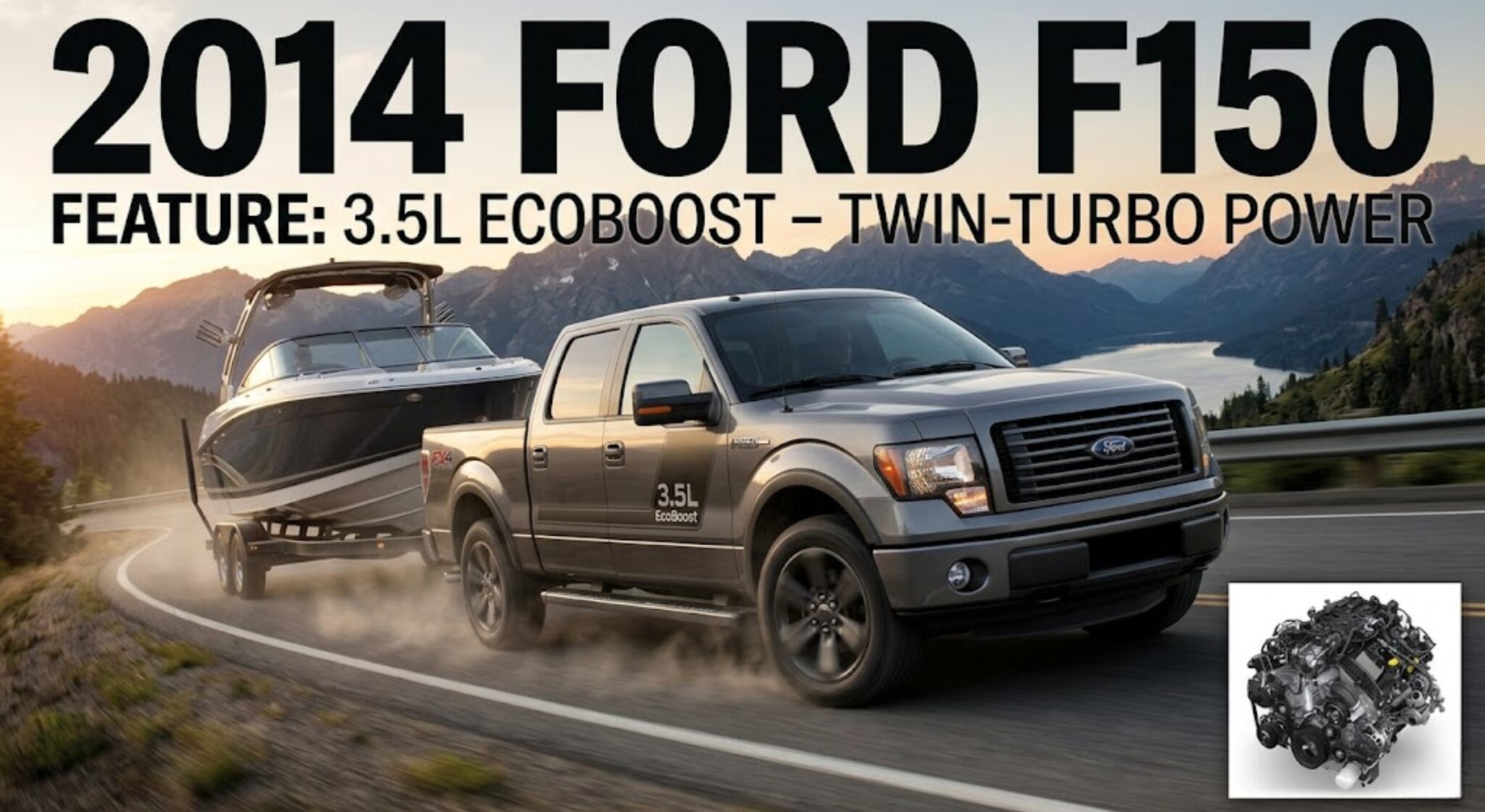
In 2015, the 3.5L EcoBoost was the engine required to reach the F-150's maximum towing capacity. When properly equipped with the Max Trailer Tow Package and the correct rear axle ratio (typically 3.55 or 3.73), a 2015 F-150 with this engine could tow up to 12,200 pounds.
The 365 horsepower is more than sufficient for maintaining 65 mph on most interstate grades with a 10,000-pound trailer. However, drivers should be aware that utilizing the full horsepower of a turbocharged engine under heavy load will significantly impact fuel economy. While the EPA rated the 2015 3.5L EcoBoost at approximately 17 city / 24 highway MPG for 2WD models, those numbers can drop into the single digits when the turbos are constantly spooling to maintain horsepower during a heavy tow.
Technical Specifications and Maintenance in 2026
As we look at the 2015 Ford F-150 from the perspective of 2026, these trucks are now 11 years old. While the horsepower remains the same on paper, maintaining that performance requires attention to specific areas of the EcoBoost architecture.
Turbocharger Health
The twin turbos are cooled by both oil and engine coolant. Over time, the oil feed lines can develop leaks or become clogged with carbon deposits if oil changes were neglected. To ensure you are still getting the full 365 horsepower, it is vital to inspect the turbochargers for "shaft play" and ensure the wastegates are functioning correctly.
Spark Plugs and Ignition Coils
Turbocharged engines are notoriously hard on spark plugs. The 3.5L EcoBoost is sensitive to the spark plug gap. If the gap becomes too wide due to wear, the high pressure in the cylinder (boost) can actually "blow out" the spark, leading to misfires under heavy acceleration. Owners usually find that replacing plugs every 30,000 to 50,000 miles is necessary to maintain peak horsepower.
Carbon Buildup
Because the 2015 3.5L EcoBoost is a first-generation direct-injection engine, it does not have port injectors to "wash" the intake valves with gasoline. Over high mileage, carbon can build up on the back of the intake valves, slightly restricting airflow and reducing horsepower. In 2026, many owners of these trucks opt for professional walnut blasting or specialized intake cleaners to restore lost performance.
Modifying for More Horsepower
For those who find 365 horsepower insufficient, the 2015 3.5L EcoBoost is highly receptive to aftermarket modifications. Because the engine is computer-controlled and turbocharged, significant gains can be made without opening the engine block.
- ECU Tuning: An aftermarket "tune" can adjust boost pressure, ignition timing, and air-fuel ratios. It is common for a simple 93-octane tune to push the 2015 EcoBoost past 400 horsepower and 500 lb-ft of torque.
- Cold Air Intake and Exhaust: While the stock 2015 system is relatively efficient, freer-flowing intake and exhaust components can help the turbos spool faster and reduce backpressure.
- Upgraded Intercooler: The stock intercooler can suffer from "heat soak" during repeated heavy acceleration or long climbs. An upgraded intercooler keeps the intake air charge cooler, allowing the engine to maintain its 365 horsepower consistently even in hot weather.
Frequently Asked Questions
Does the 2015 3.5 EcoBoost require premium gas to hit 365 hp?
Ford's official horsepower ratings for the 2015 3.5L EcoBoost are achieved using 93-octane premium fuel. While the truck will run safely on 87-octane regular gasoline thanks to its knock sensors, the ECU will retard timing slightly to prevent detonation, resulting in a minor loss of horsepower and torque, particularly in hot weather or under load.
Is the 2015 3.5L EcoBoost more powerful than the 5.0L V8?
In terms of towing and low-end grunt, yes. The EcoBoost has 33 lb-ft more torque and reaches that torque much earlier in the RPM range. However, the 5.0L V8 has 20 more peak horsepower (385 hp vs 365 hp). The EcoBoost is generally considered the "faster" truck in real-world driving because of its broader power band.
What are the common signs of horsepower loss in this engine?
The most common signs are "stuttering" under hard acceleration (usually spark plug/ignition coil related), a noticeable whistling or hissing sound (indicating a boost leak), or a "limp mode" warning on the dashboard. If the truck feels sluggish, checking for stored OBD-II codes related to underboost or misfires is the first step.
How long does the 3.5L EcoBoost engine last?
With proper maintenance—specifically frequent oil changes using high-quality synthetic oil—the 3.5L EcoBoost is known to last well beyond 200,000 miles. The main longevity concerns for the 2015 model year involve the timing chain and cam phasers, which can wear out and cause a "rattle" on cold starts.
Is the 2015 3.5L EcoBoost a "Gen 2" engine?
No. The 2015 model uses the Generation 1 EcoBoost. The Generation 2 engine, which added port fuel injection and increased torque to 470 lb-ft, did not arrive in the F-150 until the 2017 model year.
Final Recommendation for Owners and Buyers
In 2026, the 2015 Ford F-150 3.5L EcoBoost remains a highly capable vehicle. Its 365 horsepower and 420 lb-ft of torque are still competitive with many modern trucks. If you are buying a used 2015 model, prioritize service records that show oil changes every 5,000 miles and check for any signs of turbocharger wear or timing chain rattle. For current owners, ensuring the ignition system is in top shape and the intake valves are clean will guarantee that your truck continues to deliver the power it was engineered for over a decade ago.
Image Gallery