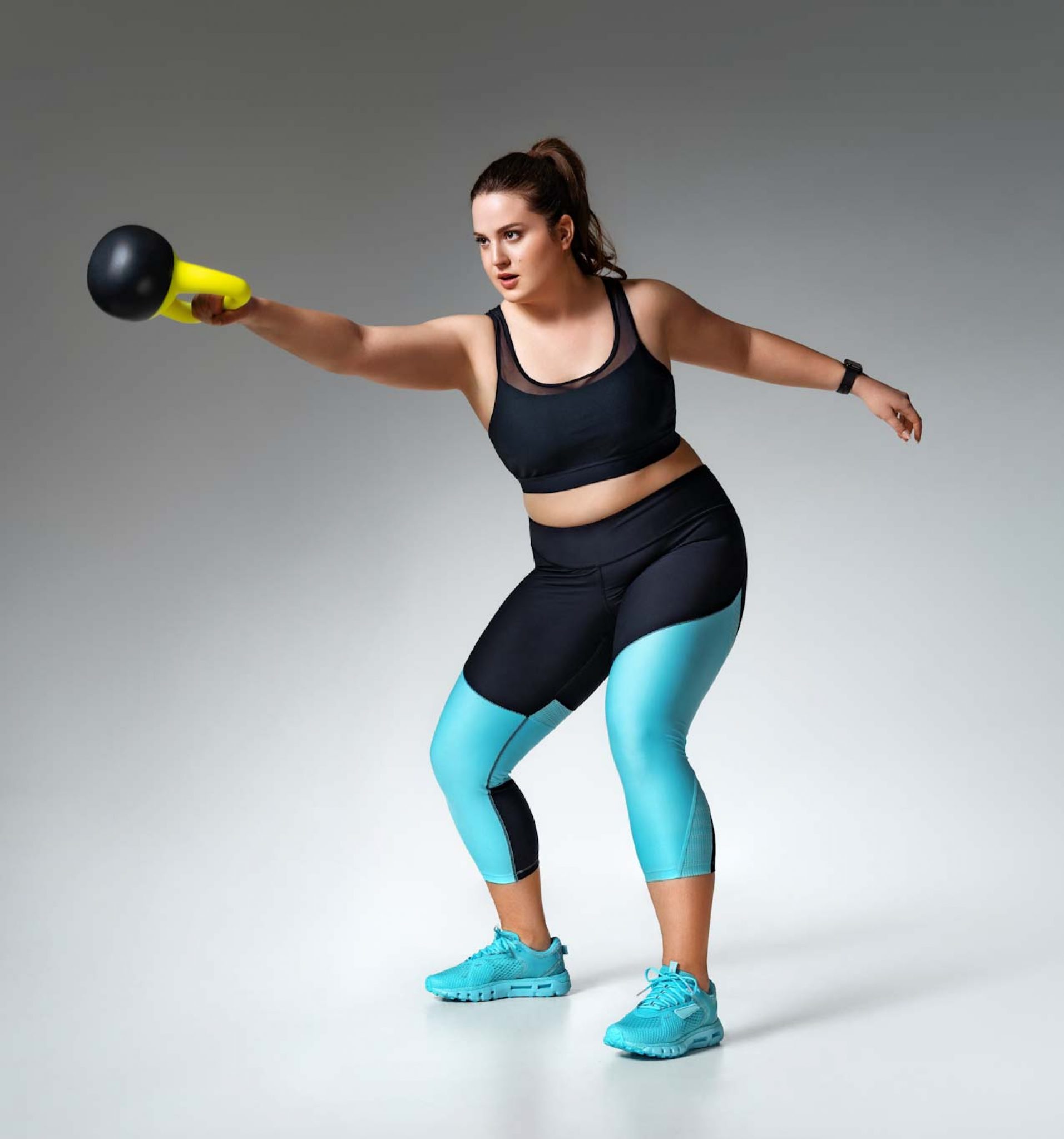
The Most Effective Gym Workouts to Burn Belly Fat in 2026: A Science-Based Guide
To burn belly fat at the gym, you must combine high-intensity resistance training with metabolic conditioning to create a systemic caloric deficit. While you cannot "spot reduce" fat from the abdomen, compound movements like squats and...
To burn belly fat at the gym, you must combine high-intensity resistance training with metabolic conditioning to create a systemic caloric deficit. While you cannot "spot reduce" fat from the abdomen, compound movements like squats and deadlifts, paired with High-Intensity Interval Training (HIIT), maximize calorie expenditure and hormonal responses that prioritize fat oxidation across the entire body.
Contents
The quest to reduce abdominal adiposity—commonly known as belly fat—remains one of the most frequent goals for gym-goers in 2026. However, the approach has evolved. We now understand that long hours of low-intensity cardio are often less effective than strategic, high-output sessions that spike the metabolism. This guide explores the physiology of fat loss and provides a comprehensive blueprint for utilizing gym equipment to achieve a leaner midsection.
Medical Disclaimer: Before beginning any high-intensity exercise program, consult with a healthcare professional or a certified fitness trainer, especially if you have pre-existing cardiovascular or orthopedic conditions.
The Physiology of Fat Loss: Why Crunches Aren't Enough
The most persistent myth in fitness is "spot reduction"—the idea that exercising a specific muscle will burn the fat covering it. Scientifically, fat loss occurs through lipolysis, where triglycerides are broken down into fatty acids to be used as fuel. This process is systemic, not localized. When you perform 500 crunches, you strengthen the rectus abdominis, but you do little to mobilize the subcutaneous fat sitting on top of it.
To lose belly fat, you must address two types of adipose tissue:
- Subcutaneous Fat: The pinchable fat located directly under the skin.
- Visceral Fat: The deeper, more dangerous fat stored around internal organs.
Fortunately, visceral fat is metabolically active and highly responsive to high-intensity exercise and a caloric deficit. The workouts that work best are those that recruit the most muscle mass, leading to a higher Excess Post-exercise Oxygen Consumption (EPOC) effect. This "afterburn" allows your body to continue burning calories at an elevated rate for hours after you leave the gym.
Compound Resistance Training: The Metabolic Engine
Strength training is the foundation of fat loss. Muscle tissue is more metabolically active than fat tissue; the more lean mass you carry, the higher your basal metabolic rate (BMR). In the gym, your focus should be on compound movements—exercises that involve multiple joints and muscle groups.
The Power of the Big Five
To maximize belly fat loss, prioritize these movements in your routine:
- Back Squats: Squats recruit the quadriceps, hamstrings, glutes, and the entire core. The systemic demand of a heavy squat session triggers the release of growth hormone, which aids in fat mobilization.
- Deadlifts: Often called the king of exercises, deadlifts engage the entire posterior chain. The sheer amount of energy required to lift heavy weight from the floor makes this an elite calorie-burner.
- Overhead Press: Standing presses require immense core stabilization, forcing the abdominal muscles to work hard while the shoulders and triceps drive the weight.
- Bent-Over Rows: These build the back and biceps while requiring a strong "hinge" position that torches calories through isometric core hold.
- Chest Press: Using dumbbells or a barbell engages the pectorals, deltoids, and triceps, contributing to total-body energy expenditure.
By performing these exercises in a "hypertrophy" range (8–12 repetitions) with 60–90 seconds of rest, you create enough metabolic stress to stimulate fat loss while preserving the muscle that gives your physique definition.
High-Intensity Interval Training (HIIT) at the Gym
In 2026, HIIT remains a gold standard for time-efficient fat loss. HIIT involves short bursts of near-maximal effort followed by brief recovery periods. This method has been shown to be significantly more effective at reducing visceral belly fat than steady-state cardio of a similar or even longer duration.
Effective Gym HIIT Modalities
The gym provides various tools to execute HIIT effectively:
- The Rowing Machine: Indoor rowing is a full-body workout. A common HIIT protocol is 30 seconds of maximal-effort rowing followed by 60 seconds of light paddling. Repeat for 15–20 minutes.
- Assault/Air Bikes: These bikes use a fan for resistance. The harder you pedal and push the handles, the harder it gets. These are excellent for "sprint" intervals because there is no motor to wait for.
- Incline Sprints: Using a treadmill at a 10–12% grade, perform 20-second sprints followed by 40 seconds of walking. The incline increases the metabolic demand while reducing the impact on your joints compared to flat-ground sprinting.
The primary benefit of HIIT is its impact on insulin sensitivity. Improved insulin sensitivity allows your body to better manage blood glucose and reduces the likelihood of fat storage in the abdominal region.
Metabolic Resistance Training (MRT)
Metabolic Resistance Training (MRT) combines the muscle-building benefits of weightlifting with the cardiovascular demands of HIIT. This is typically done through circuits or supersets with minimal rest.
For example, a "fat-burning circuit" might involve:
- Kettlebell Swings (30 seconds)
- Goblet Squats (12 reps)
- Push-ups (to failure)
- Mountain Climbers (30 seconds)
- Rest (60 seconds)
This approach keeps the heart rate elevated throughout the session, turning a standard weightlifting routine into a potent cardiovascular challenge. MRT is particularly effective for those who find traditional cardio boring but want the fat-burning benefits of a high-heart-rate workout.
Comparison of Gym Workouts for Fat Loss
| Workout Type | Primary Mechanism | Calorie Burn Intensity | Skill Level | Core Engagement |
|---|---|---|---|---|
| Heavy Strength | Basal Metabolic Rate Increase | Moderate | Intermediate | High (Stabilization) |
| HIIT (Sprints/Rower) | EPOC & Insulin Sensitivity | Very High | All Levels | Moderate |
| MRT (Circuits) | High Heart Rate & Hypertrophy | High | Intermediate | High (Dynamic) |
| LISS (Incline Walk) | Direct Fat Oxidation | Low-Moderate | Beginner | Low |
| Core Isolation | Muscle Hypertrophy | Low | Beginner | Very High |
The Role of LISS: Low-Intensity Steady State
While high intensity is vital, Low-Intensity Steady State (LISS) cardio should not be ignored. LISS involves maintaining a consistent, moderate heart rate (usually 60–70% of your maximum) for 45–60 minutes.
The benefit of LISS is that it primarily uses fat as its fuel source during the activity, whereas high-intensity work relies more on glycogen (stored carbohydrates). In a well-rounded 2026 fitness program, LISS is best used on recovery days or as a "finisher" after a weightlifting session. Walking on a treadmill at a steep incline (the "12-3-30" method—12% incline, 3 mph, for 30 minutes) is an effective gym-based LISS strategy that targets fat without overtaxing the central nervous system.
Designing Your Weekly Gym Schedule
Consistency is the most critical variable in burning belly fat. A scattered approach leads to stagnant results. A structured 4-day split might look like the following:
- Monday: Upper Body Compound + HIIT Finisher. Focus on presses and rows. End with 10 minutes of rowing intervals.
- Tuesday: Lower Body Compound + Core. Focus on squats and lunges. Add 10 minutes of planks and hanging leg raises.
- Wednesday: Active Recovery. 45 minutes of LISS (Incline walking or elliptical).
- Thursday: Full Body MRT. 4–5 rounds of a multi-exercise circuit with minimal rest.
- Friday: Compound Power + Sprints. Focus on deadlifts. End with 10 treadmill sprints.
- Weekend: Outdoor activity or rest.
Common Mistakes in the Gym
Even with the right exercises, certain pitfalls can stall your progress:
- Neglecting Progressive Overload: If you lift the same weights every week, your metabolism will adapt. You must gradually increase the weight, reps, or intensity to keep burning fat.
- Overestimating Caloric Burn: Fitness trackers often overestimate calories burned during a workout. Do not use exercise as a license to overeat.
- Poor Form on Compound Lifts: To burn fat, you need to lift heavy enough to challenge the body. Poor form leads to injury, which halts all progress.
- Lack of Sleep: Cortisol, the stress hormone, is closely linked to belly fat storage. High-intensity gym sessions are stressors; without adequate sleep, your body may hold onto fat despite your hard work.
Frequently Asked Questions
Can I lose belly fat by only doing cardio?
While cardio helps create a caloric deficit, relying solely on it often leads to muscle loss. When you lose muscle, your BMR drops, making it harder to keep the fat off long-term. Integrating resistance training ensures that the weight you lose comes from fat stores, not lean tissue.
How often should I train my abs to see results?
You can train your core 2–4 times a week, but remember that visible abs are the result of a low body fat percentage. Exercises like planks and leg raises build the muscle "pop," but the gym workouts mentioned above (HIIT and Compound lifts) are what remove the fat covering them.
Is the "fat-burning zone" on gym machines real?
The "fat-burning zone" refers to a lower heart rate where a higher percentage of calories comes from fat. However, high-intensity workouts burn more total calories and create a much larger metabolic disturbance (EPOC), leading to more total fat loss over a 24-hour period.
Should I do cardio before or after weights?
For fat loss, it is generally better to perform weights first. This allows you to use your glycogen stores for heavy lifting. Doing cardio afterward ensures that you are tapping into fat stores for energy once your primary carbohydrate sources are depleted.
Why is my belly fat the last to go?
Fat distribution is largely genetic and hormonal. For many people, particularly men, the lower abdomen is the last place the body "releases" fat. This is often due to a higher density of alpha-receptors in those fat cells, which are slower to respond to lipolysis signals. Persistence is key.
Final Recommendation
To effectively burn belly fat at the gym in 2026, move away from the "ab-crunch" mentality and embrace High-Intensity Resistance Training. Focus on mastering the big compound movements—squats, deadlifts, and presses—to build a metabolically active body. Supplement these sessions with 2–3 HIIT workouts per week on the rower or treadmill to maximize caloric afterburn. Finally, ensure your nutrition supports a deficit, as no amount of gym time can overcome a caloric surplus. Start by tracking your lifts and gradually increasing the intensity every two weeks to ensure continuous progress.
Image Gallery