Navigating the Shasta County Superior Court System in 2026
Navigating the Shasta County Superior Court system requires understanding specific local procedures, jurisdictional boundaries, and administrative divisions. Located in Redding, California, the court handles civil, criminal, family, pr...
Navigating the Shasta County Superior Court system requires understanding specific local procedures, jurisdictional boundaries, and administrative divisions. Located in Redding, California, the court handles civil, criminal, family, probate, and traffic matters, serving residents across Northern California with designated filing windows, digital self-help resources, and mandatory local court rules.
Contents
Understanding the Shasta County Superior Court Structure
The Shasta County Superior Court operates as part of the California judicial branch, functioning as the sole trial court within Shasta County. Understanding its structural division is essential for filing documents, scheduling hearings, and tracking active litigation. The court is divided into specialized departments, each handling distinct types of legal proceedings under California state law and local rules of court.
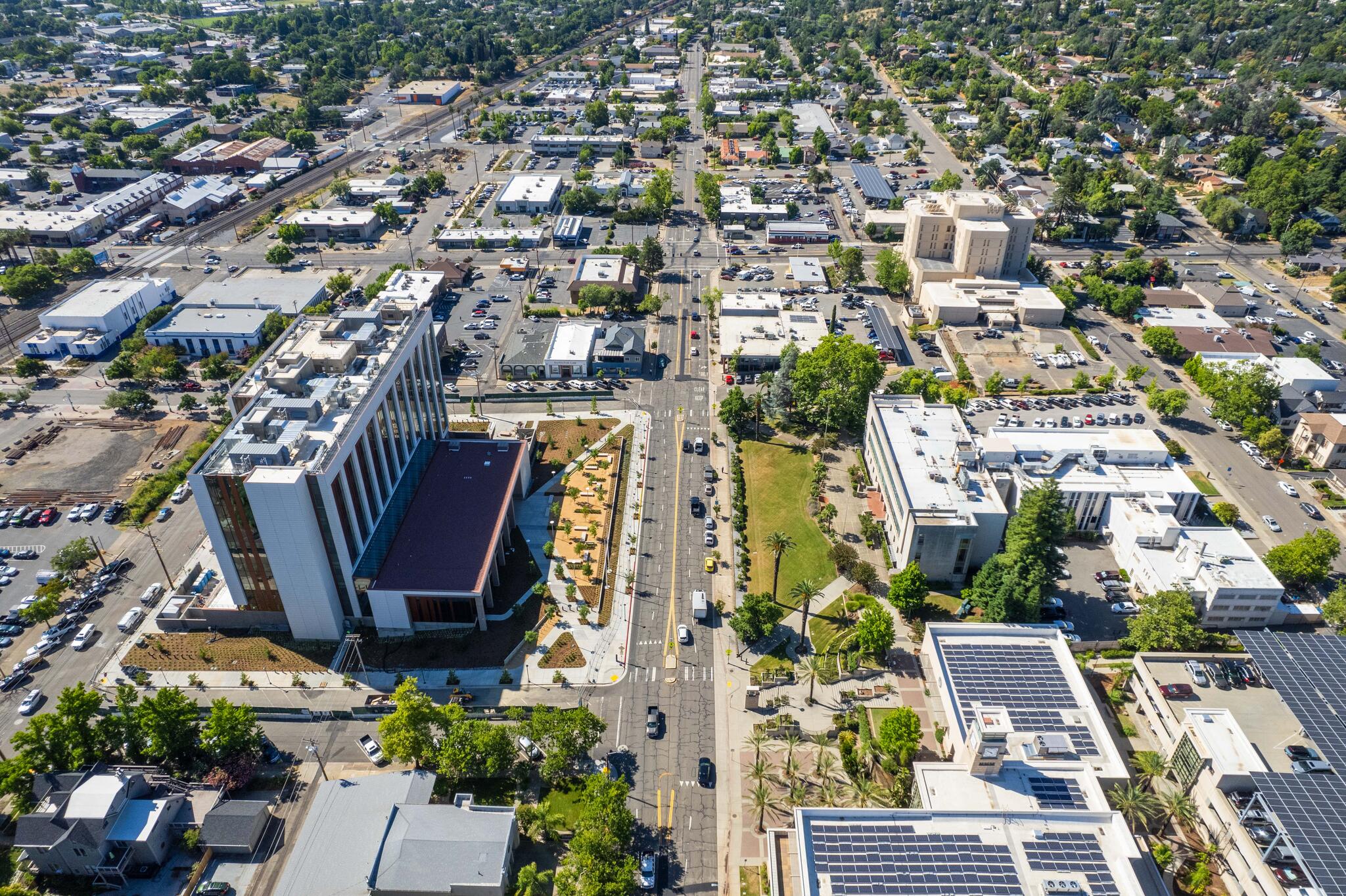
The primary facility is located at the Shasta County Courthouse in downtown Redding, serving as the central hub for judicial administration. The court handles thousands of cases annually, ranging from minor traffic infractions to complex civil litigation and felony criminal prosecutions.
Core Judicial Divisions and Case Types
- Criminal Division: Handles felony and misdemeanor arraignments, preliminary hearings, trials, and sentencing matters prosecuted by the Shasta County District Attorney.
- Civil Division: Manages unlimited and limited civil cases, including contract disputes, personal injury claims, and landlord-tenant unlawful detainer actions where damages exceed or fall below specific statutory thresholds.
- Family Law Division: Processes dissolutions of marriage (divorces), legal separations, child custody, visitation, child support, and domestic violence restraining orders.
- Probate Division: Oversees wills, trusts, conservatorships, guardianships, and the administration of estates for deceased individuals.
- Traffic and Infraction Division: Processes citations issued by the California Highway Patrol, Shasta County Sheriff's Office, and local municipal police departments.
- Juvenile Division: Manages juvenile delinquency and dependency proceedings, protecting minors and addressing criminal behavior within the youth justice framework.
Location, Contact Information, and Operational Hours
Accessing court services efficiently requires knowing the physical addresses, telephone numbers, and operational hours for the Shasta County court facilities. While technological advancements have introduced extensive online portals, certain filings and mandatory court appearances still require physical presence at the courthouse.
The primary courthouse is centrally located to serve the surrounding communities of Redding, Anderson, Shasta Lake, Burney, and unincorporated areas of the county.
Primary Courthouse Facility
- Facility Name: Shasta County Courthouse
- Physical Address: 1500 Court Street, Redding, CA 96001
- Mailing Address: 1500 Court Street, Room 319, Redding, CA 96001
- Main Telephone Number: (530) 245-6789
- Standard Operating Hours: Monday through Friday, 8:00 AM to 4:00 PM (excluding court-recognized legal holidays). Phone inquiries are typically managed during restricted morning and afternoon windows.
Ancillary Facilities and Specialized Services
Certain specialized proceedings or alternative dispute resolution programs may be housed in adjacent or separate municipal annexes. Litigants must verify hearing notices to confirm the exact department, room number, and presiding judge assigned to their specific case number before arriving at the facility.
Essential Court Procedures and Filing Requirements
Filing legal documents in Shasta County Superior Court requires strict adherence to both the California Rules of Court and the Shasta County Local Rules. Failure to format documents correctly, pay required filing fees, or meet strict statutory deadlines can result in rejected filings, dismissed cases, or delayed judicial relief.
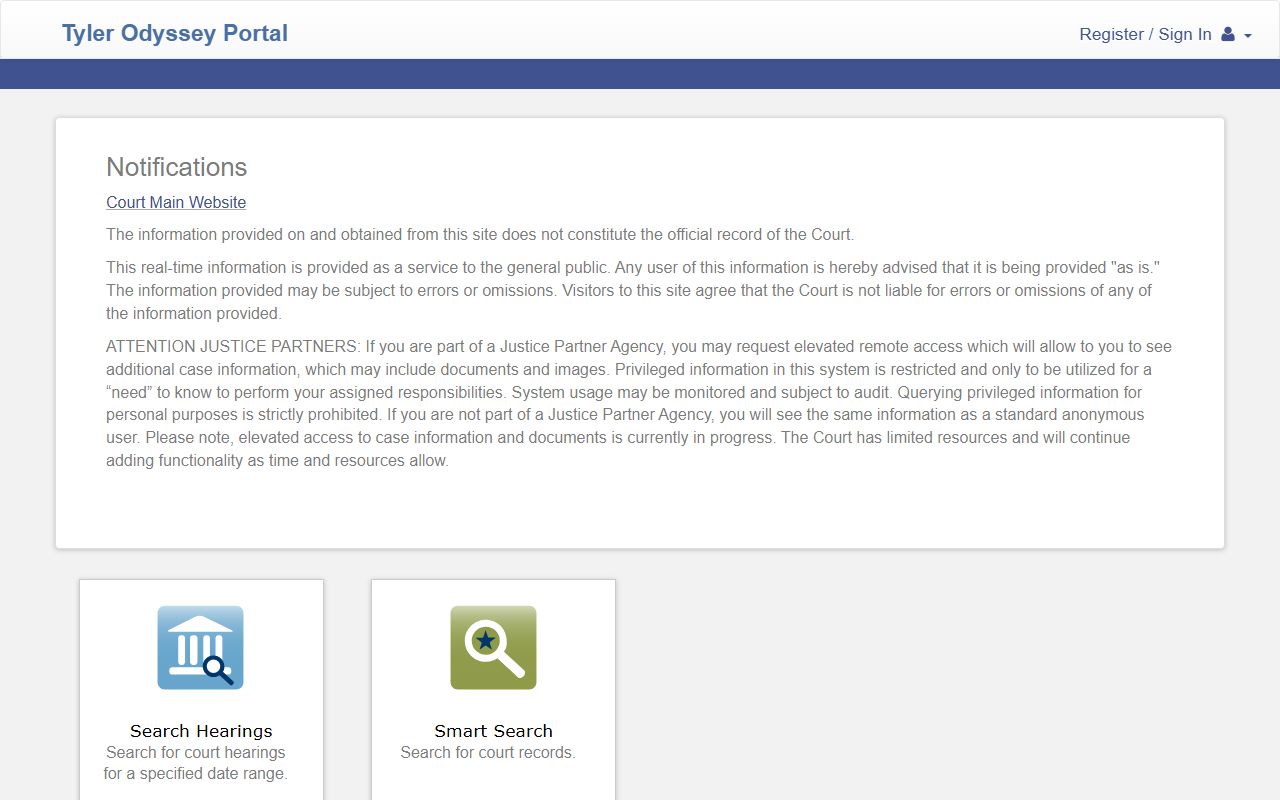
When submitting paperwork, parties must determine whether electronic filing (e-filing) is mandatory for their case type or if traditional over-the-counter paper filing remains permitted. Most civil, family law, and probate filings utilize approved electronic service providers, while criminal and juvenile matters often maintain specific physical submission guidelines.
Step-by-Step Guide to Filing Court Documents
- Identify the Correct Case Type and Form: Determine the exact legal forms required for your action. Standard Judicial Council forms are available online through the California Courts website or locally via the Shasta County Superior Court portal.
- Format According to Local Rules: Ensure pleadings comply with California pleading standards, including proper caption pages, double-spaced lines, proper font sizes, and designated punched holes at the top of the paper if filing physically.
- Calculate Filing Fees: Review the current Shasta County Superior Court fee schedule. Fees vary significantly between civil complaint filings, motion responses, and family law petitions.
- Determine Fee Waiver Eligibility: If you lack the financial resources to pay court fees, complete and submit Form FW-001 (Request to Waive Court Fees) alongside your primary filing.
- Submit via E-Filing or In-Person: Upload your documents through the court's designated e-filing portal or bring the original document plus necessary copies to the clerk's office window during operating hours.
- Serve Opposing Parties: Ensure proper legal service of process is executed by a registered process server, sheriff, or neutral third party over the age of 18, and file the corresponding Proof of Service with the court.
Self-Help Center and Legal Resources
Navigating the legal system without an attorney can present significant challenges. The Shasta County Superior Court Self-Help Center provides vital educational materials, instructional workshops, and procedural guidance for self-represented litigants (pro per litigants).
The Self-Help Center assists individuals with family law, divorce, custody, guardianship, minor claims, and civil harassment restraining orders. However, self-help staff and court attorneys cannot provide formal legal advice, represent litigants in court, or discuss the merits of a specific case with only one side present.
Available Self-Help Services
- Form Completion Assistance: Guidance on selecting and correctly filling out mandatory state and local court forms.
- Procedural Instructions: Step-by-step explanations of how to schedule hearings, respond to motions, and prepare for trial.
- Referral Lists: Connections to local legal aid organizations, lawyer referral services, and mediation providers operating within Shasta County.
Comparing Legal Assistance Options in Shasta County
Choosing how to represent your interests in court depends on the complexity of the legal matter, financial resources, and the stakes involved. Reviewing available options helps litigants make informed decisions.
| Service Option | Best Used For | Cost Structure | Limitations |
|---|---|---|---|
| Self-Representation (Pro Per) | Minor traffic tickets, small claims, uncontested divorces, simple name changes. | Court filing fees only; free self-help assistance. | Litigants must master complex procedural rules independently. |
| Private Attorney / Law Firm | Complex civil litigation, felony criminal defense, contested custody battles, corporate disputes. | Hourly rates ($250–$500+) or high flat fees. | Can be cost-prohibitive for low-income residents. |
| Legal Aid Organizations | Restraining orders, basic landlord-tenant disputes, low-income family law issues. | Free or sliding-scale fees based on income. | Strict income eligibility caps and limited staff availability. |
| Court-Appointed Counsel | Criminal misdemeanor/felony defense for indigent defendants; select juvenile dependency cases. | Free or state-subsidized based on financial assessment. | Only available in criminal and quasi-criminal matters. |
Frequently Asked Questions
Can I pay my Shasta County traffic ticket online?
Yes, traffic infractions and citations can be accessed and paid online through the official Shasta County Superior Court website using the designated traffic payment portal. You will need your citation number or driver's license information to locate your case file.
How do I request a copy of a court record or divorce decree?
Court records can be requested by visiting the clerk's office in person or by submitting a written records request via mail. Standard copy fees apply per page, and certified copies require an additional statutory fee.
What happens if I miss my court date in Shasta County?
Missing a court appearance can result in severe legal consequences, including the issuance of a bench warrant for your arrest in criminal cases, or a default judgment entered against you in civil and family law matters. Contact the clerk's office immediately if an emergency prevented your attendance.
Are children allowed in the Shasta County courtroom?
While children are generally discouraged from attending court proceedings—particularly contentious family law or criminal trials—the court maintains a supervised Children's Waiting Room in certain facilities to assist parents attending mandatory hearings.
How do I request an accommodation under the ADA?
If you require a disability accommodation to access court services or participate in a hearing, you must submit Form MC-410 (Disability Accommodation Request) to the court's ADA coordinator at least five court days before your scheduled appearance.
Practical Recommendations for Court Visitors
When visiting the Shasta County Courthouse, security screening is mandatory for all individuals entering the building. Weapons, recording devices, and sharp objects are strictly prohibited. Arrive at least 30 minutes before your scheduled hearing time to allow for parking, security lines, and locating your assigned courtroom. Dress professionally and treat all court personnel, bailiffs, and judicial officers with respect to ensure a smooth judicial process.
Image Gallery