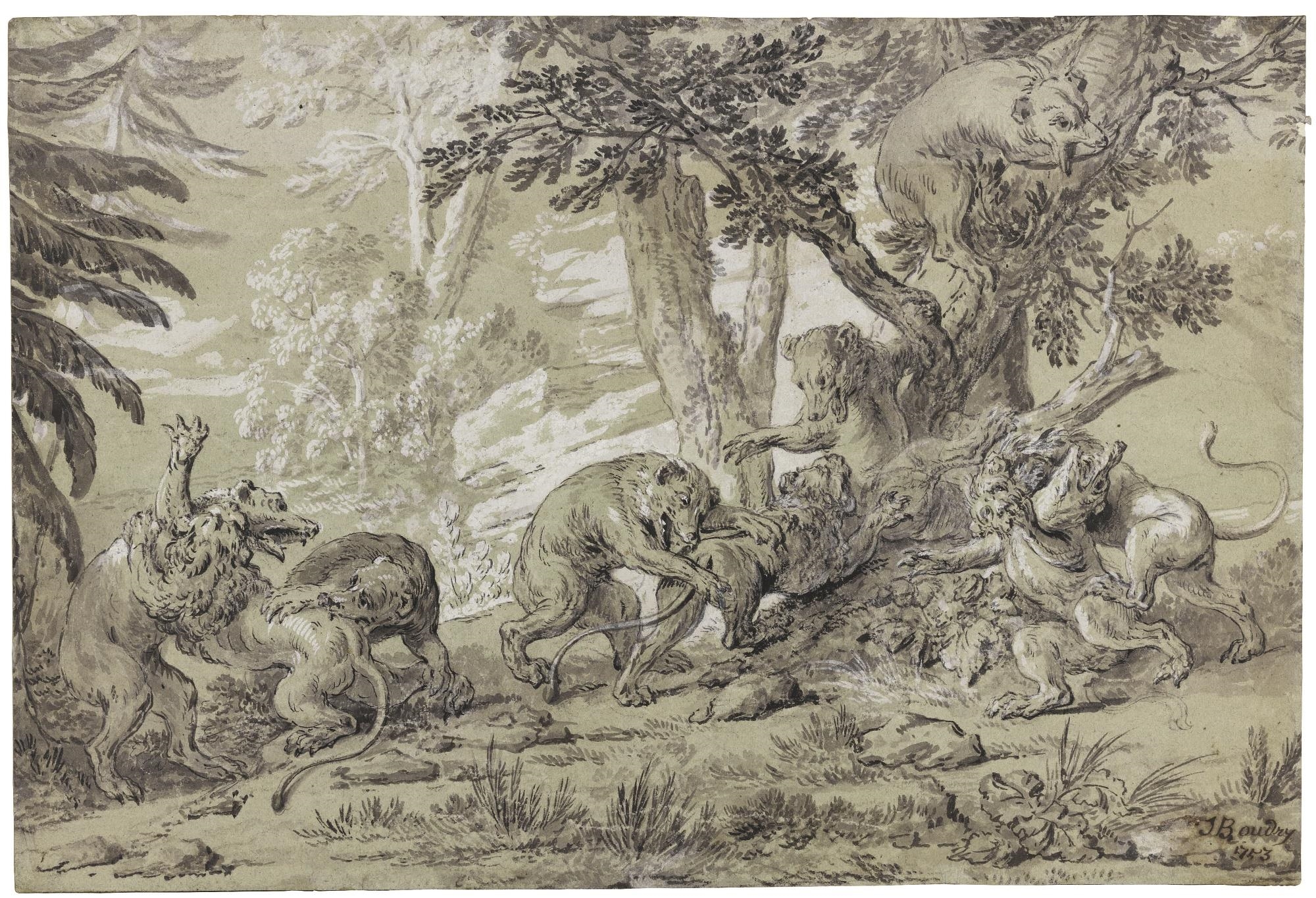
Historical Analysis of David Killing Lions and Bears in Early Expeditions
The biblical narrative regarding David defending his flock against lions and bears represents an early developmental phase in the young shepherd's life, functioning as a vital bridge between his isolated rural upbringing and his future...
The biblical narrative regarding David defending his flock against lions and bears represents an early developmental phase in the young shepherd's life, functioning as a vital bridge between his isolated rural upbringing and his future military leadership in ancient Israel.
Contents
The accounts of David protecting his father's flocks from predatory wildlife are foundational to understanding the biographical trajectory of the second king of Israel. Recorded primarily in the biblical book of 1 Samuel, these episodes showcase a shift from a humble pastoral existence to a proven capability for physical combat and tactical defense. Far from being isolated folklore, these early expeditions into the wilderness illustrate the harsh environmental realities of ancient Near Eastern pastoralism, where human survival and economic livelihood depended heavily on aggressive wildlife management.
Examining these events requires a careful look at historical context, environmental conditions, zoological realities in the ancient Levant, and the literary function of these narratives within the broader text.
The Pastoral Context of Ancient Judean Shepherd Life
To understand why a youth would confront apex predators, one must examine the topography and ecosystem of ancient Judah. The Judean Hills and the wilderness surrounding Bethlehem were characterized by rugged terrain, sparse vegetation, and deep ravines. This landscape forced shepherds to travel considerable distances from permanent settlements to find adequate grazing land for sheep and goats.
During the Iron Age, these remote grazing expeditions could last for days or weeks. Shepherds lived in temporary encampments, relying on simple tools like a sling, a staff, a scrip, and sometimes a dagger. The isolation of these expeditions meant that external help from the village militia or family members was unavailable in an emergency. Consequently, the shepherd was the sole line of defense against both human bandits and predatory wildlife.
The presence of large carnivores in the region was a constant, dangerous reality. Protecting the flock was an economic imperative; a single predator could decimate a family's primary source of wealth, wool, milk, and meat. This harsh economic necessity forced young shepherds to develop high levels of physical fitness, courage, and proficiency with defensive weapons long before they ever faced human adversaries on a battlefield.
Zoological Realities: Lions and Bears in the Ancient Levant
The mention of lions and bears in the narrative aligns with historical zoological data regarding the ancient Middle East. Both species once roamed the Levant in significant numbers before anthropogenic pressures, habitat loss, and hunting led to their local extinction centuries later.
The Asiatic lion (Panthera leo leo) historically inhabited the woodlands, scrublands, and river valleys of the region. While smaller than their African counterparts, these lions were formidable apex predators capable of bringing down large livestock and posing a lethal threat to humans. Similarly, the Syrian brown bear (Ursus arctos syriacus), a distinct subspecies of the brown bear, populated the higher elevations and forested ridges of the mountains of Judea and Lebanon. These bears were known to forage near human settlements and agricultural zones when food sources became scarce.
Comparative Threat Analysis of Judean Wildlife
| Predator Species | Historical Habitat | Primary Threat to Livestock | Behavioral Characteristics | Defensive Strategy |
|---|---|---|---|---|
| Asiatic Lion | Lowlands, river valleys, scrub | High-value stock loss (sheep, goats) | Nocturnal hunter, territorial, aggressive | Ranged projectiles (sling), close-quarter striking (staff) |
| Syrian Brown Bear | Mountain ridges, dense woods | Omnivorous foraging, beehives, small stock | Solitary, highly protective of young, unpredictable | Preemptive defense, high-ground advantage, blunt force |
Understanding these species provides necessary context for the physical encounters described in the historical texts. Confronting either animal required specialized knowledge of animal behavior, exceptional reflexes, and the ability to strike with lethal precision under high-stress conditions.
The Narrative Account in 1 Samuel 17
The primary source for these events is found in 1 Samuel 17:34–36, where David recounts his pastoral experiences to King Saul. When Saul expresses doubt about David's ability to fight the Philistine champion Goliath due to his youth, David offers his past wilderness encounters as empirical proof of his capability:
"Your servant has been keeping his father’s sheep. When a lion or a bear came and carried off a sheep from the flock, I went after it, struck it and rescued the sheep from its mouth. When it turned on me, I seized it by its hair, struck it and killed it. Your servant has killed both the lion and the bear; this uncircumcised Philistine will be like one of them, because he has defied the armies of the living God."
This passage highlights several key elements of ancient wilderness survival and tactical combat:
- Active Pursuit: David did not merely defend the perimeter; he pursued the predator after it seized an animal, demonstrating tactical initiative.
- Intervention and Rescue: The objective was asset recovery and livestock protection, requiring immediate physical action before the prey was entirely consumed.
- Close-Quarter Engagement: When the predator turned its aggression toward the shepherd, David engaged in hand-to-hand combat, utilizing his physical grip and striking implements.
Scholars debate whether these accounts represent single, singular events or generalized summaries of multiple dangerous encounters during David's years in the wilderness. Regardless, the text presents them as factual milestones that shaped his psychological and physical readiness for leadership.
Tactical Equipment and Combat Methodology
The weapons available to an ancient Judean shepherd were utilitarian items repurposed for defense. The primary tool was the shepherd's staff (makel), a heavy wooden club, often reinforced with metal or studded with sharp stones at the thicker end, used for navigating rough terrain and striking predators. The secondary tool was the sling (qela), constructed from woven leather or plant fibers, capable of propelling smooth river stones at high velocities with lethal force.
In close-quarters combat against a large mammal, projectile weapons lose their utility. David's description of seizing the animal "by its hair" (ziqpon or mane/fur) indicates an engagement distance where physical strength, leverage, and balance were paramount. Striking a charging predator with a heavy staff while maintaining footing required exceptional athletic coordination and courage.
The Transition from Wilderness to Monarchy
The experiences with lions and bears served a dual function in David's life: practical survival training and symbolic legitimation.
Practically, the wilderness expeditions honed skills that translated directly to military strategy. Guerrilla warfare tactics, resource management in hostile terrain, and the psychological fortitude required to face overwhelming odds were all forged in the hills of Bethlehem and later utilized during David's years fleeing from Saul.
Symbolically, the motif of the shepherd-king who protects his flock from wild beasts is a recurring theme in ancient Near Eastern royal ideology. Kings frequently styled themselves as shepherds of their people. By demonstrating historical success against literal predators, David established a narrative precedent for his role as protector and ruler of the nation of Israel. This background deeply influenced later biblical imagery, where leadership, protection, and divine deliverance are frequently framed through pastoral metaphors.
Frequently Asked Questions
Did David really kill lions and bears with his bare hands?
The biblical text indicates that David used his pastoral tools—specifically a staff and a sling—along with physical grappling. When the animals turned to attack him, he used his hands to grab them by their fur or mane before striking them, rather than relying solely on unarmed combat.
How common were lions and bears in ancient Israel?
During the biblical period, both Asiatic lions and Syrian brown bears were native to the region's ecosystems. Habitat destruction, human expansion, and hunting over subsequent centuries eventually led to the extinction of lions in the area by the Middle Ages, and brown bears followed in later centuries.
What weapons did ancient shepherds carry?
Shepherds typically carried a heavy wooden staff for protection and guidance, a leather or woven sling for hurling stones at predators, a scrip or pouch for food and ammunition, and occasionally a knife or dagger for utilitarian tasks and emergency defense.
How do historians view these biblical accounts?
Historians and textual scholars analyze these passages as part of the biographical tradition of the Davidic narrative. While theological elements emphasize divine protection, the core physical details reflect the genuine hazards and violent realities of pastoral life in the ancient Judean highlands.
Why are these early expeditions significant to the David narrative?
These accounts bridge the gap between David's obscure origins as a youthful shepherd and his emergence as a military commander and king. They establish his physical courage, tactical capability, and readiness to confront existential threats to his people.
Practical Recommendations for Studying Ancient Near Eastern History
For researchers, students, and historians examining the socio-ecological conditions of the ancient Levant, the following methodology is recommended:
- Consult Primary Texts: Read the relevant historical narratives within their complete literary units to understand authorial intent and context.
- Examine Archaeological Data: Review findings from Iron Age agricultural settlements to understand the economic structure of ancient Judean pastoralism.
- Study Historical Zoology: Reference studies on the historical distribution and ecology of Middle Eastern fauna to ground literary texts in physical reality.
- Analyze Material Culture: Investigate the design, construction, and tactical use of ancient pastoral tools such as slings and throwing clubs.
Image Gallery