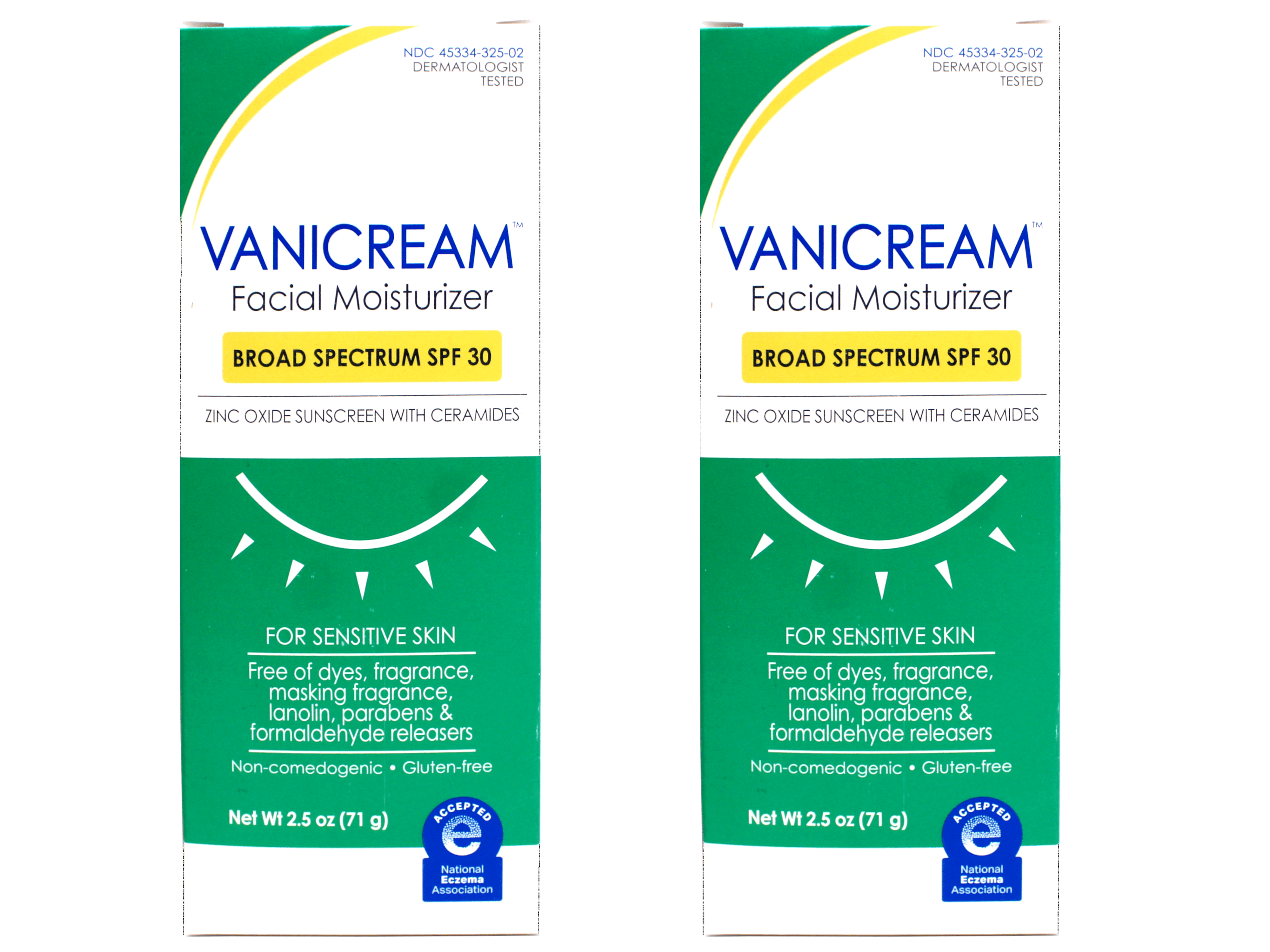
Finding the Best SPF Facial Moisturiser for Your Skin Type in 2026
The best SPF facial moisturiser provides broad-spectrum protection—SPF 30 or higher—while delivering targeted hydration and active ingredients suited to your specific skin type. In 2026, leading formulations seamlessly combine advanced...
The best SPF facial moisturiser provides broad-spectrum protection—SPF 30 or higher—while delivering targeted hydration and active ingredients suited to your specific skin type. In 2026, leading formulations seamlessly combine advanced UV filters with barrier-repairing ceramides and antioxidants, ensuring daily defense against photoaging without the heavy, greasy texture of traditional sunscreens.
Contents
The Evolution of SPF Moisturisers: Protection Meets Hydration
For decades, skincare enthusiasts were forced to choose between a dedicated sunscreen that often felt chalky and a high-quality moisturiser that offered no protection against the sun’s ultraviolet (UV) rays. As of 2026, the gap between these two categories has effectively closed. The modern SPF facial moisturiser is a sophisticated hybrid designed to replace two steps in a morning routine without compromising the efficacy of either.
The primary driver behind this evolution is the advancement in "micronized" and "encapsulated" UV filters. Historically, physical blockers like Zinc Oxide were notorious for leaving a white residue, particularly on deeper skin tones. Modern formulations now utilize transparent zinc and sophisticated chemical filters that remain stable on the skin surface for longer periods. This allows for a lightweight, cosmetically elegant finish that sits comfortably under makeup or serves as a standalone grooming product.
Beyond simple hydration, these 2-in-1 products now incorporate "anti-pollution" shields. Research from the Skin Cancer Foundation emphasizes that cumulative daily exposure—even through windows or on cloudy days—contributes significantly to premature aging and DNA damage. By integrating SPF into a daily moisturiser, users are more likely to maintain the consistency required for long-term skin health.
Understanding SPF Ratings and Broad-Spectrum Protection
When searching for the best SPF facial moisturiser, understanding the terminology on the label is critical for ensuring adequate protection.
SPF vs. PA Ratings
SPF, or Sun Protection Factor, primarily measures a product's ability to block UVB rays, which are responsible for sunburns and play a major role in developing skin cancer. An SPF 30 moisturiser theoretically allows you to stay in the sun 30 times longer than you could without protection before burning. However, UVB is only half of the equation.
UVA rays penetrate deeper into the skin, causing long-term damage, wrinkles, and hyperpigmentation (photoaging). In 2026, the "PA" rating system (e.g., PA+++ or PA++++) is increasingly common alongside SPF. The more plus signs, the higher the protection against UVA. Always look for the term "Broad-Spectrum," which signifies that the product has passed testing to protect against both UVA and UVB rays.
The Significance of SPF 30 and SPF 50
While SPF 15 was once the standard for daily moisturisers, dermatologists now almost universally recommend a minimum of SPF 30. An SPF 30 filter blocks approximately 97% of UVB rays, whereas SPF 50 blocks about 98%. While the 1% difference seems negligible, for individuals with photosensitivity, melasma, or a history of skin cancer, that extra margin of error is vital. Furthermore, because most users apply less than the recommended amount of product, starting with a higher SPF provides a necessary safety net.
Choosing the Best SPF Facial Moisturiser by Skin Type
A moisturiser that works for a person with dry, flaky skin will likely cause breakouts for someone with an oily complexion. Selecting the right vehicle for your SPF is just as important as the SPF number itself.
For Oily and Acne-Prone Skin
Individuals with oily skin often avoid SPF moisturisers out of fear they will clog pores (comedogenicity). The best options for this skin type are oil-free, non-comedogenic fluids or "gel-creams." Look for ingredients like Niacinamide, which helps regulate sebum production, and Silica, which provides a matte finish by absorbing excess oil throughout the day. Chemical filters are often preferred here as they tend to be lighter and less "pasty" than mineral alternatives.
For Dry and Dehydrated Skin
Dry skin requires a richer emollient base to lock in moisture. The best SPF moisturisers for dry skin contain Hyaluronic Acid, which draws water into the skin, and Ceramides, which reinforce the natural skin barrier. Look for "cream" formulations rather than lotions. These products should feel nourishing and provide a "dewy" finish that lasts several hours, preventing the tight, itchy sensation associated with transepidermal water loss (TEWL).
For Sensitive and Reactive Skin
If you suffer from rosacea, eczema, or general sensitivity, mineral (physical) filters—specifically Zinc Oxide and Titanium Dioxide—are generally safer. Unlike chemical filters, which absorb UV rays and convert them into heat, mineral filters sit on top of the skin and reflect the rays. This process is less likely to cause irritation or "heat rash." Seek out "fragrance-free" and "hypoallergenic" labels to minimize the risk of contact dermatitis.
Physical vs. Chemical Sunscreen Filters
The "best" filter is often a matter of personal preference and skin tolerance. Many of the top-rated products in 2026 actually use a hybrid approach, combining both types to achieve maximum protection with a superior texture.
| Feature | Physical (Mineral) Filters | Chemical Filters |
|---|---|---|
| Common Ingredients | Zinc Oxide, Titanium Dioxide | Avobenzone, Octisalate, Oxybenzone |
| Mechanism | Reflects and scatters UV rays like a mirror. | Absorbs UV rays and converts them to heat. |
| Onset of Action | Protects immediately upon application. | Requires 15–20 minutes to "set" in the skin. |
| Texture | Historically thicker; can leave a white cast. | Generally thinner, shearer, and easier to spread. |
| Sensitivity | Highly recommended for sensitive skin. | May cause stinging or irritation for some users. |
| Environmental Impact | Often cited as safer for coral reefs (non-nano). | Some filters are restricted in certain regions. |
Comparative Analysis of Leading 2026 Formulations
To help you decide, we have categorized the current market leaders based on their primary benefits and skin compatibility.
| Product Category | Best For | Key Active Ingredients | Finish/Texture |
|---|---|---|---|
| The Daily All-Rounder | Normal to combination skin | SPF 30, Hyaluronic Acid, Peptides | Natural, satin finish |
| The Ultra-Hydrator | Chronic dry skin | SPF 50, Ceramides, Shea Butter | Rich, luminous glow |
| The Matte Defender | Oily and teenage skin | SPF 30, Niacinamide, Salicylic Acid | Flat matte, oil-absorbing |
| The Mineral Guard | Post-procedure or sensitive skin | SPF 50+, Zinc Oxide, Bisabolol | Slightly opaque, calming |
| The Anti-Aging Powerhouse | Mature skin (40+) | SPF 45, Vitamin C, Retinol (Time-released) | Firming, brightening |
Common Mistakes and How to Apply for Maximum Efficacy
Even the most expensive, high-quality SPF moisturiser will fail if applied incorrectly. Understanding the "how" is just as important as the "what."
- The "Two-Finger" Rule: Most people apply only 25% to 50% of the sunscreen required to reach the SPF rating on the bottle. To achieve the stated protection, you should apply two full strips of product to your index and middle fingers to cover the face and neck.
- Neglecting the Neck and Ears: The skin on the neck and the tops of the ears is thin and highly susceptible to sun damage and skin cancers. Ensure your moisturiser extends down to the collarbone.
- Application Order: Your SPF moisturiser should be the final step of your skincare routine before applying makeup. If you apply a serum or another lotion on top of your SPF, you may dilute the filters or create "holes" in the protective film.
- The Reapplication Dilemma: SPF moisturisers are perfect for incidental exposure (driving, walking to the office). However, if you are spending the day outdoors at a beach or park, a morning application is insufficient. You must reapply every two hours. For those wearing makeup, SPF powders or misting sprays can be used for "touch-ups" throughout the day.
- Checking Expiration Dates: UV filters degrade over time. Using a bottle of SPF moisturiser that has been sitting in a warm bathroom for two years is risky. Most products have a "Period After Opening" (PAO) symbol—a small jar icon with a number like "12M"—indicating it should be discarded 12 months after opening.
Environmental and Regulatory Standards
In 2026, the skincare industry has moved toward greater transparency regarding environmental impact. "Reef-safe" is a term frequently used, though not strictly regulated by the FDA. It generally implies the absence of Oxybenzone and Octinoxate, chemicals that have been linked to coral bleaching in laboratory studies.
Furthermore, the American Academy of Dermatology (AAD) continues to monitor the safety of aerosolized and nanoparticle sunscreens. When choosing an SPF moisturiser, opting for a lotion or cream form is generally considered the most reliable way to ensure even coverage and minimize inhalation risks.
Frequently Asked Questions
Can I use my SPF moisturiser at night?
It is not recommended. While it won't necessarily harm your skin, the UV filters provide no benefit while you sleep and can occasionally lead to congestion or breakouts if left on overnight. Nighttime is better reserved for heavy-duty repair creams containing ingredients like retinol or AHAs that may be deactivated by sunlight.
Does a moisturiser with SPF 15 provide enough protection?
For most people, no. While SPF 15 filters about 93% of UVB rays, the reality of "under-application" means most users are likely only getting the equivalent of SPF 5 or 7. SPF 30 is the clinical baseline recommended for daily use to account for these application variances.
Will an SPF moisturiser cause "flashback" in photos?
"Flashback"—the white, ghostly cast seen in flash photography—is usually caused by physical filters like Zinc Oxide or Titanium Dioxide. If you are attending an evening event where photos will be taken, a chemical-based SPF moisturiser or a hybrid with micronized minerals is less likely to cause this effect.
Is it okay to mix SPF into my foundation?
No. You should never mix SPF directly into another product in your palm. This can cause the UV filters to clump or become unstable, leading to uneven protection. Instead, apply your SPF moisturiser, let it "dry down" for 3-5 minutes, and then apply your foundation on top.
Does the SPF in my makeup count?
SPF in makeup is a great addition, but it should not be your primary source of protection. You would need to apply many times the normal amount of foundation or powder to reach the SPF rating on the label. Think of makeup SPF as a secondary "top-up" to your SPF moisturiser.
Are "tinted" SPF moisturisers better?
Tinted versions offer a distinct advantage: they often contain Iron Oxides. Research suggests that iron oxides provide protection against Visible Light (including blue light from screens), which can exacerbate melasma and hyperpigmentation. A tinted SPF moisturiser is often the best choice for those concerned with dark spots.
Final Recommendation: Integrating SPF into Your 2026 Routine
The "best" SPF facial moisturiser is the one you are willing to wear every single day, regardless of the weather. For the average user in 2026, a Broad-Spectrum SPF 30 or 50 hybrid that contains Antioxidants (like Vitamin E or Green Tea) offers the most comprehensive defense. These antioxidants work synergistically with UV filters to neutralize free radicals generated by the sun that the filters might miss.
Identify your skin type first—oily, dry, or sensitive—and select a texture that complements it. By making SPF a non-negotiable part of your morning hydration step, you are investing in the long-term health, elasticity, and clarity of your skin, effectively preventing damage before it requires expensive clinical correction.
Image Gallery