Understanding the Total Cost of a New Furnace and Professional Installation
Replacing a furnace is a significant capital investment for homeowners, with total costs typically ranging from $4,500 to $12,000 in 2026. This figure encompasses the purchase of the heating unit, the complexity of the labor required f...
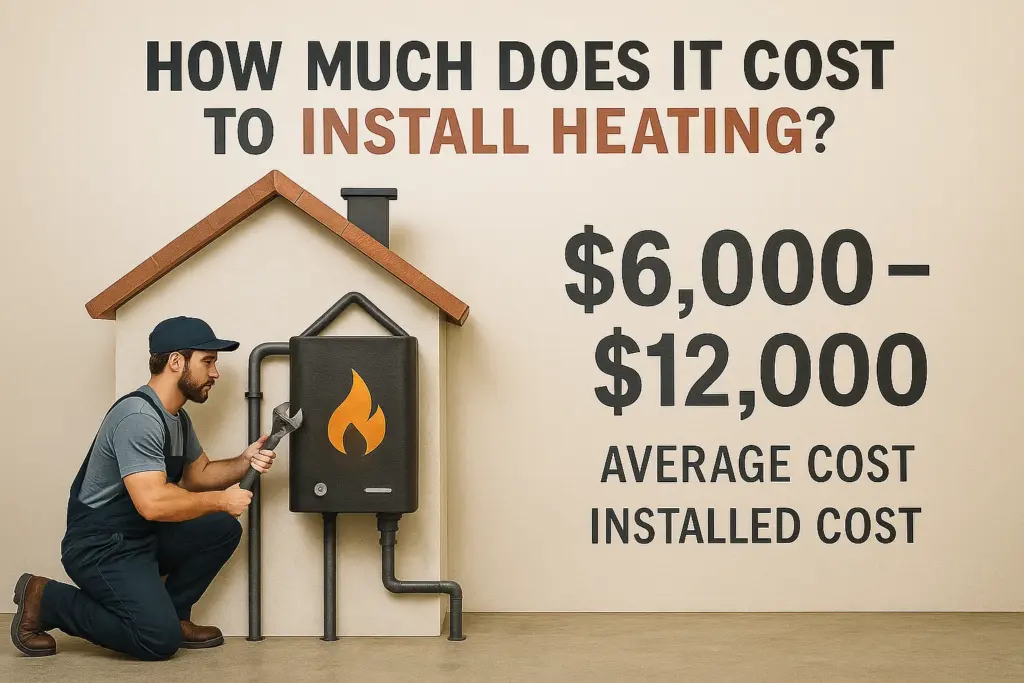
Replacing a furnace is a significant capital investment for homeowners, with total costs typically ranging from $4,500 to $12,000 in 2026. This figure encompasses the purchase of the heating unit, the complexity of the labor required for installation, and necessary modifications to existing ductwork, gas lines, or electrical infrastructure to meet current building codes.
Contents
The Breakdown of Furnace Costs
When you receive a quote for a furnace installation, you are paying for more than just the metal cabinet and its internal components. The final price tag is a composite of several distinct cost centers, each influenced by market conditions and the specific requirements of your home.
1. Equipment Costs
The price of the furnace itself is primarily dictated by its heating capacity—measured in British Thermal Units (BTUs)—and its Annual Fuel Utilization Efficiency (AFUE) rating. A higher AFUE percentage indicates that a furnace converts a larger portion of its fuel into usable heat, which often necessitates more expensive heat exchangers and secondary combustion systems. While a mid-efficiency unit might be cheaper upfront, high-efficiency models (often exceeding 95% AFUE) typically command a premium price due to the advanced technology required to extract heat from exhaust gases.
2. Labor and Professional Expertise
Installation is the most variable part of the quote. HVAC technicians must perform a "manual J" load calculation to ensure the new unit is properly sized for your home. Oversizing leads to "short cycling," where the furnace turns on and off too frequently, reducing efficiency and lifespan. Undersizing results in a home that never reaches the desired temperature. Professional labor costs cover the removal and proper disposal of the old unit, gas line verification, electrical wiring, and the meticulous sealing of plenum connections to prevent air leaks.
3. Infrastructure Modifications
Often, a new furnace does not fit perfectly into the space occupied by the previous model. If you are upgrading from an older, low-efficiency furnace to a modern high-efficiency system, the installer may need to install new PVC venting through a wall or roof to replace existing metal chimney flues. Additionally, if the new unit requires a higher electrical amperage, an electrician may need to upgrade the circuit breaker panel. These "hidden" costs are frequently identified only after a site inspection.
Comparative Cost Analysis by Furnace Type
Choosing the right fuel source and system type is the most critical decision in the replacement process. The following table highlights standard price ranges for common residential furnace types as of 2026.
| Furnace Type | Average Equipment Cost | Total Installed Cost (Range) | Key Characteristics |
|---|---|---|---|
| Gas (Standard Efficiency) | $1,500 – $2,500 | $4,500 – $7,000 | Reliable; requires existing gas line. |
| Gas (High Efficiency) | $2,500 – $5,000 | $6,500 – $12,000 | Reduces fuel bills; requires PVC venting. |
| Electric Furnace | $1,000 – $2,000 | $3,500 – $6,000 | Low upfront cost; high operating cost. |
| Oil Furnace | $2,000 – $4,000 | $6,000 – $10,000 | Common in rural areas; needs fuel tank. |
Note: Prices vary by regional labor rates, equipment brand, and specific model features such as two-stage or modulating burners.
Factors Influencing the Final Quote
Beyond the basic equipment and labor, several external factors can shift the price significantly:
- Geographic Location: Labor rates are highly dependent on the local cost of living and the regional demand for heating services. Urban areas with strict permitting requirements and higher technician wages will generally see higher installation costs than rural regions.
- Permits and Inspections: Most municipalities require a permit for furnace replacement. This ensures the installation meets local fire and safety codes. Permit fees are usually passed directly to the homeowner and are essential for maintaining your home’s insurance eligibility and resale value.
- Ductwork Condition: If your existing ducts are leaking, undersized, or disconnected, the performance of your new furnace will be severely compromised. Repairing or modifying ductwork can add significant time and expense to the project but is necessary to achieve the promised efficiency of the new equipment.
- System Upgrades: Many homeowners choose to pair a new furnace with a new smart thermostat, a whole-home humidifier, or high-performance air filtration systems during installation. While these add to the bottom line, installing them during the furnace replacement is often more cost-effective than a standalone service call later.
Identifying Potential Savings
While furnace installation is a major expense, there are legitimate avenues to reduce your financial burden. Federal, state, and local utility incentives frequently offer rebates for homeowners who install high-efficiency equipment. Check the official database of your local utility providers to see if they offer "energy-efficiency rebates." Additionally, ensure that your chosen contractor is certified by the manufacturer, as some warranties are only valid if the installation is performed by a factory-authorized professional.
Important Considerations Before You Buy
Before committing to an installation, gather at least three written estimates from licensed contractors. Do not simply accept the lowest price. Ask each contractor if they perform a load calculation, what the warranty coverage includes for both parts and labor, and whether they handle the permit application process.
Be wary of contractors who suggest sizing a furnace based solely on the square footage of your home or the size of your old unit without a physical inspection of your specific ductwork and home insulation values. A professional assessment is the only way to avoid the long-term costs of an improperly sized heating system.
Frequently Asked Questions
How long should a new furnace last? Most modern furnaces are rated for 15 to 20 years of service, provided they undergo annual maintenance. Neglecting routine tasks, such as changing air filters or cleaning the flame sensor, significantly shortens this lifespan.
Is it better to replace the AC at the same time? If your air conditioner is more than 10 years old, it is often more economical to replace it simultaneously with the furnace. The labor costs for installation often overlap, as both systems share the same blower motor and ductwork infrastructure.
What happens if I don't upgrade my ductwork? If your ductwork is not designed for the static pressure required by your new furnace, you may experience loud whistling noises, uneven heating across rooms, or even premature failure of the new furnace's blower motor.
Are high-efficiency furnaces worth the extra cost? For homeowners in cold climates with long heating seasons, the monthly energy savings typically pay for the price difference between standard and high-efficiency models within 5 to 8 years.
What is the difference between a single-stage and a modulating furnace? A single-stage furnace runs at 100% capacity whenever it is on. A modulating furnace adjusts its output in fine increments to match the exact heating demand of your home, leading to much more stable temperatures and quieter operation.
Final Recommendation
The best way to ensure a fair price is to prioritize quality over the lowest initial bid. Contact at least three licensed, insured HVAC contractors in your area. Request an itemized proposal that includes the cost of equipment, labor, permit fees, and any necessary infrastructure upgrades. Once you have these quotes, verify the contractor's credentials with your local building department or state licensing board before proceeding with the contract.
Image Gallery