What to Expect From Investment Loans Interest Rates
In 2026, investment loan interest rates typically sit 0.5% to 1.25% higher than standard residential rates. Borrowers should expect pricing to be driven by the property’s cash flow potential, the investor’s credit depth, and the curren...
In 2026, investment loan interest rates typically sit 0.5% to 1.25% higher than standard residential rates. Borrowers should expect pricing to be driven by the property’s cash flow potential, the investor’s credit depth, and the current yield on the 10-year Treasury, which serves as a primary benchmark for long-term financing.
Contents
The landscape of investment financing has evolved significantly over the past several years. As we move through 2026, the "investor premium"—the extra interest charged on non-owner-occupied properties—remains a fundamental reality of the market. This premium exists because lenders categorize investment properties as higher risk; statistically, borrowers are more likely to default on a rental property than on their primary residence during periods of financial duress. Understanding what to expect requires a look at both the macro-economic environment and the specific micro-factors that lenders use to price these loans.
The Benchmark Environment in 2026
To understand where investment rates are today, one must look at the broader fixed-income market. Most long-term fixed-rate investment loans are priced based on a spread over the 10-year Treasury Note. In 2026, as the global economy has moved into a period of relative stabilization following the volatility of the early 2020s, these yields have found a new "neutral" range.
When Treasury yields rise, investment loan rates follow almost immediately. Conversely, when the economy shows signs of cooling and yields drop, the cost of borrowing for real estate ventures typically eases. However, the spread—the gap between the benchmark and your final rate—is not static. In 2026, lenders are maintaining slightly wider spreads than in previous decades to account for increased regulatory capital requirements and the lingering cautiousness of secondary market investors who purchase these loans.
The Role of Central Bank Policy
The Federal Reserve's stance in 2026 continues to influence the short-term end of the curve, impacting Adjustable-Rate Mortgages (ARMs) and lines of credit often used for bridge financing. While long-term rates are market-driven, the overnight federal funds rate sets the floor for the cost of capital. Investors should monitor the Federal Reserve's official statements to gauge the direction of short-term borrowing costs, which are essential for "fix-and-flip" operations or construction-to-permanent financing.
Why Investment Rates Are Higher Than Residential Rates
A common question for new investors is why they cannot secure the same rates advertised for primary residences. The answer lies in the Risk-Based Pricing model. Lenders view the "intent" of the property as a primary risk indicator.
- Default Probability: In a financial crisis, a family will prioritize their home over a rental unit. This behavioral reality forces lenders to charge a "risk premium" to offset the higher statistical likelihood of foreclosure on investment assets.
- Portfolio Concentration: Many lenders limit the number of investment loans they hold to ensure diversity. To manage this demand, they use higher interest rates as a mechanism to control the volume of applications.
- Liquidity Factors: Residential loans backed by Fannie Mae or Freddie Mac have very specific, standardized criteria. While investment loans can also be sold to these entities, the requirements are stricter, and the "delivery fees" charged to the lenders are higher, which is then passed on to the borrower in the form of a higher interest rate.
Key Factors Influencing Your Specific Rate
While the market sets the baseline, your individual profile determines the final quote. In 2026, lenders have become more granular in how they assess risk, focusing on three primary pillars:
Credit Score and Tiered Pricing
The days of "good enough" credit are largely over for competitive investment pricing. In 2026, the most aggressive rates are reserved for borrowers with a FICO score of 760 or higher. A drop from 760 to 700 can result in a rate increase of 0.375% to 0.50%. Lenders use "Loan Level Price Adjustments" (LLPAs) that penalize lower scores more heavily on investment properties than on primary homes.
Loan-to-Value (LTV) Ratios
Equity is the lender's ultimate protection. For an investment property, the standard requirement is a 20% to 25% down payment. However, to get the best interest rates in 2026, pushing your equity to 30% (a 70% LTV) often triggers a significant price break. Lenders view a 30% equity cushion as a strong deterrent against "strategic default," where an investor walks away from a property that has lost value.
Debt Service Coverage Ratio (DSCR)
For many professional investors in 2026, the DSCR loan has become the standard. Unlike traditional loans that look at your personal income (W-2s or tax returns), DSCR loans focus on the property’s ability to pay for itself.
- The Formula: Net Operating Income (NOI) divided by the total Debt Service (Principal, Interest, Taxes, Insurance, and Association Dues).
- The Expectation: A DSCR of 1.20 or higher is usually required for standard pricing. If the ratio is lower (e.g., 1.0), the interest rate will climb because the property has less "breathing room" to handle vacancies or unexpected repairs.
Comparison of Investment Loan Products in 2026
The following table outlines the expected landscape for different investment loan types based on current 2026 market standards.
| Loan Type | Typical Rate Range (Above Prime) | Minimum Down Payment | Primary Approval Criteria | Best Use Case |
|---|---|---|---|---|
| Conventional Investment | +0.50% to +1.00% | 15% - 25% | Personal Income & Credit | Long-term buy and hold; 1-4 units. |
| DSCR Loan | +1.00% to +2.00% | 20% - 25% | Property Cash Flow | Scaling a portfolio without DTI limits. |
| Portfolio Loan | +0.75% to +1.50% | 20% | Relationship & Asset Value | Unique properties or multi-unit blocks. |
| Commercial Mortgage | +1.50% to +3.00% | 25% - 30% | Business Plan & NOI | 5+ unit apartment buildings or retail. |
| Hard Money / Bridge | +4.00% to +7.00% | 10% - 20% | After-Repair Value (ARV) | Short-term renovations (Fix and Flip). |
Strategies to Secure the Best Rates in 2026
Navigating the 2026 market requires a proactive approach to financing. You should not simply accept the first rate quoted by a retail bank.
Buying Down the Rate
In a stabilized rate environment, paying "points" (prepaid interest) can be a highly effective strategy. One point typically costs 1% of the loan amount and reduces the interest rate by approximately 0.25%. For investors planning to hold a property for 10 or more years, the "break-even point" is often reached within the first 48 to 60 months, making it a wise long-term move.
Geographic Arbitrage
Interest rates can vary slightly by region due to local competition among credit unions and community banks. In 2026, certain states with more lender-friendly foreclosure laws may see slightly lower investment rates than states with protracted legal timelines. Working with a mortgage broker who has access to wholesale channels across multiple states can reveal these discrepancies.
Entity Vesting and Rate Impacts
Many investors choose to hold property in an LLC for liability protection. While this is a sound legal strategy, be aware that some conventional lenders charge a premium or require a move to a commercial loan product when vesting in an entity. In 2026, ensure you compare the "personal name" rate versus the "LLC" rate to determine if the liability protection justifies the potential increase in the cost of capital.
Common Mistakes to Avoid
- Ignoring the "Fine Print" on Prepayment Penalties: Many investment loans in 2026—especially DSCR and commercial products—come with prepayment penalties. A lower interest rate might come with a "5-4-3-2-1" penalty structure (5% in year one, 4% in year two, etc.). If you plan to flip or refinance quickly, a slightly higher rate without a penalty is often cheaper in the long run.
- Underestimating Closing Costs: Investment loans often carry higher origination fees. When calculating your total "cost of money," look at the Annual Percentage Rate (APR), not just the nominal interest rate.
- Failing to Season Funds: Lenders in 2026 remain strict about "sourced and seasoned" funds. If you move large amounts of cash into your account right before an application to lower your LTV (and thus your rate), the lender may disqualify those funds, forcing you into a higher LTV/higher rate bracket.
Frequently Asked Questions
Can I get a residential rate if I plan to move into the investment property later?
No. Loan intent is determined at the time of closing. Falsifying intent (claiming a property is a primary residence when it is an investment) is considered mortgage fraud, which carries severe legal and financial penalties. However, you can "house hack" by purchasing a 2-4 unit property, living in one unit, and renting the others; this allows you to access residential rates while still generating investment income.
How do 2026 investment rates compare to the historical average?
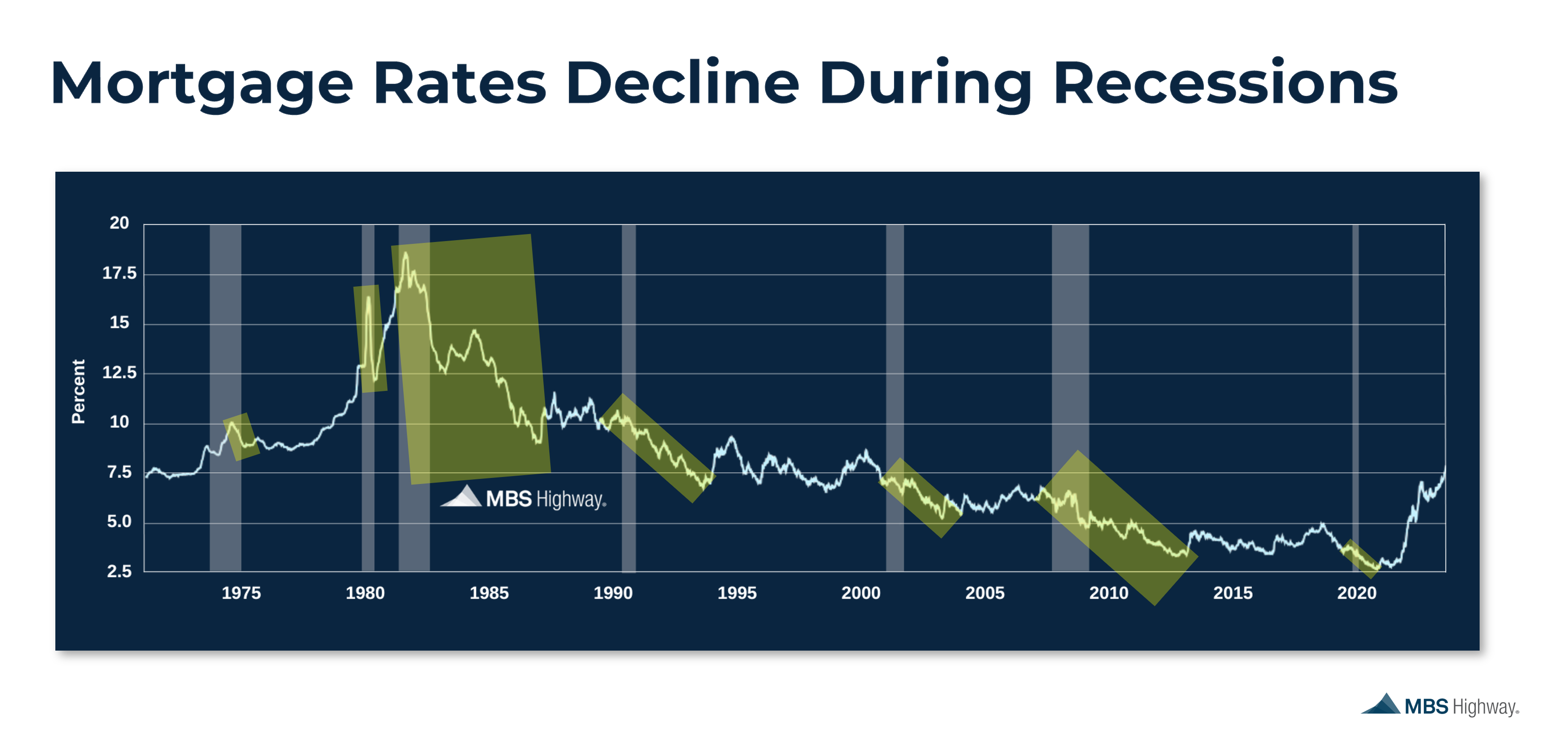
While rates are higher than the historic lows of 2020-2021, they remain well below the double-digit rates seen in the 1980s. In 2026, the market has settled into a "normalized" range that balances lender risk with borrower affordability, reflecting a mature and stable real estate economy.
Does the property type affect the interest rate?
Yes. Single-family homes generally command the lowest investment rates. Multi-family properties (2-4 units) typically see a small rate "add-on," and condos may also carry higher rates due to the perceived risk of the Homeowners Association's (HOA) financial health.
Will my rate change if the property becomes vacant?
For a fixed-rate mortgage, your interest rate is locked for the life of the loan regardless of occupancy. However, if you have an adjustable-rate mortgage (ARM) or a commercial line of credit, your rate will fluctuate based on the index it is tied to (usually SOFR or the Prime Rate), regardless of your tenant status.
Are interest rates for short-term rentals (Airbnbs) higher?
In 2026, many lenders have created specific categories for "Short-Term Rentals" (STRs). While some treat them as standard investment properties, others view the income volatility of an STR as higher risk, potentially adding 0.125% to 0.25% to the rate compared to a long-term lease property.
Practical Recommendation
Before applying for an investment loan in 2026, obtain a comprehensive credit report and resolve any disputes to ensure you are in the 760+ tier. Calculate your projected DSCR using realistic vacancy rates (typically 5-10%) and current local property taxes. If your DSCR is hovering near 1.15, consider a larger down payment to push the ratio above 1.25; the resulting decrease in your interest rate will often provide a better internal rate of return (IRR) than keeping that extra cash in a low-yield savings account. Always request a "Loan Estimate" from at least three different types of lenders: a national bank, a local credit union, and a specialized DSCR lender.
Image Gallery