How to Design Employee Incentive Program Examples That Drive Performance
Designing an effective employee incentive program requires a strategic balance between aligning individual contributions with broader company objectives and ensuring the rewards are perceived as valuable and attainable by the workforce...
Designing an effective employee incentive program requires a strategic balance between aligning individual contributions with broader company objectives and ensuring the rewards are perceived as valuable and attainable by the workforce. A well-structured program goes beyond simple bonuses; it creates a feedback loop where transparent goals, timely recognition, and meaningful rewards reinforce desired behaviors, ultimately fostering higher engagement, retention, and operational productivity.
Contents
Core Components of a Successful Incentive Strategy
To design a robust program, leadership must first define the behaviors they intend to influence. Incentives are not merely compensation; they are behavioral catalysts. The most effective systems start with clear, measurable Key Performance Indicators (KPIs). If you cannot measure the output, you cannot effectively incentivize it.
- Defining Objectives: Are you looking to boost sales, improve customer satisfaction scores (CSAT), enhance safety compliance, or increase project turnaround speed? Define one or two primary goals to avoid confusing the workforce with competing priorities.
- Eligibility and Criteria: Transparency is paramount. Employees must understand exactly what thresholds trigger an incentive. Ambiguity leads to perceived favoritism, which can damage morale rather than improve it.
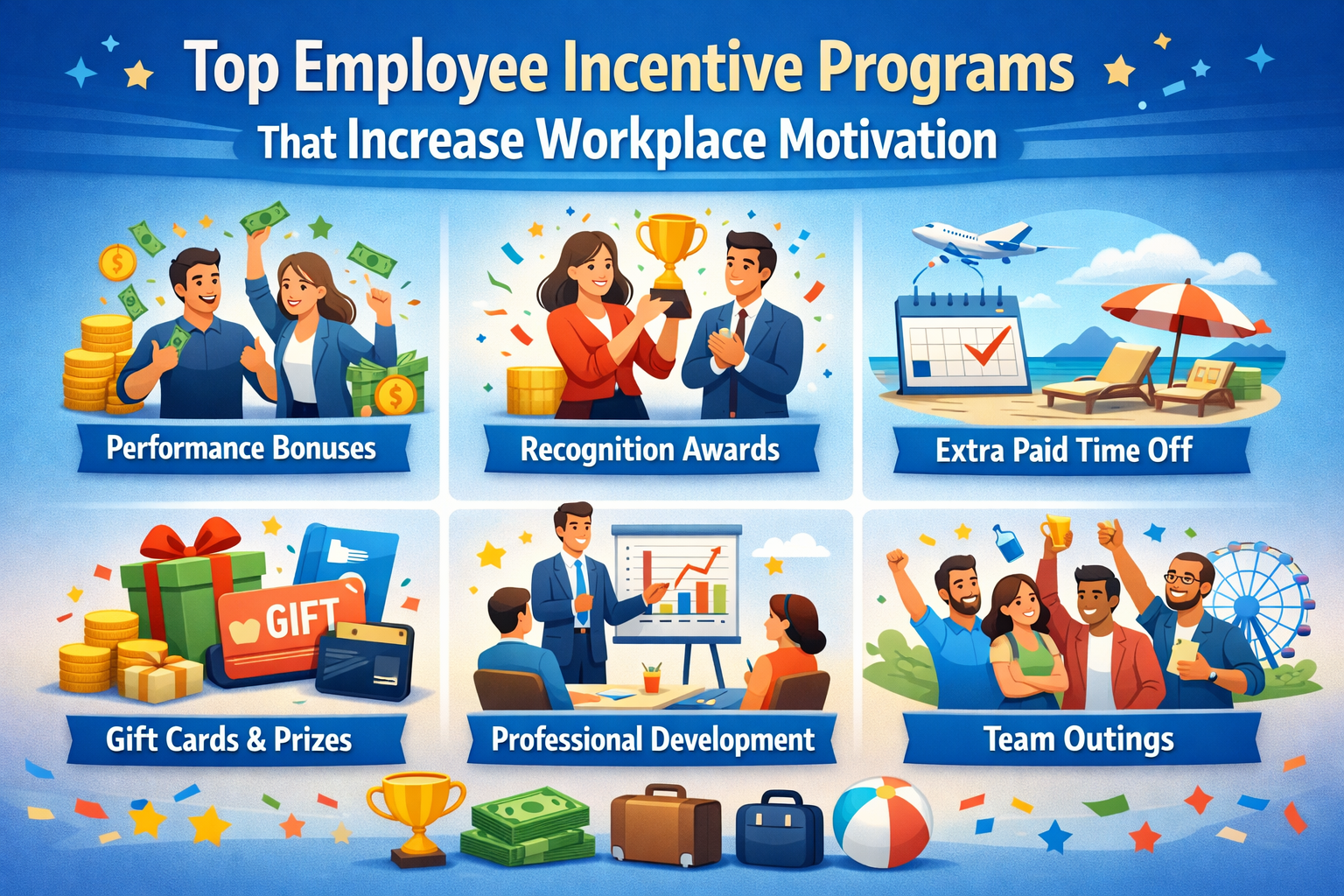
- Reward Selection: Rewards must be scalable and relevant to the target audience. While cash is a universal motivator, experiential rewards (like extra time off) or professional development opportunities (like certification funding) often provide higher emotional impact at a lower cost to the organization.
- Frequency and Timing: Delayed gratification rarely changes behavior in real-time. Link incentives to the completion of specific milestones rather than relying solely on annual performance reviews.
Categorizing Incentive Models
Incentive programs generally fall into three tiers based on their scope and intent. Understanding these categories helps in choosing a structure that fits your specific organizational culture.
- Spot Bonuses: These are informal, immediate rewards given for specific, commendable actions. These are highly effective for reinforcing cultural values, such as collaborative behavior or exceptional customer service.
- Performance-Based Incentives: These are structured, goal-oriented programs. Examples include sales commissions, project completion bonuses, or hitting specific departmental efficiency targets. These require rigorous tracking and clear, signed agreements between the employee and the manager.
- Long-Term Retention Incentives: These programs, such as stock options, deferred bonuses, or tenure-based sabbaticals, are designed to reward longevity and sustained commitment to the organization’s vision.
Implementation Framework: A Step-by-Step Approach
Designing the program is an administrative and cultural undertaking that requires buy-in from both Finance and Human Resources.
Phase 1: Financial Modeling and Budgeting Before launching, calculate the total cost of ownership. This includes the direct reward cost, the administrative costs of tracking performance, and the potential tax implications. In 2026, many organizations are shifting toward "total reward" statements, which incorporate non-monetary incentives into the perceived value of the compensation package.
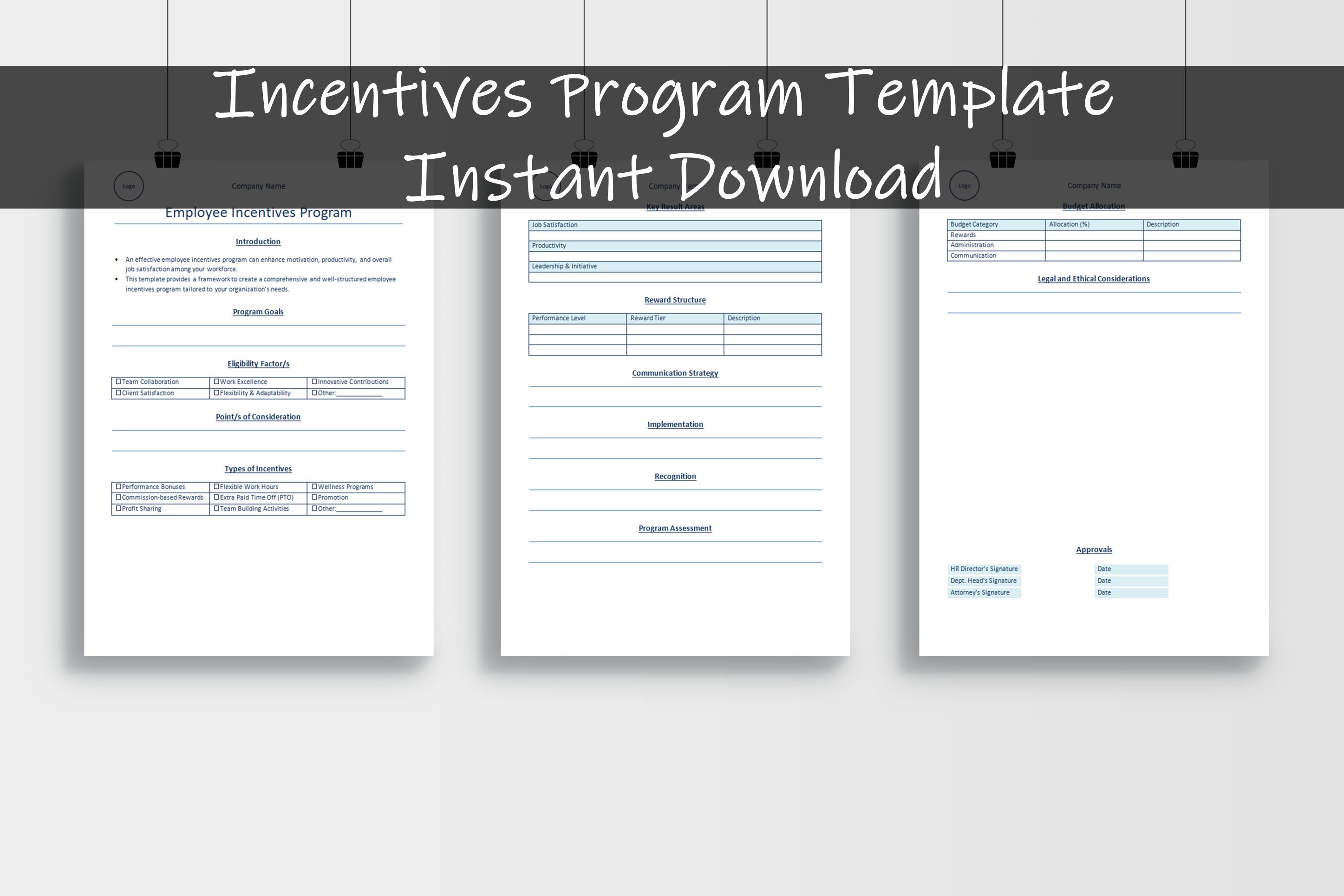
Phase 2: Drafting the Policy Create a written policy document. This document should serve as a source of truth for all employees. It must clearly outline:
- The measurement period (e.g., quarterly, project-based).
- The specific metrics that define success.
- The disqualifiers (e.g., performance improvement plans, disciplinary actions).
- The dispute resolution process.
Phase 3: Communication and Rollout The most common point of failure is poor communication. Leaders should host an all-hands meeting or a departmental workshop to explain the why behind the program. When employees understand how their work contributes to the company's bottom line, their intrinsic motivation increases.
Comparison of Incentive Types
| Incentive Type | Frequency | Primary Goal | Best For |
|---|---|---|---|
| Spot Bonus | Immediate | Recognition | Cultural alignment, morale |
| KPI Bonus | Monthly/Quarterly | Productivity | Sales, operations, support |
| Profit Sharing | Annually | Ownership | Aligning with firm-wide success |
| Professional Dev | Ad-hoc | Growth | Retention, skill acquisition |
Avoiding Common Implementation Pitfalls
Even with the best intentions, incentive programs can backfire if they are poorly designed or executed. Be wary of these common risks:
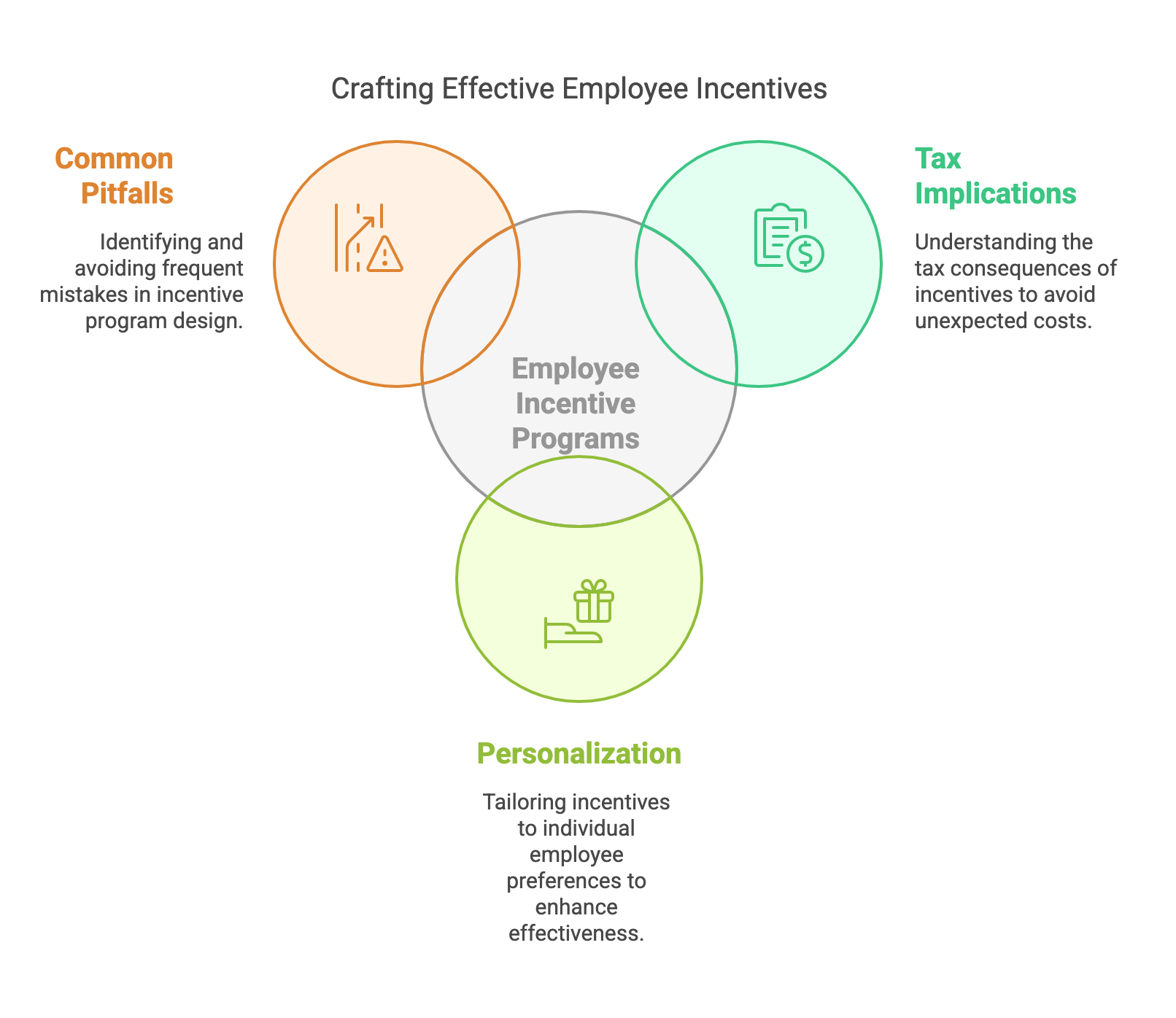
- The "Zero-Sum" Game: If your incentive program makes employees feel they are competing against their teammates, you risk destroying internal collaboration. Always prioritize team-based incentives alongside individual ones to maintain a healthy work environment.
- Unattainable Goals: If a goal is perceived as impossible, employees will disengage entirely. Use historical data to set "stretch goals" that are difficult but demonstrably reachable.
- Neglecting Non-Financial Drivers: Financial rewards satisfy, but they do not always motivate in the long term. Pair your monetary incentives with public acknowledgment, professional recognition, or career progression opportunities.
- Compliance and Tax Burdens: Always verify with your legal or accounting department regarding the tax treatment of non-cash rewards. Ensure your documentation meets the requirements for payroll reporting to avoid regulatory friction.
Maintaining Program Momentum
Once the program is active, it must not become a static artifact. Review the efficacy of your incentives every six months. Ask your employees for feedback: Do they find the current rewards meaningful? Is the measurement process too cumbersome?
In 2026, data-driven management is the standard. Use your HR information system (HRIS) to track the correlation between incentive payouts and actual performance gains. If you find that a specific incentive has no measurable impact on performance, pivot. Do not be afraid to adjust the program to better meet the evolving needs of your team.
Frequently Asked Questions
How do I decide if a monetary or non-monetary reward is better? Monetary rewards are best for short-term, effort-based tasks. Non-monetary rewards, such as recognition or flexible working hours, are often better for long-term engagement and building a positive company culture.
Can I change the incentive criteria once the year has started? While you should avoid changing terms mid-stream, you can introduce new programs or modifiers if market conditions or company strategy significantly shift. Ensure any changes are communicated clearly and prospectively.
What should I do if an employee disagrees with their incentive calculation? Establish a formal appeals process. This should be handled by a neutral party, such as an HR representative, who can review the data against the established policy to ensure fairness.
How do we handle taxes for gift cards and travel incentives? In many jurisdictions, these are considered taxable income. Consult your local tax guidelines or payroll provider to ensure these items are correctly processed and reported as per your country's legal requirements.
Should I publish the winners of the incentive programs publicly? Public acknowledgment can be highly motivating for some, but it can alienate others. Offer employees the option to opt-out of public recognition to accommodate different personality types.
How often should we review the program's budget? A quarterly review is recommended. This allows you to scale back if the program is over-budget or expand if the performance gains justify a larger investment.
Final Recommendation
To begin, audit your current recognition efforts. If you lack a formal program, start with a pilot project focused on a single, high-impact area—such as customer satisfaction or error reduction. Use the data from that pilot to refine your criteria, budget, and communication plan before rolling it out to the entire organization. Consistency and transparency are your most important tools in creating a program that truly drives results.
Image Gallery