Understanding Whole Life Insurance in Hong Kong
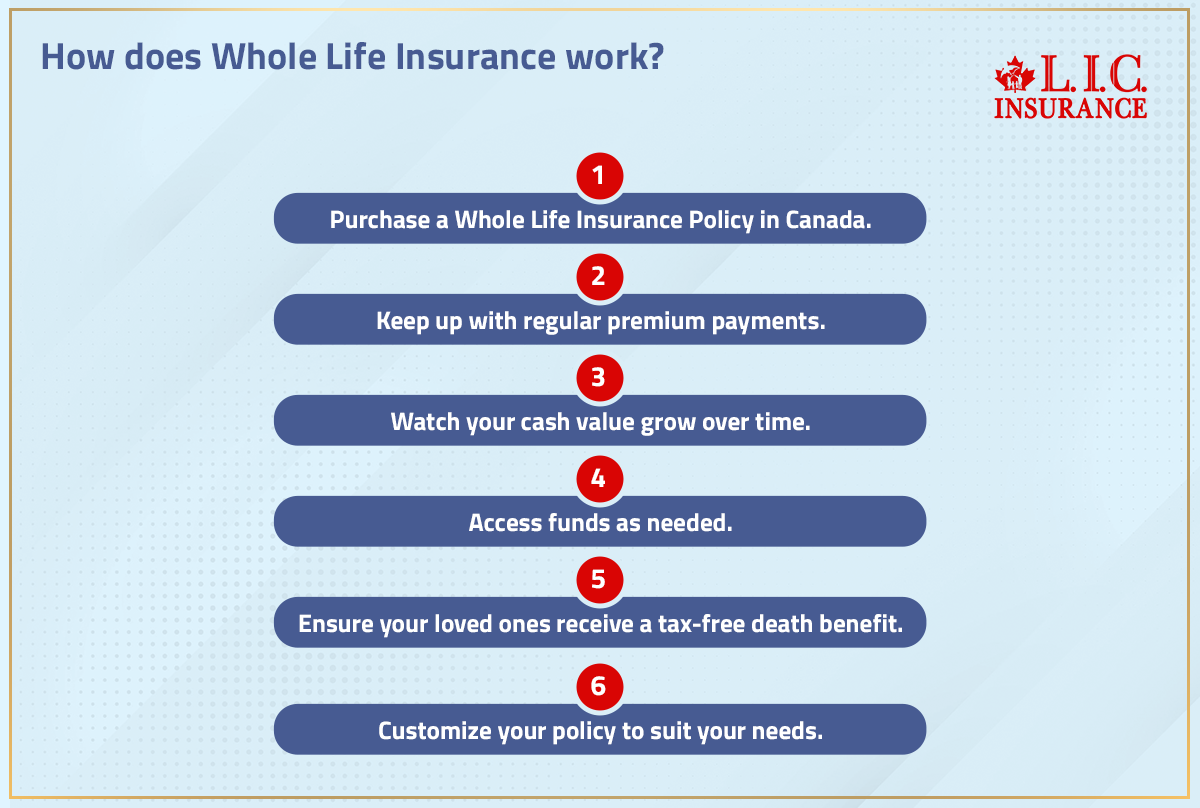
Whole life insurance in Hong Kong is a permanent life insurance contract designed to provide lifetime protection coupled with a savings or investment component known as a cash value. It combines a guaranteed death benefit for beneficia...
Whole life insurance in Hong Kong is a permanent life insurance contract designed to provide lifetime protection coupled with a savings or investment component known as a cash value. It combines a guaranteed death benefit for beneficiaries with a guaranteed and non-guaranteed accumulation of capital, serving both risk-management and long-term wealth preservation goals within the territory's unique financial landscape.
Contents
Introduction to Permanent Protection in the Special Administrative Region
Navigating the financial landscape of Hong Kong requires an understanding of how local insurance products integrate risk mitigation with estate planning. Unlike term life insurance, which covers a specific period and expires without value if the insured outlives the term, whole life insurance remains in force for the entire life of the insured, provided premiums are paid. In Hong Kong, these policies are issued by authorized insurers regulated by the Insurance Authority (IA). They frequently feature multi-currency options—such as Hong Kong Dollars (HKD), US Dollars (USD), and Renminbi (RMB)—to cater to the international profile of local residents and expatriates.
For individuals seeking long-term financial security, whole life policies function as a dual-purpose instrument. They secure a legacy for heirs while building a cash surrender value that policyholders can borrow against or withdraw during their lifetime. However, understanding the mechanics of these policies requires a close examination of premium structures, dividend allocations, and the regulatory environment governed by the Insurance Authority of Hong Kong.
Core Features and Mechanics of Hong Kong Whole Life Policies
A standard whole life insurance policy in Hong Kong consists of several foundational components that dictate its performance and cost over decades.
The Guaranteed Death Benefit
The primary contractual obligation of a whole life policy is the payment of the sum assured to designated beneficiaries upon the death of the insured. In Hong Kong, this death benefit is generally free from income and estate taxes, as Hong Kong does not levy capital gains tax or estate duty (which was abolished in 2006). This makes the payout an efficient vehicle for generational wealth transfer.
Cash Value Accumulation
Part of the premium paid goes toward the insurance company’s general account or participating funds, where it builds a cash value over time. This cash value grows on a tax-deferred basis. Policyholders can access this capital through policy loans or by surrendering the policy for its cash surrender value, though doing so reduces the death benefit and may incur surrender charges in the early years of the contract.
Participating vs. Non-Participating Policies
Most whole life insurance sold as wealth-building tools in Hong Kong are "participating" policies. These contracts share in the financial performance of the insurer’s participating fund through dividends. Dividends typically consist of two parts:
- Reversionary Bonuses: Added periodically to the face amount of the policy, increasing the total death benefit and future cash value once declared.
- Terminal Bonuses: A one-time bonus paid out upon surrender, maturity, or the death of the insured, heavily influenced by the long-term performance of the insurer's underlying asset portfolio, which often includes global equities and fixed-income assets.
Premium Payment Structures and Financial Commitments
Whole life policies require disciplined financial planning due to their long-term nature. Insurers in Hong Kong offer several premium payment terms to accommodate different cash flow situations.
Premium Payment Term Options
- Life-Long Premiums: The policyholder pays premiums for the entire life of the insured. This option offers the lowest annual premium outlay in the early years but carries the risk of premium burden in retirement.
- Limited Payment Terms: Premiums are paid over a compressed, predetermined period, such as 5, 10, 18, or 25 years. Once this period concludes, the policy is considered "fully paid," and no further premiums are required while lifetime coverage continues. This is a popular choice for retirement planning, allowing individuals to align their peak earning years with their insurance funding obligations.
- Single Premium: The entire cost of the policy is paid upfront in one lump sum. This structure maximizes the immediate cash value accumulation and is frequently utilized by high-net-worth individuals repositioning liquid assets.
Prepayment and Currency Considerations
Many Hong Kong insurers allow policyholders to prepay future premiums into a premium deposit account, which earns a specified interest rate. Furthermore, given Hong Kong's status as an international financial center, policies denominated in US Dollars are widespread. Because the HKD is pegged to the USD, currency risk between these two currencies is minimal, but policyholders selecting RMB or other foreign currency denominations must account for exchange rate fluctuations that can impact both premiums and payouts.
| Feature | Term Life Insurance | Whole Life Insurance (Participating) |
|---|---|---|
| Duration | Fixed period (e.g., 10, 20, or to age 65) | Lifetime (up to age 99 or 100+) |
| Cash Value | None | Accumulates guaranteed and non-guaranteed cash value |
| Primary Purpose | Pure income replacement for dependents | Wealth accumulation, legacy planning, and lifelong protection |
| Premium Cost | Lower initial cost, increases upon renewal | Higher initial cost, but can be locked in or limited to a set term |
| Dividends | Not applicable | Eligible for reversionary and terminal bonuses |
Regulatory Framework and Consumer Protections
Insurance products in Hong Kong are strictly regulated to protect consumer interests. Understanding these safeguards helps policyholders evaluate counterparty risk and contractual transparency.
The Insurance Authority (IA)
The Insurance Authority is the independent statutory body that regulates the insurance industry in Hong Kong. It ensures that insurers maintain adequate solvency margins and capital reserves to meet their long-term obligations to policyholders. Before purchasing a whole life policy, consumers should verify that the issuing company is authorized by the IA.
Policyholder Protection Scheme (PPS)
While Hong Kong has established legislative frameworks for a Policyholder Protection Scheme to provide a safety net in the event of an insurer's insolvency, consumers must be aware of the specific statutory scopes and limits regarding life insurance policies. Direct consultation with the IA or the insuring institution provides the most accurate, up-to-date status of protection limits.
Cooling-Off Period
Under Hong Kong insurance regulations, policyholders are granted a statutory "cooling-off period." This typically lasts for 21 days after the delivery of the policy or the notice of policy issuance to the policyholder or their representative. During this window, the policyholder has the right to cancel the contract and receive a full refund of premiums paid, provided no claims have been made.
Advantages of Hong Kong Whole Life Insurance
Whole life insurance offers specific strategic benefits for residents and international clients utilizing Hong Kong's financial infrastructure:
- Estate Liquidity: Provides immediate, liquid capital to beneficiaries upon death to cover liabilities, estate duties (where applicable in other jurisdictions), or business succession needs without forcing the fire-sale of illiquid assets like real estate.
- Global Diversification: Many Hong Kong insurance institutions manage multi-currency funds with global asset allocations, allowing local and expatriate clients to diversify away from domestic currency or market concentrations.
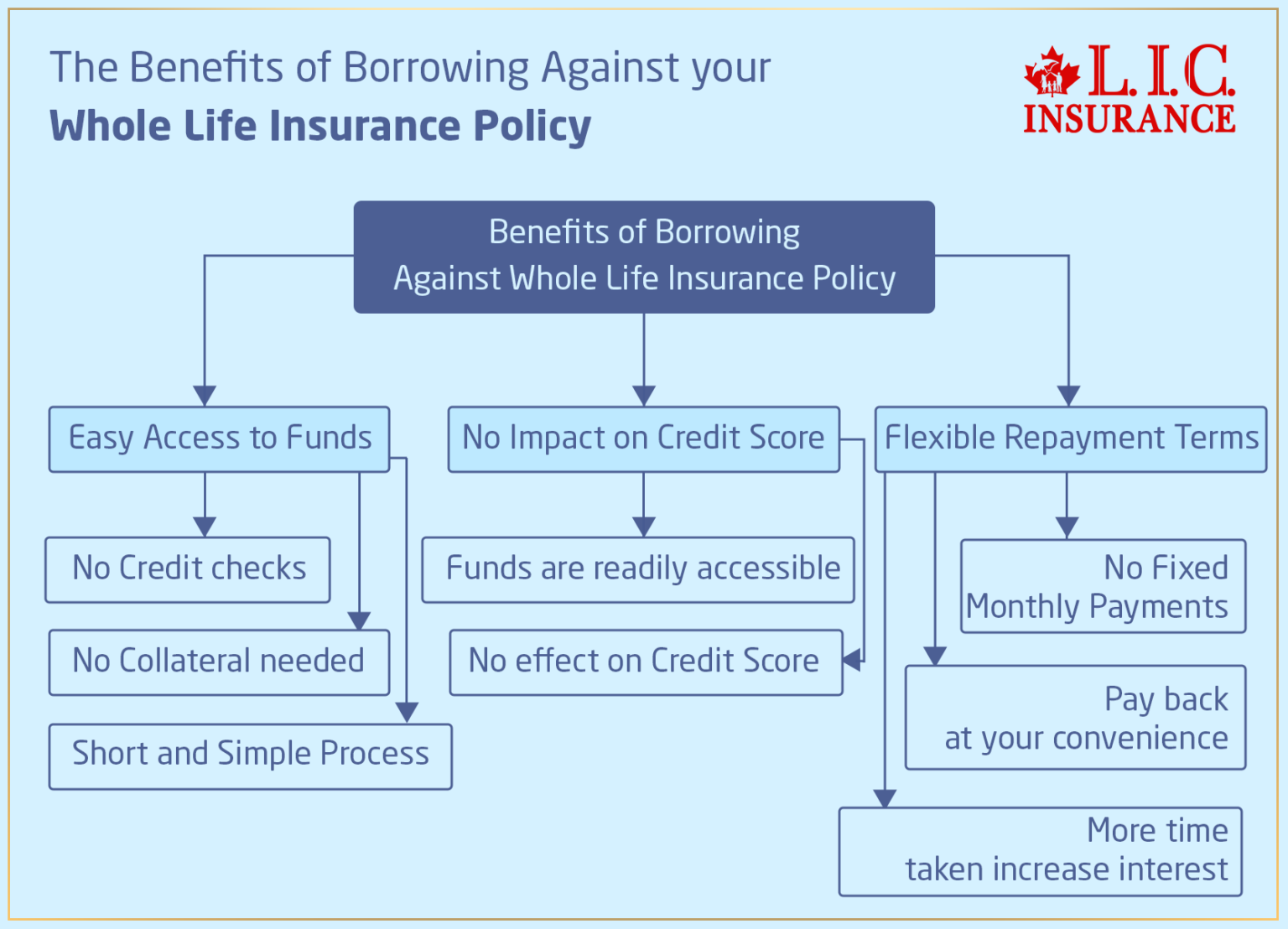
- Policy Loans: Enables policyholders to borrow up to a specified percentage of their cash surrender value directly from the insurer without undergoing stringent underwriting checks or credit score evaluations, offering a source of liquidity during financial crunches.
Potential Limitations and Risks
Despite their benefits, whole life policies require careful evaluation due to several structural limitations:
- High Initial Costs: Whole life policies are significantly more expensive than term insurance in the early years because a large portion of the premium is allocated to reserves and cash value building rather than pure mortality protection.
- Low Early Liquidity: If a policy is surrendered within the first few years, the cash surrender value may be substantially lower than the total premiums paid due to upfront administrative, distribution, and underwriting fees.
- Non-Guaranteed Return Risk: While the base death benefit and a minimum cash value are guaranteed, the projected total returns—driven by terminal and reversionary bonuses—are not guaranteed. If the insurer's participating fund underperforms relative to its historical assumptions, the actual payouts may fall short of initial policy illustrations.
Frequently Asked Questions
Can non-residents buy whole life insurance in Hong Kong?
Yes, non-residents can purchase whole life insurance policies in Hong Kong, provided the application and policy sign-off take place physically within the territory, complying with regulatory requirements set by the Insurance Authority. Non-residents must provide valid identification, proof of address, and complete anti-money laundering (AML) compliance checks.
What happens if I miss a premium payment on a whole life policy?
If a premium is not paid by the end of the statutory grace period (usually 30 days), most whole life policies with an accumulated cash value feature an "automatic premium loan" provision. The insurer uses the policy's cash value to pay the overdue premium automatically, keeping the policy active as long as sufficient cash value remains. If the cash value is depleted, the policy will lapse.
How are dividends and bonuses taxed in Hong Kong?
Hong Kong operates a territorial tax system that does not levy capital gains tax, withholding tax on insurance dividends, or estate duty. Consequently, payouts from whole life insurance policies, including cash value withdrawals, dividends, and death benefits, are generally received tax-free by the policyholder or beneficiaries within Hong Kong. Tax implications may still apply depending on the tax residency of the policyholder in other jurisdictions.
What is the difference between cash value and cash surrender value?
The cash value is the total mathematical reserve accumulated within the policy. The cash surrender value is the net amount the policyholder receives if they voluntarily terminate the contract before maturity or the insured's death. This surrender value may be reduced by outstanding policy loans, interest, and early-termination surrender charges specified in the contract.
Can I change the currency of my whole life policy after issuance?
Generally, the currency denomination of a whole life policy cannot be changed once the contract is executed. Policyholders must carefully select their preferred currency—such as HKD, USD, or RMB—at the time of application, taking into account their long-term income sources, geographic mobility, and future liabilities.
Next Actions for Prospective Policyholders
Before committing to a whole life insurance contract in Hong Kong, prospective buyers should request a formal policy illustration from a licensed intermediary. This document outlines the guaranteed versus non-guaranteed elements, projected cash values over 10, 20, or 30 years, and historical fulfillment ratios of the insurer. Reviewing the insurer's fulfillment ratios for participating bonuses offers empirical insight into how accurately the company has met its past non-guaranteed dividend projections. Consulting an independent financial advisor registered with the Insurance Authority can further ensure the selected policy aligns with broader estate planning and retirement objectives.
Image Gallery