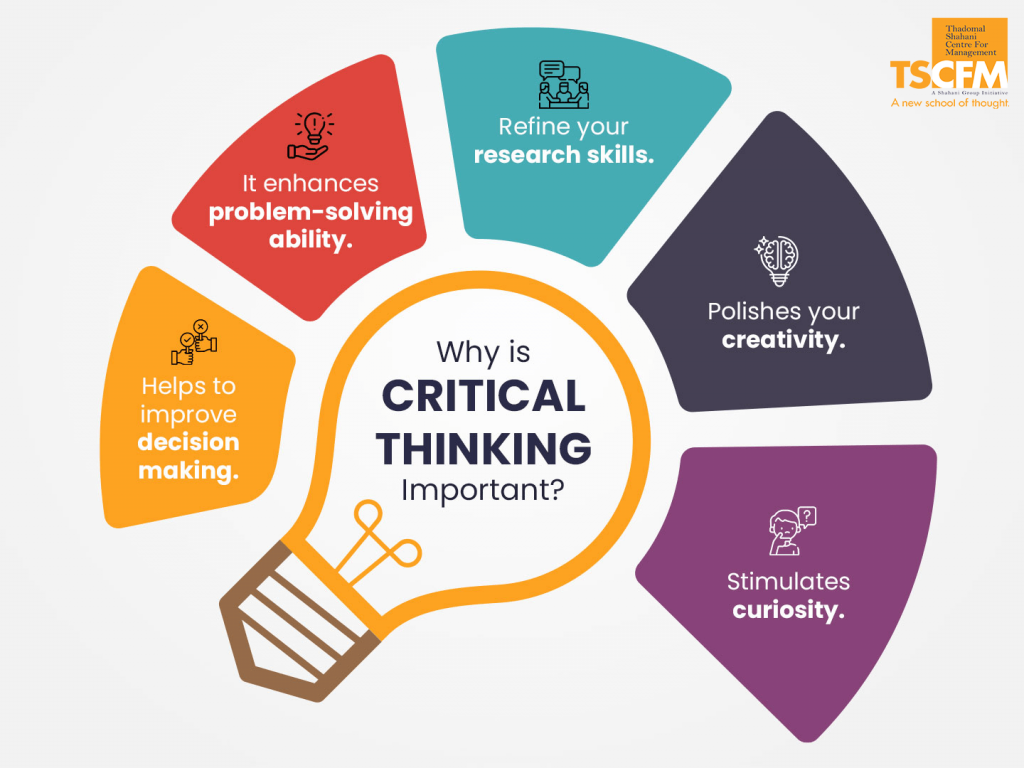
Mastering Critical Thinking Strategies Within the Escapesf Net Framework
Critical thinking within the escapesf net ecosystem requires a structured, analytical approach to dissect complex digital information, evaluate underlying assumptions, and synthesize logical conclusions. By deploying rigorous verificat...
Critical thinking within the escapesf net ecosystem requires a structured, analytical approach to dissect complex digital information, evaluate underlying assumptions, and synthesize logical conclusions. By deploying rigorous verification frameworks, users can significantly enhance their cognitive precision, mitigate cognitive biases, and navigate intricate online environments safely in 2026.
Contents
Understanding the Escapesf Net Paradigm and Cognitive Fundamentals
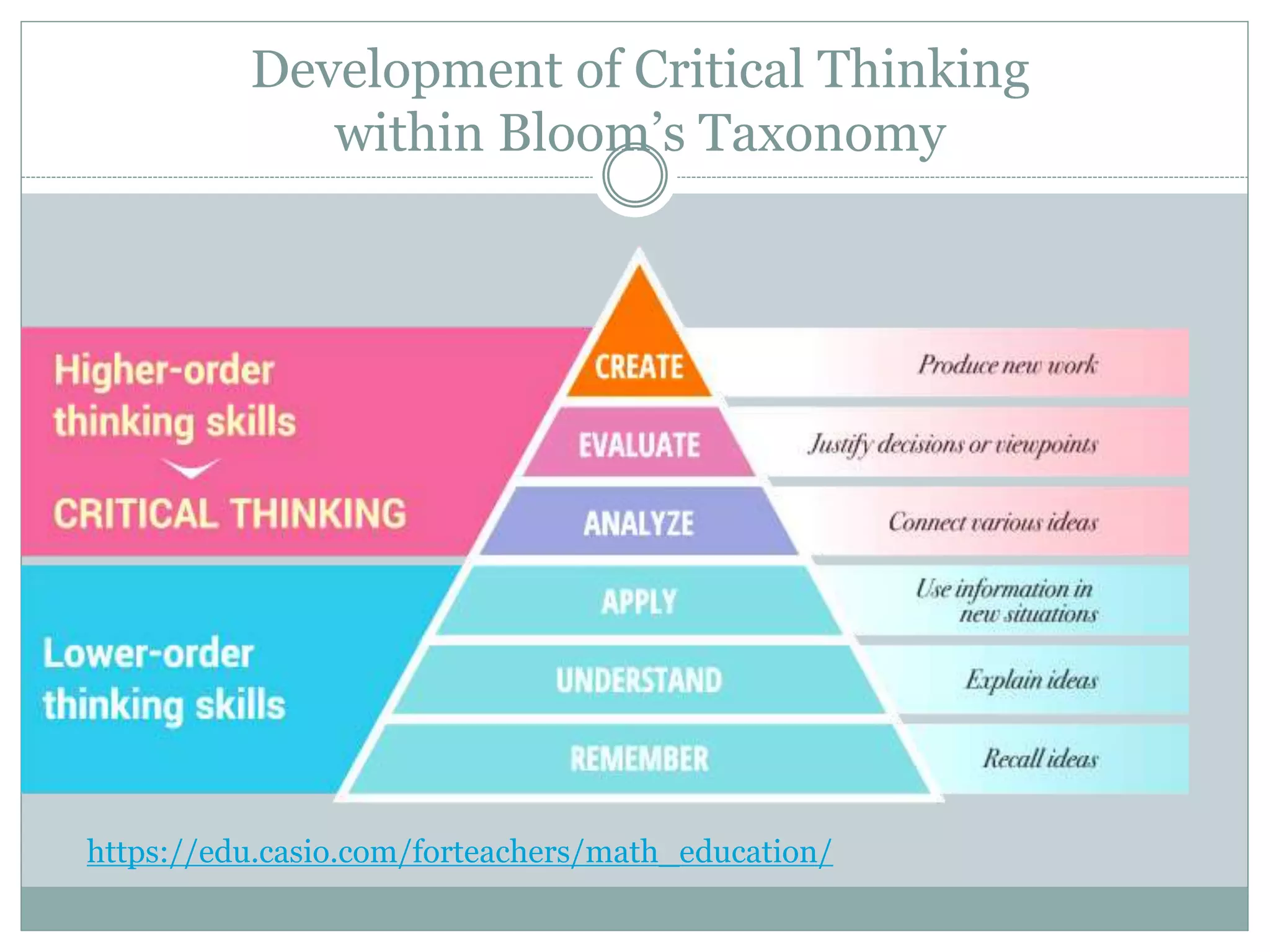
The intersection of digital resource networks and cognitive processing demands a foundational understanding of how information is structured, transmitted, and consumed. Within modern technological frameworks, users are constantly bombarded with unstructured data, requiring an immediate filter of skepticism and logical analysis. Critical thinking is not merely about doubting information; it is about establishing a systematic methodology for validation.
To build a robust analytical foundation, practitioners must master several core cognitive principles:
- Intellectual humility to recognize the limitations of one's own knowledge base.
- Active skepticism toward unverified claims presented in digital forums.
- Systematic pattern recognition to identify logical fallacies in digital discourse.
- Objective evaluation of source credibility and historical data accuracy.
Core Pillars of Analytical Evaluation in Digital Networks
Evaluating information within specialized digital architectures requires a multi-layered verification protocol. When engaging with complex data sets or community-driven networks, individuals must isolate the primary assertion from emotional or rhetorical framing. This process relies on established standards of evidence and empirical corroboration.
| Analytical Layer | Primary Objective | Verification Standard | Common Pitfall |
|---|---|---|---|
| Source Auditing | Determine publisher authenticity | Official credentials and domain history | Trusting visually polished web designs blindly |
| Data Triangulation | Cross-reference claims across independent nodes | Minimum three distinct primary sources | Relying on echo chambers or circular citations |
| Logical Consistency | Test internal coherence of arguments | Formal validity and absence of contradiction | Falling for emotional appeals or straw-man fallacies |
| Contextual Review | Verify temporal and environmental relevance | Direct alignment with current 2026 operational guidelines | Applying outdated historical rules to active environments |
Step-by-Methodical-Step Guide to Deconstructing Complex Digital Arguments
Executing a thorough critical analysis involves a sequential workflow designed to strip away bias and reveal the underlying structural integrity of any given argument or digital resource.
- Isolate the Core Thesis: Read or review the target material entirely before forming an opinion. Identify the single central claim the author or network node is attempting to prove.
- Examine Explicit and Implicit Assumptions: List every premise that must be true for the core thesis to hold. Identify unstated biases, financial incentives, or structural limitations inherent in the source.
- Gather Counter-Evidence: Actively search for data points, technical documentation, or expert consensus that contradicts the primary thesis. A balanced perspective requires confronting opposing viewpoints directly.
- Test Against Real-World Constraints: Evaluate how the claims perform under operational stress, resource limitations, or standardized technical benchmarks.
- Synthesize Final Conclusions: Formulate a nuanced judgment based strictly on verifiable evidence rather than speculative projection or consensus pressure.
Operational Strategy Note for Advanced Analysts When evaluating high-stakes digital environments, always separate empirical telemetry from subjective user commentary. Technical data logs and documented system behaviors provide a much higher fidelity baseline than anecdotal forum posts or unverified community assertions.
Comparative Analysis: Intuitive Processing Versus Systematic Critical Frameworks
Relying purely on intuitive gut reactions in complex digital landscapes often leads to systemic errors in judgment. A structured comparison highlights the operational differences between unstructured intuition and disciplined critical thinking methodologies.
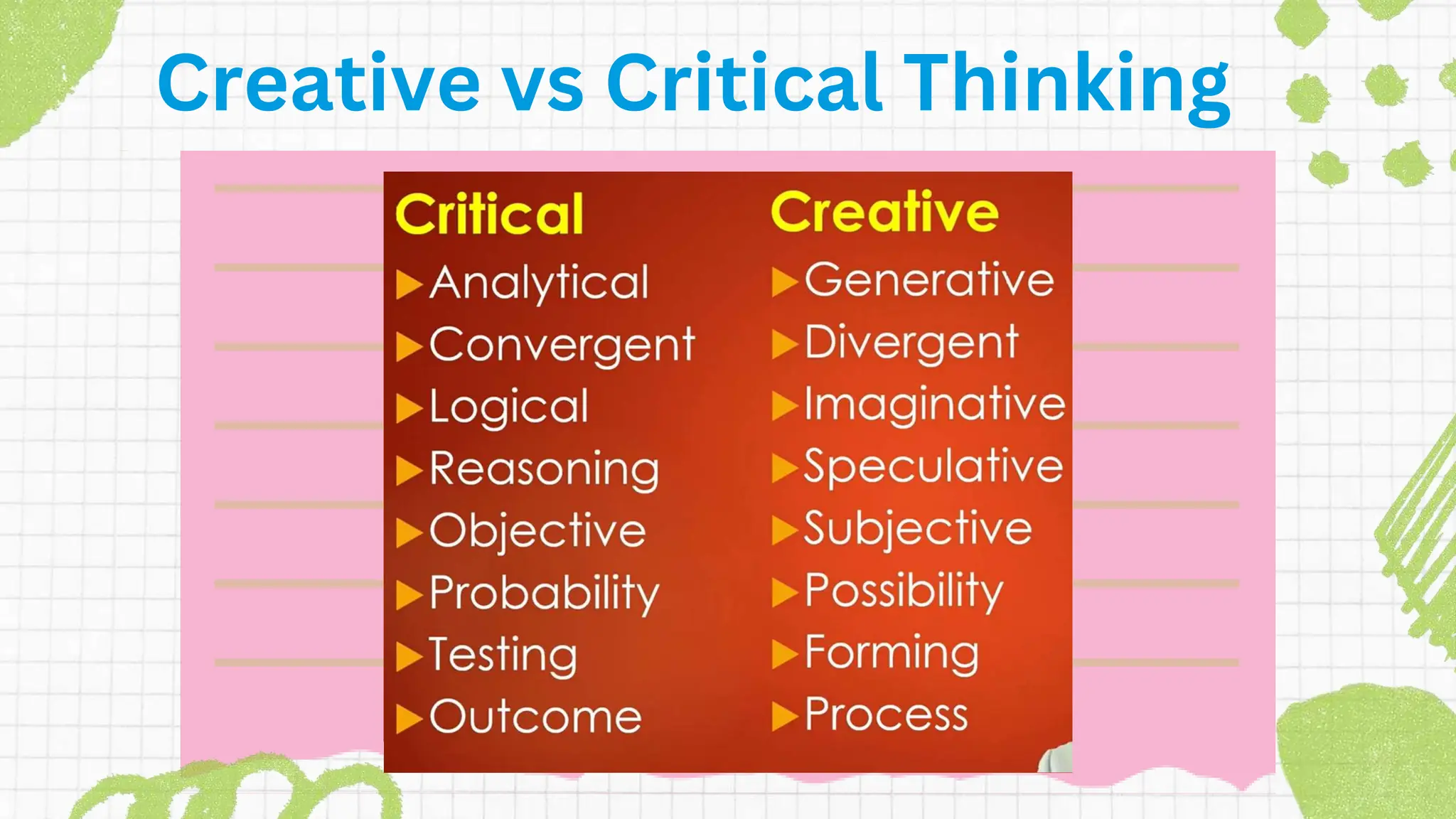
- Speed of Execution: Intuition offers instantaneous decision-making, whereas systematic critical thinking requires deliberate time investment and cognitive effort.
- Error Rate: Intuitive processing is highly susceptible to cognitive biases, confirmation bias, and emotional interference. Structured frameworks drastically lower error rates by enforcing objective verification steps.
- Scalability: Unstructured thought processes fail when applied to multi-variable technical problems, whereas systematic frameworks scale effectively across complex, data-rich environments.
- Auditability: Intuitive decisions cannot be easily explained or reproduced by others. Critical thinking leaves a clear, logical paper trail that can be audited, reviewed, and refined over time.
Common Pitfalls and Troubleshooting Inefficiencies in Network Analysis
Even experienced analysts occasionally fall into cognitive traps when processing dense streams of digital information. Recognizing these failure points is essential for maintaining analytical integrity.
- Confirmation Bias Trapo: Selecting only data points that support a pre-existing hypothesis while ignoring robust contradictory evidence. Remedy this by actively assigning a devil's advocate role to review your conclusions.
- Authority Fallacy: Assuming a claim is automatically true simply because it originates from a recognized platform or popular network node. Always verify the underlying data independently of the publisher's reputation.
- Overcomplication: Mistaking convoluted technical jargon for intellectual depth. Force arguments to be translated into clear, plain-language mechanics to test if they hold genuine substance.
- Temporal Mismatch: Utilizing outdated historical paradigms to evaluate modern 2026 operational frameworks. Always verify the publication date and active status of all reference materials.
Frequently Asked Questions About Network Critical Thinking
What is the primary purpose of applying critical thinking within specialized digital networks?
The primary purpose is to filter out misinformation, validate technical claims objectively, and make sound, evidence-based decisions rather than reacting to emotional or unverified stimuli. This protects users from systemic errors and security risks.
How do I verify the credibility of an unfamiliar digital source?
Cross-reference the publisher's domain history, check for transparent editorial standards, and look for independent corroboration from recognized industry experts or primary government documentation. Never rely on a single isolated node for verification.
Why is confirmation bias dangerous in analytical workflows?
Confirmation bias blinds analysts to critical counter-evidence, resulting in flawed conclusions, compromised security postures, and poor decision-making. Counteracting it requires actively seeking out data points that disprove your initial hypothesis.
Can critical thinking techniques be automated within digital tools?
While algorithms can assist with data aggregation, source auditing, and pattern recognition, the final evaluation of context, nuance, and ethical implications requires human cognitive engagement and structured logical analysis.
What distinguishes a formal fallacy from an informal fallacy in digital arguments?
A formal fallacy is an error in the structural deductive logic of an argument where the conclusion does not follow from the premises. An informal fallacy stems from an error in the content, context, or wording of the premises themselves, such as emotional manipulation or misleading generalizations.
Optimizing Your Analytical Workflow for Long-Term Success
Mastering critical thinking within the escapesf net framework is an ongoing discipline rather than a one-time achievement. By consistently applying rigorous source audits, maintaining intellectual humility, and avoiding common cognitive traps, practitioners can navigate complex digital spaces with absolute confidence and precision. Cultivate these analytical habits daily to ensure robust, evidence-based outcomes in all your digital engagements.
Image Gallery