Complete Guide to the 10-22 Police Code and Radio Communication Standards
The 10-22 police code generally translates to "disregard" or "cancel last assignment" in standard Association of Public-Safety Communications Officials (APCO) ten-code systems, though exact meanings vary significantly across regional j...
The 10-22 police code generally translates to "disregard" or "cancel last assignment" in standard Association of Public-Safety Communications Officials (APCO) ten-code systems, though exact meanings vary significantly across regional jurisdictions. Law enforcement agencies utilize these numeric shorthand signals to ensure rapid, concise, and secure voice transmissions over congested radio frequencies.
Contents
Understanding the Origins and Purpose of Police Ten-Codes
The evolution of radio communication within law enforcement required a standardized method for transmitting common commands and status updates. Before the widespread adoption of digital encryption and Computer-Aided Dispatch (CAD) software, officers relied exclusively on analog radio channels. Voice congestion presented a constant hazard during high-stress incidents, making brevity an absolute operational necessity.
Charles S. Hopper, communications director for the Illinois State Police District 10 in Pesotum, formulated the foundational ten-code system around 1937. The choice of the number ten as a prefix was not arbitrary; early radio transmitters suffered from a slight delay or loss of audio clipping when the microphone key was first depressed. By starting every transmission with the word "ten," dispatchers and officers ensured that the subsequent, critical numbers were never clipped or lost in static.
While the Federal Communications Commission (FCC) and the Department of Homeland Security later pushed for agencies to adopt plain English (known as NIMS or National Incident Management System standards) to improve inter-agency operability, many municipal and county departments retained their legacy codes. These codes are deeply embedded in operational culture, providing an efficient shorthand that trained personnel process instantly without the clutter of conversational speech.
Breakdown of the 10-22 Code Meaning and Regional Variations
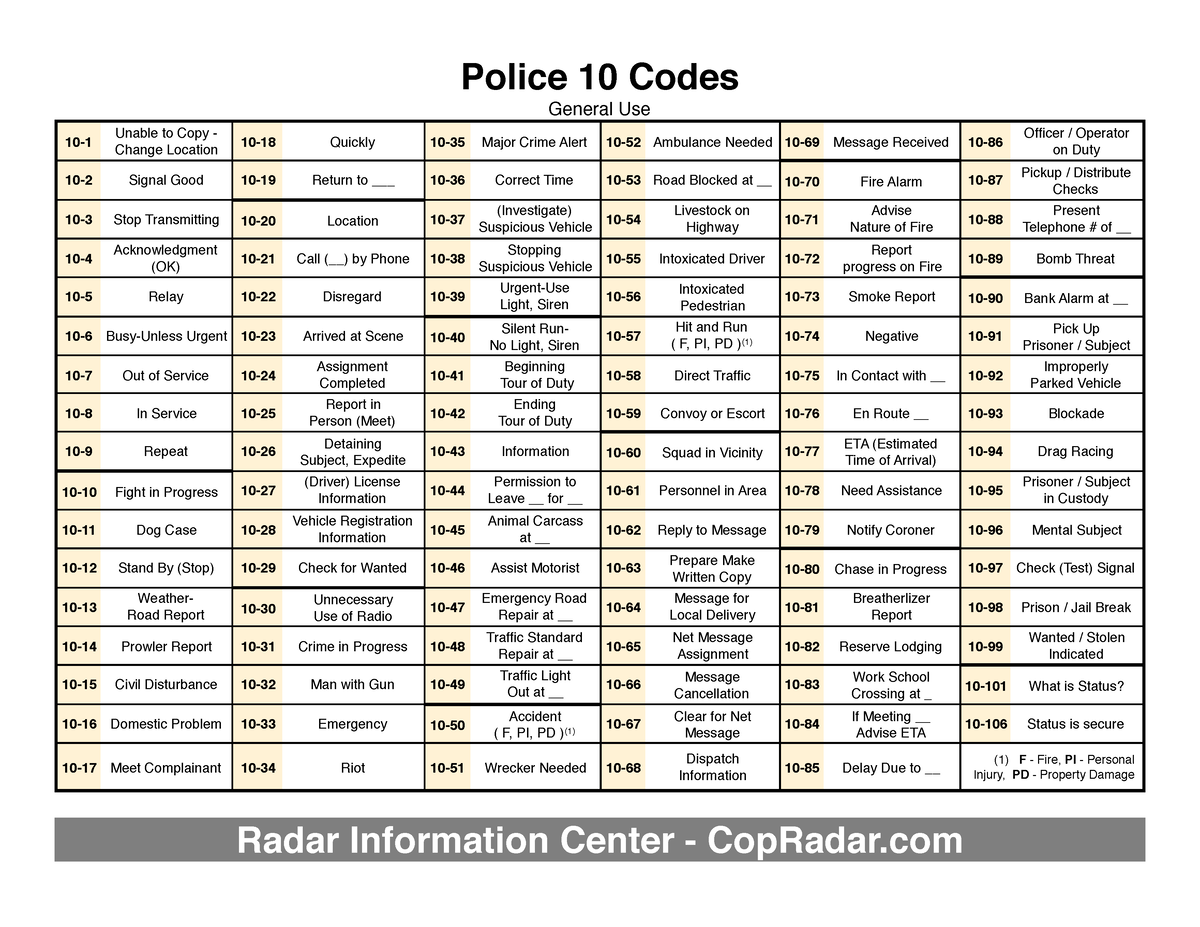
In the classic APCO standard, 10-22 instructs the receiving unit to disregard the previous message or cancel the dispatched assignment. For example, if a patrol car is dispatched to a residential disturbance call, but the complainant calls back to report a peaceful resolution, the dispatcher will broadcast a 10-22 for that specific call number.
However, public safety communications lack a universal federal dictionary, leading to notable discrepancies between state, county, and municipal implementations.
| Jurisdiction or Agency Type | Primary Meaning of 10-22 | Operational Context |
|---|---|---|
| APCO Standard Baseline | Disregard / Cancel | Stopping an active dispatch or revoking a previous order. |
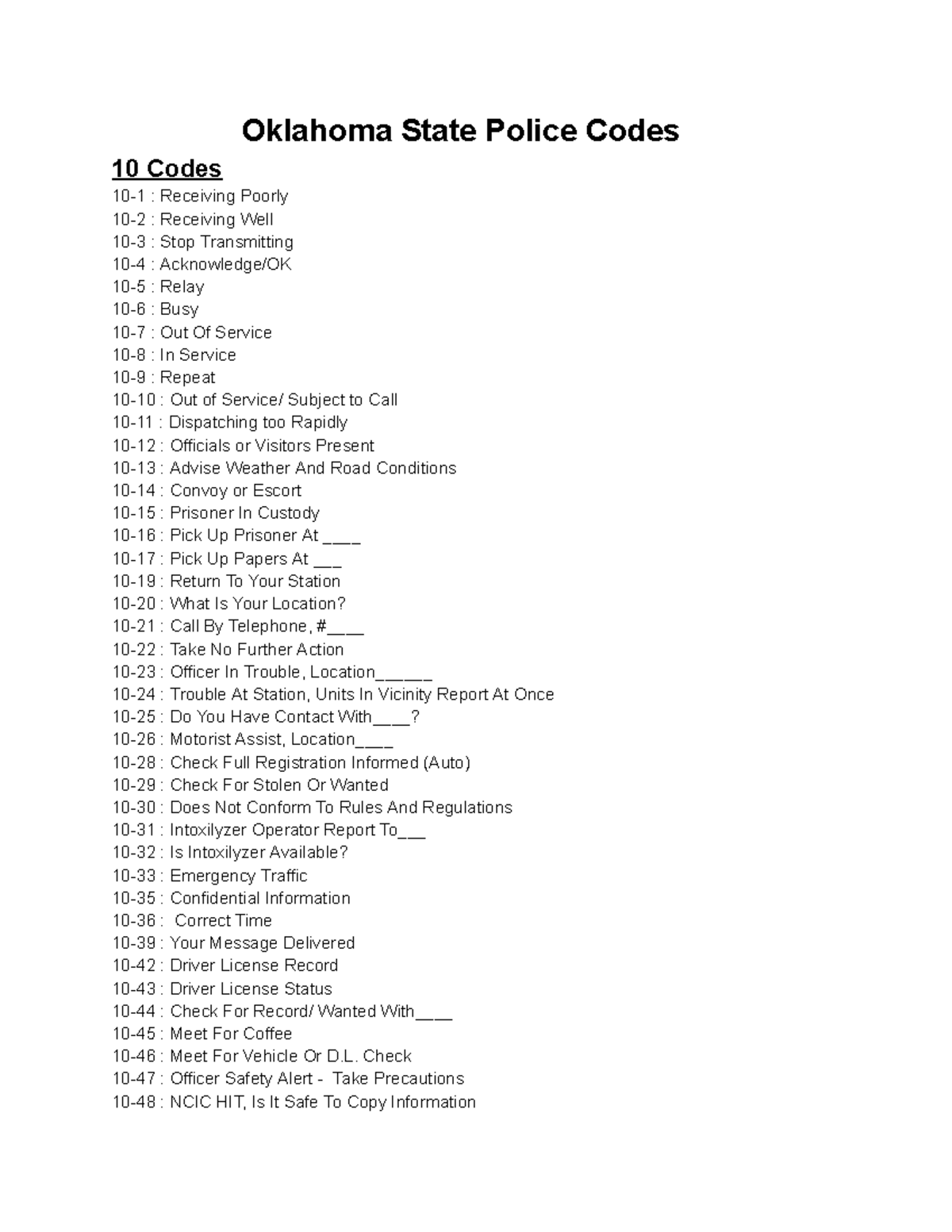
| Specific Municipal Police Departments | Report to [Location] | Instructing an officer to physically travel to a specific precinct or scene. |
| Certain State Highway Patrol Units | Call by Phone | Directing an officer to use a landline or secure cellular line for sensitive traffic. |
| County Sheriff Offices | Cancel Last Assignment | Halting response to a specific burglary or traffic accident report. |
These variations highlight why inter-agency cooperation relies heavily on plain language protocols during mutual aid events. When units from multiple counties converge on a critical incident, dispatchers intentionally drop numeric codes to prevent dangerous misunderstandings.
How Ten-Codes Function in Daily Law Enforcement Operations
Dispatchers and patrol officers operate within a structured communication loop. When a call for service enters the CAD system, the dispatcher evaluates priority levels and assigns available units.
- Initial Dispatch: The dispatcher broadcasts the incident type, location, and responding unit identifiers using standard radio etiquette.
- Acknowledgment: The officer acknowledges the transmission, confirming receipt and current status.
- Status Modification: If conditions change rapidly—such as a suspect fleeing or the situation resolving itself—the dispatcher issues a status update.
- Resolution via Code: If the call is rendered moot, the dispatcher transmits the 10-22 code, allowing the responding unit to safely stand down, cancel emergency lights and sirens, and resume routine patrol.
Using abbreviated codes minimizes airtime. In high-speed pursuits or active crime scenes, keeping radio channels clear of lengthy conversational explanations prevents bottlenecks, ensuring that officers needing urgent backup or medical assistance can transmit immediately.
APCO Ten-Code Comparative Reference Matrix
To understand where 10-22 sits within the broader ecosystem of public safety radio discipline, it helps to review adjacent codes within the standard 10-series framework.
| Code | Standard APCO Definition | Practical Application |
|---|---|---|
| 10-4 | Affirmative / OK | Acknowledging receipt of instructions or confirming a fact. |
| 10-20 | Location | Requesting or stating current geographical position. |
| 10-22 | Disregard / Cancel | Stopping a dispatched action or revoking an order. |
| 10-33 | Emergency Traffic Clear Channel | Mandating silence on the frequency for an urgent officer-needs-help situation. |
| 10-41 | Beginning Tour of Duty | Logging on for the operational shift. |
| 10-42 | Ending Tour of Duty | Logging off at the completion of a shift. |
The Shift Toward Plain English and Modern CAD Systems
In the contemporary public safety landscape, the reliance on numerical codes like 10-22 is gradually declining. Following the implementation of the National Incident Management System (NIMS) in the United States, federal guidelines strongly encouraged public safety answering points (PSAPs) to transition to plain language communications.
The primary driver for this shift is multi-agency interoperability. During major disasters, natural catastrophes, or multi-jurisdictional manhunts, local police, state troopers, federal agents, and fire rescue services must coordinate seamlessly. If Agency A uses 10-22 to mean "Disregard" while Agency B uses it to mean "Call via Phone," a catastrophic miscommunication could occur.
Furthermore, modern Computer-Aided Dispatch and mobile data terminals (MDTs) mounted inside patrol vehicles allow officers to view assignment details, text dispatchers silently, and update their statuses with a single touchscreen tap. Radio voice traffic is increasingly reserved for tactical updates, traffic stops, and emergency alerts. Despite these technological upgrades, veteran officers continue to use traditional codes out of habit and tactical efficiency.
Frequently Asked Questions
What does the police code 10-22 mean?
In the standard APCO ten-code system, 10-22 means "disregard" or "cancel last assignment." It is used by dispatchers to tell responding officers that an emergency call or dispatched task is no longer necessary.
Do all police departments use the same 10-22 definition?
No, police ten-codes are not universally standardized across every jurisdiction. While APCO provides a widely recognized baseline, individual state police, county sheriffs, and municipal departments frequently assign different meanings to the same numbers based on legacy local policies.
Why do police use codes instead of plain English?
Codes were originally created to provide brevity on congested analog radio channels and to protect sensitive information from casual civilian scanner listeners. Shorter transmissions reduce airtime usage during critical public safety operations.
Is the 10-22 code still actively used today?
Yes, many local and county law enforcement agencies still utilize 10-22 and other ten-codes in daily operations. However, many major metropolitan departments have transitioned to plain language protocols to comply with modern NIMS and inter-agency coordination standards.
How does an officer respond to a 10-22 broadcast?
When a dispatcher issues a 10-22 for an active call, the responding officer typically acknowledges the cancellation by stating their call sign and confirming they are returning to routine patrol or rerouting to a new priority assignment.
Practical Recommendations for Radio Operators and Enthusiasts
For individuals monitoring public safety radio frequencies, scanner enthusiasts, or new dispatch trainees, understanding local context is vital. Never assume a code means the same thing across different county lines. Always consult the specific agency's published operational manual or signal book. When studying or working in emergency communications, mastering both legacy ten-codes like 10-22 and modern plain-language mandates ensures safe, effective, and professional performance in the field.
Image Gallery