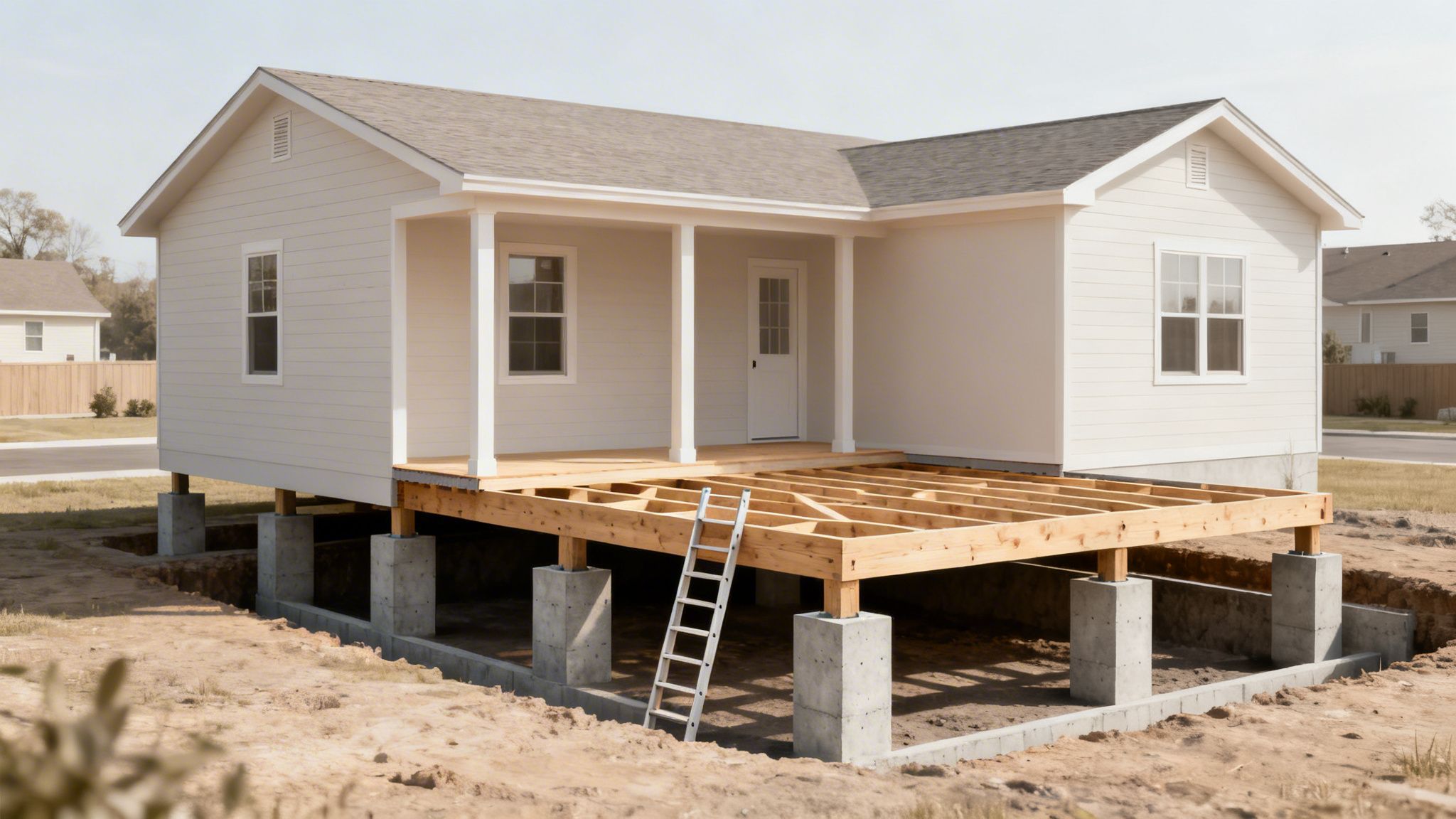
How to Get Beam Foundation Repair Services Near Me
To find beam foundation repair services near you in 2026, identify specialists specifically experienced in pier and beam or crawl space systems. Start by searching for local contractors with high ratings on trade-specific platforms, ve...
To find beam foundation repair services near you in 2026, identify specialists specifically experienced in pier and beam or crawl space systems. Start by searching for local contractors with high ratings on trade-specific platforms, verify their structural repair licenses and insurance, and schedule a professional elevation survey to determine the precise level of intervention required.
Contents
Pier and beam foundations offer a unique set of advantages, such as easier access to plumbing and electrical systems, but they are also susceptible to specific structural issues like wood rot, settling piers, and shifting sill plates. Unlike slab-on-grade foundations, beam systems require a specialized understanding of carpentry and masonry. In 2026, the process of securing these services has become more streamlined through digital diagnostic tools, but the fundamental need for a qualified, local expert remains the most critical step in preserving your home's integrity.
Identifying the Need for Beam Foundation Repair
Before searching for a contractor, you must recognize the symptoms of a failing beam foundation. These systems rely on a network of wooden beams and joists supported by concrete or brick piers. When the soil shifts or moisture infiltrates the crawl space, the equilibrium of this system is disrupted.
Common indicators include sagging or "bouncy" floors, which suggest that the wooden support members are over-spanned, rotting, or have slipped off their seats. You might also notice gaps appearing between the floor and the baseboards or doors that suddenly begin to stick or fail to latch. In more severe cases, external cracks in the crawl space skirting or visible leaning of the interior piers indicate a loss of structural load-bearing capacity.
Because these symptoms can also mimic standard seasonal settling, it is essential to monitor them over a few weeks. If cracks widen or floors become noticeably unlevel, professional intervention is necessary. Ignoring these signs in 2026 can lead to exponentially higher costs, as localized pier failure can eventually stress the entire framing of the house, leading to roof leaks and cracked interior drywall.
How to Search for Local Specialists
When searching for "beam foundation repair services near me," the goal is to filter out general handymen and slab-only foundation companies. Beam foundations require a blend of heavy lifting (jacking) and precision carpentry.
Use Specific Keywords
Avoid generic terms like "house leveling." Instead, use targeted phrases such as:
- "Pier and beam foundation specialists [Your City]"
- "Crawl space structural repair"
- "Sill plate and floor joist replacement"
- "Foundation shimming services"
Consult Verified Trade Directories
In 2026, digital platforms like Angi, Thumbtack, and the Better Business Bureau (BBB) remain primary resources for checking a company’s track record. Look for contractors who have been in business for at least five to ten years. Foundation repair is a "referral-heavy" industry; therefore, checking local community boards or neighborhood-specific apps can provide honest insights into a contractor's cleanup habits and communication style.
Verify Licensing and Insurance
Structural repair is high-risk work. Ensure the contractor holds a current professional license required by your state or municipality. More importantly, verify they carry General Liability insurance and Workers' Compensation. If a worker is injured in your crawl space and the company is not insured, you could be held liable. Request a Certificate of Insurance (COI) directly from their provider rather than accepting a printed copy.
The Professional Inspection and Diagnostic Process
A reputable foundation repair service will not simply give you a quote over the phone. They must perform an on-site evaluation, which typically involves two main components: an elevation survey and a crawl space inspection.
The Elevation Survey
Modern contractors in 2026 utilize advanced tools like the Zip Level or high-precision laser levels. They will take a "zero point" (usually at the center of the home or the highest corner) and map the floor's elevation across every room. A variance of more than an inch over a short distance usually triggers a recommendation for leveling. This data provides a baseline to ensure that after the repair, the house is returned to its original design specifications.
Crawl Space Exploration
The technician must physically enter the crawl space to inspect the "bones" of the foundation. They will look for:
- Wood Moisture Content: Using a moisture meter to see if the beams are at risk of fungal decay or termite infestation.
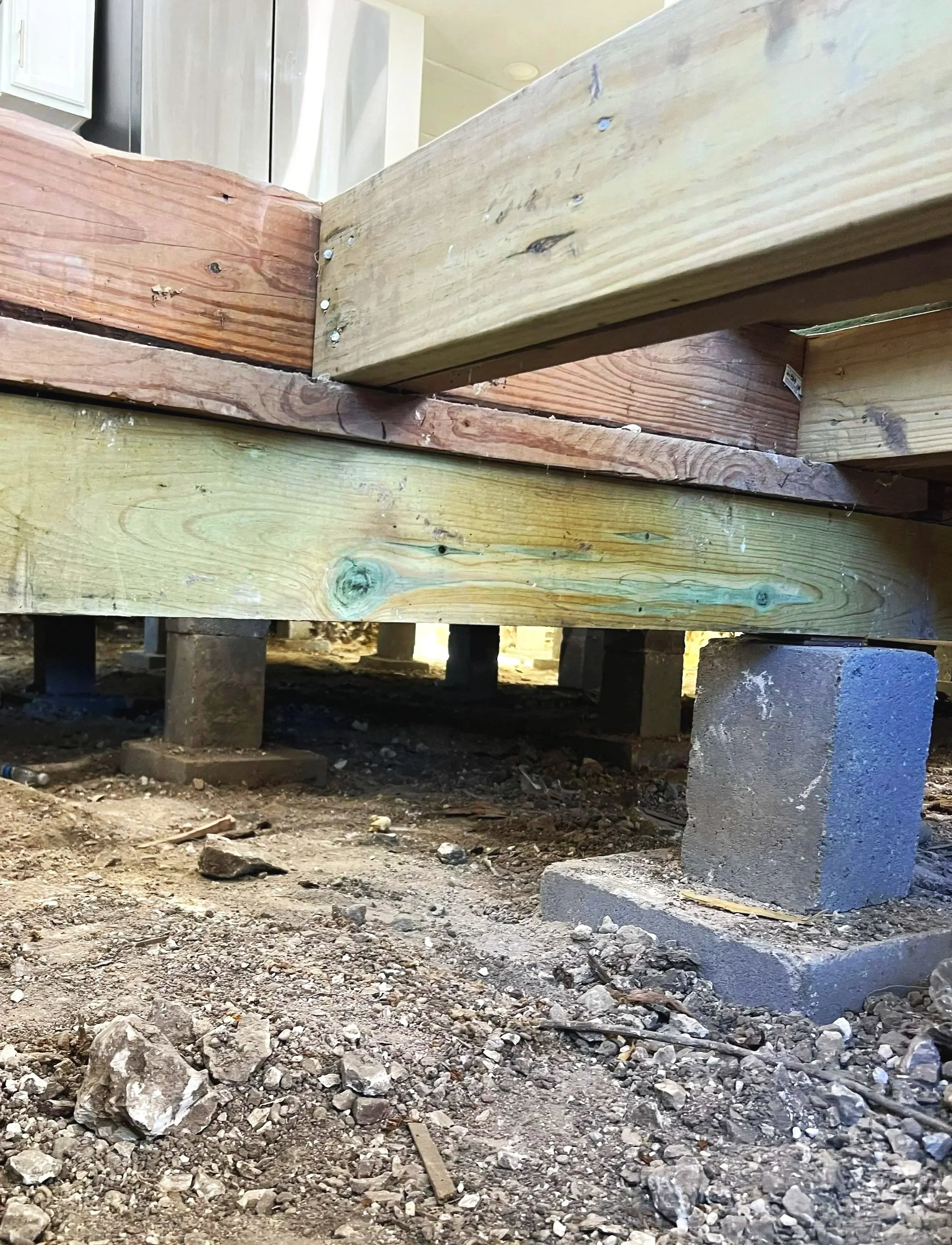
- Pier Integrity: Checking if concrete blocks are cracking or if "shimming" (the small wooden or steel plates used to fine-tune height) has compressed or rotted.
- Soil Conditions: Identifying standing water or excessive dryness, both of which cause the earth to move and shift the piers.
Common Repair Methods for Beam Foundations
Understanding the solutions allows you to evaluate the proposals you receive. A "one-size-fits-all" approach is rarely appropriate for beam foundations.
| Repair Method | Description | Primary Use Case |
|---|---|---|
| Reshimming | Replacing old wood shims with high-density steel or pressurized wood. | Minor settling where piers are still structurally sound. |
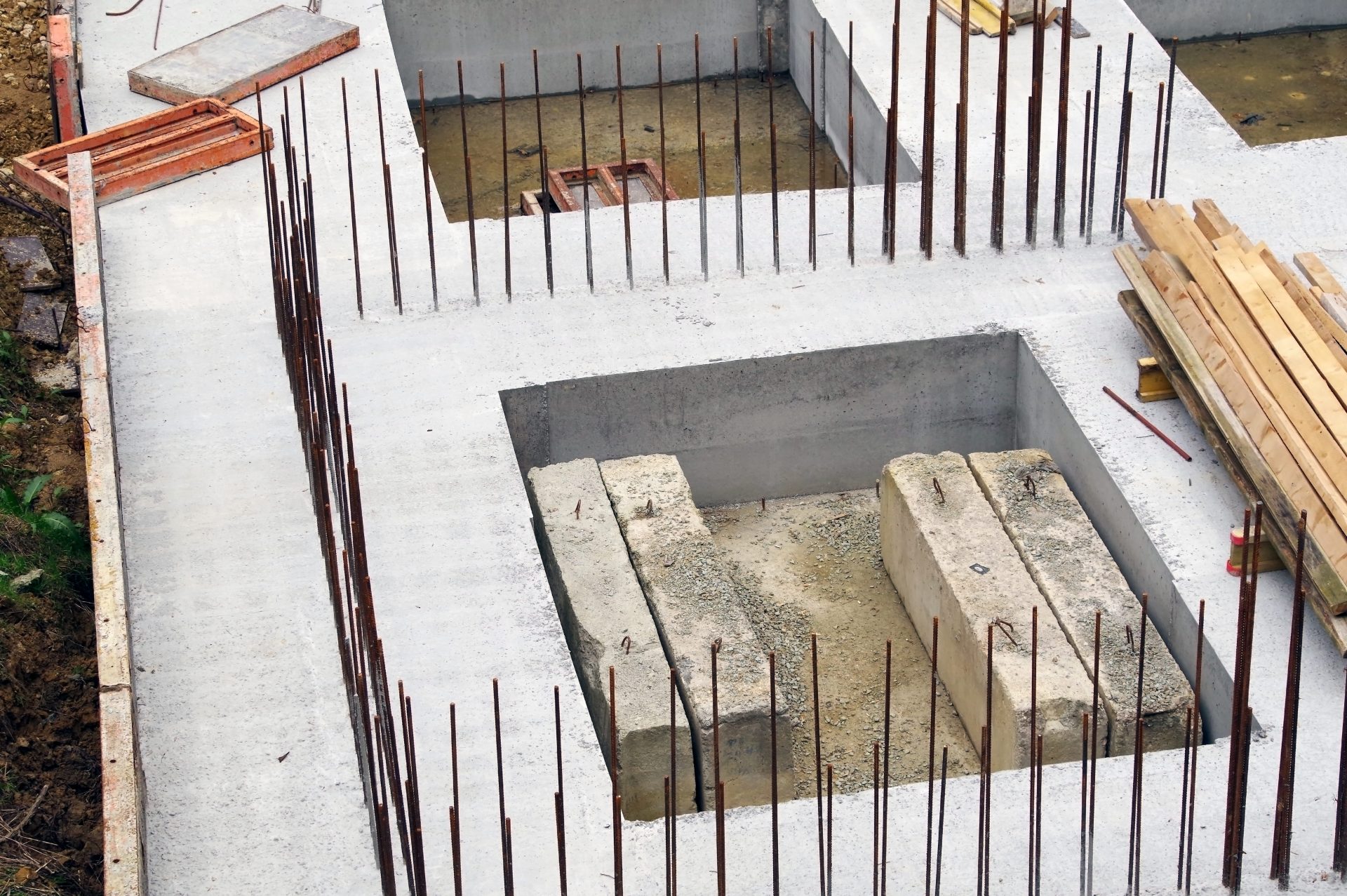
| Pier Replacement | Digging out old, shallow piers and installing deep concrete or steel piers. | Significant settling or leaning of the original support points. |
| Joist Sistering | Attaching a new wooden joist alongside a damaged or weakened original. | Localized wood rot or sagging floors due to over-spanning. |
| Sill Plate Repair | Replacing the horizontal beam that sits directly on the foundation wall. | Rot caused by water wicking up from the ground or exterior leaks. |
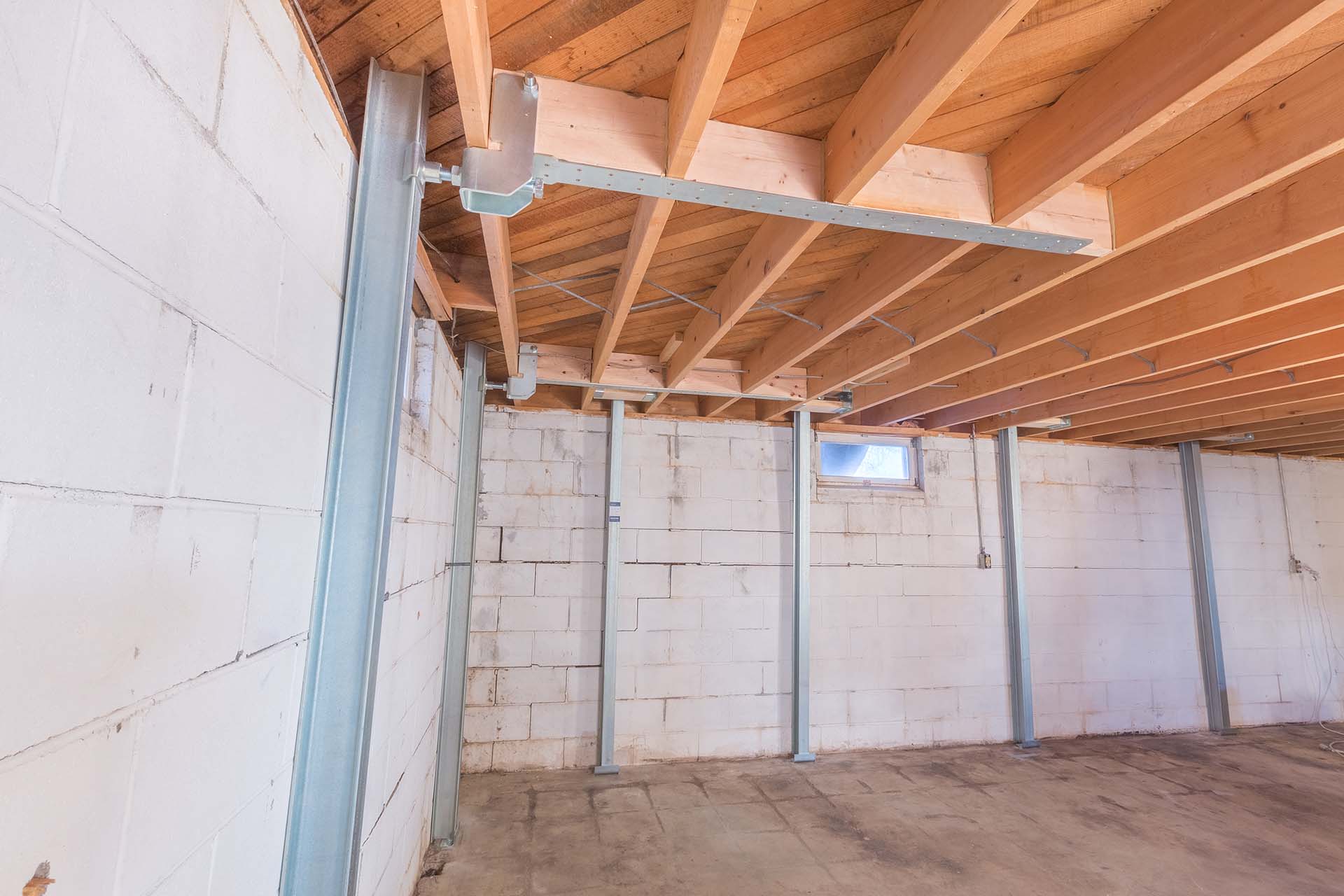
| Beam Supplementation | Adding new interior beams and piers to reduce the span of existing floors. | Eliminating "bounce" in floors and increasing load capacity. |
The Jacking and Leveling Process
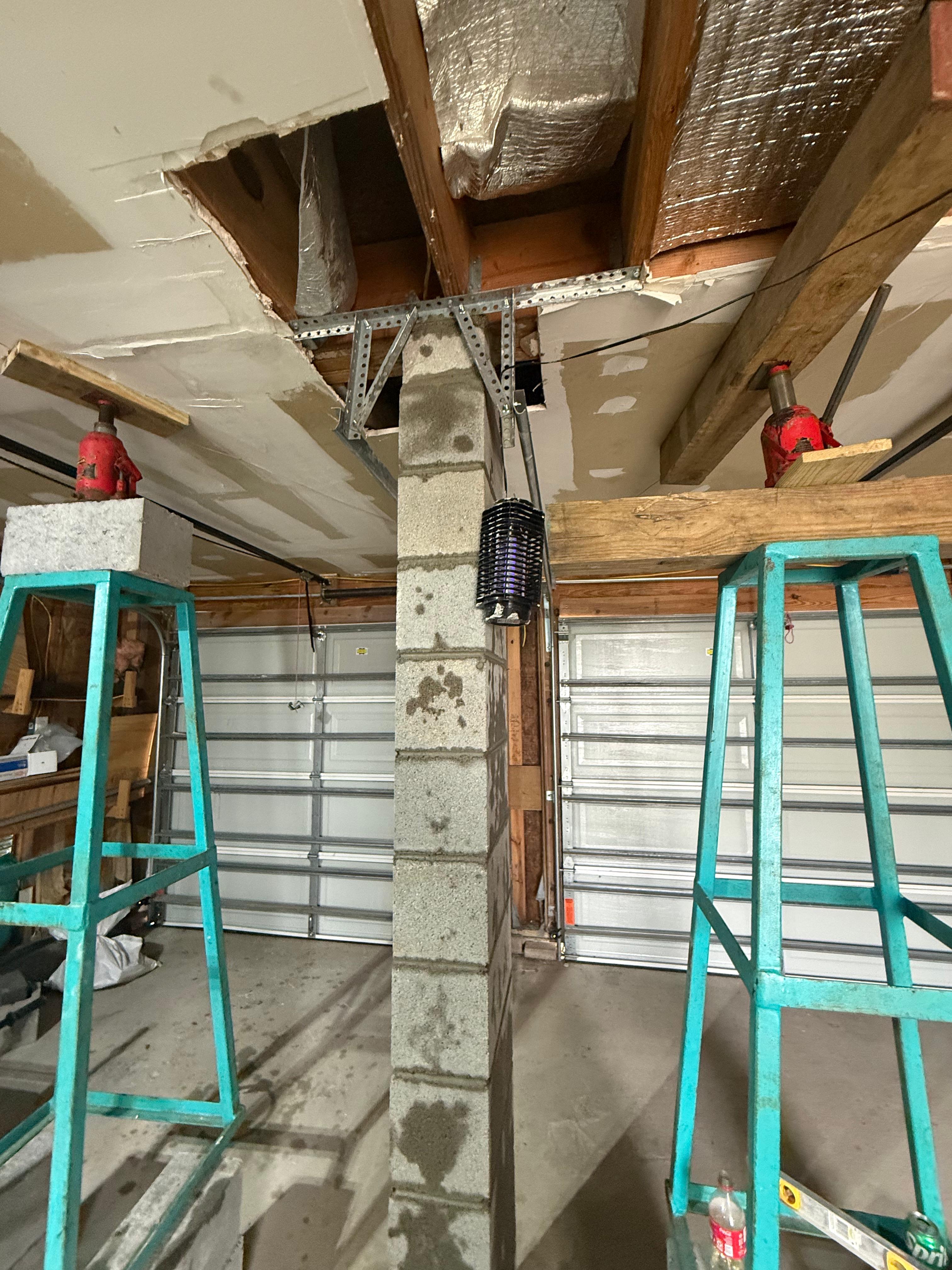
The most delicate part of the service is the actual lift. Contractors use heavy-duty hydraulic jacks to slowly raise the low points of the house. This must be done incrementally—often only a fraction of an inch at a time—to allow the home's framing to adjust without causing massive cracks in the walls or ceiling. A quality contractor will have a spotter inside the house communicating with the team in the crawl space to monitor the movement of doors and walls during the lift.
Cost Factors and 2026 Market Pricing
The cost of beam foundation repair is highly variable based on accessibility and the extent of the damage. In 2026, material costs for steel and treated lumber, combined with specialized labor, influence the final quote.
- Minimum Service Calls: For simple reshimming of a few piers, expect to pay between $1,500 and $3,500.
- Partial Leveling: If one side or corner of the home has settled, costs typically range from $5,000 to $10,000.
- Full Foundation Overhaul: For older homes requiring new piers, extensive joist replacement, and a full lift, prices can exceed $20,000 to $30,000.
Factors that increase the price include a low crawl space (less than 18 inches of clearance), which makes labor much more difficult, and the presence of mold or standing water, which requires remediation before the structural work can begin.
Evaluating Quotes and Contracts
Never settle for a single estimate. Secure at least three quotes from different local providers. When comparing them, look beyond the bottom-line price.
Scope of Work: Does the quote include the cost of permits? Does it specify the number of piers to be added or replaced? A vague quote often leads to "change orders" that inflate the price mid-project.
Warranty and Guarantees: Structural repairs should come with a warranty. In 2026, many companies offer a lifetime transferable warranty on piers. However, be aware that these warranties often only cover the specific areas repaired, not the entire foundation. Ensure the warranty is documented and that the company has a history of honoring its claims.
Permits and Engineering: Depending on your local municipality, structural repairs may require a building permit and an engineer's "stamp of approval." If a contractor suggests bypassing the permit process, it is a significant red flag. An independent structural engineer’s report, though costing an extra $500–$1,000, provides an unbiased plan that the contractor must follow.
Maintenance After Repair
Once the repair is complete, your job as a homeowner is to prevent a recurrence. The primary enemy of beam foundations is moisture.
- Proper Drainage: Ensure gutters are clean and downspouts discharge water at least five to ten feet away from the foundation.
- Vapor Barriers: In 2026, installing a high-quality 20-mil plastic vapor barrier in the crawl space is considered a standard best practice to prevent ground moisture from rotting the new beams.
- Humidity Control: Consider a crawl space dehumidifier if the area remains consistently damp.
Frequently Asked Questions
Does homeowners insurance cover beam foundation repair?
Standard homeowners insurance policies typically do not cover foundation repair if the damage is caused by "settling, shrinking, bulging, or expansion of the foundation." Coverage is usually only available if the foundation damage was the direct result of a covered peril, such as a burst pipe or a major fire. Always consult your policy or agent to verify specific clauses.
How long does the repair process usually take?
For most residential beam foundation repairs, the work is completed within three to seven days. Simple reshimming may take only one day, while a full pier replacement and joist sistering project requires more time for excavation and curing of concrete (if poured-in-place piers are used).
Can I stay in my home during the repair?
Yes, in almost all cases, you can remain in the home. The work is performed underneath the structure. You may hear some loud noises, and you might be asked to move furniture away from certain walls during the jacking process, but the home remains habitable throughout the duration of the project.
Is a "lifetime warranty" actually reliable?
A lifetime warranty is only as good as the company that issues it. If the company goes out of business, the warranty is effectively void. This is why choosing an established local company with a long history in your community is more important than the length of the warranty period itself.
Should I hire an engineer before the foundation company?
While many foundation companies have "in-house" experts, hiring an independent Structural Engineer is highly recommended. The engineer has no financial stake in how many piers you buy; their only goal is to provide a sound repair plan. You can then hand this plan to contractors for bidding, ensuring you are comparing "apples to apples."
Practical Recommendation
If you suspect foundation issues, do not wait. Start by hiring an independent structural engineer to conduct a formal assessment. Once you have a repair plan, solicit three bids from local contractors who specialize specifically in pier and beam systems. Verify their 2026 insurance status and check recent local references. Prioritize the installation of a vapor barrier and improved exterior drainage alongside the structural repairs to ensure the longevity of your investment.
Image Gallery