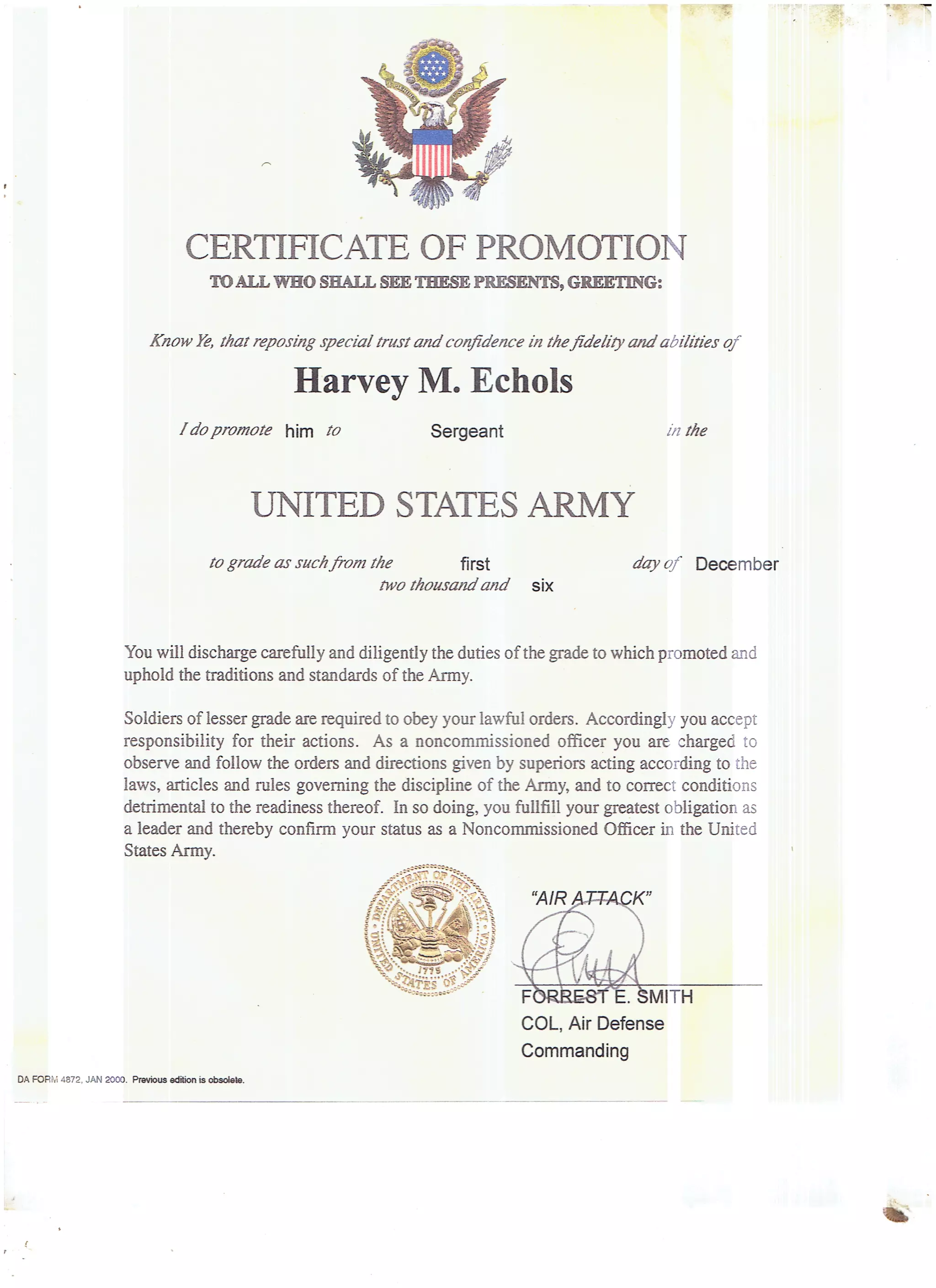
Promotion to Sergeant: A Comprehensive Guide to Advancement in 2026
Achieving a promotion to sergeant marks a pivotal transition from individual contributor to first-line supervisor in law enforcement and military structures. This advancement requires mastering technical proficiency, demonstrating cons...
Achieving a promotion to sergeant marks a pivotal transition from individual contributor to first-line supervisor in law enforcement and military structures. This advancement requires mastering technical proficiency, demonstrating consistent leadership, passing rigorous standardized assessments, and maintaining a spotless disciplinary record, all while navigating the unique rank-structure policies of your specific agency or branch in 2026.
Contents
Understanding the Rank Structure and Professional Prerequisites
The transition to the rank of sergeant is not merely a pay increase; it is a fundamental shift in operational responsibility. Sergeants are the backbone of any organization, bridging the gap between command-level strategic objectives and ground-level tactical execution. In 2026, most departments and military branches have refined their selection criteria to emphasize emotional intelligence, crisis management, and ethical decision-making alongside traditional field performance.
Before initiating the promotion process, candidates must fulfill mandatory baseline requirements. These are typically non-negotiable and include:
- Time-in-Grade (TIG): Most agencies require a minimum of 3 to 5 years of service at the patrol or equivalent level.
- Performance Evaluations: A documented history of "exceeds standards" or equivalent high-tier ratings on annual performance reviews.
- Education and Certifications: Completion of intermediate-level certifications or specialized training blocks, such as Field Training Officer (FTO) programs or tactical leadership seminars.
- Clean Disciplinary Record: Absence of sustained major policy violations or internal affairs investigations within the preceding 24 to 36 months.
Core Components of the Promotion Process
While specific policies vary by jurisdiction, the 2026 standard for sergeant advancement generally follows a multi-phased assessment model. Understanding these phases allows you to allocate your study time effectively throughout the year.
The Written Examination
The written component tests your functional knowledge of departmental policies, administrative procedures, and state or federal statutes. The examination often covers:
- Administrative Law: Precise application of internal regulations and labor agreements.
- Tactical Policy: Knowledge of use-of-force continuums and high-risk incident procedures.
- Supervisory Roles: Understanding the legal liabilities of a supervisor regarding subordinate conduct and harassment claims.
The Assessment Center
This is the most challenging phase for many candidates. It moves beyond memorization to evaluate real-world application. You will typically face:
- In-Basket Exercises: Prioritizing a flood of administrative tasks, emails, and staff issues under a strict time constraint.
- Role-Playing Scenarios: Interacting with a "problem employee," an upset citizen, or a subordinate experiencing personal crisis.
- Oral Boards: An interview with a panel of command staff focusing on your vision for the unit and your conflict resolution style.
Comparison of Promotion Pathways and Requirements
| Category | Typical Requirement | Focus Area |
|---|---|---|
| Eligibility | 3-5 Years Service | Seniority and Performance |
| Assessment | Written Exam | Policy Knowledge |
| Management | Oral Board / Scenario | Leadership Potential |
| Fitness | Physical Readiness Test | Operational Suitability |
Preparing for the 2026 Promotion Cycle
Success in the sergeant selection process requires a systematic approach to study and mental preparation. Do not rely on "on-the-job" knowledge alone; the promotion process is designed to test your adherence to policy, which may differ from the informal practices used on the street.
Develop a Structured Study Plan
- Audit Your Resources: Collect all current policy manuals, standard operating procedures (SOPs), and the specific collective bargaining agreement governing your unit.
- Create a Study Group: Engage with peers who are also pursuing promotion. Discussing complex scenarios often exposes gaps in your understanding of liability and chain of command.
- Refine Your Leadership Narrative: During your oral board, you will be asked why you want the rank. Move beyond "I want to help people" and frame your answer around organizational improvement, risk mitigation, and subordinate development.
Addressing Common Failure Points
Candidates often struggle when they fail to shift their perspective. As an officer, you think about the task; as a sergeant, you must think about the liability and the human element. Avoid these common pitfalls:
- The "Buddy" Trap: Failing to hold subordinates accountable because of prior friendships. You must demonstrate that you understand how to separate professional standards from personal rapport.
- Policy Neglect: Relying on the "way it has always been done" instead of the current written directive. Always cite the relevant policy manual during your assessments.
- Poor Prioritization: In assessment centers, failing to delegate or prioritize administrative tasks suggests you are not ready for the management aspect of the rank.
Frequently Asked Questions
How far in advance should I start preparing for a sergeant promotion?
You should begin preparing at least 12 to 18 months before the anticipated testing cycle. This allows ample time to address any deficiencies in your training record and to thoroughly digest the volumes of department policy required for the written exam.
Does my education level impact my chances for promotion?
While many agencies still focus primarily on performance and assessment scores, advanced degrees in criminal justice, public administration, or organizational leadership are increasingly viewed as indicators of critical thinking ability and professional commitment in 2026.
What is the most common reason candidates fail the sergeant interview?
The most frequent cause of failure is an inability to balance authority with empathy. Boards are looking for supervisors who can enforce strict departmental standards while effectively mentoring subordinates and maintaining unit morale.
Should I prioritize the written exam or the interview?
You must prioritize both equally. The written exam is a "gatekeeper" component—if you do not pass, you do not move on. However, the interview is the "tie-breaker" that determines who actually receives the promotion based on the panel's confidence in your leadership capacity.
Are there specific fitness requirements for the rank of sergeant?
Many departments maintain a "fitness for duty" standard that persists through the promotion process. Even if the rank is primarily supervisory, your ability to physically lead during critical incidents remains a key factor in your overall suitability for command.
Final Recommendations for Aspiring Sergeants
Advancement to the rank of sergeant is a career-defining moment. In 2026, the complexity of modern operations demands supervisors who are not only technically proficient but also ethically grounded. Focus on your reputation for integrity—it is the single most valuable asset you have. Seek out mentors who are already in the rank, ask for honest feedback on your decision-making, and commit to a rigorous study schedule that honors the gravity of the position you seek.
Image Gallery