A Guide to 2018 TSA Liquids Carry-On Regulations and Their Lasting Impact
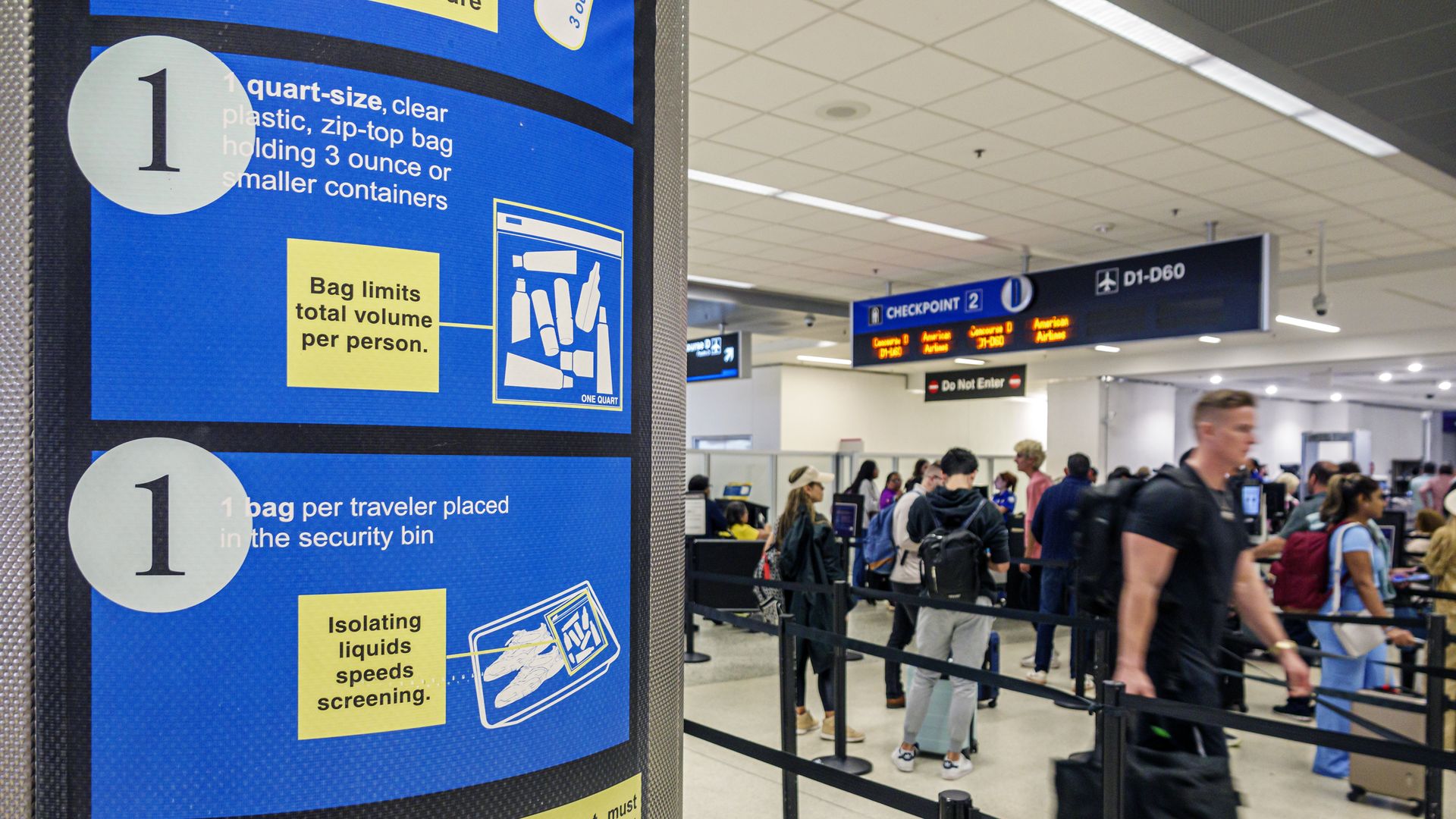
In 2018, the Transportation Security Administration (TSA) maintained strict protocols for liquids, gels, and aerosols in carry-on baggage. Travelers were required to adhere to the "3-1-1" rule, which dictates that all containers must b...
In 2018, the Transportation Security Administration (TSA) maintained strict protocols for liquids, gels, and aerosols in carry-on baggage. Travelers were required to adhere to the "3-1-1" rule, which dictates that all containers must be 3.4 ounces (100 milliliters) or less, contained within a single quart-sized, clear, sealable plastic bag, with a limit of one bag per passenger to ensure checkpoint efficiency and aviation safety.
Contents
Understanding the Foundation of TSA Liquid Rules
The guidelines established by the TSA regarding liquids, gels, and aerosols in carry-on baggage were not new in 2018; rather, they represented the refined standard of security protocols that have been in place for years. Understanding these regulations is essential for any traveler looking to navigate security checkpoints without delays. The core of the policy is the "3-1-1" acronym, a shorthand method designed to make the security screening process predictable for both the passenger and the Transportation Security Officer (TSO).
The logic behind these limitations is rooted in the physical properties of substances that could potentially be used in prohibited items. By restricting the volume of individual containers and consolidating them into a transparent bag, the TSA ensures that their imaging technology—specifically X-ray scanners—can effectively identify potential threats without the need for manual inspection of every individual toiletry item.
Deconstructing the 3-1-1 Rule
The "3-1-1" rule is a specific framework for packing:
- 3.4 Ounces (100 milliliters) or less: This is the maximum capacity for any single container holding a liquid, gel, or aerosol. It is important to note that this limit refers to the size of the container itself, not the amount of product inside. Even if a 5-ounce bottle is only half-full, it is technically prohibited because the container exceeds the 3.4-ounce threshold.
- 1 Quart-sized bag: All liquids, gels, and aerosols must be placed in a single, transparent, quart-sized, resealable plastic bag. This configuration allows the TSO to inspect the contents of the bag at a glance.
- 1 Bag per passenger: Each traveler is permitted exactly one bag to ensure that the volume of items requiring secondary screening remains manageable within the constraints of the security lane.
Determining What Qualifies as a Liquid
One of the most frequent sources of confusion at airport security is the definition of a "liquid." Many travelers mistakenly believe that solid items or specific types of cosmetics are exempt. However, the TSA broadly defines liquids, gels, and aerosols to include any substance that can be poured, squeezed, spread, or pumped.
Items such as toothpaste, shampoo, conditioner, hair gel, sunscreen, lotions, and liquid cosmetics all fall under these guidelines. Furthermore, food items that have a high moisture content, such as peanut butter, yogurt, honey, or soft cheeses, are often treated as gels or liquids. If an item can be spread or has a consistency similar to a gel, it is almost certainly subject to the 3.4-ounce limit.
Table: Categorization of Common Carry-On Items
| Item Type | TSA Classification | Carry-On Status (Standard) |
|---|---|---|
| Toothpaste | Gel/Paste | Must meet 3.4oz limit |
| Lipstick | Solid | Generally exempt |
| Aerosol Hairspray | Aerosol | Must meet 3.4oz limit |
| Granola Bar | Solid | Exempt |
| Peanut Butter | Gel/Spread | Must meet 3.4oz limit |
| Powder Makeup | Solid | Exempt |
| Contact Lens Solution | Liquid | Must meet 3.4oz limit |
Exceptions and Special Instructions
While the 3.4-ounce rule is the standard for the vast majority of travelers, the TSA established clear, albeit narrow, exceptions for specific needs. These exceptions primarily concern medical requirements and infant care.
Medically Necessary Liquids
Passengers are permitted to carry medically necessary liquids, gels, and aerosols in excess of 3.4 ounces. This includes prescription and over-the-counter medications, eye drops, and supplies required for diabetes management, such as insulin and syringes. The crucial requirement here is declaration; you must inform the security officer at the start of the screening process that you are carrying medically necessary liquids. These items may be subjected to additional screening, which could include an X-ray or manual inspection.
Infant and Child Nourishment
Travelers flying with children are allowed to bring breast milk, formula, and juice in quantities exceeding 3.4 ounces. Similar to medical exemptions, these items must be declared to a security officer upon arrival at the checkpoint. The TSA allows these items to be carried in reasonable quantities, though they will be screened separately from other carry-on items.
Common Mistakes and How to Avoid Them
The most common mistake travelers make is forgetting to remove their quart-sized bag from their carry-on luggage before placing it on the X-ray belt. When a bag is obscured by clothing or electronics, it often triggers a secondary search, which adds time to the screening process for both the traveler and those waiting in line.
Another frequent error is the inclusion of "borderline" items. A common example is bringing a large jar of an expensive moisturizer or a specialty food item that exceeds the 3.4-ounce limit, only to have it confiscated at the checkpoint. If you are unsure whether an item qualifies as a liquid, the safest course of action is to place it in your checked luggage, where the volume and quantity restrictions for liquids do not apply.
Frequently Asked Questions
What happens if I have a liquid container larger than 3.4 ounces?
If a container exceeds the 3.4-ounce (100ml) limit, the TSA officer will generally require you to surrender the item. You will be given the option to dispose of it, return it to your vehicle (if you have not yet left the terminal), or, in some cases, check the item as baggage if time permits.
Does the 3.4-ounce rule apply to empty containers?
No, the rule applies to containers that contain liquids, gels, or aerosols. You are permitted to carry empty containers of any size, such as a large empty water bottle, which you can fill after passing through security.
Are essential oils considered liquids?
Yes, essential oils are classified as liquids. If your container is larger than 3.4 ounces, it must be placed in checked baggage to comply with standard security procedures.
Why is the limit specifically 3.4 ounces and not 3 ounces?
The 3.4-ounce limit corresponds to 100 milliliters, which is the international standard adopted by many aviation authorities globally. This standardization helps facilitate travel and ensure consistency for passengers flying internationally.
Can I pack multiple quart-sized bags if I have many items?
No, each passenger is limited to exactly one quart-sized bag. If your items do not fit into a single bag, you must prioritize your essentials, pack the rest in checked luggage, or purchase items upon arrival at your destination.
Moving Through Security Efficiently
Preparation is the best defense against long security lines. By organizing your toiletries in a clear, accessible bag before leaving for the airport, you demonstrate to the TSO that you are compliant and ready for inspection. Keep your quart-sized bag at the top of your carry-on or in an external pocket for easy retrieval. Following these historical and established regulations ensures that you contribute to a smoother security environment and minimize your own travel stress. If you have specific, high-value liquid items that exceed the 3.4-ounce limit, always plan to pack them in checked luggage to avoid the heartbreak of surrendering them at the checkpoint.
Image Gallery