Navigating the Search for the Highest Quality Coconut Water: A Technical and Sensory Evaluation
The highest quality coconut water is defined by 100% pure, young green coconut hydration with zero added sugars, preservatives, or concentrates, harvested from nutrient-rich soils and packaged using flash-pasteurization or high-pressur...
The highest quality coconut water is defined by 100% pure, young green coconut hydration with zero added sugars, preservatives, or concentrates, harvested from nutrient-rich soils and packaged using flash-pasteurization or high-pressure processing to preserve delicate electrolytes and natural flavor profiles.
Contents
Understanding the Market and Product Identity
Selecting the highest quality coconut water requires moving past clever marketing, vibrant packaging, and generic health claims. In a global marketplace flooded with beverages labeled as pure coconut water, consumers are often met with products that have been heavily processed, heavily diluted, or derived from mature, acidic coconuts that require artificial sweetening. To identify a superior product, one must understand what coconut water actually is: the sterile, clear liquid found inside young, green coconuts (typically Cocos nucifera), which serves as the endosperm during the early stages of coconut development.
As coconuts mature, the water inside transforms into the solid meat (copra) and oil. Therefore, premium coconut water brands harvest their fruits at the optimal developmental window—usually between 5 to 7 months of age. At this precise stage, the liquid possesses the ideal balance of natural sweetness, acidity, and a robust electrolyte profile, including potassium, sodium, magnesium, and calcium.
The Difference Between Pure and Reconstituted Water
A critical distinction in evaluating coconut water quality is differentiating between "Not From Concentrate" (NFC) and "From Concentrate" (FC) varieties.
- Not From Concentrate (NFC): This represents the gold standard of packaging. The liquid is extracted directly from the coconut, filtered, and sealed with minimal intervention. It retains the closest approximation to drinking straight from a fresh coconut punctured with a straw.
- From Concentrate (FC): This method involves evaporating the water content from the raw coconut water to create a dense syrup, which is later rehydrated with water at a bottling facility. This thermal processing destroys the delicate enzyme structures, alters the natural flavor profile, and often necessitates the addition of ascorbic acid or flavor stabilizers.
Key Markers of Superior Quality
Evaluating coconut water objectively relies on a combination of sourcing practices, processing technology, and sensory characteristics. When examining product labels and testing samples, several distinct markers separate industrial-grade commodities from artisanal or premium-tier offerings.
Single-Origin vs. Blended Sourcing
The terroir of a coconut—its geographic origin, soil composition, and climate—dramatically influences the flavor and mineral content of the water. Premium brands typically source their coconuts from single-origin regions known for optimal growing conditions, such as specific coastal provinces in Thailand, Vietnam, or the Philippines. Blended coconut waters, which combine supplies from multiple countries and diverse soil types, often result in a standardized, homogenized flavor profile that masks the distinct, sweet nuttiness characteristic of high-grade young green coconuts.
Processing Methods: Thermal vs. Non-Thermal Preservation
Because raw coconut water spoils rapidly when exposed to ambient air and bacteria, it must undergo preservation. The method of preservation dictates the final quality:
- High-Pressure Processing (HPP): This non-thermal pasteurization technique uses ultra-high water pressure to neutralize pathogens and extend shelf life without destroying heat-sensitive nutrients and fresh flavor compounds. HPP products typically require continuous refrigeration.
- Flash Pasteurization (Aseptic Processing): Also known as Ultra-High Temperature (UHT) pasteurization, this method exposes the liquid to high heat for a matter of seconds before rapidly cooling it. While it allows for shelf-stable storage at room temperature, it can impart a slightly cooked or paste-like aftertaste if not executed with precision.
- Traditional Thermal Pasteurization: Long exposure to heat degrades the flavor profile, turning the water slightly pink or brown and necessitating added preservatives. This method is indicative of lower-tier products.
Nutritional Profiles and Electrolyte Density
The primary functional driver for consuming coconut water is natural hydration. A high-quality coconut water acts as an isotonic beverage, meaning its osmolality is similar to human blood plasma, allowing for rapid absorption across the intestinal wall.
The table below outlines the comparative nutritional and processing metrics across standard industry categories:
| Parameter | Premium HPP Single-Origin | Standard Shelf-Stable NFC | Concentrate / Additive-Heavy |
|---|---|---|---|
| Ingredient List | 100% Pure Coconut Water | 100% Pure Coconut Water | Coconut Water, Sugar, Ascorbic Acid |
| Processing Method | High-Pressure Processing (HPP) | Flash Pasteurization (Aseptic) | Thermal Pasteurization + Reconstitution |
| Potassium Content | 450mg – 600mg per 8oz | 400mg – 500mg per 8oz | 200mg – 350mg per 8oz |
| Added Sugar | 0g (Naturally Occurring Only) | 0g | Often 5g – 12g added sugars |
| Shelf Life & Storage | Refrigerated (30–60 days) | Room Temperature (6–12 months) | Room Temperature (12+ months) |
| Sensory Profile | Clean, crisp, faint nutty sweetness | Mildly sweet, slight cooked note | Flat, overly sweet, metallic finish |
Reading Labels: Red Flags and Marketing Tactics
Navigating supermarket shelves requires vigilance against deceptive labeling practices. Manufacturers frequently use ambiguous terminology to suggest high quality while utilizing inferior ingredients.
Common Labeling Loopholes
- "Made with Real Coconut Water": This phrase legally permits a brand to dilute the product with filtered water, using only a small percentage of actual coconut water as a base.
- "All-Natural": This term is largely unregulated in many jurisdictions regarding beverages. It does not preclude the use of mature, low-cost coconuts or concentrated syrups.
- Pink Tint vs. Clear Liquid: Pure coconut water naturally contains polyphenols (antioxidants) that react with light and trace amounts of oxygen, causing the liquid to turn pink over time. While a pink hue can indicate a lack of chemical bleaching agents, it can also signal improper storage or oxidation, which alters the fresh flavor profile. True high-quality fresh water is crystal clear to translucent white.
Practical Guide to Selection and Storage
To secure the highest quality drinking experience, consumers should follow a structured evaluation process from purchase to consumption.
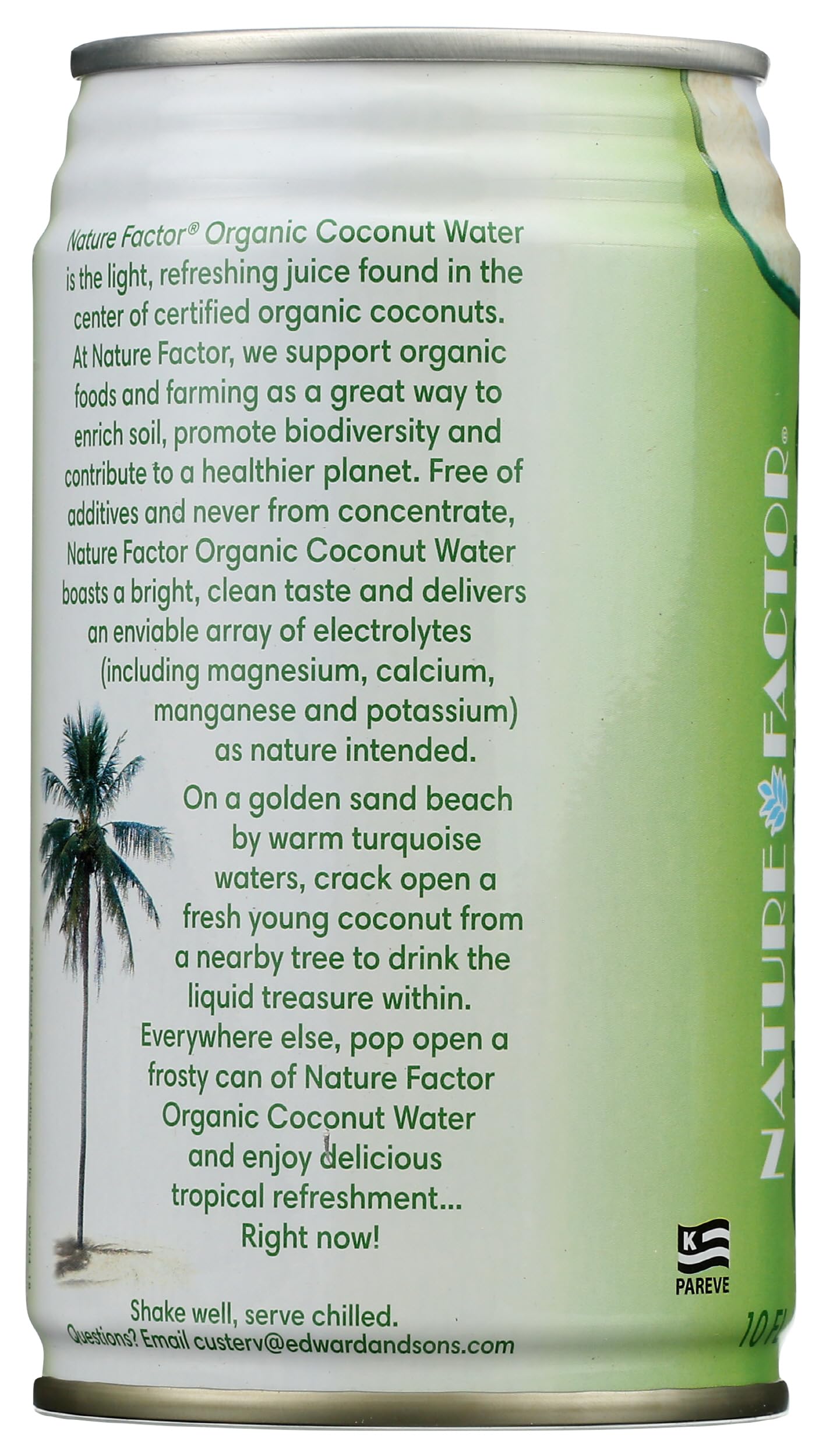
- Check the Ingredient Panel: Verify that the sole ingredient is "100% Coconut Water" or "Organic Coconut Water." Reject any product listing added sugars, cane sugar, sodium chloride (unless explicitly formulated as an electrolyte sports drink, which changes the product category), or preservatives like sodium benzoate.
- Inspect the Sourcing and Variety: Look for specifications naming young green coconuts, specifically varieties like the Thai Nam Hom coconut, which is globally renowned for its aromatic fragrance and naturally sweet flavor profile.
- Assess the Supply Chain: If purchasing HPP variants, ensure the cold chain has been strictly maintained from the manufacturer to the retail cooler. Warm HPP coconut water degrades rapidly in quality and safety.
- Evaluate Taste and Aroma: Upon opening, the liquid should emit a fresh, clean, nutty aroma. Any sour, heavily metallic, or overly fermented scent indicates spoilage or poor pasteurization controls.
Frequently Asked Questions
Is coconut water better than sports drinks for hydration?
Coconut water is superior for general hydration and light physical activity because it is naturally rich in potassium and contains natural carbohydrates without artificial dyes, chemical flavorings, or excessive processed sugars. However, for intense, prolonged endurance exercise exceeding 90 minutes, traditional sports drinks or specialized oral rehydration solutions may be necessary to replenish high levels of sodium lost through heavy perspiration.
Why do some coconut waters taste sweet while others taste salty or sour?
The flavor depends entirely on the maturity of the coconut harvested, the geographic soil composition, and the pasteurization method used. Young green coconuts harvested at 5 to 7 months yield a sweet, refreshing water with high potassium. Coconuts grown in coastal areas with high soil salinity can impart a subtle saline note, while overripe coconuts or those subjected to aggressive thermal processing taste sour or flat.
Does organic certification matter for coconut water?
Organic certification ensures that the coconut palms were cultivated without synthetic pesticides, chemical fertilizers, or genetically modified organisms. While organic status does not automatically guarantee superior taste or freshness, it provides a verified standard of agricultural purity, making it a reliable proxy for higher overall sourcing standards.
Can coconut water spoil inside a sealed container?
Yes. If the aseptic seal is compromised or if flash-pasteurization parameters fail during manufacturing, anaerobic bacteria or molds can proliferate. Consuming spoiled coconut water can lead to foodborne illness. If a shelf-stable container appears bloated, or if the liquid dispenses with an explosive hiss, a foul odor, or clumping texture, discard it immediately.
How should opened coconut water be stored?
Once opened, pure coconut water must be transferred to a sealed container, refrigerated immediately, and consumed within 24 to 48 hours. Because it contains no artificial preservatives or chemical stabilizers, natural airborne bacteria will rapidly colonize the nutrient-dense liquid at room temperature.
Selecting the highest quality coconut water demands attention to ingredient transparency, sourcing origin, and gentle processing methods. By prioritizing 100% pure, single-origin young green coconut water preserved without chemical additives or heavy thermal degradation, consumers secure a nutrient-dense, functional beverage that delivers authentic tropical hydration.
Image Gallery