Finding the Better Shampoo for Dandruff: A Comprehensive Guide to Scalp Health
Choosing a better shampoo for dandruff requires understanding the root causes of scalp flaking, irritation, and inflammation, which often stem from an overgrowth of the fungus Malassezia combined with individual sensitivity to sebum. F...
Choosing a better shampoo for dandruff requires understanding the root causes of scalp flaking, irritation, and inflammation, which often stem from an overgrowth of the fungus Malassezia combined with individual sensitivity to sebum. Finding the right formula involves matching active ingredients like zinc pyrithione, ketoconazole, or selenium sulfide to your specific scalp conditions while following a consistent application routine to restore skin barrier health.
Contents
Understanding Dandruff and Scalp Health
Dandruff is a chronic, non-inflammatory or mildly inflammatory condition of the scalp characterized by excessive shedding of dead skin cells. While many people attribute flakes solely to dry skin, the physiological mechanism is typically more complex. The human scalp hosts a diverse microbiome, a key resident of which is a lipophilic yeast known as Malassezia. Under normal circumstances, Malassezia coexists peacefully with the skin's natural microflora, feeding on sebum (the skin's natural oils) produced by the sebaceous glands.
However, when sebum production increases or the skin barrier becomes compromised, Malassezia can proliferate rapidly. As this yeast metabolizes triglycerides present in sebum, it produces oleic acid. Penetrating the stratum corneum (the outermost layer of the epidermis), oleic acid triggers an immune response in susceptible individuals, accelerating epidermal cell turnover. Instead of shedding invisibly, skin cells clump together and shed in large, visible clusters—the characteristic white or yellowish flakes of dandruff.
Differentiate this from seborrheic dermatitis, which is a more severe, inflammatory form of the condition. Seborrheic dermatitis often extends beyond the scalp to the eyebrows, sides of the nose, and ears, featuring greasy, yellowish scales accompanied by significant redness and itching. Psoriasis of the scalp is another distinct entity, presenting with thick, silvery scales on sharply demarcated red plaques. Accurately identifying your condition is the vital first step because a standard cosmetic shampoo will not alter microbial proliferation or calm underlying inflammation.
Key Active Ingredients in Therapeutic Shampoos
To treat dandruff effectively, you must look past marketing terms and examine the active pharmaceutical or cosmetic ingredients listed on the back of the bottle. Different actives target distinct biological pathways, meaning that a formula that works for one person might fail another depending on the underlying driver of their flaking.
Antifungal Agents
Because Malassezia overgrowth is a primary driver, antifungal agents are the backbone of most therapeutic formulas.
- Ketoconazole: A broad-spectrum antifungal that inhibits the synthesis of ergosterol, an essential component of fungal cell membranes. It is available in over-the-counter (typically 1%) and prescription-strength (2%) formulations. Ketoconazole is exceptionally effective at reducing Malassezia populations and has mild anti-inflammatory properties.
- Zinc Pyrithione: A classic antibacterial and antifungal agent that reduces the concentration of Malassezia on the scalp. It also helps normalize cellular proliferation and shedding in the epidermis.
Keratolytic and Cytostatic Agents
These compounds slow down the rate at which skin cells are produced and shed, or help break down existing clusters of dead skin cells.
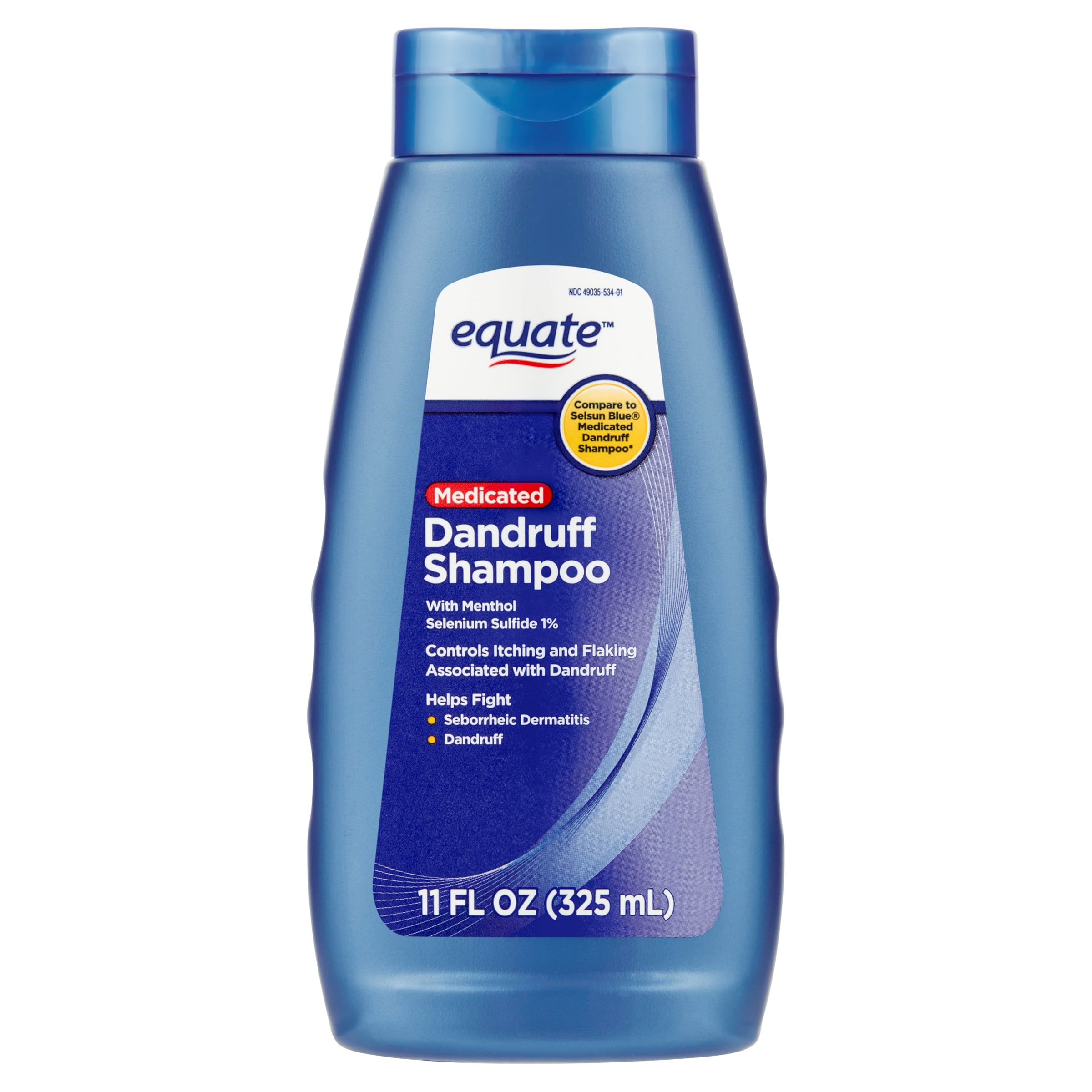
- Selenium Sulfide: This compound slows down skin cell turnover, reducing the rate at which cells shed, and possesses anti-fungal properties that suppress Malassezia. Note that selenium sulfide can discolor chemically treated, bleached, or gray hair if not rinsed thoroughly.
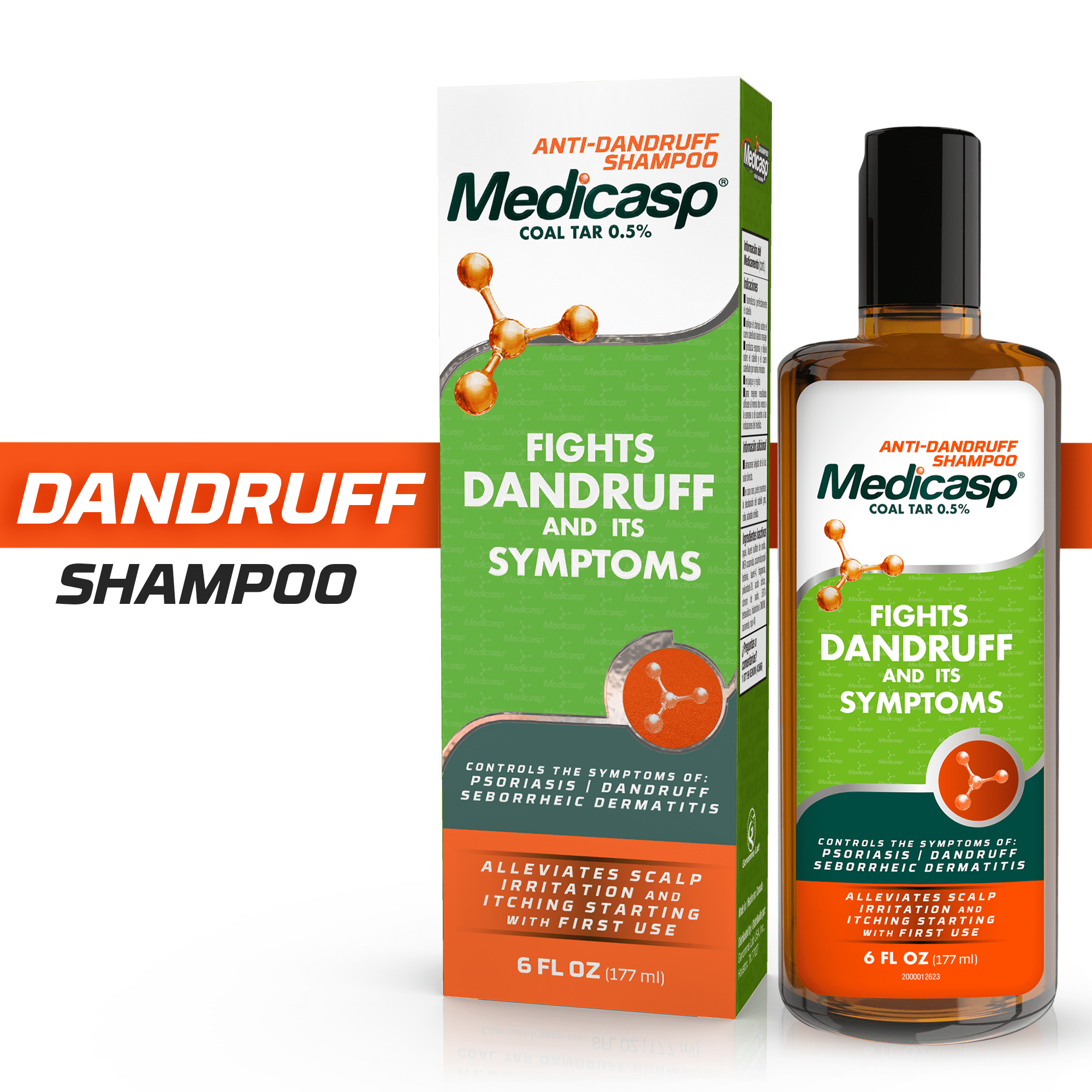
- Coal Tar: Used for decades in dermatology, coal tar reduces cell turnover, shedding, and inflammation. It is particularly useful for stubborn dandruff and seborrheic dermatitis, though it has a strong medicinal scent and can make the scalp more sensitive to sunlight.
- Salicylic Acid: Acting as a keratolytic agent, salicylic acid softens and breaks down keratin, helping to lift and remove crusty, scaly buildup from the scalp. It is often paired with other antifungals to clear the path for active ingredients to penetrate the skin.
Comparison of Common Dandruff Shampoo Actives
| Active Ingredient | Primary Mechanism | Best Suited For | Key Precautions |
|---|---|---|---|
| Ketoconazole | Antifungal; inhibits cell membrane synthesis | Persistent flakes, seborrheic dermatitis | Can be drying; use conditioner on lengths |
| Zinc Pyrithione | Antifungal and antibacterial | Mild to moderate everyday dandruff | Generally well-tolerated by most hair types |
| Selenium Sulfide | Slows cell turnover and reduces yeast | Stubborn flaking and itching | Can discolor blonde, gray, or chemically treated hair |
| Coal Tar | Reduces cell proliferation and inflammation | Severe scaling, thick plaques, dermatitis | Strong odor; increases sun sensitivity |
| Salicylic Acid | Exfoliates and removes scaly buildup | Heavy scaling and crusting | Can cause dryness; often paired with moisturizers |
Evaluating Your Hair and Scalp Type
Selecting a better shampoo for dandruff requires looking beyond the scalp to consider your hair texture, chemical treatment history, and natural oil production. A harsh therapeutic shampoo might successfully eliminate flakes on a thick, oily scalp, but it could strip moisture from fine, curly, or color-treated hair, leading to breakage and irritation.
Coarse, curly, and coily hair types naturally produce sebum that travels more slowly down the hair shaft, making the hair strands inherently drier even if the scalp produces oil. For these hair textures, clear liquid shampoos with heavy sulfates can cause severe dryness. Look for cream-based formulas that incorporate moisturizing agents like glycerin, shea butter, or ceramides alongside active ingredients like zinc pyrithione or ketoconazole.
Conversely, fine or straight hair often gets weighed down easily by heavy conditioning agents. If you have fine hair, look for lightweight, clarifying therapeutic shampoos that do not leave a heavy residue. If you color-treat your hair, avoid coal tar and high-concentration selenium sulfide formulas, as these can strip or alter hair pigments. Instead, opt for color-safe ketoconazole or gentle zinc pyrithione formulations, and always follow up with a hydrating conditioner applied strictly from mid-length to ends.
Proper Application Techniques for Maximum Efficacy
Even the most advanced anti-dandruff shampoo will fail if applied incorrectly. The most common mistake users make is treating an anti-dandruff shampoo like a standard cosmetic cleanser—lathering quickly and rinsing immediately. Active ingredients require adequate contact time with the scalp to exert their therapeutic effects.
- Thorough Saturation: Wet your hair and scalp completely with warm water to open the cuticles and wash away loose surface debris.
- Target the Scalp: Dispense a quarter-sized amount of shampoo into your palms and massage it directly into your scalp using your fingertips, not your fingernails. Scratching with fingernails can micro-tear the scalp skin, worsening inflammation and introducing secondary bacterial infections.
- The Contact Time Rule: Allow the shampoo to sit on your scalp for 3 to 5 minutes. This dwell time is non-negotiable for active ingredients like ketoconazole, zinc pyrithione, and selenium sulfide to penetrate the stratum corneum and inhibit microbial growth.
- Rinse and Repeat: Rinse thoroughly with lukewarm water. For stubborn or thick scaling, a second application may be performed, though one thorough wash is usually sufficient for maintenance.
- Condition Wisely: Apply a hydrating conditioner only to the lengths and ends of your hair, avoiding direct contact with the scalp unless the product is specifically formulated as a scalp-soothing treatment.
Rotation Strategies and Resistance Management
A frequent challenge with long-term dandruff management is the perceived phenomenon of a shampoo "stopping working" over time. While true pharmacological resistance to antifungal agents like ketoconazole is rare in Malassezia, changes in weather, stress levels, hormonal fluctuations, and sebum production can alter your scalp microbiome, causing flare-ups despite consistent product use.
Dermatologists often recommend a rotational strategy to maintain long-term scalp health. For example, you might use a powerful therapeutic active (such as ketoconazole or selenium sulfide) two times a week during an active flare-up. Once symptoms subside, transition to a milder zinc pyrithione or piroctone olamine shampoo for maintenance.
Alternatively, rotating between two different active ingredients—such as using a zinc pyrithione shampoo for two washes and a ketoconazole shampoo for the third wash—ensures comprehensive coverage against microbial overgrowth while preventing localized scalp fatigue. If your scalp condition fails to improve after four to six weeks of consistent, proper use, or if you notice severe redness, oozing, or pain, consult a board-certified dermatologist for a formal evaluation to rule out conditions like psoriasis, contact dermatitis, or fungal infections requiring prescription interventions.
Frequently Asked Questions
How often should I use a dandruff shampoo?
During an active flare-up, use a therapeutic anti-dandruff shampoo two to three times a week, ensuring you leave it on the scalp for 3 to 5 minutes before rinsing. Once your symptoms are controlled, you can reduce usage to once a week or every other week for maintenance, alternating with a gentle, sulfate-free daily shampoo.
Can I use my regular conditioner with a dandruff shampoo?
Yes, you can use your regular conditioner, but you should apply it primarily to the mid-lengths and ends of your hair rather than massaging it directly into the scalp. Many anti-dandruff shampoos can be drying to the hair strands, so conditioning the lengths is essential to prevent breakage and maintain hair manageability.
Why do dandruff shampoos dry out my hair?
Therapeutic shampoos are formulated to reduce oil production, eliminate fungal overgrowth, and strip away stubborn buildup, which often strips natural sebum from the hair strands as well. To counteract this, choose formulas containing moisturizing humectants like glycerin or hyaluronic acid, and always use a hydrating conditioner on your hair strands.
Are natural remedies like tea tree oil effective against dandruff?
Tea tree oil possesses natural antimicrobial and anti-inflammatory properties that can help reduce Malassezia populations and soothe an itchy scalp. However, undiluted essential oils can cause contact dermatitis and allergic reactions. If you use natural remedies, ensure they are properly diluted in a carrier oil or formulated into a commercially tested product.
When should I see a dermatologist for dandruff?
You should consult a dermatologist if your scalp does not improve after four to six weeks of consistent over-the-counter treatment, or if you experience severe itching, pain, bleeding, oozing, or scaling that extends to your face and body. These symptoms may indicate severe seborrheic dermatitis, scalp psoriasis, or an allergic contact reaction requiring prescription-strength therapy.
Image Gallery