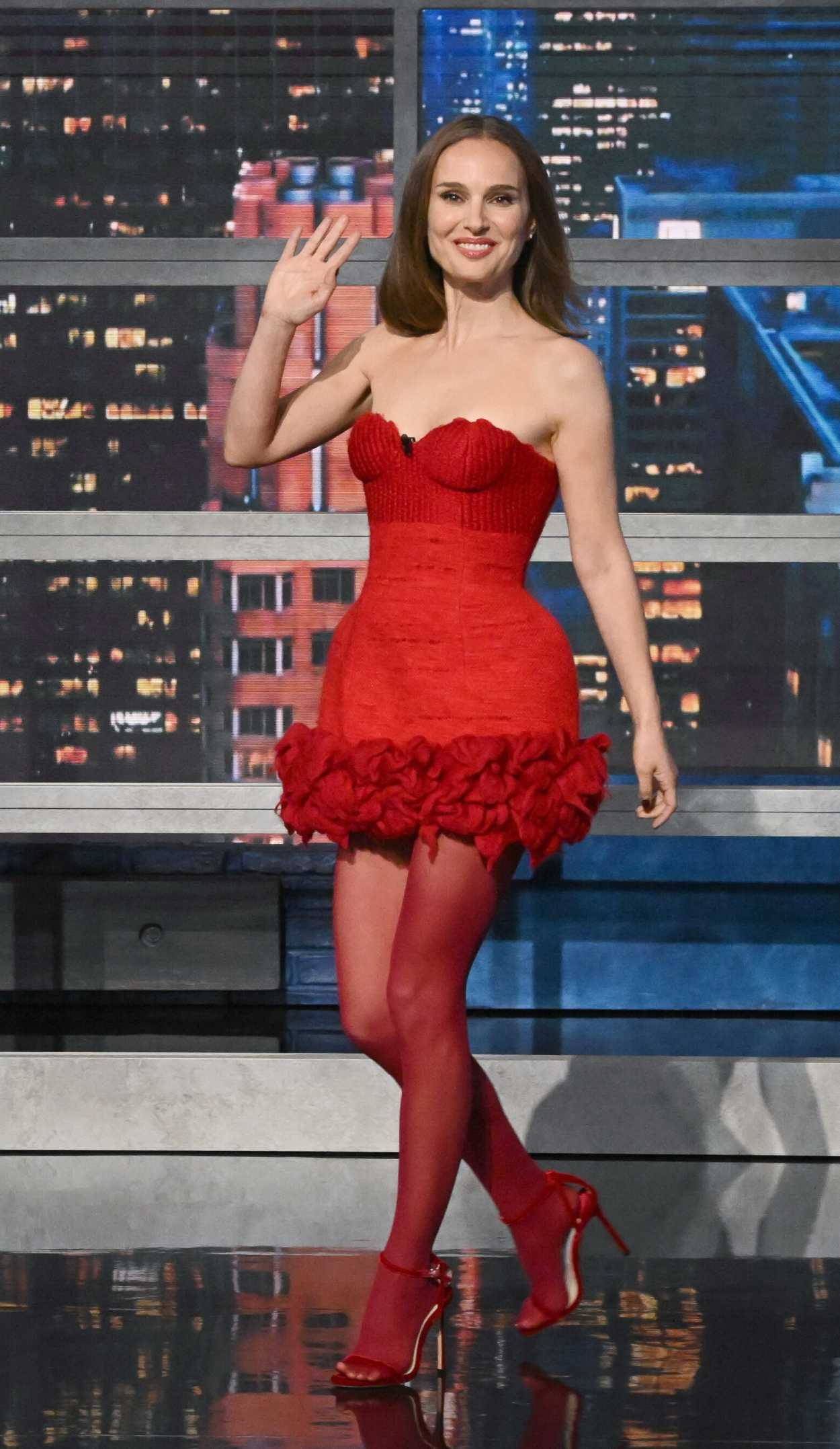
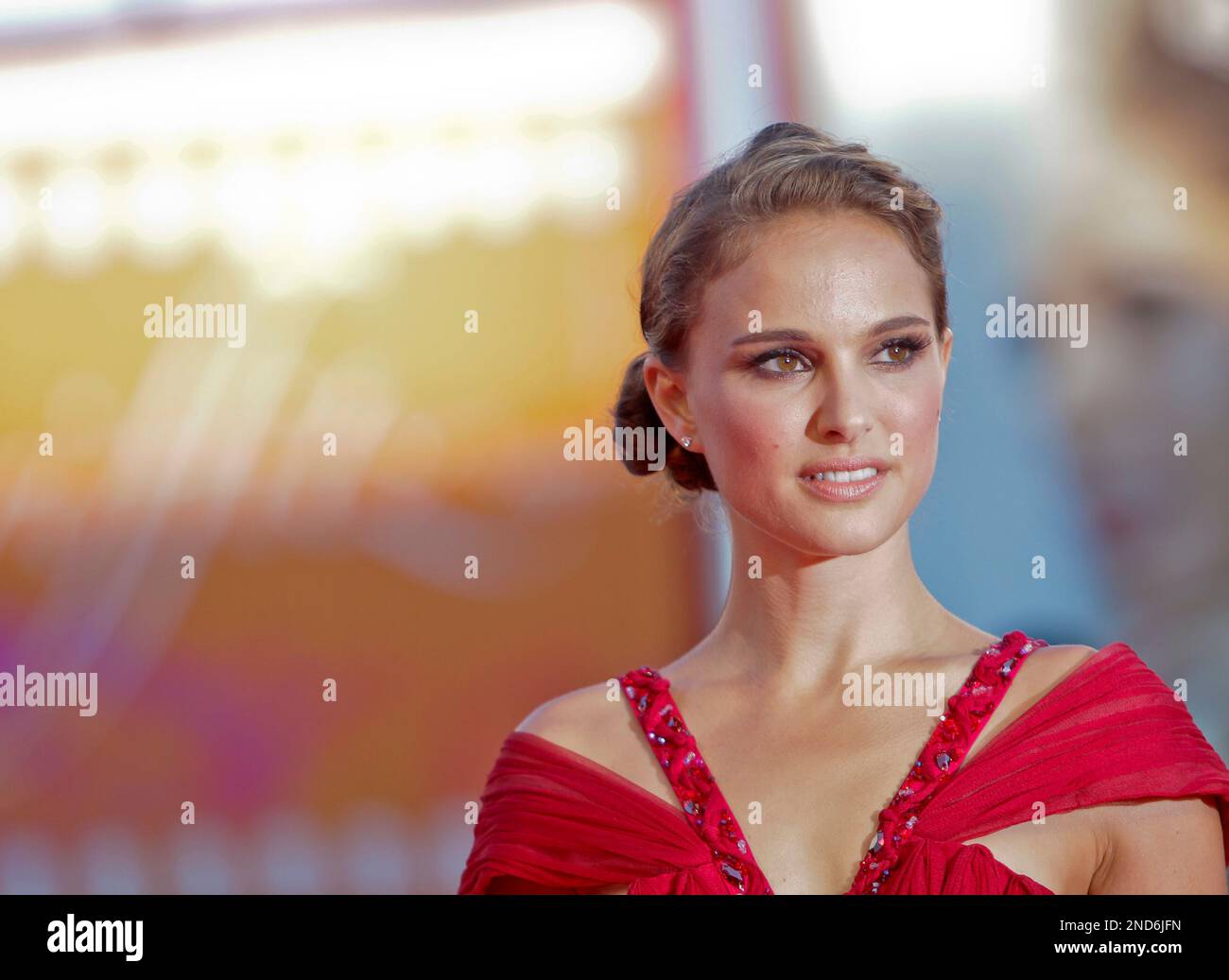
Natalie Portman Red Carpet: The Unexpected Power Play in Modern Cinema
Natalie Portman’s red carpet strategy has evolved into a calculated "power play," moving beyond mere aesthetics to serve as a platform for feminist activism and professional positioning. By integrating symbolic embroidery, archival Dio...
Natalie Portman’s red carpet strategy has evolved into a calculated "power play," moving beyond mere aesthetics to serve as a platform for feminist activism and professional positioning. By integrating symbolic embroidery, archival Dior couture, and sustainable fashion choices, she uses the global stage to challenge industry gender bias and assert her influence as an award-winning actress and producer.
Contents
For over two decades, Natalie Portman has been a fixture of high-fashion circles, but in recent years, her appearances have shifted from standard celebrity promotion to a sophisticated form of non-verbal communication. This "unexpected power play" refers to her ability to hijack the superficiality of the red carpet to broadcast structural critiques of Hollywood. Whether she is wearing the names of snubbed female directors or reviving museum-quality vintage gowns, Portman’s presence is a masterclass in using personal branding to drive a broader social and professional agenda.
The Evolution of the Red Carpet Power Play
The concept of a "power play" on the red carpet usually involves a radical change in style or a daring fashion risk. For Portman, the risk is not just sartorial; it is political and professional. Historically, actresses were expected to be "mannequins" for designers, answering questions limited to "Who are you wearing?" Portman, alongside a cohort of intentional peers, has flipped this script.
In the current landscape of 2026, we see the long-term results of her 2020 Oscar appearance, where she wore a Dior cape embroidered with the names of female directors who were overlooked by the Academy. That moment was a catalyst. It signaled that her relationship with fashion houses like Dior was no longer just a commercial endorsement but a partnership that allowed for subversive messaging. This move established a precedent for "silent protest" through luxury attire, a tactic that remains a cornerstone of her public persona.
From Ingenue to Industry Architect
Portman’s early career fashion was defined by a certain ethereal, ingenue-like quality—think back to the "Black Swan" era or her early years as the face of Miss Dior. However, as she moved into producing with her company, MountainA, her red carpet choices became sharper and more structural. The "power play" here is the transition from being the subject of the film to being the architect of the project.
By choosing silhouettes that emphasize authority—structured shoulders, monochromatic palettes, and minimalist jewelry—she aligns her visual identity with her role as a decision-maker. This is not accidental. In an industry where female directors and producers still fight for visibility, Portman’s wardrobe acts as a suit of armor that commands the same respect as a traditional executive’s attire, while maintaining the glamour required by the venue.
Archival Dior and the Sustainability Statement
One of Portman’s most significant power plays in recent years occurred at the Cannes Film Festival, where she wore a recreation of the iconic 1949 Dior "Junon" dress. This was more than a tribute to fashion history; it was a statement on the longevity and value of archival pieces in an era of fast-fashion burnout.
The choice to wear archival or "heritage" fashion serves three primary functions in Portman’s strategy:
- Sustainability: It highlights the importance of re-wearing and preserving high-quality garments, aligning with her long-standing veganism and environmental advocacy.
- Brand Loyalty: It solidifies her 20-year relationship with Dior, showing that she is not just a seasonal face but a guardian of the house’s legacy.
- Gravitas: Wearing a dress that belongs in a museum lends a sense of historical weight to her presence. It suggests that she is not just a "star of the moment," but a permanent fixture in the pantheon of cinema.
The Technical Precision of the "Junon" Recreation
The Junon dress worn at Cannes was a meticulous recreation of the original 1949 design. The technical execution involved hundreds of hours of hand-embroidery to mimic the "petals" of the skirt, which are layered to resemble the plumage of a peacock or a blooming flower. By opting for a recreation rather than a new custom design, Portman centered the conversation on craftsmanship and the enduring nature of art, rather than the "newness" that typically drives red carpet coverage.
Comparative Analysis: Iconic Red Carpet Power Plays
To understand the impact of these choices, we must look at the specific events where Portman used fashion to shift the narrative. The following table highlights the strategic intent behind her most notable appearances.
| Year | Event | Look Description | Strategic "Power Play" | Long-term Impact |
|---|---|---|---|---|
| 2018 | Golden Globes | Black velvet Dior gown (Time's Up) | Solidarity with the #MeToo movement and Time's Up initiative. | Helped standardize the red carpet as a site for social justice. |
| 2020 | Academy Awards | Dior cape with embroidered names | Direct critique of the Academy's lack of female director nominations. | Sparked a global conversation on gender bias in awards. |
| 2023 | Cannes Film Festival | Archival Dior "Junon" recreation | Emphasis on sustainability and the "timelessness" of female power. | Influenced a trend toward "heritage fashion" among A-list stars. |
| 2025 | Venice Film Festival | Custom structural suit | Blurring the lines between actor and producer identity. | Reinforced her status as an industry executive and creative lead. |
The "Producer's Wardrobe": Redefining Authority
As we move through 2026, the "Natalie Portman red carpet the unexpected power play" narrative has shifted toward her role as a producer. When promoting films like May December or her more recent independent ventures, her fashion choices have become increasingly streamlined.
This "Producer’s Wardrobe" often consists of:
- Architectural Tailoring: Eschewing the traditional ballgown for tailored trousers or structured blazers that signal "business" as much as "beauty."
- Minimalist Accessories: Focusing on one statement piece rather than a distraction of jewelry, ensuring the focus remains on her voice and her message.
- Sustainable Materials: Continuing to prioritize vegan fabrics and ethically sourced materials, which has now become a standard requirement in her Dior contracts.
This shift is a power play because it challenges the "glamour trap"—the idea that a woman must be hyper-feminized to be marketable. By leaning into a more masculine or "executive" aesthetic, Portman asserts that her value lies in her intellect and her ability to lead a production, not just her appearance.
Practical Implications for Public Branding and Image Management
Portman’s approach offers a blueprint for how public figures can manage their image with intent. For those analyzing her strategy from a branding or PR perspective, several key takeaways emerge:
- Consistency Over Novelty: Her decades-long partnership with Dior is a rarity. This consistency builds a "brand story" that is more powerful than a series of one-off fashion moments.
- The Power of Symbolism: Small details, like the embroidery on a cape, can generate more "earned media" than the most expensive gown in the room. This is the essence of the "unexpected power play."
- Alignment of Values: Portman ensures her fashion choices align with her personal ethics (veganism, feminism). This prevents "brand dissonance" and makes her advocacy feel authentic rather than performative.
Addressing the Critics: Is it "Slacktivism"?
Some critics have argued that embroidery on a cape is a "soft" form of activism that doesn't lead to structural change. However, in the context of the red carpet—an environment that usually avoids controversy at all costs—such a move is genuinely disruptive. It forces the media to print the names of the overlooked women, and it keeps the conversation about gender parity alive in the headlines for days after the event.
Frequently Asked Questions
What was the specific "power play" at the 2020 Oscars?
Natalie Portman wore a Dior cape embroidered with the names of female directors who were not nominated for an Academy Award that year, including Greta Gerwig and Lorene Scafaria. This was an "unexpected power play" because it used the very platform of the Oscars to criticize the organization’s voting patterns.
Why does Natalie Portman only wear Dior?
While she occasionally wears other brands, she has been a brand ambassador for Dior for nearly 20 years. This long-term partnership allows her to collaborate on custom pieces that reflect her values, such as vegan footwear and gowns that incorporate specific social or historical messages.
How does her fashion reflect her role as a producer?
In recent years, Portman has moved away from "princess-style" gowns toward more structured, architectural pieces. This aesthetic shift aligns with her professional growth as a producer and director, projecting an image of authority and creative control rather than just "talent."
What is the significance of the "Junon" dress?
The Junon dress is one of Christian Dior’s most famous designs from 1949. By wearing a recreation of it at Cannes, Portman signaled her appreciation for fashion history and sustainability, while also asserting her status as a "legend" in her own right who can carry such a significant garment.
Has her style changed in 2026?
As of 2026, Portman has doubled down on "sustainable luxury." She frequently opts for vintage or archival pieces and has influenced a wider industry trend where actors prioritize environmental impact over "newness" for every event.
Final Recommendation
When observing Natalie Portman’s red carpet appearances, it is essential to look beyond the surface of the fabric. The "unexpected power play" is a reminder that the red carpet is one of the world's most-watched stages. For Portman, every seam, every name embroidered in gold thread, and every archival silhouette is a deliberate choice intended to signal power, demand equality, and preserve the history of her craft. To truly understand her influence, one must view her fashion as an extension of her filmography: a carefully curated body of work designed to challenge, provoke, and inspire.
Image Gallery