Verrazzano-Narrows Bridge Traffic: 2026 Commuter Guide, Patterns, and Real-Time Management
Navigating the traffic on the Verrazzano-Narrows Bridge requires understanding peak rush hour windows, Metropolitan Transportation Authority (MTA) toll structures, and strategic alternate routes connecting Staten Island and Brooklyn. A...
Navigating the traffic on the Verrazzano-Narrows Bridge requires understanding peak rush hour windows, Metropolitan Transportation Authority (MTA) toll structures, and strategic alternate routes connecting Staten Island and Brooklyn. As the longest suspension bridge in the Americas, this vital artery experiences heavy daily congestion that demands careful travel planning.
Contents
Understanding the Verrazzano-Narrows Bridge Infrastructure
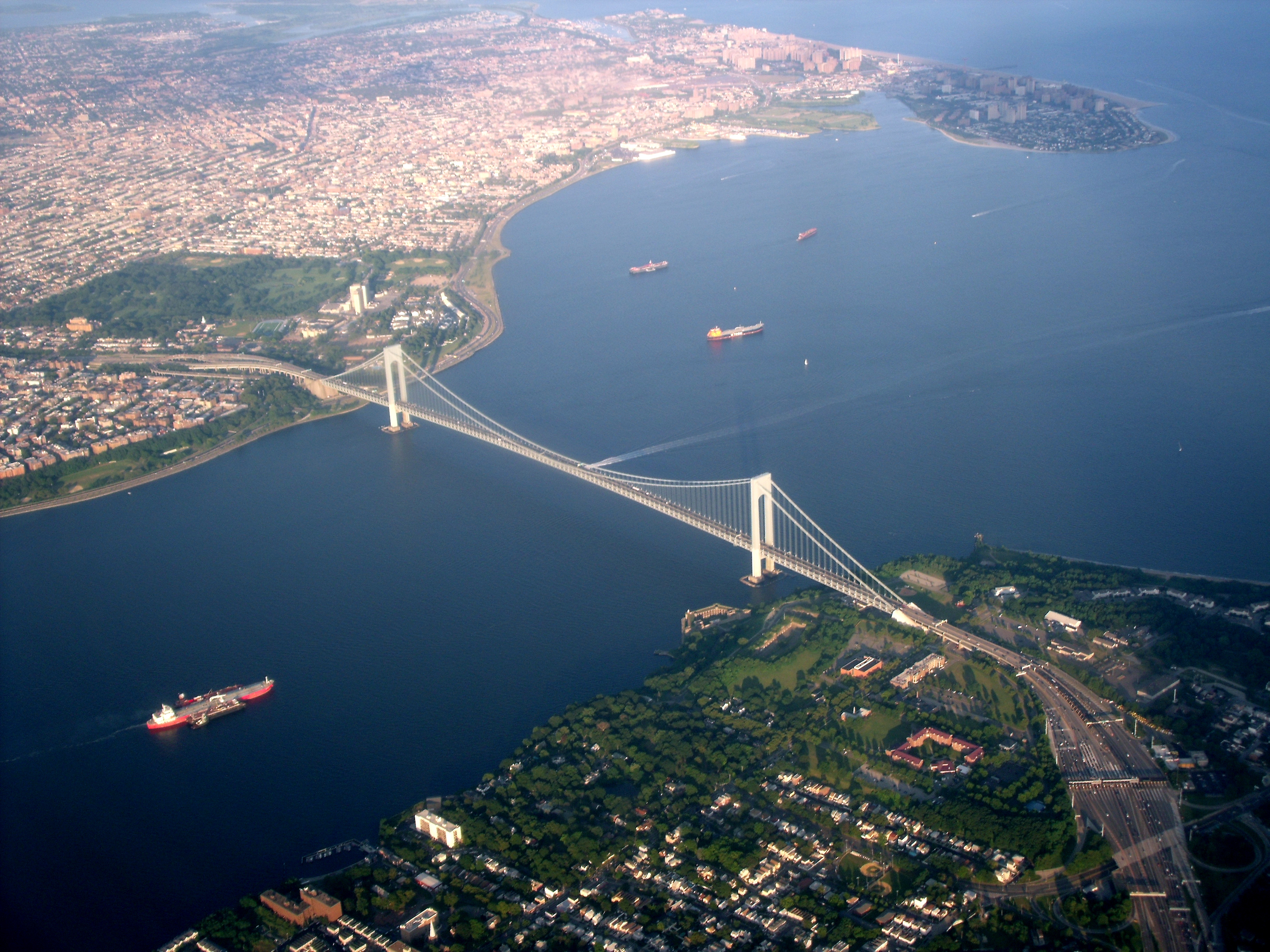
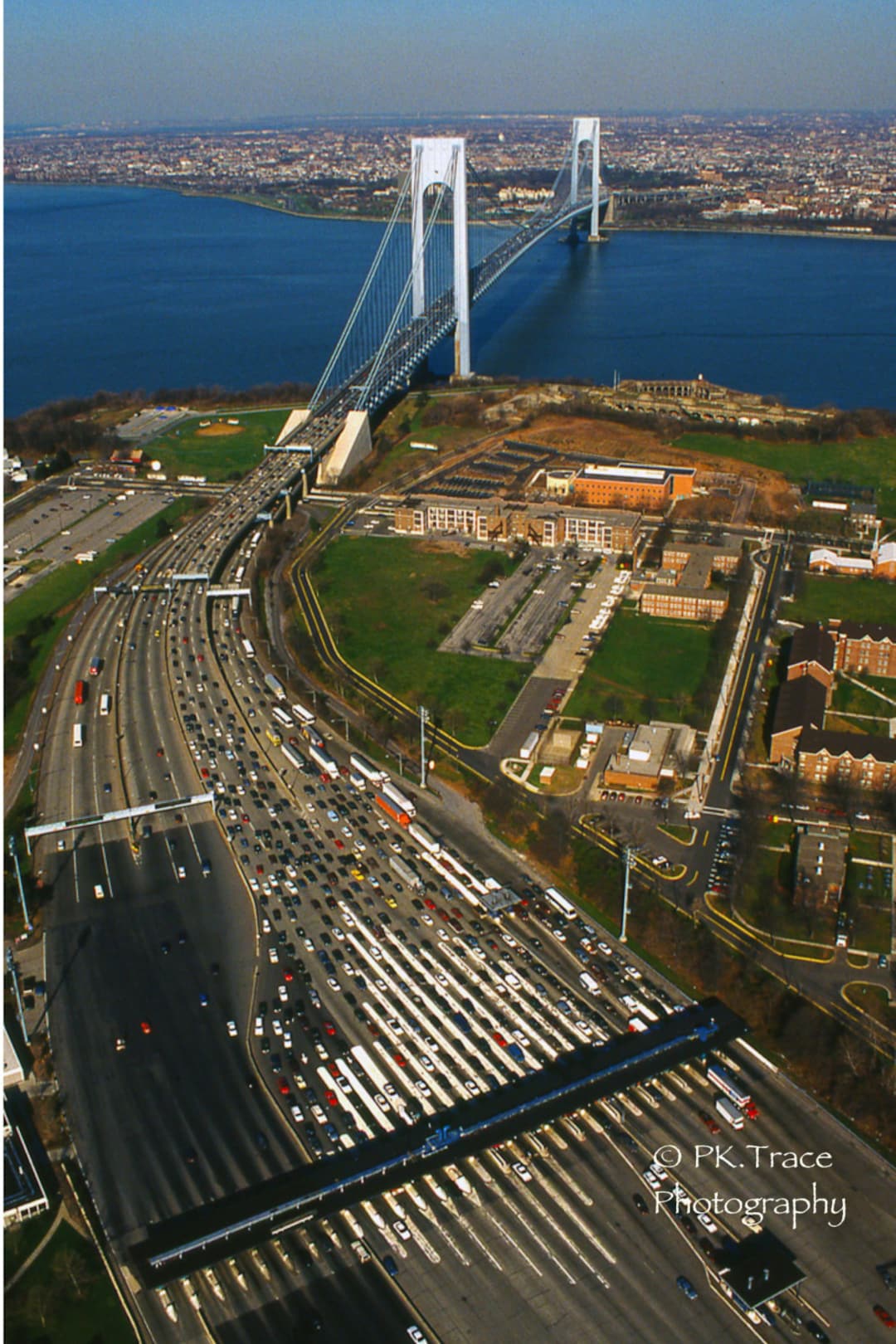
The Verrazzano-Narrows Bridge spans the Narrows, a body of water connecting the New York Harbor and the Lower New York Bay, linking the borough of Staten Island to Brooklyn. Opened in 1964 and double-decked in 1969, the bridge carries twelve lanes of traffic split evenly across two levels: six lanes on the upper deck and six lanes on the lower deck. It serves as the southern terminus of the Brooklyn-Queens Expressway (Interstate 278) on the Brooklyn side and connects directly to the Staten Island Expressway (Interstate 278) on the opposite end.
Operating as a critical link in the regional freight and commuter network, the bridge handles over 200,000 vehicles daily. Its structural capacity is constantly tested by regional growth, commercial trucking between New Jersey and Long Island, and daily commuter influxes. Because there are no pedestrian or bicycle pathways across the span, 100% of its volume consists of motorized vehicular traffic, ranging from passenger cars to heavy multi-axle freight carriers.
Daily Traffic Patterns and Peak Congestion Windows
Traffic flow on the Verrazzano-Narrows Bridge follows predictable cyclical patterns governed by regional workforce movements. Recognizing these windows allows drivers to avoid the most severe delays.
Morning Rush Hour (Manhattan-Bound via Brooklyn)
- Peak Window: 6:30 AM to 9:30 AM.
- Primary Direction: Upper and lower decks heavily favor eastbound traffic heading from Staten Island toward Brooklyn, feeding into the Belt Parkway, the Brooklyn-Queens Expressway (BQE), and local bridge crossings to Manhattan.
- Primary Bottlenecks: The Staten Island Expressway approach near the toll plaza, the merge points onto the lower deck, and the BQE interchange in Brooklyn.
Evening Rush Hour (Staten Island-Bound)
- Peak Window: 4:00 PM to 7:00 PM.
- Primary Direction: Westbound traffic from Brooklyn and connecting arterial highways back up toward Staten Island.
- Primary Bottlenecks: The approach from the Gowanus Expressway and Belt Parkway, the transition onto the span's upper and lower levels, and the Goethals/Outerbridge Crossing feeder distribution points on Staten Island.
Weekend and Off-Peak Variations
While weekends see lower overall volume, recreational travel and regional freight movement create midday congestion, particularly on Saturdays between 11:00 AM and 3:00 PM. Construction projects and scheduled maintenance by the MTA Bridges and Tunnels typically occur during overnight off-peak hours (10:00 PM to 5:00 AM) to minimize disruption, though lane closures can occasionally cause residual morning delays.
MTA Toll Structures, Payment Methods, and Resident Discounts
The Verrazzano-Narrows Bridge utilizes cashless tolling. Overhead gantries capture images of license plates and read E-ZPass transponders at highway speeds, eliminating toll booths and improving throughput.
| Payment Method | Passenger Vehicle Toll Rate | Commercial Vehicle Rate | Notes |
|---|---|---|---|
| New York Customer Service Center E-ZPass | Standard Discounted Rate | Varies by Axle & Weight | Requires an NY E-ZPass account properly mounted in the vehicle. |
| Staten Island Resident Program E-ZPass | Highly Subsidized / Rebated | Varies by Program Rules | Exclusive to qualifying Staten Island residents making frequent trips. |
| Out-of-State / Non-NY E-ZPass | Higher Standard Rate | Higher Standard Rate | Applies to transponders issued outside the NY Customer Service Center network. |
| Toll-by-Mail (Image-Based) | Highest Standard Rate | Highest Standard Rate | Invoices mailed to the registered owner of the vehicle; includes administrative overhead. |
Qualifying Staten Island residents must maintain an active New York Customer Service Center E-ZPass account and meet residency and vehicle registration criteria to receive the heavily discounted resident toll program rates. Failure to maintain a properly mounted transponder results in Toll-by-Mail billing at the higher non-discounted rate, regardless of resident status.
Alternative Routes and Regional Detours
When major accidents, disabled vehicles, or severe weather events gridlock the Verrazzano-Narrows Bridge, drivers must rely on alternative transit corridors. Because direct vehicular crossings between Staten Island and Brooklyn are limited to this single span, detours typically require routing through New Jersey.
- Via New Jersey (Outerbridge Crossing or Goethals Bridge): Motorists heading from Staten Island to Brooklyn or Long Island can take the Staten Island Expressway westbound, cross into New Jersey via the Goethals Bridge or Outerbridge Crossing, travel north on the New Jersey Turnpike, and use the Holland Tunnel or George Washington Bridge, or loop back east via the Verrazzano if conditions clear. This adds significant mileage but circumvents mid-span gridlock.
- Public Transit Alternatives: Commuters seeking to bypass bridge traffic entirely frequently utilize the Staten Island Railway to the St. George Terminal, followed by the Staten Island Ferry to Manhattan, or express buses operated by MTA Bus Company that utilize HOV lanes and dedicated transit priority corridors.
Comparative Analysis: Verrazzano-Narrows Bridge vs. Alternative Regional Crossings
| Crossing Name | Connecting Points | Primary Transit Type | Typical Peak Delay Factors | HOV / Bus Advantages |
|---|---|---|---|---|
| Verrazzano-Narrows Bridge | Staten Island & Brooklyn | Vehicular (Cars, Trucks, Buses) | BQE merges, toll gantry approach, heavy freight volume | Limited dedicated carpool lanes; express buses prioritized at approaches. |
| Goethals Bridge | Staten Island & Elizabeth, NJ | Vehicular (Heavy Freight & Commuters) | New Jersey Turnpike interchange, commercial truck volume | Standard multi-lane distribution. |
| Outerbridge Crossing | Staten Island & Perth Amboy, NJ | Vehicular (Suburban Commuters) | Route 440 feeder roads, New Jersey highway connections | Standard multi-lane distribution. |
| Staten Island Ferry | St. George (SI) & Whitehall (Manhattan) | Passenger Maritime | Terminal boarding queues, weather delays | 100% passenger transit, avoids highway congestion entirely. |
Step-by-Step Guide to Monitoring and Minimizing Verrazzano Commute Delays
Proactive route planning is essential for minimizing time lost in bridge traffic. Follow this structured process before every commute:
- Check Real-Time Traffic Feeds: Consult official MTA sources, 511NY, or dynamic mapping applications (Google Maps, Waze, Apple Maps) prior to leaving your origin point to check for active incidents, accidents, or stalled vehicles on the span.
- Verify E-ZPass Account Balance: Ensure your New York Customer Service Center E-ZPass account has a positive balance and your transponder is securely mounted to the windshield near the rearview mirror to prevent toll processing delays and high-rate billing.
- Select Off-Peak Departure Times: Adjust departure times to travel before 6:30 AM or after 9:30 AM for morning commutes, and before 4:00 PM or after 7:00 PM for evening journeys, whenever schedule flexibility permits.
- Monitor Overhead Variable Message Signs: Pay close attention to overhead digital gantry signs approaching the bridge, which alert drivers to lane closures, construction zones, and recommended lower or upper deck routing.
- Maintain Safe Following Distances: Due to sudden speed fluctuations caused by merging traffic from the Staten Island Expressway and Belt Parkway, maintain a minimum three-second following distance to react safely to abrupt braking events.
Common Commuter Mistakes and Troubleshooting
Drivers frequently encounter avoidable delays and penalties due to common operational errors on the Verrazzano-Narrows Bridge.
- Improper E-ZPass Placement: Holding a transponder in your hand or placing it on the passenger seat causes gantry failure, resulting in Toll-by-Mail invoicing at the highest rate. Always mount the transponder firmly to the interior windshield.
- Ignoring Deck Selection Signage: Choosing the wrong deck can trap drivers in heavy commercial truck queues. Review lane designation signs early to select passenger-car-heavy or clearer deck levels.
- Neglecting Resident Program Renewals: Staten Island residents often forget to renew their local toll discount program credentials annually, leading to unexpected full-rate toll charges on their statements.
- Failing to Account for BQE Residuals: Commuters clearing the Brooklyn-bound span often get trapped in unexpected gridlock due to downstream backups on the Brooklyn-Queens Expressway. Monitor BQE conditions in tandem with bridge metrics.
Expert Recommendations for Regular Commuters
To optimize daily travel across the Verrazzano-Narrows Bridge, veteran commuters should adopt a multi-layered approach. Enroll in automated E-ZPass low-balance replenishment to prevent administrative blocks on your discount status. Keep emergency supplies, including water and mobile device chargers, in your vehicle, as mid-span blockages can significantly extend travel durations during major vehicular accidents. Finally, subscribe to MTA text or email alerts for real-time operational updates regarding weather restrictions, wind holds on high-profile vehicles, and scheduled overnight maintenance closures.
Frequently Asked Questions
What is the fastest time of day to cross the Verrazzano-Narrows Bridge?
The fastest crossing times typically occur during deep off-peak hours, specifically between 10:00 PM and 5:00 AM, as well as mid-day windows from 10:00 AM to 2:00 PM on weekdays. During these periods, traffic volume drops significantly, allowing for steady highway-speed travel across both decks.
How do I qualify for the Staten Island Resident Toll Program?
To qualify, you must be a resident of Staten Island, own or lease a registered passenger vehicle, and maintain a New York Customer Service Center E-ZPass account with your vehicle properly registered to your Staten Island address. Applications and verifications are processed directly through the MTA E-ZPass portal.
Are trucks allowed on both decks of the Verrazzano-Narrows Bridge?
Commercial trucking is permitted on both the upper and lower decks, though certain weight restrictions, hazardous material bans, and dynamic lane management rules apply. Drivers of heavy commercial vehicles must adhere to specific lane configurations signaled by overhead electronic advisory boards.
What happens if my E-ZPass does not read when crossing the bridge?
If your transponder fails to read, the overhead gantry systems capture your vehicle's license plate. If your license plate is linked to an active New York E-ZPass account, the correct toll rate is deducted automatically. If no account is found, a Toll-by-Mail invoice is generated and sent to the registered owner at the higher non-discounted rate.
Are there pedestrian or bicycle paths across the Verrazzano-Narrows Bridge?
No, the Verrazzano-Narrows Bridge does not feature pedestrian walkways or bicycle lanes. All transit across the bridge is restricted to motor vehicles, commercial trucks, and authorized buses. Commuters must rely on alternative regional transit networks for non-vehicular crossings.
Image Gallery