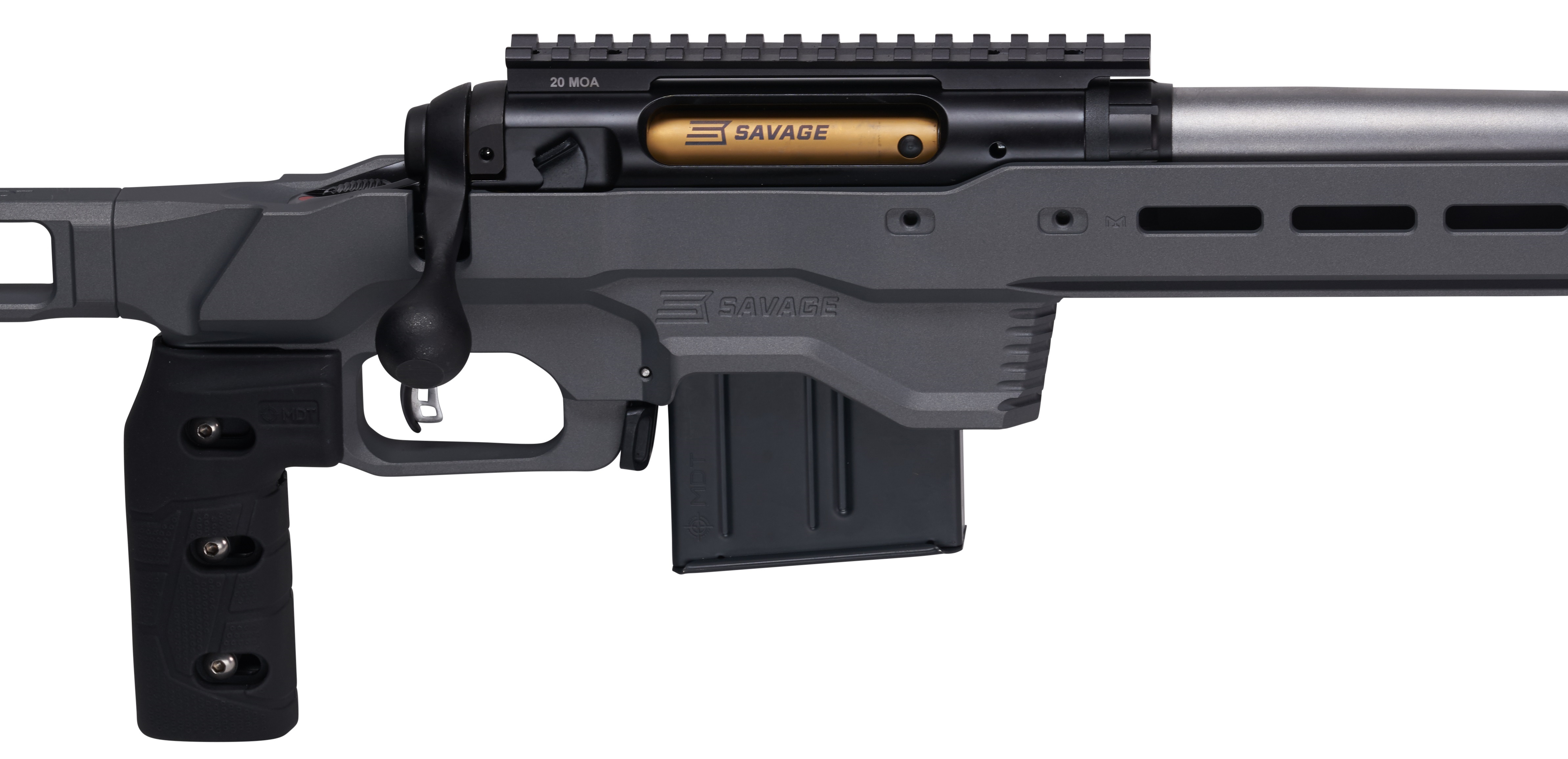
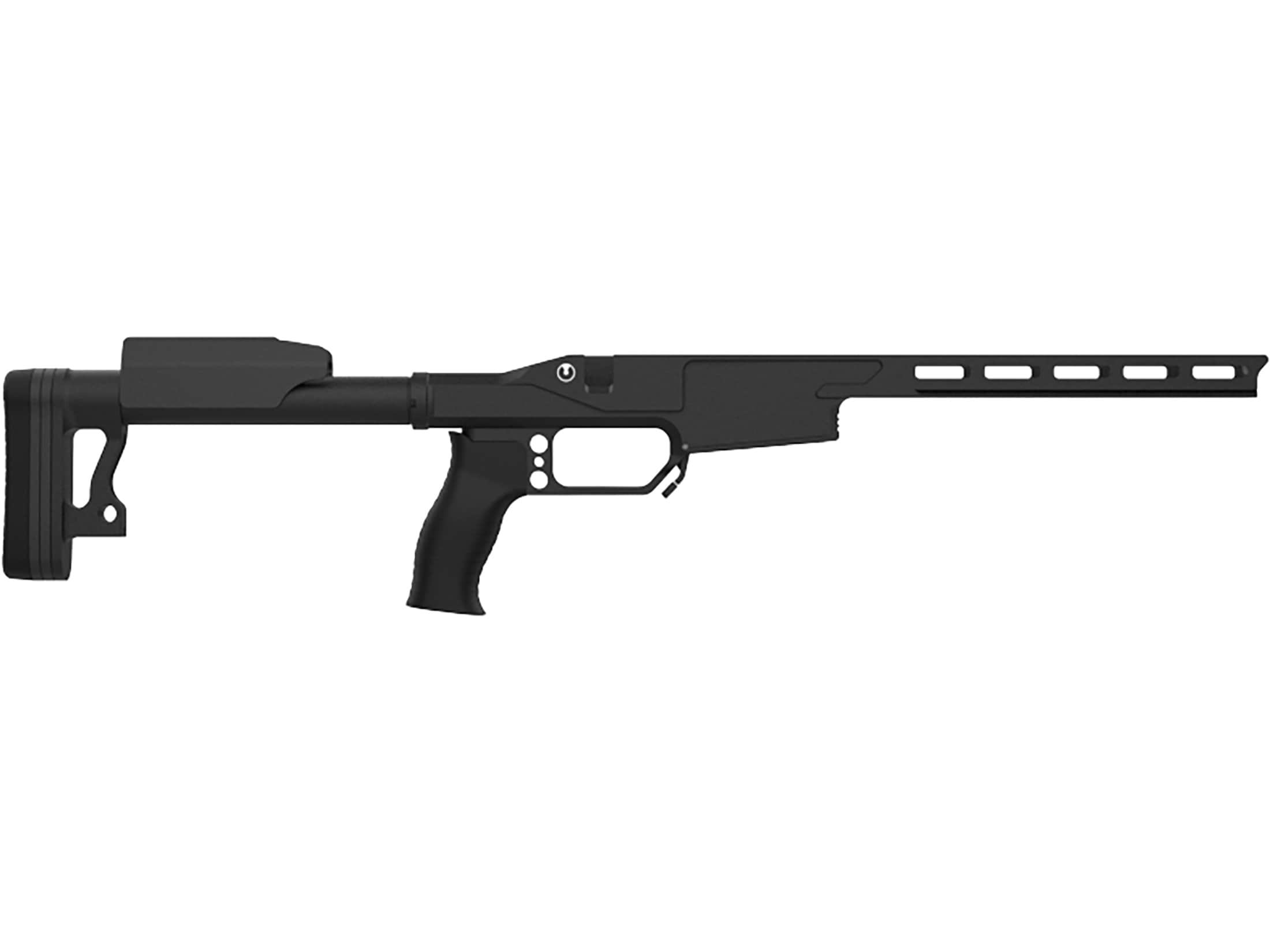
Savage 110 Chassis Upgrades: The Ultimate 2026 Guide to Precision Rifle Accuracy
Upgrading to an aftermarket Savage 110 chassis transforms a factory hunting rifle into a precision-grade long-range platform by introducing a rigid aluminum or composite backbone, AICS-detachable box magazine compatibility, and fully a...
Upgrading to an aftermarket Savage 110 chassis transforms a factory hunting rifle into a precision-grade long-range platform by introducing a rigid aluminum or composite backbone, AICS-detachable box magazine compatibility, and fully adjustable ergonomics. This guide covers the technical specifications, installation steps, and performance metrics required to optimize your Savage 110 build.
Contents
Understanding the Savage 110 Action and Modern Chassis Systems
The Savage 110 action has remained a staple in the firearms industry due to its ease of barrel changes, floating bolt head design, and legendary out-of-the-box accuracy. However, traditional factory polymer or wooden stocks often suffer from flex under recoil and lack the rigid foundation needed for consistent precision shooting. Modern aftermarket chassis systems solve these structural deficiencies by encasing the action in a precision-machined, aircraft-grade aluminum block.
When evaluating a chassis system for a Savage 110, you must first verify your specific action variant. Savage rifles have evolved over decades, resulting in distinct bottom metal configurations, bolt head sizes, and action screw spacing.
Key Technical Variations of the Savage 110 Action
- Action Screw Spacing: Older long-action and short-action models vary, but modern Savage 110 short actions typically feature a screw spacing of 4.40 inches (center-to-center), while older legacy models feature 4.27 inches. Modern long actions measure 5.062 inches.
- Bottom Bolt Release vs. Top Bolt Release: The location of your bolt release lever dictates which inlet you require. Modern 110 actions predominantly feature a top bolt release located behind the ejection port, while legacy models feature a release lever in front of the trigger guard.
- Magazine Compatibility: Most modern chassis systems transition the rifle away from internal blind magazines or factory plastic detachable magazines to the reliable Accuracy International Chassis System (AICS) pattern.
Evaluating Popular Savage 110 Chassis Options
Selecting the right chassis depends on your primary use case, whether it is competitive Precision Rifle Series (PRS) shooting, tactical application, or long-range hunting. The market features several industry-standard manufacturers that engineer drop-in solutions specifically for the Savage 110 platform.
| Chassis Model | Primary Material | Weight (lbs) | Magazine Type | Notable Features |
|---|---|---|---|---|
| MDT LSS-XL Gen2 | 6061-T6 Aluminum | 3.1 - 3.4 | AICS Pattern | Lightweight, modular forend, excellent for mobile hunting builds. |
| MDT ACC Elite | 6061-T6 Aluminum | 6.5+ | AICS Pattern | Heavy competition focus, integrated weight tuning system, ultra-rigid. |
| Oryx by MDT | Aluminum Backbone / Polymer Panels | 4.2 | AICS Pattern | Budget-friendly, fixed ergonomic design, integrated thumb shelf. |
| XLR Industries Envy Pro | 6061-T6 Aluminum | 4.8 | AICS Pattern | Integrated ARCA Swiss rail, designed specifically for competitive PRS. |
When comparing these systems, prioritize weight distribution. A hunting rifle requires a lighter chassis like the MDT LSS-XL to remain portable, whereas a dedicated benchrest or PRS rifle benefits from the heavy mass of an MDT ACC Elite or XLR Envy Pro to mitigate recoil and maintain crosshair stability during shot execution.
Step-by-Step Installation Guide for a Savage 110 Chassis
Installing a chassis onto a Savage 110 action is a straightforward process, but it requires precision and proper torque management to ensure maximum mechanical accuracy and prevent action stress.
Tools Required
- High-quality torque wrench (calibrated in inch-pounds)
- Appropriate Hex or Torx driver bits (typically 5/32 inch for action screws)
- Degreaser and clean shop rags
- Threadlocker (blue Loctite, optional for non-action screws)
Installation Workflow
- Safety Verification: Ensure the rifle is completely unloaded by visually and physically inspecting both the chamber and the magazine well. Remove the bolt and set it aside.
- Remove Factory Stock: Unscrew the front and rear action screws securing the barreled action to the factory stock. Lift the barreled action cleanly out of the stock, taking care not to lose the recoil lug or trigger guard components.
- Inspect the Recoil Lug: Note the placement of the Savage recoil lug. Some models sandwich a floating recoil lug between the barrel nut and the action face. Ensure this lug remains properly seated in its slot during the transfer.
- Dry Fit in the Chassis: Lower the barreled action into the new chassis inlet. Verify that the action sits flush against the V-block or flat bedding surface without rocking. Check that the barrel floats freely within the forend channel without touching either side.
- Torque Action Screws: Insert the action screws through the bottom metal and into the action. Alternate tightening the front and rear screws progressively until you reach the manufacturer's recommended specification—typically between 45 and 65 inch-pounds. Never fully torque one screw down before starting the other.
- Function Check: Reinsert the bolt, engage and disengage the safety, pull the trigger to test the sear engagement, and test the AICS magazine feed and drop functionality.
Torque Management Advisory
Consistency is Critical: Over-torquing action screws can warp the receiver or bind the bolt, while under-torquing can cause the action to shift under recoil, resulting in erratic zero shifts. Always adhere strictly to the chassis manufacturer's specified inch-pound limits.
Advantages and Limitations of Chassis Upgrades
Transitioning your Savage 110 into a chassis system yields significant performance dividends, though it also introduces specific trade-offs regarding weight and handling dynamics.
Pros
- Enhanced Rigidity: Aluminum chassis eliminate stock flex, ensuring consistent barrel harmonics and improved shot-to-shot grouping consistency.
- Ergonomic Adjustability: Most chassis feature adjustable length-of-pull and cheek risers, allowing you to custom-fit the rifle to your skeletal structure and optic height.
- Standardized Magazines: Access to robust, metal AICS magazines eliminates feeding issues commonly associated with factory polymer magazines.
- Accessory Integration: Built-in M-LOK, Picatinny, and ARCA rail interfaces simplify the mounting of bipods, tripods, and barrier stops.
Cons
- Increased Weight: Full-aluminum tactical chassis add substantial weight, which can make long-distance spot-and-stalk hunting physically fatiguing.
- Cost Factor: High-end competition chassis often approach or exceed the original retail cost of a standard Savage 110 rifle.
- Aesthetic Departure: Shooters accustomed to traditional wooden or synthetic hunting stocks may find the tactical, industrial aesthetic unappealing.
Troubleshooting Common Savage 110 Chassis Issues
Even with drop-in precision engineering, minor compatibility hurdles can occur due to manufacturing tolerances across Savage's extensive production history.
Common Problems and Remedies
- Bolt Lift Binding: If the bolt feels heavy or binds upon closing after installation, your action screws may be too long or unevenly torqued, protruding into the raceway. Back out the screws, clean the threads, and re-torque evenly.
- Magazine Feeding Failures: If rounds fail to feed from the AICS magazine, check the magazine catch height. Some chassis feature adjustable magazine catches or require minor shimming to ensure correct cartridge feeding angle relative to the feed ramp.
- Barrel Contact: If the barrel touches one side of the forend channel, loosen the action screws, apply lateral pressure to center the barrel in the channel, and re-torque the screws while holding the barreled action centered.
Frequently Asked Questions
Will any Savage 110 chassis fit my rifle?
No. You must match your specific action length (short vs. long), action screw spacing, bolt release style (top vs. bottom bolt release), and bottom metal configuration to the exact chassis inlet specifications before purchasing.
Do I need to glass bed a modern aluminum chassis?
No. High-quality aluminum chassis utilize precision-machined V-block bedding systems that provide direct, rigid contact points for the receiver, rendering traditional epoxy glass bedding unnecessary.
Can I use my factory blind magazine in an aftermarket chassis?
Almost never. The vast majority of aftermarket chassis systems are designed exclusively to accept detachable AICS-pattern magazines, requiring you to transition away from internal blind magazines.
Will upgrading to a chassis improve my rifle's accuracy?
A chassis will not fix a worn-out barrel or poor ammunition, but it maximizes your rifle's mechanical potential by removing stock flex and providing a stable, vibration-consistent platform for the action.
Are chassis systems legal for traditional hunting?
Yes. While many chassis feature a tactical appearance, they function purely as a stock replacement and are fully legal for hunting in regions that permit centerfire rifles.
Practical Recommendation for Your Build
When planning your Savage 110 upgrade, carefully match your chassis selection to your primary shooting discipline. If your goal is precision long-range target engagement and PRS competition, invest in a heavy chassis equipped with an integrated ARCA rail and weight tuning capabilities. If you intend to carry the rifle through rugged terrain, select a lightweight skeletonized aluminum chassis that prioritizes portability without sacrificing the structural rigidity essential for consistent accuracy.
Image Gallery