Understanding California’s Tax Treatment of Life Insurance Proceeds
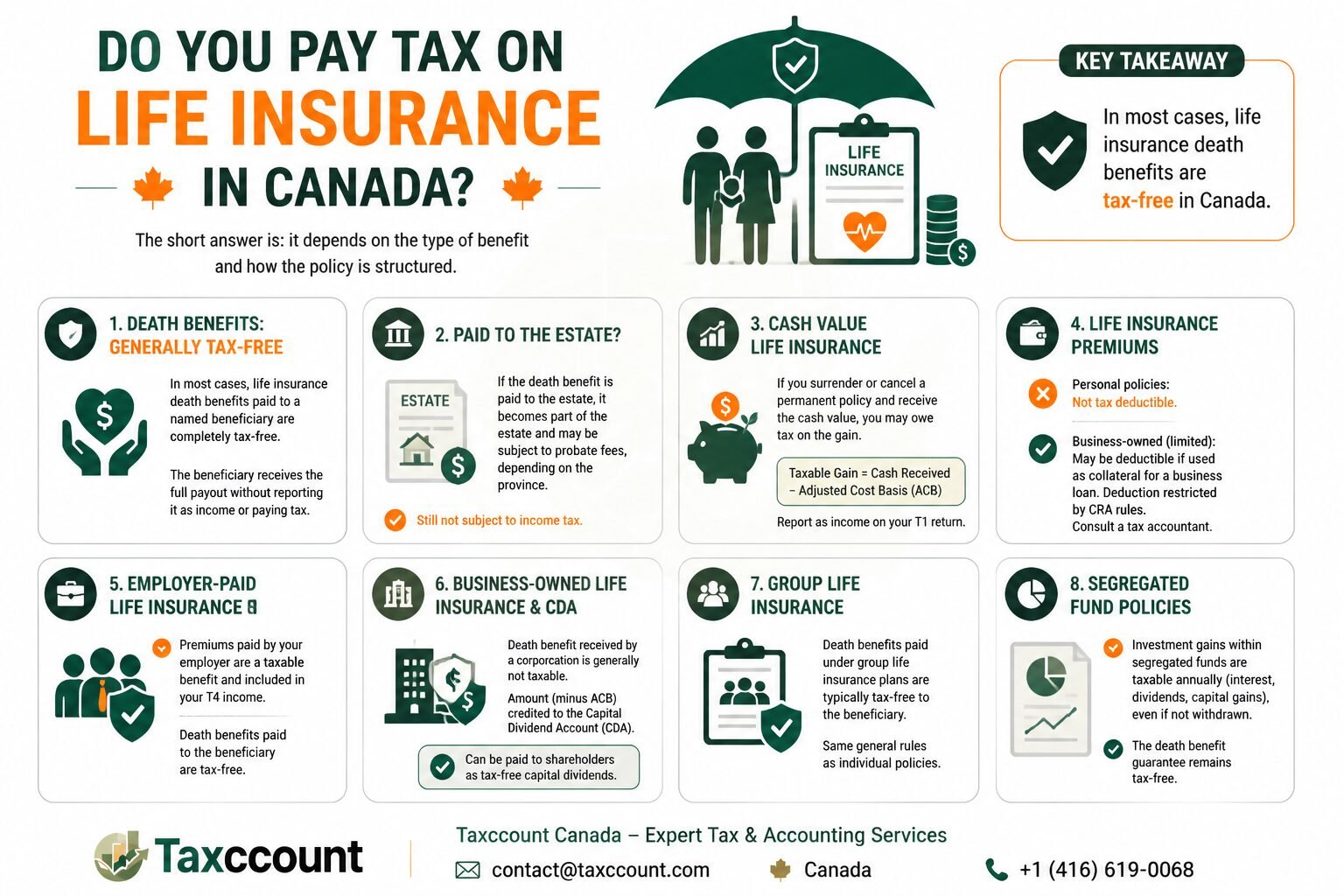
In the 2026 tax year, California residents generally do not pay state income tax on life insurance proceeds received as a lump sum. The California Franchise Tax Board (FTB) typically follows federal guidelines, which treat death benefi...
In the 2026 tax year, California residents generally do not pay state income tax on life insurance proceeds received as a lump sum. The California Franchise Tax Board (FTB) typically follows federal guidelines, which treat death benefits as an exclusion from gross income. However, taxes apply if the proceeds earn interest or if the policy was sold for a profit prior to the insured's death.
Contents
The question of whether California taxes life insurance proceeds is a frequent concern for beneficiaries navigating the complexities of estate settlement. While the short answer is usually "no," the technical nuances of the California Revenue and Taxation Code (RTC) and its relationship with the federal Internal Revenue Code (IRC) can create specific scenarios where a tax liability arises. Understanding these triggers is essential for financial planning and ensuring that beneficiaries do not encounter unexpected obligations during an already difficult time.
The Foundation: Why Most Life Insurance Payouts are Tax-Exempt
California law largely conforms to federal tax principles regarding life insurance. Under Internal Revenue Code Section 101(a), which California incorporates into its own tax statutes, amounts received under a life insurance contract, if paid by reason of the death of the insured, are not included in gross income.
The rationale behind this exemption is rooted in social policy. Governments at both the state and federal levels recognize that life insurance serves as a vital safety net. By allowing these proceeds to pass to beneficiaries tax-free, the law helps prevent families from falling into financial ruin or becoming dependent on state-funded social services following the loss of a primary earner. For the 2026 tax cycle, this principle remains a cornerstone of California’s approach to inheritance and death benefits.
It is important to distinguish between "income" and "inheritance." California famously repealed its state inheritance tax in 1982 via Proposition 6. Since then, the state has not imposed a tax on the privilege of receiving property from a decedent. Therefore, when a life insurance company issues a check for the face amount of a policy, the State of California does not view that money as taxable "earned income" or as a taxable "inheritance."
When Does California Tax Life Insurance?
While the core death benefit is exempt, several specific conditions can trigger a tax bill from the California Franchise Tax Board. These exceptions often involve the "growth" of the money rather than the "principal" of the insurance benefit itself.
1. Interest Earned on the Death Benefit
If a beneficiary chooses to leave the life insurance proceeds with the insurance company for a period of time, or if the company is delayed in making a payment, the funds often accrue interest. While the original death benefit remains tax-free, the interest earned is fully taxable as ordinary income in California.
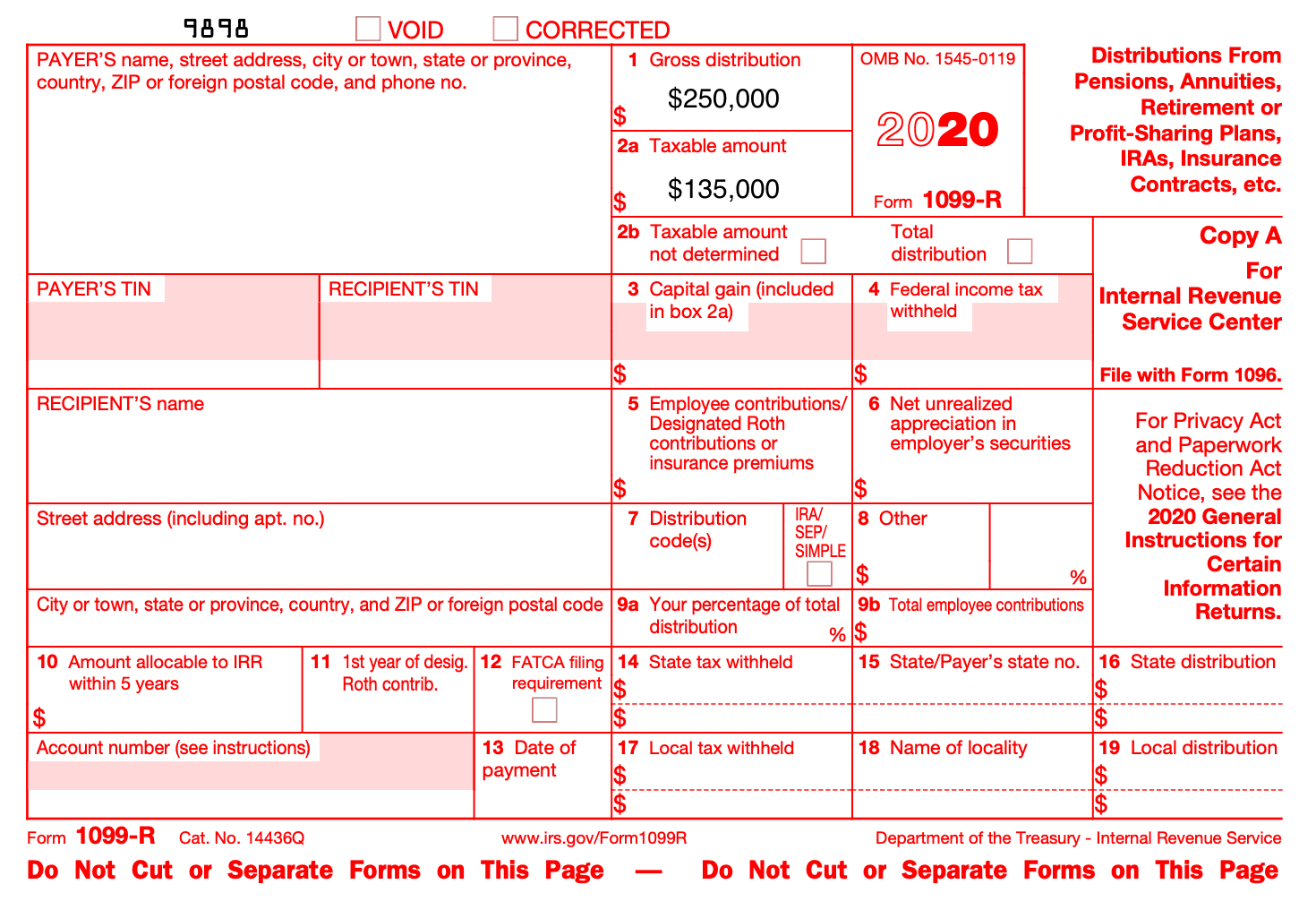
For example, if a $500,000 policy pays out an additional $2,000 in interest because the insurer held the funds for three months during the claims process, the beneficiary must report that $2,000 on their California Form 540. The insurance company will typically issue a Form 1099-INT detailing this amount.
2. The Transfer-for-Value Rule
One of the most complex areas of insurance taxation is the "transfer-for-value" rule. If a life insurance policy is sold or transferred to another party for valuable consideration (money or something of value), the tax-exempt status of the death benefit may be partially lost.
In this scenario, the amount excluded from California income tax is limited to the sum of the actual value of the consideration paid plus any subsequent premiums paid by the buyer. The remaining balance of the death benefit is treated as taxable income. This rule is designed to prevent investors from using life insurance as a purely tax-free investment vehicle through the "viatical settlement" or "life settlement" secondary markets, though specific exemptions exist for transfers to the insured or a partner of the insured.
3. Installment Payouts and Annuities
If a beneficiary elects to receive the death benefit in installments rather than a single lump sum, each payment consists of two parts: a portion of the tax-free principal and a portion of taxable interest. California requires beneficiaries to calculate the "exclusion ratio" to determine how much of each check is subject to state tax. This ensures that only the "growth" of the money is taxed, preserving the tax-free nature of the original policy amount.
Employer-Owned Life Insurance (EOLI) and IRC 101(j)
In the corporate world, many California employees are covered by policies owned by their employers. Since 2006, federal law (IRC Section 101(j)) has dictated that proceeds from employer-owned life insurance are generally taxable as income unless specific notice and consent requirements were met before the policy was issued.
California adheres to these standards. If an employer fails to properly document that the employee was notified of the intent to insure their life and consented to the coverage, the proceeds—minus any premiums paid by the employer—become taxable income to the business. This can have significant implications for "Key Person" insurance or policies used to fund buy-sell agreements in California-based closely held corporations.
Estate Tax vs. Income Tax: A Critical Distinction
A common point of confusion for California residents is the difference between state income tax and the Federal Estate Tax.
- California State Income Tax: As established, California does not tax the death benefit as income.
- California State Estate Tax: California does not have a state-level estate tax as of 2026.
- Federal Estate Tax: If the total value of a decedent’s estate exceeds the federal exemption limit (which is subject to significant legislative adjustments, often indexed for inflation), the life insurance proceeds may be included in the "Gross Estate" for federal tax purposes.
If the deceased person owned the policy (meaning they had the "incidents of ownership," such as the right to change beneficiaries), the entire value of the death benefit is added to their estate. Even if the beneficiary receives the money income-tax-free, the estate itself might owe federal taxes if the total assets are high enough. To avoid this, many Californians utilize Irrevocable Life Insurance Trusts (ILITs) to remove the policy from their taxable estate.
Comparison of Taxability Scenarios in California
The following table outlines how various life insurance events are treated under California tax law in 2026.
| Scenario | California Income Tax Treatment | Taxable Amount |
|---|---|---|
| Lump-Sum Death Benefit | Exempt | $0 |
| Interest on Death Benefit | Taxable | Entire interest amount |
| Policy Surrender (Cash Value) | Partially Taxable | Amount exceeding "Cost Basis" (premiums paid) |
| Policy Loan | Generally Non-Taxable | $0 (unless policy lapses with outstanding loan) |
| Accelerated Death Benefits | Exempt | $0 (if for terminal or chronic illness) |
| Transfer-for-Value Sale | Partially Taxable | Profit above purchase price and premiums |
| Dividend Payments | Generally Non-Taxable | $0 (viewed as a return of premium) |
Cash Value and Living Benefits: Taxation While Alive
Sometimes, the question of "why" or "how" California taxes insurance arises while the policyholder is still living. Permanent life insurance policies (like Whole Life or Universal Life) accumulate cash value.
If a policyholder surrenders the policy for cash, California taxes the "gain" in the policy. The gain is calculated by taking the total cash received and subtracting the cost basis (the total premiums paid into the policy minus any dividends received). If you paid $50,000 in premiums over twenty years and surrender the policy for $70,000, California will tax the $20,000 difference as ordinary income.
Conversely, "Accelerated Death Benefits"—payments made to a policyholder who is terminally or chronically ill—receive favorable tax treatment in California. These are generally treated as tax-free, allowing the policyholder to use the funds for medical expenses or end-of-life care without the burden of a tax lien.
Frequently Asked Questions
Does a beneficiary need to report a life insurance payout on California Form 540?
In most cases, no. If the payout is a standard death benefit paid in a lump sum, it is excluded from gross income and does not need to be reported on the state return. However, if the insurer issues a 1099-INT for interest earned on that benefit, that specific interest amount must be reported on Schedule CA (540).
What happens if the life insurance policy was part of a 401(k) or qualified plan?
This is a notable exception. If life insurance is held within a tax-qualified retirement plan, the "net death benefit" (the death benefit minus the cash value) is usually tax-free. However, the cash value portion may be treated as a distribution from the retirement plan and could be subject to California income tax, similar to a traditional IRA distribution.
Why did California stop taxing inheritances?
California voters passed Proposition 6 in June 1982, which prohibited the state from imposing gift, inheritance, or estate taxes. The movement was driven by a desire to prevent the forced sale of family farms and small businesses to pay state death taxes. This makes California one of many "pick-up tax" states that only collect estate taxes if they can be credited against federal estate tax liability—though federal changes in the early 2000s effectively eliminated this mechanism as well.
Is the "Cost Basis" different for California tax than for federal tax?
Generally, no. California follows the federal definition of cost basis for life insurance, which includes the total premiums paid minus any non-taxable dividends or withdrawals already taken. It is vital to keep accurate records of premium payments over the life of a permanent policy to ensure the cost basis is calculated correctly upon surrender or sale.
Can California tax life insurance if the beneficiary is a business?
Yes, if the policy does not meet the requirements of IRC Section 101(j) regarding notice and consent for employer-owned policies. If those requirements are missed, the proceeds are treated as taxable business income. Additionally, if the insurance was used as a funding vehicle for a non-qualified deferred compensation plan, the eventual payout to the beneficiary (often an employee's estate) may be taxed as "Income in Respect of a Decedent" (IRD).
Practical Recommendations for California Residents
To ensure that life insurance proceeds remain as tax-efficient as possible, policyholders and beneficiaries should take the following steps:
- Review Beneficiary Designations: Ensure that beneficiaries are clearly named. If proceeds are paid to "The Estate" rather than a specific person or trust, they may become subject to creditor claims and can unnecessarily complicate the probate process, though the tax-free status usually remains.
- Monitor Interest Payments: If you are a beneficiary, be prepared to receive a Form 1099-INT. Keep this document with your tax records, as the FTB receives a copy and will flag returns that fail to report this interest.
- Consult an ILIT Specialist: For high-net-worth individuals in California whose estates may exceed federal exemption limits, a "Crummey Power" trust or an Irrevocable Life Insurance Trust can effectively move the death benefit out of the taxable estate.
- Verify EOLI Compliance: Business owners should audit their "Key Person" policies to ensure they have signed consent forms from the insured employees on file, dated prior to the policy's issuance.
By understanding that California’s default position is one of non-taxation for death benefits, residents can focus on the specific triggers—like interest, policy sales, or employer ownership—that change that status. Consulting with a tax professional or estate attorney remains the best course of action to ensure compliance with the most current 2026 regulations.
Image Gallery