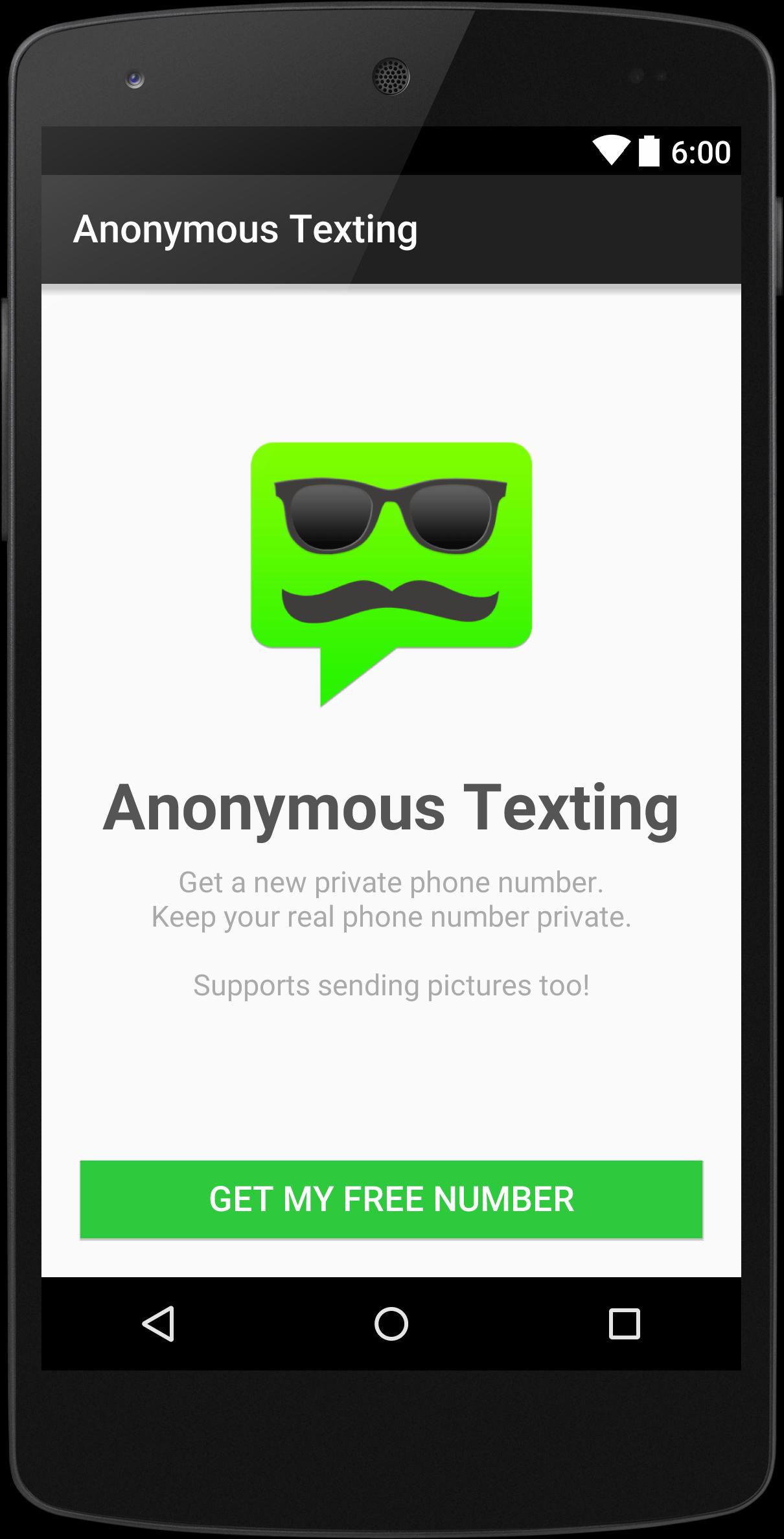
Comprehensive Guide to Anonymous Texting Services in 2026
Anonymous texting services allow users to send SMS or digital messages without revealing their personal phone numbers, identities, or carrier details. These platforms protect privacy, prevent spam, and secure sensitive communications b...
Anonymous texting services allow users to send SMS or digital messages without revealing their personal phone numbers, identities, or carrier details. These platforms protect privacy, prevent spam, and secure sensitive communications by utilizing virtual phone numbers, temporary web interfaces, or encrypted routing mechanisms that shield the sender from the recipient.
Contents
Understanding the Architecture of Anonymous Messaging
Modern communication relies heavily on transparency, call logs, and persistent identifiers. Anonymous texting services disrupt this standard traceability by introducing intermediaries between the sender and the receiver. Understanding how these systems operate requires examining the underlying technology, data retention policies, and architectural variations that differentiate standard SMS from private digital messaging.
When evaluating how these services function, several core components dictate the level of anonymity provided:
- Virtual Number Pools: Platforms maintain vast inventories of unassigned numbers across various area codes and country codes to mask the origin.
- Web-Based Gateways: Users interact via browser interfaces rather than native carrier applications, preventing device-level metadata leaks.
- Routing Proxies: The service receives the plaintext message, strips origin headers, and forwards the payload through third-party carrier aggregation networks.
- Destruct Timers: Many systems enforce automated purging schedules, deleting message logs and metadata from server disks within hours or days.
Carrier Interconnects and Gateway Routing
The journey of an anonymous text begins with a client-side submission through a web application or mobile client. Instead of routing directly through a cellular tower using a SIM card registered to an individual's legal identity, the message travels over HTTPS to a cloud server.
This server acts as a proxy, translating the web request into standard SMPP (Short Message Peer-to-Peer) protocols used by telecommunication gateways. By terminating the original connection and initiating a new dispatch session from a pooled virtual number, the service severs the technical link between the sender's actual IP address, hardware IMEI, and the final message delivery point.
Core Use Cases and Practical Applications
Privacy is not exclusively sought for malicious intent; legitimate enterprise, personal, and security-oriented motivations drive the demand for anonymous communication channels. Organizations and individuals deploy these tools to maintain operational security, protect personal boundaries, and facilitate confidential disclosures.
- Whistleblowing and Internal Reporting: Employees reporting regulatory violations, fraud, or workplace misconduct safely without fearing retaliation from management.
- Customer Service and Sales Outreach: Real estate agents, freelancers, and small business owners separating personal lines from professional inquiries.
- Law Enforcement Tips: Citizens submitting confidential crime-stoppers tips to local police departments without exposing personal contact details.
- Online Marketplaces: Buyers and sellers negotiating transactions on platforms like Craigslist or Facebook Marketplace without exposing their primary mobile numbers to strangers.
Operational Security Note: While anonymous texting tools provide a crucial layer of privacy, they should never be relied upon for absolute anonymity in high-stakes legal or national security investigations, as IP addresses, browser fingerprints, and payment metadata can often be subpoenaed or tracked.
Evaluation Framework: Choosing the Right Service
Selecting an anonymous messaging platform requires a rigorous technical audit. Not all services deliver the same degree of privacy, and many free web-based portals log user IP addresses or sell traffic data to third-party marketing entities. Analyzing a service involves weighing cryptographic strength, user interface design, and commercial transparency.
Key Evaluation Metrics
- Metadata Retention: Does the provider store IP logs, browser user agents, or delivery timestamps? Zero-log policies are the gold standard.
- Two-Way Capability: Can the service receive incoming replies, or is it strictly a one-way broadcast tool?
- Geographic Coverage: Does the platform support international delivery, or is it restricted to domestic carrier networks?
- Encryption Standards: Are messages encrypted in transit (TLS) and at rest on the provider's servers?
Comparative Analysis of Anonymous Texting Options
The marketplace features a wide spectrum of tools, ranging from ephemeral web forms to subscription-based burner applications with full inbound and outbound messaging capabilities.
| Service Category | Primary Functionality | Two-Way Messaging | Typical Cost Structure | Privacy Level |
|---|---|---|---|---|
| Free Web Portals | Quick one-off outbound web-to-SMS dispatch | No (Outbound Only) | Free (Ad-supported) | Low to Moderate |
| Burner Phone Apps | Dedicated temporary numbers via mobile app | Yes (Inbound & Outbound) | Subscription / Credits | High |
| Encrypted Messengers | End-to-end encrypted app-to-app chats | Yes (Requires both users on app) | Free | Very High |
| Virtual SIM Providers | VOIP-based numbers for SMS verification | Yes (Verification focused) | Pay-per-number | Moderate to High |
Step-by-Step Guide to Sending a Secure Anonymous Text
Executing an anonymous text transmission successfully requires adherence to strict operational protocols to prevent accidental leakage of personal identifying information (PII).
- Step 1: Secure Your Connection: Connect to a trusted Virtual Private Network (VPN) or the Tor network to mask your true IP address and geographic location before opening any messaging portal.
- Step 2: Choose a Reputable Provider: Select a platform with a transparent privacy policy, verified zero-log claims, and appropriate delivery features (one-way vs. two-way).
- Step 3: Draft the Message Objectively: Compose the text message carefully. Avoid using personal vernacular, distinct writing styles, or specific contextual details that could identify you through stylistic analysis (stylometry).
- Step 4: Input Target Details Correctly: Enter the recipient's full mobile number, including the correct country code, to prevent transmission errors that could trigger retry logs on intermediary gateways.
- Step 5: Verify Dispatch and Close: Submit the message, confirm the delivery status receipt if available, and clear browser caches, cookies, and session histories immediately after completion.
Limitations, Risks, and Legal Considerations
Operating within the domain of anonymous communications introduces significant legal, ethical, and technical constraints. Users must understand that anonymity is rarely absolute, and platform abuses carry severe consequences.
- Carrier Filtering and Blocking: Major mobile network operators (AT&T, Verizon, T-Mobile) deploy aggressive spam-filtering algorithms that frequently block messages originating from known virtual number pools or web gateways.
- Legal Compliance and Subpoenas: Under federal and international telecommunication laws, providers are legally obligated to cooperate with law enforcement agencies when presented with valid warrants regarding harassment, threats, fraud, or illegal acts.
- Scam Vulnerability: Because these services can be exploited by bad actors, recipients are often naturally suspicious of messages originating from unknown virtual numbers, reducing response and engagement rates.
Frequently Asked Questions
Can the recipient find out my real identity from an anonymous text?
Standard recipients cannot see your real phone number or name, as they only see the virtual number assigned by the service. However, if the message contains explicit personal details, context clues, or if law enforcement issues a legal subpoena to the service provider, your underlying IP address and metadata could potentially be unmasked.
Do free anonymous texting sites actually keep your data?
Many free web-based text portals monetize user traffic by logging IP addresses, browser fingerprints, and message content for advertising or data brokers. It is essential to read the privacy policy and select services that explicitly guarantee a zero-logging architecture.
Can I receive replies using an anonymous texting service?
It depends entirely on the platform used; basic web portals are strictly one-way outbound tools that do not support incoming replies. Conversely, dedicated burner apps and virtual number services allow full two-way conversations by routing incoming responses back through their application interface.
Are anonymous texts blocked by major mobile carriers?
Yes, Tier-1 mobile carriers frequently flag and drop messages originating from known virtual number pools and web gateways to protect their subscribers from spam, phishing, and automated scams. Delivery success rates vary significantly depending on the routing quality of the provider.
Is using an anonymous texting service illegal?
Using anonymous texting services is completely legal for privacy protection, whistleblowing, marketing separation, and personal security. However, using these tools to commit crimes, issue threats, engage in harassment, or commit fraud is strictly illegal and subject to severe prosecution under telecommunication laws.
Conclusion and Best Practices
Navigating the landscape of anonymous texting services requires balancing the desire for personal privacy against the technical realities of modern telecommunication networks. By selecting reputable providers, maintaining rigorous operational hygiene, and understanding the boundaries of carrier filtering and legal compliance, users can effectively protect their communication channels without compromising safety or integrity. Always prioritize transparency, utilize secure connections, and employ these tools strictly within legal and ethical boundaries.
Image Gallery