Why IAP Games Matter for Mobile Revenue: Driving Sustainable App Monetization
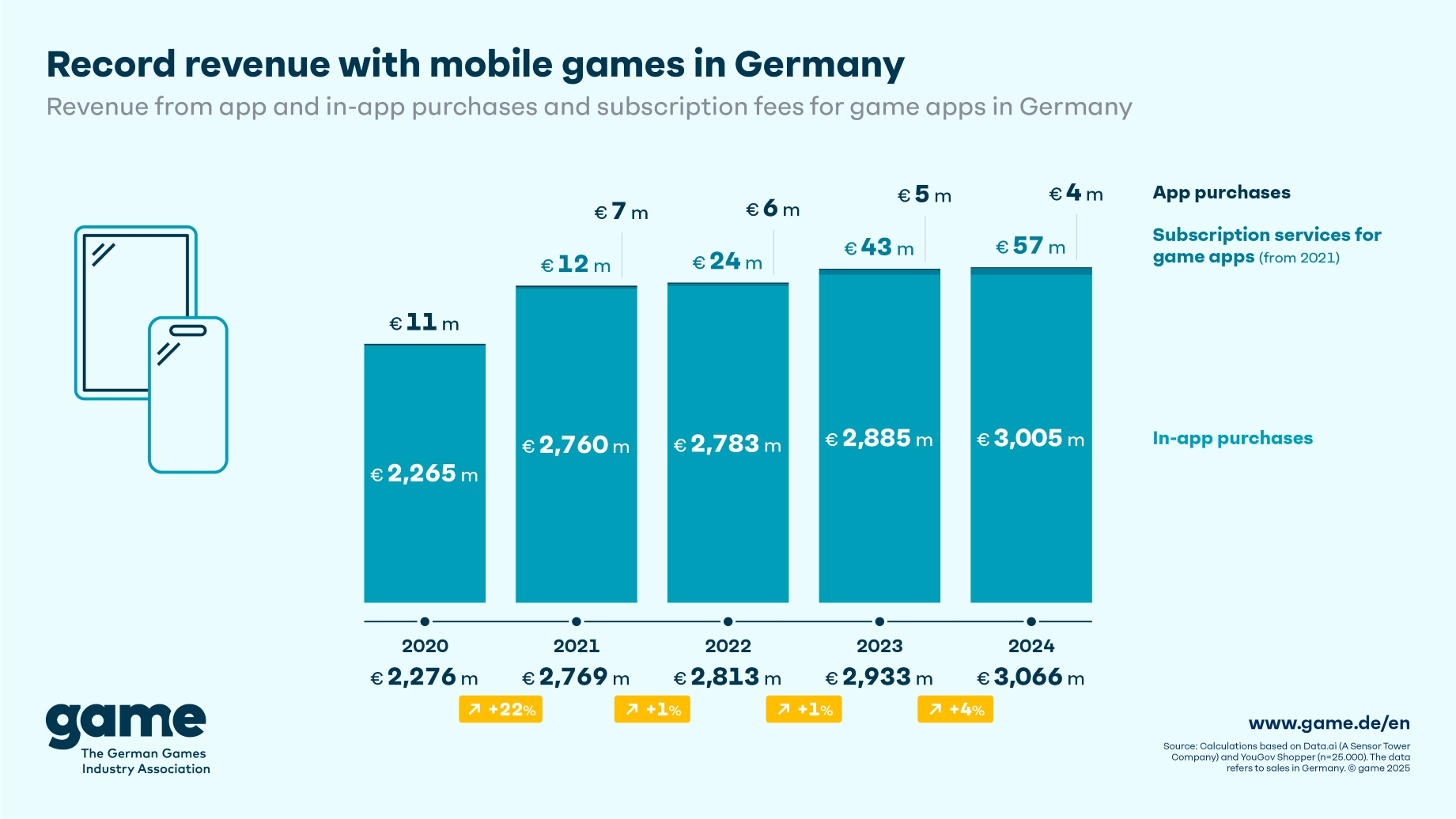
In-app purchase (IAP) games are the primary driver of global mobile gaming revenue because they eliminate upfront purchase barriers, allowing developers to acquire large player bases and monetize through ongoing, value-driven microtran...
In-app purchase (IAP) games are the primary driver of global mobile gaming revenue because they eliminate upfront purchase barriers, allowing developers to acquire large player bases and monetize through ongoing, value-driven microtransactions. By offering consumable goods, cosmetics, season passes, and subscriptions, F2P (free-to-play) titles maximize lifetime value (LTV) from highly engaged users while maintaining broad market reach.
Contents
Understanding In-App Purchases in the Free-to-Play Ecosystem
In-app purchases refer to digital transactions executed within a mobile application after initial download. In the mobile gaming industry, IAP shifted the dominant business model from upfront "premium" sales—where players paid a flat fee to download a game—to the free-to-play (F2P) model. Under F2P, players access the core game without cost, while optional digital items, features, or content expansions are monetized within the game client.
The transition to IAP-driven game economies solved a fundamental distribution challenge in mobile app stores: high consumer friction. When app marketplaces expanded, thousands of competing titles diluted user attention, making upfront price tags an immediate barrier to user acquisition. By removing the initial price tag, F2P games utilizing IAPs radically scaled their top-of-funnel downloads, creating massive active user bases that could be monetized gradually over months or years.
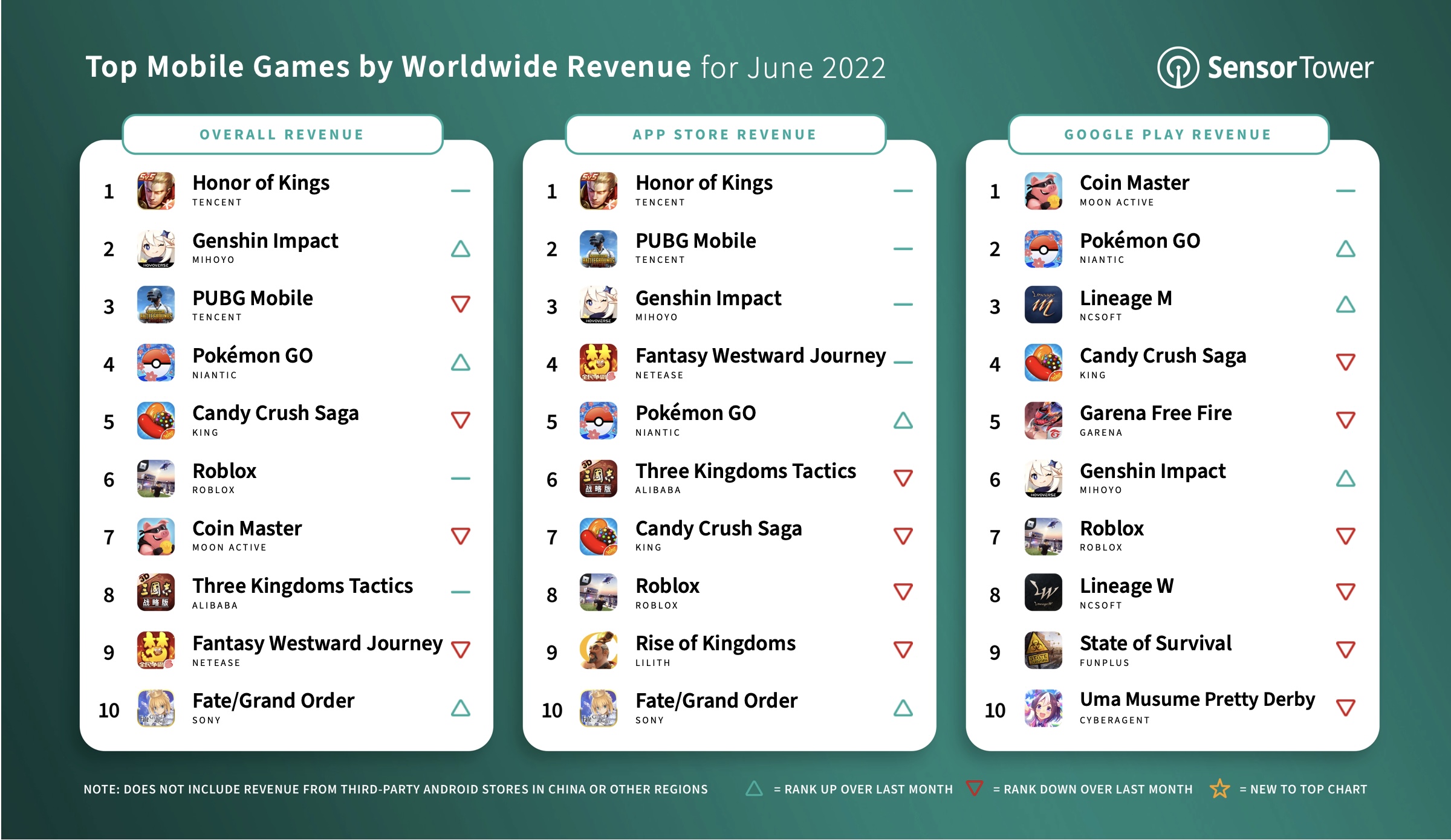
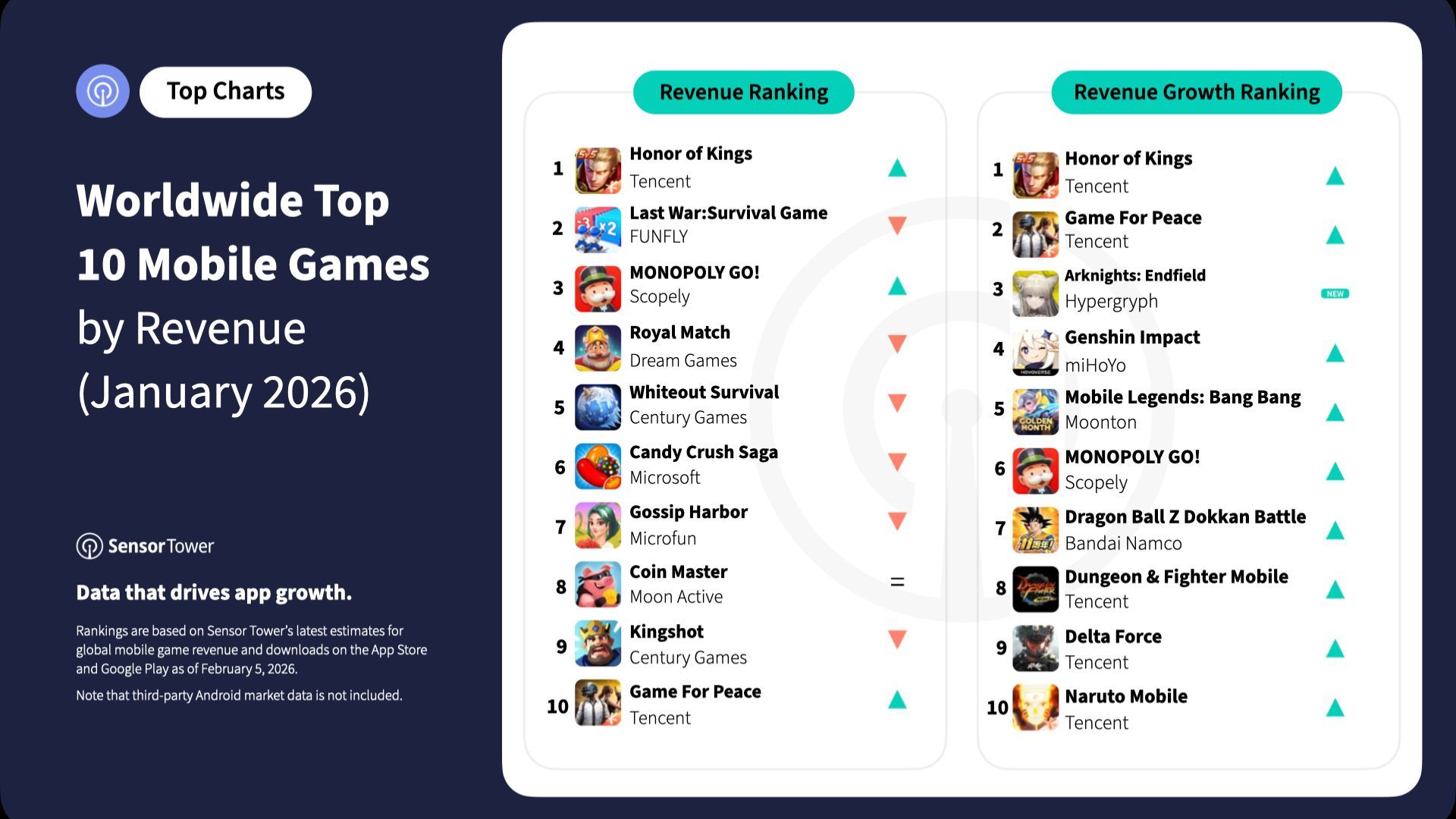
Today, in-app purchases account for the overwhelming majority of total consumer spending on global mobile application stores. According to market data from industry analytics providers like Sensor Tower and data.ai, free-to-play games leveraging IAPs routinely generate over 70% of total mobile app store consumer spend worldwide, outperforming premium downloads and standalone subscription apps.
The Financial Mechanics Behind IAP Revenue Generation
The financial success of IAP games rests on a asymmetric monetization curve often categorized by player spending profiles: non-payers, minnows, dolphins, and whales. Rather than charging every user a uniform price (such as $4.99 or $19.99 for a boxed copy), IAP mechanics allow monetization to scale according to each player's individual willingness to pay.
PLAYER BASE SEGMENTATION
- Non-Payers (~95-97%): Monetized via IAA (Ads) or Virality
- Minnows (~2-3%): Low Spend (Starter Packs, $0.99)
- Dolphins (~0.5-1%): Moderate Spend (Battle Passes, VIP)
- Whales (<0.5%): High Spend (Uncapped Consumables)
The Spending Pyramid and High-Value Users
In a typical mobile game with IAP monetization, only 2% to 5% of total active players make any real-money transaction. However, the spending within that converting cohort varies wildly:
- Minnows: Conversion-tier spenders who buy low-cost entry packs, such as a $0.99 beginner bundle or a discounted starter offer.
- Dolphins: Mid-tier spenders who regularly purchase monthly passes, battle passes, or moderate currency bundles, spending $10 to $50 per month.
- Whales: High-value spenders who account for a disproportionate share of total revenue. These players may spend hundreds or thousands of dollars monthly on high-end competitive items, gacha mechanics, or cosmetic collections.
Because IAPs remove the price ceiling, a highly committed player can invest thousands of dollars into a single game over their lifecycle. In contrast, a premium game caps total revenue per user at the initial sale price regardless of how much the user engages with the product.
Core Metrics Driving IAP Valuation
To measure and optimize IAP revenue, game studios track key performance indicators (KPIs) that balance acquisition costs with long-term retention:
- ARPU (Average Revenue Per User): Total revenue divided by total active users (both paying and non-paying) over a given timeframe.
- ARPPU (Average Revenue Per Paying User): Total revenue divided strictly by the number of unique paying users. This metric reveals the actual monetization depth among converted players.
- Conversion Rate: The percentage of total unique players who make at least one in-app purchase within a designated window.
- LTV (Lifetime Value): The predicted net revenue a single player generates throughout their entire engagement with the game.
- CPI (Cost Per Install): The marketing cost required to acquire a new user. For an IAP game to remain financially viable, the player’s LTV must reliably exceed the CPI (LTV > CPI) at scale.
Core Types of In-App Purchases and Their Revenue Impact
Mobile games structure their internal economies around four primary types of in-app transactions. Each serves a distinct operational purpose and appeals to different player motivations.
Types of In-App Purchases
- Consumables (Energy, Gems)
- Non-Consumables (Ad Removal, Cosmetics)
- Subscriptions (VIP Perks)
- Battle Passes (Seasonal Progression)
1. Consumables
Consumable IAPs are virtual goods that are exhausted during gameplay and must be purchased repeatedly. Examples include virtual currencies (gold, diamonds, gems), energy refill points, health potions, boost tokens, and gacha pulls.
- Revenue Role: Consumables provide uncapped monetization potential. Because players constantly burn through resources during high-level play or competitive events, consumable purchases represent the core engine of high-grossing strategy and RPG titles.
2. Non-Consumables
Non-consumable IAPs are permanent digital unlocks that persist for the lifespan of the player's account. Examples include permanent removal of forced interstitial ads, permanent inventory expansion, unlocking full story chapters, or purchasing permanent cosmetic character skins.
- Revenue Role: Non-consumables serve as effective entry-level monetization tools. They feature high conversion rates among price-sensitive players who seek permanent value for a small one-time expenditure.
3. Subscriptions and VIP Memberships
Subscriptions charge a recurring fee (weekly, monthly, or annually) in exchange for ongoing perks, daily virtual currency stipends, auto-play features, or exclusive status badges.
- Revenue Role: Subscriptions provide predictable, recurring monthly revenue (MRR) for game studios. They smooth out revenue volatility between major content updates and build habitual daily login habits due to daily claim mechanisms.
4. Battle Passes and Season Passes
Popularized across PC, console, and mobile platforms, battle passes offer a tiered reward progression system tied to time-limited seasons (typically 30 to 90 days). Players purchase access to a premium track and unlock rewards by completing gameplay challenges and leveling up their pass.
- Revenue Role: Battle passes excel at driving both monetization and player retention simultaneously. They deliver strong perceived value to mid-tier spenders while incentivizing daily gameplay engagement to claim unlocked rewards before the season expires.
Comparative Analysis of Mobile Game Monetization Models
To evaluate why IAPs dominate mobile game monetization, it is useful to compare IAP mechanics against alternative monetization strategies used across app stores.
| Feature / Metric | Premium (Pay-to-Download) | Pure In-App Ads (IAA) | In-App Purchases (IAP) | Hybrid Monetization (IAP + IAA) |
|---|---|---|---|---|
| Upfront Friction | High (Requires payment before play) | Low (Free download) | Low (Free download) | Low (Free download) |
| User Acquisition Scalability | Low to Moderate | High | High | High |
| Revenue Ceiling Per User | Fixed (Capped at purchase price) | Low (Fraction of a cent per impression) | Uncapped (Scales with player spend) | Uncapped + Monetizes Non-Payers |
| Payer Conversion Target | 100% of downloaders | 0% (Ad-supported) | 2% – 5% typical | 2% – 5% IAP + 100% Ad exposure |
| Primary Monetization Focus | Marketing / IP strength | Impressions, eCPM, Retention | Content depth, LiveOps, Economy | Balanced Ad Placement & Currency Bundles |
| Top Genre Suitability | Niche Indie, Narrative, Ported PC | Hyper-casual, Puzzle | RPG, Strategy, MOBA, Gacha | Casual, Mid-core, Simulation, Puzzle |
Strategic Advantages of IAP Games for Publishers
Building a mobile title around an IAP framework offers structural financial advantages over static sales models, allowing developers to scale operational spending alongside organic revenue growth.
Uncapped Lifetime Value (LTV) Growth
In traditional gaming models, selling 1 million copies at $10 generates $10 million in gross revenue minus platform cuts. The financial relationship with each player ends at the point of sale.
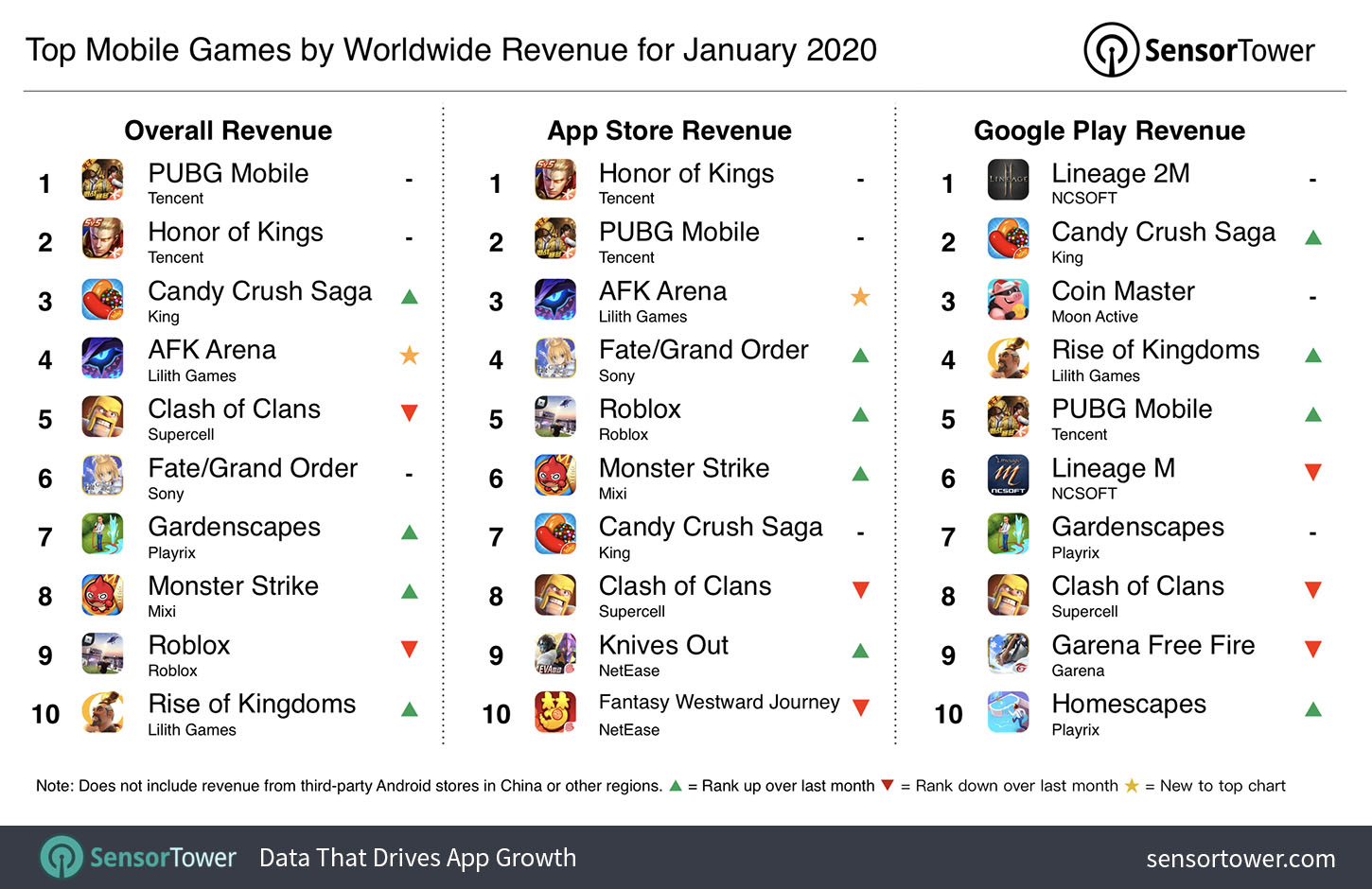
In an IAP-driven model, a dedicated community can continuously generate revenue over 5 to 10 years. Titles like Candy Crush Saga, Honor of Kings, and Clash of Clans have sustained multi-billion-dollar cumulative revenues precise because player spend scales over extended timeframes through continuous LiveOps updates, live events, and expanding item catalogs.
Seamless Live Operations (LiveOps) Integration
LiveOps refers to updating a published game continuously with new game modes, seasonal events, limited-time offers, and fresh content without requiring a separate sequel release.
IAP economies thrive on LiveOps. Game design teams align seasonal events (such as Halloween, Lunar New Year, or summer championships) with themed in-app purchases, cosmetic items, and limited-time offer bundles. This operational loop creates recurring revenue spikes that support continuous development studios and community management teams.
Flexibility for Hybrid Monetization Models
Relying solely on IAP means that roughly 95% of a game's active user base generates zero direct revenue. To solve this, modern mobile developers increasingly adopt hybrid monetization, combining in-app purchases with rewarded video ads.
In a hybrid framework:
- Non-paying players watch opted-in rewarded video ads to earn small amounts of premium currency or temporary energy boosts.
- Paying players bypass ad-watching by directly purchasing currency packs or ad-free passes.
- Ad engagement serves as an educational pipeline, demonstrating the value of premium items to non-payers and eventually converting a portion of them into paying IAP customers.
Key Challenges and Regulatory Realities in IAP Economies
While IAPs provide powerful revenue potential, operating an IAP-driven game requires navigating platform constraints, statutory regulations, and player fairness considerations.
OPERATIONAL & REGULATORY CHECKS
- Platform Fees: 15-30% App Store / Google Play Cut
- Loot Box Rules: Mandated Probability Drops Disclosure
- Consumer Laws: Age Verification, Refund Laws (COPPA)
- Game Balance: Avoid Pay-to-Win Mechanics / Churn
App Store Platform Commissions
Distributing games on major platforms requires paying service fees to storefront operators. Historically, both the Apple App Store and Google Play Store have charged a 30% commission on digital goods and in-app purchases, reduced to 15% for qualified small business programs or recurring subscriptions after year one.
Publishers increasingly manage these margin pressures through web shops and direct-to-consumer (D2C) payment portals. Where permitted by platform guidelines and regional legislation (such as the Digital Markets Act in the European Union), developers direct players to external portals to purchase virtual currency bundles with lower processing fees, preserving higher profit margins.
Probability Disclosures and Gacha Regulation
Gacha mechanics—where players spend real or virtual currency to receive random digital items from a drop pool—are subject to legal oversight worldwide:
- Probability Disclosure Mandates: Both Apple and Google require games featuring randomized loot mechanics to publicly disclose exact drop rates for all virtual items prior to purchase.
- Regional Restrictions: Jurisdictions like Belgium and the Netherlands have classified certain randomized loot box structures as illegal gambling, forcing publishers to adjust revenue models in those territories.
- Minor Protections: Compliance standards such as the Children's Online Privacy Protection Act (COPPA) in the United States and similar age-verification guidelines globally enforce strict controls around marketing microtransactions to underage players.
Maintaining Game Balance and Player Trust
A common failure mode in IAP design is the introduction of aggressive "pay-to-win" (P2W) mechanics. When a game allows players to purchase unearnable stat advantages that override player skill, non-paying users often abandon the game.
Because non-paying users provide the multiplayer matchmaking pools, community content, and social vitality required to retain paying users, damaging the non-paying player experience ultimately destroys the game's long-term retention and overall revenue. Sustainable IAP design prioritizes cosmetic enhancements, progression acceleration, and convenience over mandatory power purchases.
Best Practices for Maximizing IAP Revenue
Optimizing an in-app purchase economy requires combining telemetry data, behavioral economics, and player segmentation.
1. Implement Segmentation and Dynamic Storefronts
Not all players share the same purchasing power or motivations. Telemetry systems segment players based on engagement level, regional purchasing power parity (PPP), and historical spending habits:
- New Players: Display starter bundles featuring high visual value at low price points ($0.99 to $2.99) to build initial purchase trust.
- Engaged Non-Payers: Present timed discount offers or passes when a player reaches major progression milestones.
- High-Spenders: Highlight large currency bundles, exclusive collectible skins, and multi-tier event offers within featured store banners.
2. Design Value-Driven First Purchase Offers
Converting a user from a non-payer to a first-time purchaser represents the highest friction step in the conversion funnel. Effective first-purchase offers usually include:
- Clear value multipliers (e.g., "500% Value Starter Pack").
- Exclusive cosmetic items that are not obtainably elsewhere.
- Resources that provide an immediate, visible boost to early progression without trivializing core gameplay challenges.
3. Maintain a Strict LiveOps Event Calendar
Unplanned or static storefronts lead to revenue decay. Top-grossing studios run dynamic LiveOps calendars featuring bi-weekly or monthly themed content drops, leaderboard competitions, and localized holiday events. Aligning event-exclusive store offers with active gameplay mechanics drives higher conversion rates during live windows.
Frequently Asked Questions
What percentage of mobile game players actually make in-app purchases?
In typical free-to-play mobile games, approximately 2% to 5% of active players make in-app purchases. High-performing titles with well-designed progression systems and cosmetic collections may reach conversion rates of 7% to 10%, while hyper-casual titles often rely primarily on advertising due to single-digit conversion rates below 1%.
How do in-app purchases differ from in-app advertising?
In-app purchases generate revenue directly from end users who buy virtual items, passes, or subscriptions within the game client. In-app advertising generates revenue from third-party advertisers who pay the game developer to display interstitial ads, banner ads, or rewarded video ads to the game's active user base.
What are the most profitable types of in-app purchases in mobile games?
Consumable currency packs, gacha pull bundles, and time-limited battle passes are statistically the most profitable IAPs. Consumables and gacha mechanics allow for uncapped monetization from high-value players, while battle passes drive high conversion volumes across mid-tier spenders through affordable pricing and recurring progression rewards.
How do app store commission fees affect net IAP revenue?
Standard store commission rates on major platforms like the Apple App Store and Google Play Store range from 15% to 30% of gross transaction value. Developers must account for these commission deductions alongside local sales taxes and payment processing fees when calculating net unit economics and setting in-game item price tiers.
How can game developers increase IAP conversion without alienating non-paying players?
Developers can increase conversion without harming player retention by focusing on cosmetic monetization (skins, visual effects, title badges), offering low-friction starter packs, implementing battle passes that reward active playtime, and utilizing hybrid monetization models that allow non-paying players to earn premium currency by voluntarily watching rewarded video ads.
Actionable Next Steps for Game Publishers and Monetization Teams
To build a sustainable, high-yielding mobile revenue model centered around in-app purchases, game development teams should execute the following operational sequence:
- Audit Core Gameplay Loops: Ensure that core progression is engaging on its own before integrating monetization layers. IAPs accelerate or personalize an already fun experience; they cannot salvage unengaging core gameplay.
- Define Monetization Pillars: Decide early in pre-production whether the game economy will rely on cosmetics, progression convenience, content unlocks, or a hybrid model. Avoid locking core competitive balance behind payment walls.
- Establish Telemetry and Analytics Pipeline: Integrate analytics tools to track conversion funnels, purchase drop-off points, ARPU, ARPPU, and retention cohorts (D1, D7, D30, D90) from launch day.
- Develop a 90-Day Post-Launch LiveOps Roadmap: Outline initial seasonal events, battle pass themes, and limited-time item drops to maintain post-launch engagement and build predictable monetization cycles.
- Review Regional Legal and Platform Compliance: Verify that virtual drop probabilities are clearly displayed in-game, confirm age-gate rules align with local laws in your target launch markets, and set up clear store disclaimers to prevent unauthorized purchases.
Image Gallery