Navigating Auto Insurance When You Are Unemployed: A Comprehensive Guide to Saving and Support
Managing auto insurance while out of work requires a proactive approach to prevent a coverage lapse, which can lead to higher long-term costs. You can secure help by contacting your insurer to request a financial hardship deferment, re...
Managing auto insurance while out of work requires a proactive approach to prevent a coverage lapse, which can lead to higher long-term costs. You can secure help by contacting your insurer to request a financial hardship deferment, reclassifying your vehicle use from "commute" to "pleasure," increasing your deductibles, or switching to a pay-per-mile policy. In specific states like California, low-income assistance programs are also available to provide basic liability coverage at significantly reduced rates.
Contents
Losing a primary source of income is an overwhelming experience, and monthly recurring bills like auto insurance often become a source of significant stress. However, maintaining insurance is not just a legal requirement in nearly every state; it is a critical financial protection. A lapse in coverage—even for a few days—labels you as a "high-risk" driver in the eyes of insurance algorithms, potentially doubling your premiums when you finally do re-apply for a policy. In 2026, the insurance market remains data-driven and sensitive to continuous coverage history. Therefore, finding ways to lower your costs or secure temporary assistance is far more beneficial than canceling your policy entirely.
Immediate Steps: Contacting Your Insurance Provider
The first and most effective action is to communicate directly with your current insurance carrier. Many policyholders are unaware that major insurers have established protocols for customers facing sudden financial hardship. As of 2026, many carriers have refined their "Hardship Programs" which were standardized following the economic shifts of the early 2020s.
When you call your agent or the customer service line, use specific terminology such as "financial hardship assistance" or "payment deferral request." Insurers may offer several forms of temporary relief:
- Payment Extensions: Pushing your due date back by 15 to 30 days without a late fee.
- Installment Plans: Breaking a large semi-annual premium into smaller, more manageable monthly payments.
- Grace Periods: Providing a window of time where coverage remains active despite a missed payment, specifically designated for those with a documented job loss.
It is vital to do this before you miss a payment. Once a policy enters the cancellation phase for non-payment, customer service representatives often have less flexibility to apply hardship discounts or extensions.
Reclassifying Your Vehicle Usage
One of the simplest ways to lower your premium without losing coverage is to change your vehicle’s "usage status." When you were employed, your policy likely classified your vehicle as a "commute" vehicle, factoring in the daily mileage and the risks associated with rush-hour traffic.
Now that you are out of work, your car is likely used primarily for errands and necessary appointments. By contacting your insurer and changing your status to "Pleasure Use," you could see an immediate reduction in your premium. This change reflects the statistical reality that you are spending less time on the road during peak accident hours. Furthermore, if your annual mileage has dropped significantly—for example, from 12,000 miles a year to 5,000 miles—reporting this updated estimate can trigger further discounts. Most insurers utilize tiered mileage brackets, and dropping into a lower bracket can result in savings of 5% to 15%.
Adjusting Coverage and Deductibles
While it is risky to eliminate insurance entirely, you can strategically adjust the "depth" of your coverage to align with a tighter budget. This involves a calculated trade-off between your monthly premium and your out-of-pocket costs in the event of an accident.
Increasing Deductibles
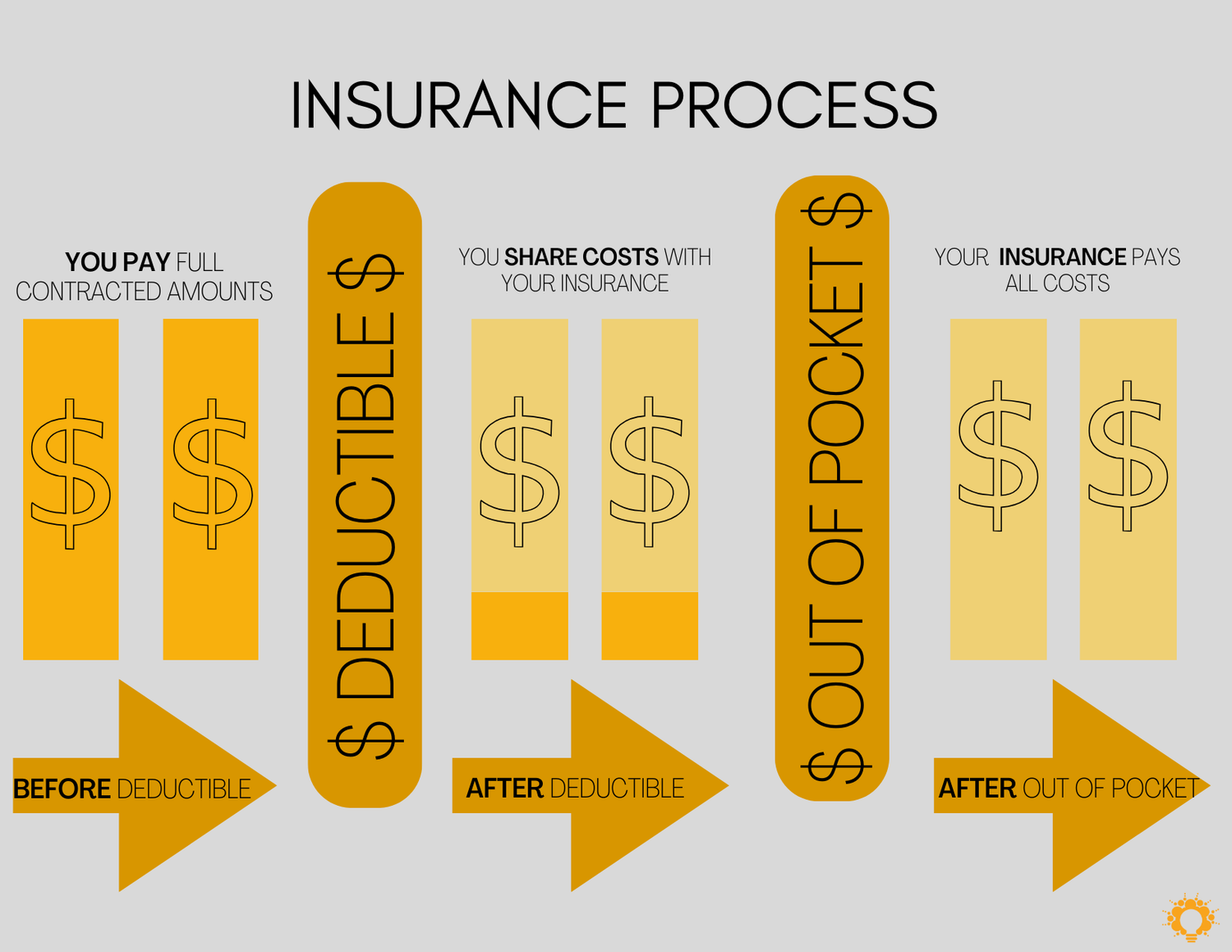
Your deductible is the amount you pay before your insurance kicks in for a claim. By raising your collision and comprehensive deductibles from $500 to $1,000 or even $1,500, you can significantly lower your monthly premium. According to the Insurance Information Institute, increasing your deductible can reduce your collision and comprehensive coverage cost by 15% to 40%. However, you should only do this if you have access to that higher amount in an emergency, perhaps through a credit card or a small emergency fund.
Evaluating Older Vehicles
If you are driving an older car with a low market value, you might consider dropping "Collision" and "Comprehensive" coverage entirely. A common rule of thumb in 2026 is that if the annual cost of these coverages plus your deductible exceeds the actual cash value of the car, the coverage may not be cost-effective. By maintaining only the state-mandated liability insurance, you ensure you are legal and protected from lawsuits, while removing the expensive "full coverage" components that protect the vehicle itself.
Exploring State-Sponsored Assistance Programs
In some jurisdictions, the government provides a safety net for drivers who cannot afford traditional private insurance. The most prominent example is the California Low Cost Automobile Insurance Program (CLCA). This program was designed specifically for low-income individuals who meet certain criteria, including those who are currently unemployed.
To qualify for programs like CLCA in 2026, applicants must generally:
- Have a valid driver’s license.
- Own a vehicle valued at $25,000 or less.
- Meet specific income eligibility requirements (often based on Federal Poverty Guidelines).
- Be at least 16 years of age with a good driving record.
These programs provide the minimum liability limits required by law at a fraction of the cost of private policies. While these limits are low, they provide a legal bridge that prevents the "lapse in coverage" penalty. Residents of other states should check with their specific Department of Insurance to see if similar low-income pilot programs have been implemented in their region.
Transitioning to Pay-Per-Mile Insurance
For an unemployed individual who is driving significantly less, traditional fixed-rate insurance may no longer make financial sense. Pay-per-mile insurance, offered by companies like Metromile (now part of Lemonade) or Mile Auto, uses a "base rate" plus a few cents for every mile driven.
In this model, your bill is split into two parts:
- The Daily Base Rate: A small daily fee (often around $1.00 to $1.50) that keeps your car covered against theft or damage while it is parked.
- The Per-Mile Rate: A charge (usually 5 to 10 cents) for each mile you actually drive.
If you are only driving to the grocery store or the occasional job interview, your total monthly bill could drop below $50. This is a highly effective way to keep your insurance active and maintain your "continuous coverage" discount while your vehicle usage is at an all-time low.
Comparison of Cost-Saving Strategies
The following table outlines the potential impact and requirements for the various methods of getting auto insurance help while out of work.
| Strategy | Potential Savings | Primary Requirement | Best For |
|---|---|---|---|
| Hardship Deferment | Temporary (0-100%) | Proof of job loss | Immediate, short-term crisis |
| Pleasure Use Reclassification | 5% - 15% | Reduced daily driving | Drivers no longer commuting |
| Increasing Deductibles | 15% - 40% | Cash reserve for claims | Drivers with some emergency savings |
| Pay-Per-Mile Insurance | 30% - 60% | Telematics/Tracking | Low-mileage drivers (<5k miles/year) |
| State Programs (e.g., CLCA) | Up to 70% | Income/Vehicle value limits | Low-income residents in specific states |
| Dropping Optional Coverage | 20% - 50% | Ownership of an older car | Vehicles with low market value |
Common Mistakes to Avoid
When looking for auto insurance help, certain "shortcuts" can lead to severe financial and legal consequences. Avoiding these pitfalls is as important as finding discounts.
1. Letting the Policy Lapse: As mentioned, a lapse in coverage is the most expensive mistake you can make. Even if you aren't driving the car, keep it insured. If you plan to put the car in long-term storage, ask your insurer for "Comprehensive-only" or "Storage" coverage. This is significantly cheaper but maintains your status as a "continuously insured" customer.
2. Hiding Unemployment from the Insurer: Some people fear that telling their insurer they lost their job will cause their rates to go up. In reality, insurance companies do not typically use employment status as a direct rating factor for premium increases. Instead, they use credit scores and driving history. Being honest allows you to access the "Pleasure Use" and "Hardship" benefits described above.
3. Reducing Liability Below State Minimums: While you want to save money, you must never drop your liability coverage below the legal minimums required by your state. Doing so can lead to license suspension, vehicle impoundment, and hefty fines that far outweigh any potential premium savings.
Frequently Asked Questions
Can I get a government subsidy for auto insurance like I can for health insurance?
Currently, there is no federal subsidy for auto insurance equivalent to the Affordable Care Act for health insurance. Auto insurance is regulated at the state level. While a few states like California, New Jersey, and Maryland have low-cost programs for qualified low-income drivers, most states rely on the competitive private market to keep prices down.
Will my car insurance go up if I tell my agent I'm unemployed?
No, your insurance premium will not typically increase simply because you are unemployed. In fact, it is more likely to decrease if you report that you are no longer commuting. However, if your unemployment leads to a significant drop in your credit score over time, that could eventually impact your rates in states where credit-based insurance scores are legal.
Is it better to switch companies or stay with my current one during hardship?
It depends on your loyalty discounts. If you have been with a company for many years, they may be more willing to grant a hardship extension. However, the insurance market is highly competitive in 2026. It is worth getting a few quotes from pay-per-mile providers or "non-standard" insurers to see if your current "loyalty" is costing you more than a new policy would.
What is "Non-Owner Insurance," and can it help me?
Non-owner insurance provides liability coverage for people who do not own a vehicle but occasionally drive or want to maintain continuous insurance history. If you sell your car to save money while unemployed, you should consider a non-owner policy. This is usually very inexpensive and ensures that when you buy a car again later, you aren't hit with "uninsured" high-risk rates.
Can I pause my insurance if I’m not driving at all?
You cannot technically "pause" a policy without it counting as a lapse. However, you can switch to "Lay-up" or "Storage" coverage. This removes liability and collision (since the car isn't on the road) but keeps comprehensive coverage (for fire, theft, or falling objects). This keeps the policy "active" for the sake of your insurance history while reducing the cost to a bare minimum.
Practical Recommendation
If you are currently out of work, your first action today should be to call your insurance company and ask for a "Usage Reclassification" and an inquiry into "Hardship Assistance." Simultaneously, calculate your expected monthly mileage; if it is under 500 miles, get a quote for a pay-per-mile policy. If you live in a state with a low-cost insurance program, visit your state's Department of Insurance website to verify eligibility. By taking these steps immediately, you protect your future insurability while freeing up essential cash for your current needs.
Image Gallery