Houses for Sale in Jacksonville FL: Ultimate 2026 Real Estate & Neighborhood Guide
Navigating houses for sale in Jacksonville, FL requires understanding Florida's largest city by land area, spanning diverse neighborhoods from historic Riverside to coastal beaches. The local real estate market features a dynamic mix o...
Navigating houses for sale in Jacksonville, FL requires understanding Florida's largest city by land area, spanning diverse neighborhoods from historic Riverside to coastal beaches. The local real estate market features a dynamic mix of historic properties, master-planned suburban developments, and waterfront real estate, requiring buyers to weigh flood zones, school districts, and community infrastructure carefully.
Contents
Understanding the Jacksonville FL Real Estate Landscape in 2026
Jacksonville offers a uniquely varied property market due to its sheer geographic scale of over 840 square miles. Unlike densely packed metropolitan regions, Jacksonville incorporates distinct cultural, economic, and architectural micro-markets within a single consolidated city-county government framework overseen by the City of Jacksonville.
Property values fluctuate significantly depending on proximity to the St. Johns River, the Atlantic coastline, and major employment hubs like the Naval Air Station Jacksonville (NAS Jax), Mayport, and the downtown financial district. Navigating this market successfully demands a thorough grasp of property tax structures, regional builder reputations, and local environmental factors like windstorm insurance and elevation certificates.
Key Economic and Population Drivers
The local housing market remains supported by consistent job growth in logistics, healthcare, financial services, and military defense. Major employers such as Baptist Health, Mayo Clinic Florida, and Fidelity National Financial draw a steady influx of professionals seeking primary residences.
Consequently, housing demand stays resilient. Buyers looking at houses for sale in Jacksonville, FL must analyze inventory trends, interest rate environments, and property appreciation rates across different quadrants of the city to secure optimal long-term value.
Prime Jacksonville Neighborhoods and Micro-Markets
Selecting the right neighborhood is the most critical step when evaluating houses for sale in Jacksonville, FL. Each quadrant presents unique lifestyle advantages, architectural styles, and price points.
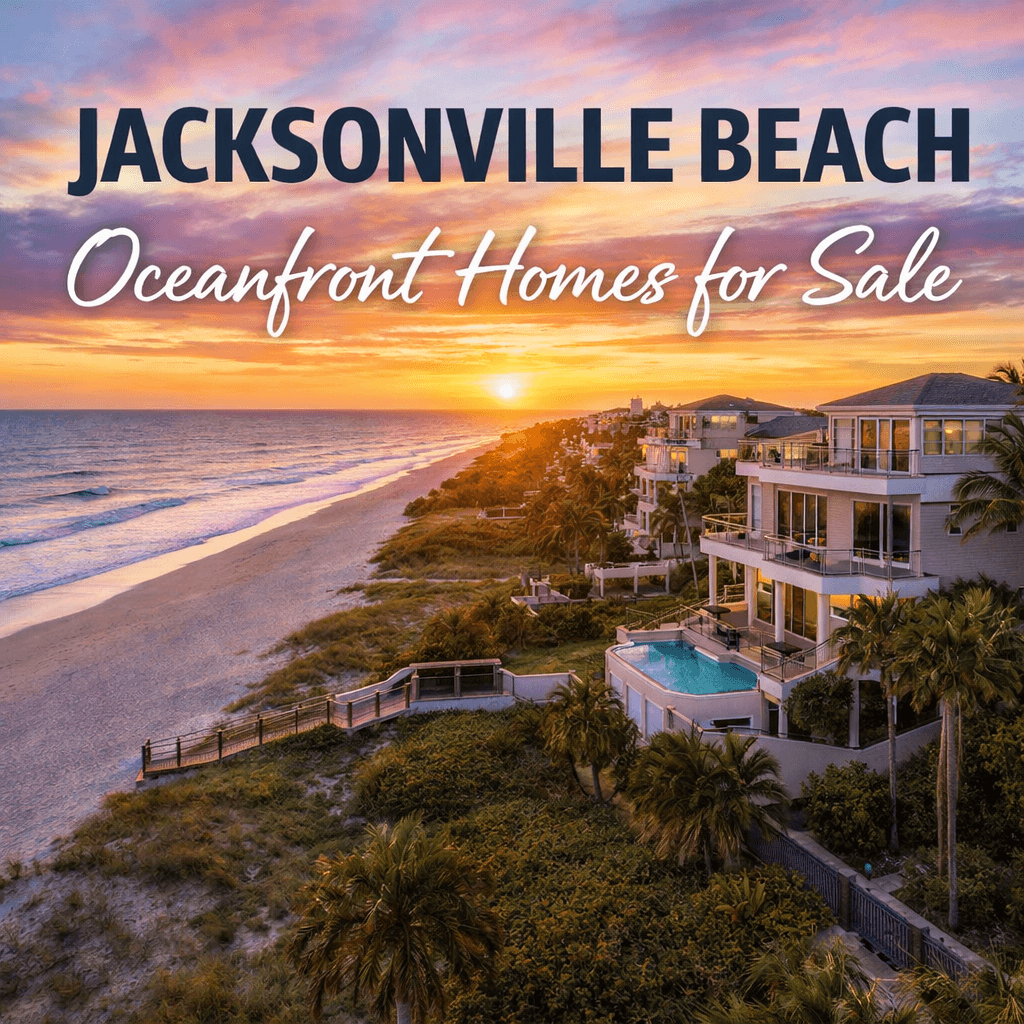
The Beaches (Atlantic Beach, Neptune Beach, Jacksonville Beach)
- Lifestyle & Vibe: Coastal living with a relaxed, surf-town culture, walkable commercial districts, and direct Atlantic Ocean access.
- Housing Stock: 1950s beach cottages, modern luxury coastal builds, condominiums, and townhomes.
- Market Characteristics: High demand, premium price per square foot, and strict coastal building codes.
Historic Core (Riverside, Avondale, San Marco)
- Lifestyle & Vibe: Historic charm, dense tree canopies, boutique shopping, craft dining, and vibrant arts scenes along the St. Johns River.
- Housing Stock: 1920s Craftsman bungalows, Mediterranean Revival estates, brick Tudors, and upscale infill townhomes.
- Market Characteristics: Highly competitive for character-rich homes, preservation guidelines, and limited new construction inventory.
Southside and Baymeadows
- Lifestyle & Vibe: Suburban convenience, major corporate employment corridors, expansive retail centers, and rapid transit access.
- Housing Stock: Single-family subdivisions, master-planned communities, and gated maintenance-free townhome complexes.
- Market Characteristics: Steady inventory, broad price ranges, and popular options for relocating corporate families.
Mandarin and Northwest St. Johns County Border
- Lifestyle & Vibe: Established suburban neighborhoods framed by historic oak trees and river views, known for family-friendly community atmospheres.
- Housing Stock: Mid-to-large single-family detached homes on generous lots, waterfront estates, and modern suburban builds.
- Market Characteristics: Strong school zoning demand, highly stable property values, and lower turnover rates.
Architectural Styles and Construction Realities in Northeast Florida
When touring houses for sale in Jacksonville, FL, buyers encounter diverse construction methods. Understanding building materials and structural requirements is essential for long-term homeownership satisfaction.
- Concrete Block vs. Frame Construction: Many modern Jacksonville homes feature concrete block stucco (CBS) construction on the first floor, offering superior durability against tropical weather, termites, and fire hazards. Older homes and upper stories typically utilize wood frame construction requiring updated termite bonds and moisture barriers.
- Roofing Materials & Wind Mitigation: Architectural shingles dominate the market, though metal roofs and tile roofs are increasingly popular for durability. Insurance carriers require a wind mitigation inspection to document features like roof-to-wall attachments (clips or hurricane straps) and impact-resistant glass to secure lower premiums.
- Foundation Types: Slab-on-grade foundations are standard across most Florida builds. However, historic homes in Riverside and older coastal properties occasionally feature crawl spaces or pier-and-beam foundations requiring structural ventilation assessments.
Comparing Jacksonville Neighborhood Profiles
| Neighborhood | Median Price Range | Architectural Style | School District Quality | Flood Zone Prevalence |
|---|---|---|---|---|
| Riverside / Avondale | $400,000 - $900,000+ | Craftsman, Mediterranean, Colonial | Mixed / Choice Programs | Low to Moderate (River Adjacent) |
| San Marco | $450,000 - $1,000,000+ | Period Revivals, Modern Infill | Moderate | Low to Moderate |
| The Beaches | $600,000 - $2,000,000+ | Coastal Contemporary, Ranch | High (Duval County Beaches) | High (Coastal & Intracoastal) |
| Mandarin | $350,000 - $750,000+ | Traditional Suburban, Contemporary | High | Low (Select River Coves Excepted) |
| Southside | $300,000 - $650,000+ | Modern Suburban, Craftsman | Moderate to High | Low |
| Northside | $250,000 - $500,000+ | New Construction Suburban | Developing | Low |
Step-by-Step Homebuying Process in Jacksonville
Executing a successful purchase in the Northeast Florida real estate market requires a structured, strategic approach.
- Secure Pre-Approval with a Local Lender: Partner with a mortgage professional who understands Florida-specific lending requirements, regional property taxes, and local closing cost structures.
- Define Search Parameters and Neighborhoods: Filter properties based on commute times, lifestyle preferences, HOA fee structures, and flood zone designations.
- Tour Properties with an Expert Buyer's Agent: Evaluate structural integrity, HVAC age, roof condition, and cosmetic updates during property walkthroughs.
- Submit a Competitive Purchase Offer: Draft a Florida Realtors / Florida Bar (FR/BAR) contract with appropriate contingencies for financing, inspection, and appraisal.
- Conduct Comprehensive Due Diligence: Hire a licensed home inspector to perform general, termite (WDO), and wind mitigation inspections, alongside a professional sewer scope if purchasing an older home.
- Secure Homeowners and Flood Insurance: Obtain quotes early in the contract period, as windstorm and flood policies heavily impact monthly debt-to-income calculations.
- Complete Closing and Title Transfer: Review the Closing Disclosure (CD), conduct a final walk-through, and finalize the transaction with a local title company or real estate attorney.
Financial Considerations: Taxes, Insurance, and Hidden Costs
Purchasing real estate in Florida involves distinct financial nuances that every buyer must calculate accurately.
- Property Taxes and the Save Our Homes Benefit: Duval County property taxes are determined by the Duval County Property Appraiser (PAJ). Homestead exemptions limit annual assessment increases for primary residences to 3% or the Consumer Price Index (CPI), whichever is lower. Buyers should note that property taxes reset to the purchase price value upon transfer of ownership.
- CDD and HOA Fees: Many master-planned communities in the Southside and Northside regions feature Community Development District (CDD) fees bundled into annual property tax bills, alongside monthly or quarterly Homeowners Association (HOA) fees covering neighborhood amenities and common area maintenance.
- Flood Insurance Realities: Even properties outside designated Special Flood Hazard Areas (SFHAs) can experience localized heavy rainfall accumulation. Mortgage lenders require federal flood insurance if a property sits within an AE or V flood zone, while preferred risk policies are available for lower-risk X zones.
Pros and Cons of Buying Real Estate in Jacksonville
Market Advantages: Jacksonville boasts a lower cost of living compared to South Florida and major national metros, no state income tax, expanding job markets, and miles of accessible beaches and riverfront parks.
Market Challenges: Certain areas face heavy urban traffic congestion during peak commuting hours, property and flood insurance premiums have risen across the state, and older urban neighborhoods require continuous capital investments for historic maintenance.
Frequently Asked Questions
What are the most popular neighborhoods for families in Jacksonville?
Suburban neighborhoods like Mandarin, Julington Creek, and parts of the Southside feature highly rated schools, family parks, and master-planned communities. These areas provide extensive single-family housing inventory with dedicated community amenities.
Do I need a flood insurance policy to buy a house in Jacksonville?
Mandatory flood insurance is required by mortgage lenders if the property is located within a high-risk flood zone (Special Flood Hazard Area). However, lenders and insurance advisors frequently recommend purchasing a low-cost policy even in moderate or low-risk X zones due to intense seasonal weather patterns.
How do property taxes work for new homeowners in Florida?
Property taxes are calculated based on the assessed value determined by the property appraiser. When you purchase a home, your first year's taxes will be based on the prior owner's assessed value, but the following year the assessment resets to reflect the new market purchase price. Filing for the Homestead Exemption reduces your taxable property value by up to $50,000.
What is the average timeframe to close on a home in Jacksonville?
A standard residential real estate transaction in Jacksonville typically takes between 30 to 45 days from the time a purchase contract is fully executed to the final closing date. Cash transactions or purchases without complex financing contingencies can close in as little as 14 days.
Are there closing cost assistance programs available for Jacksonville buyers?
The City of Jacksonville’s Housing and Community Development Division occasionally offers down payment and closing cost assistance programs for eligible low-to-moderate-income first-time homebuyers purchasing primary residences within city limits.
Professional Real Estate Recommendation
To navigate the inventory of houses for sale in Jacksonville, FL efficiently, engage a dedicated local real estate professional who specializes in your target micro-market. Prioritize securing an independent home inspection and a comprehensive wind mitigation report to safeguard your investment, ensure accurate insurance underwriting, and maximize your long-term equity potential in Northeast Florida's thriving property market.
Image Gallery