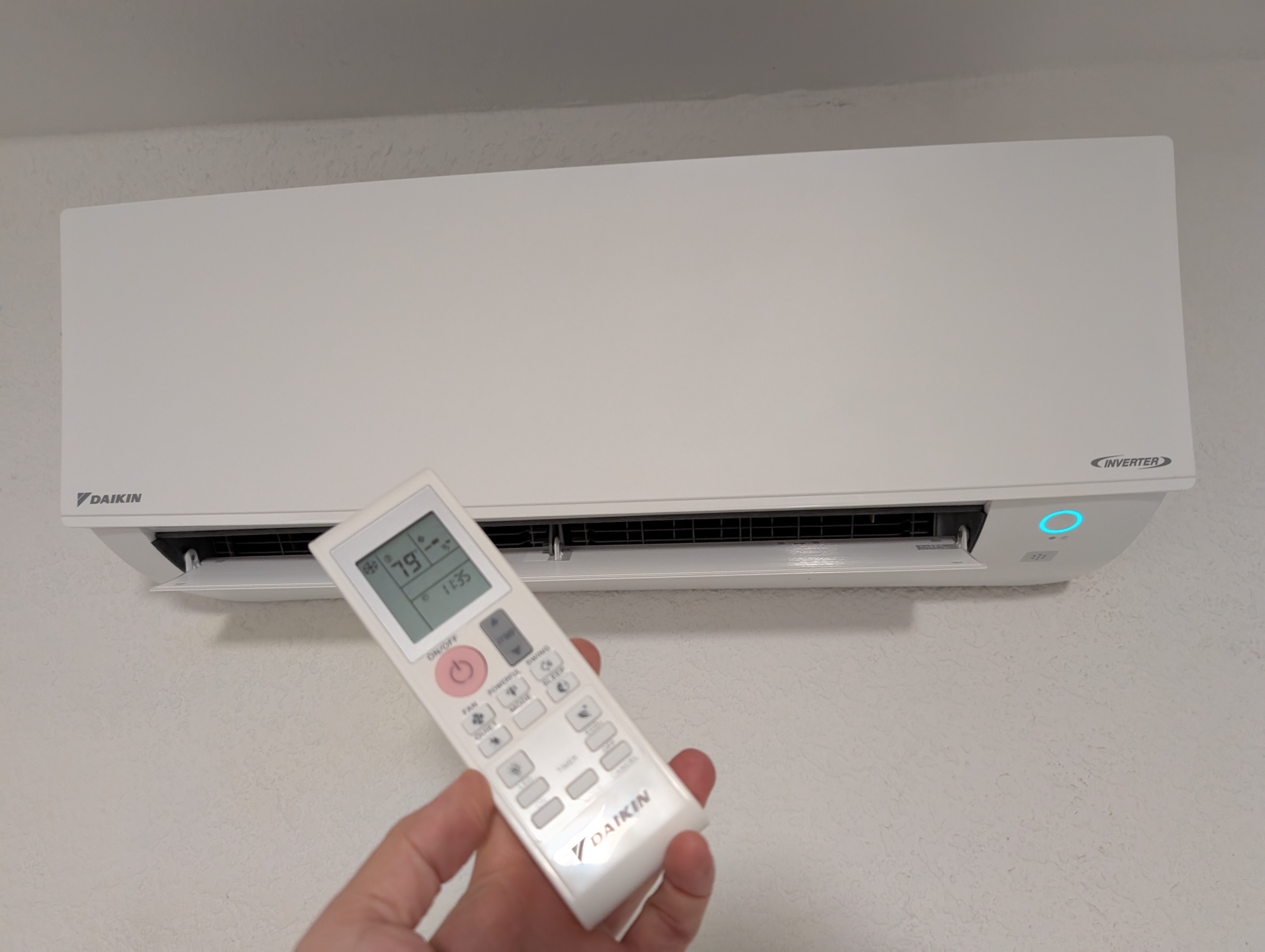
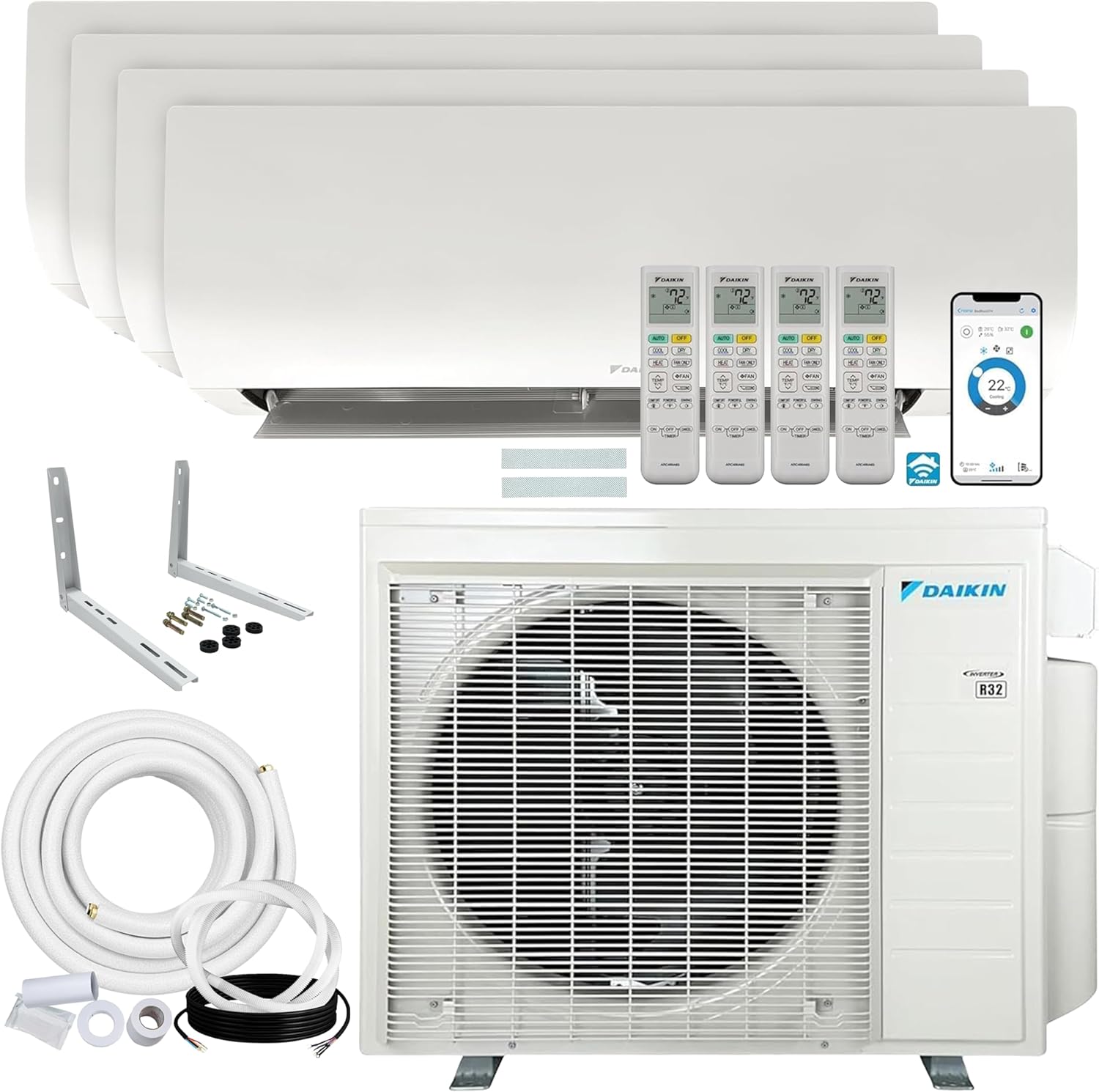
Daikin Mini Split Heater Overview: Advanced Heating Solutions for 2026
Daikin mini split heaters, technically known as air-source heat pumps, provide high-efficiency zone heating by transferring thermal energy from outdoor air to indoor spaces. Utilizing proprietary inverter-driven swing compressors, thes...
Daikin mini split heaters, technically known as air-source heat pumps, provide high-efficiency zone heating by transferring thermal energy from outdoor air to indoor spaces. Utilizing proprietary inverter-driven swing compressors, these systems offer precise climate control, significant energy savings, and reliable performance even in extreme sub-zero temperatures typical of northern climates.
Contents
Understanding Daikin Mini Split Technology
Daikin has long been a global leader in HVAC innovation, particularly through its mastery of Variable Refrigerant Volume (VRV) and inverter technology. A Daikin mini split heater operates on the principle of the refrigeration cycle, but in reverse. Instead of just removing heat from your home as an air conditioner does, it extracts ambient heat from the outside air—even in cold conditions—and concentrates it for indoor distribution.
The core differentiator for Daikin is the inverter-driven compressor. Unlike traditional heating systems that operate at either 100% capacity or 0%, Daikin’s systems modulate their motor speed. This allows the system to run continuously at lower, more efficient speeds once the desired temperature is reached. In 2026, this technology is more critical than ever as homeowners seek to balance rising energy costs with the need for consistent comfort.
By eliminating the frequent start-stop cycles of conventional furnaces, Daikin mini splits reduce mechanical wear and tear while maintaining a temperature within a fraction of a degree of the set point. Furthermore, because these systems are ductless (or use minimal ducting), they avoid the 20% to 30% energy loss typically associated with leaks in traditional forced-air ductwork.
Primary Daikin Product Lines for Heating
Daikin offers several specialized series designed to meet different geographical and architectural needs. Selecting the right model depends on your local climate, the size of the space, and your specific comfort requirements.
The Aurora Series: Cold Climate Performance
For homeowners in regions where temperatures frequently drop below freezing, the Daikin Aurora is the flagship solution. It is engineered specifically to provide 100% heating capacity down to 5°F (-15°C) and can continue to operate efficiently at temperatures as low as -13°F (-25°C). The Aurora utilizes an enhanced heat exchanger and a specialized base pan heater to prevent ice buildup, which is a common failure point for lesser heat pumps in winter.
The Daikin Fit Series
The Daikin Fit is a side-discharge, smart HVAC system that bridges the gap between traditional central air and ductless mini splits. It is particularly valued in 2026 for its compact footprint, making it ideal for zero-lot-line homes or installations where space is a premium. It integrates seamlessly with existing ductwork or can be used in multi-zone ductless configurations, offering high HSPF2 (Heating Seasonal Performance Factor) ratings that qualify for the latest federal tax incentives.
Emura and Quaternity Systems
If indoor air quality and aesthetics are the primary concerns, the Emura and Quaternity series represent the premium tier. The Emura is known for its award-winning sleek design, while the Quaternity is one of the few systems on the market capable of dehumidifying without changing the room temperature. Both feature advanced filtration systems that remove allergens and particulates, making them a "heater" that also acts as a comprehensive air purifier.
Technical Specifications and Efficiency Metrics
When evaluating a Daikin mini split heater, understanding the technical terminology is essential for comparing long-term value.
- HSPF2 (Heating Seasonal Performance Factor): This measures the total heating output of the heat pump during its normal annual usage period for heating, divided by the total electric power input. In 2026, top-tier Daikin units often exceed 10.0 HSPF2, placing them among the most efficient in the industry.
- COP (Coefficient of Performance): This provides a snapshot of efficiency at a specific temperature. A COP of 3.0 means the unit produces three units of heat for every one unit of electricity consumed.
- BTU (British Thermal Units): This measures the heating capacity. Daikin units typically range from 7,000 BTU for small bedrooms to 48,000 BTU for large, multi-zone residential applications.
Comparison of Popular Daikin Mini Split Series
| Series Name | Best Use Case | Heating Capacity at 5°F | Efficiency (HSPF2) | Key Feature |
|---|---|---|---|---|
| Aurora | Extreme Cold Climates | High (100% Capacity) | 9.0 - 11.0 | Base Pan Heater |
| Daikin Fit | Compact Spaces / Retrofits | Moderate | 10.0 - 11.0 | Side-Discharge Design |
| NV Series | Budget-Friendly / Standard | Low to Moderate | 8.2 - 9.0 | Reliable Entry-Level |
| Emura | High-End Interior Design | Moderate | 10.5+ | Motion Sensing "Eye" |
| ATMOS | Single Zone / Small Rooms | Moderate | 8.5 - 9.5 | Cost-Effective Comfort |
Critical Features and Technological Advantages
Daikin’s dominance in the 2026 market is driven by several proprietary features that enhance the user experience beyond simple temperature regulation.
Intelligent Eye Technology
Many Daikin indoor units are equipped with an infra-red sensor known as the Intelligent Eye. This sensor detects movement in the room. If the room is unoccupied for more than 20 minutes, the system automatically switches to an energy-saving mode. When someone enters the room, it immediately returns to the original setting. Furthermore, it can direct airflow away from people to prevent uncomfortable drafts.
3-D Airflow
To ensure even heating throughout a room, Daikin employs 3-D Airflow technology. This combines vertical and horizontal auto-swinging of the louvers to circulate warm air to the corners of even large spaces, preventing the "cold floor" syndrome often associated with traditional electric baseboard heaters.
R-32 Refrigerant Transition
By 2026, Daikin has fully transitioned many of its product lines to R-32 refrigerant. R-32 has a significantly lower Global Warming Potential (GWP) than the previous industry standard, R-410A. It is also more efficient at transferring heat, which allows for smaller refrigerant charges and more compact hardware designs.
Installation Requirements and Sizing
A Daikin mini split heater is only as effective as its installation. Proper sizing is the most critical step in the process. An undersized unit will run constantly, failing to reach the set temperature and shortening the lifespan of the compressor. An oversized unit will "short-cycle," leading to poor humidity control and uneven temperatures.
The Manual J Calculation
A professional installer should perform a Manual J Load Calculation. This takes into account your home’s square footage, insulation levels, window quality, and local climate data. In 2026, modern software makes this process quick and precise, ensuring you purchase exactly the capacity you need.
Electrical and Site Requirements
- Dedicated Circuit: Most Daikin outdoor units require a dedicated 230V circuit. Small single-zone units may operate on 115V, but these are less common for primary heating.
- Clearance: The outdoor condenser needs at least 12 to 24 inches of clearance from walls and shrubbery to ensure proper airflow and heat exchange.
- Wall Penetration: Installation requires a small 3-inch hole through the exterior wall to run the refrigerant lines, power cables, and condensate drain line between the indoor and outdoor units.
Cost Analysis: Investment and ROI
As of 2026, the initial investment for a Daikin mini split system generally ranges from $4,000 to $15,000, depending on the number of zones and the efficiency rating. While this is higher than a window AC or a portable heater, the long-term Return on Investment (ROI) is substantial.
- Operating Savings: Homeowners switching from electric baseboard heat or propane furnaces often see a 40% to 60% reduction in monthly heating bills.
- Incentives and Credits: Under the Energy Efficient Home Improvement Credit (Section 25C), many Daikin heat pumps qualify for a federal tax credit of up to $2,000 annually. Local utility rebates may offer an additional $500 to $1,500.
- Property Value: Appraisals increasingly reflect the value of high-efficiency HVAC systems, particularly in markets where "green" home features are prioritized.
Maintenance for Longevity
Daikin systems are designed to last 15 to 20 years with proper care. Maintenance is relatively simple but non-negotiable for maintaining efficiency.
- Filter Cleaning: Indoor unit filters should be vacuumed or washed every two to four weeks. Clogged filters restrict airflow and force the system to work harder.
- Coil Inspection: The outdoor unit’s coils should be kept free of leaves, snow, and debris. A gentle rinse with a garden hose once a season is usually sufficient.
- Professional Tune-ups: An annual inspection by a certified Daikin technician ensures that refrigerant levels are correct and that the electronic components are functioning within factory specifications.
Common Questions About Daikin Mini Split Heaters
Can a Daikin mini split really replace a gas furnace in 2026?
Yes, in many cases. With the advent of the Aurora series and "Hyper-Heat" equivalent technologies, Daikin systems can serve as the primary heat source even in very cold climates. However, in regions where temperatures stay below -15°F for extended periods, some homeowners choose to keep a small backup heat source or opt for a "dual-fuel" setup.
How loud is the outdoor unit?
Daikin units are among the quietest in the industry. The outdoor condensers typically operate at sound levels as low as 46 dB(A)—roughly the volume of a quiet conversation or a library. This is significantly quieter than traditional central air conditioners, which can exceed 70 dB(A).
Do I need a separate unit for every room?
Not necessarily. While single-zone systems are common for additions or garages, Daikin’s multi-zone "MXS" and "MXLH" outdoor units can power up to five indoor units. This allows you to customize the temperature in each room independently.
Is the Daikin app required to operate the heater?
No, all Daikin mini splits come with a dedicated remote control. However, using the Daikin One+ or the Daikin Comfort Control App allows for advanced scheduling, geofencing (turning the heat up as you drive home), and monitoring energy usage from your smartphone.
What is the warranty on Daikin mini split heaters?
When installed by a "Daikin Comfort Pro" and registered within 60 days of installation, most residential Daikin units come with a 12-year limited parts warranty. This is one of the most robust warranties in the HVAC industry.
Next Steps for Homeowners
If you are considering a Daikin mini split heater in 2026, your first action should be to identify the specific heating load of your space. Avoid purchasing units online without a plan for professional installation, as most Daikin warranties are only valid if the system is installed by a licensed HVAC contractor. Contact a local Daikin Comfort Pro to receive a detailed heat load analysis and a quote that includes current federal and local rebates.
Image Gallery