Accessing Jail Roster Recent Bookings: A Guide to Official Procedures and Data Verification
Jail rosters for recent bookings provide public, real-time records of individuals currently held in custody at local correctional facilities. These lists, typically managed by county sheriff departments or municipal police agencies, al...
Jail rosters for recent bookings provide public, real-time records of individuals currently held in custody at local correctional facilities. These lists, typically managed by county sheriff departments or municipal police agencies, allow authorized members of the public, legal counsel, and family members to verify an individual’s booking status, charges, and anticipated release information.
Contents
Understanding the Role of Jail Rosters in the Public Domain
Correctional facilities maintain booking logs to provide transparency in the criminal justice process. In 2026, the majority of jurisdictions have transitioned to digital, web-accessible databases that are updated on a rolling basis. These records are considered public information under various Freedom of Information acts, provided they do not compromise active investigations or the safety of the facility.
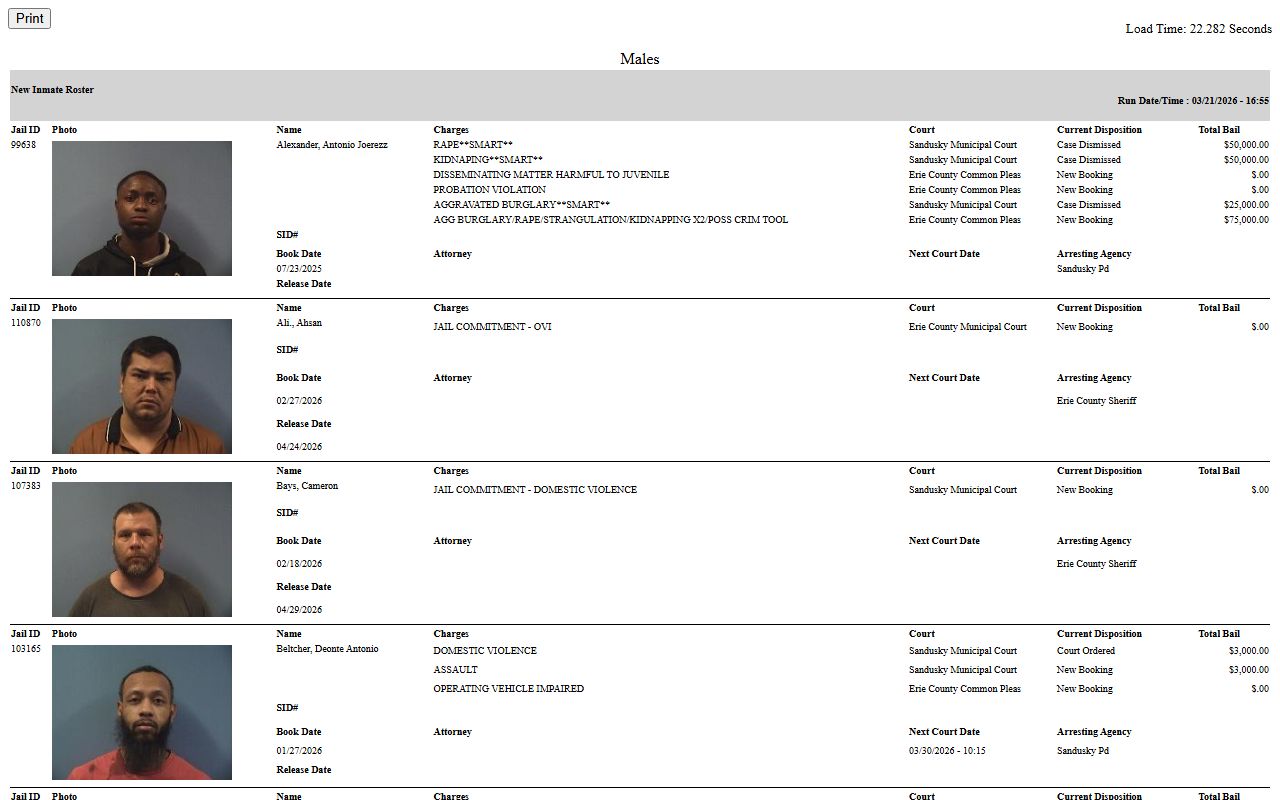
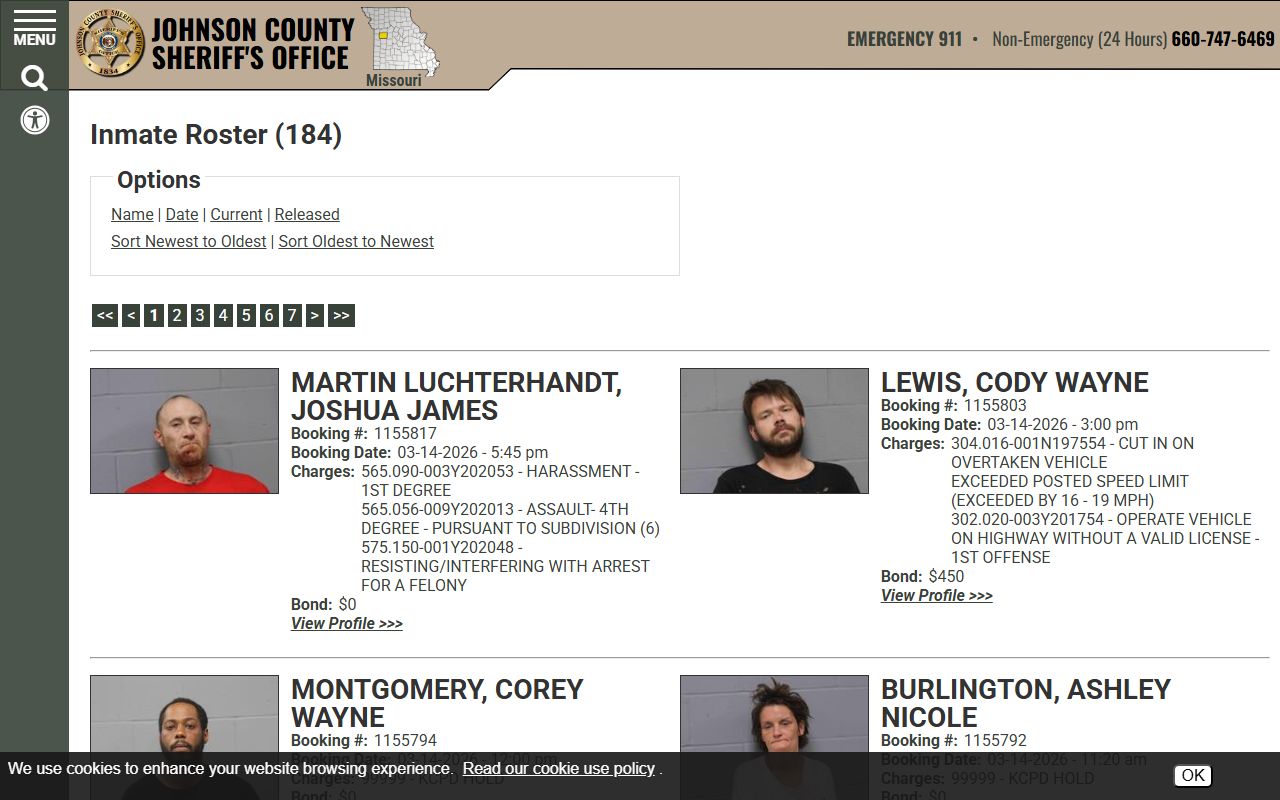
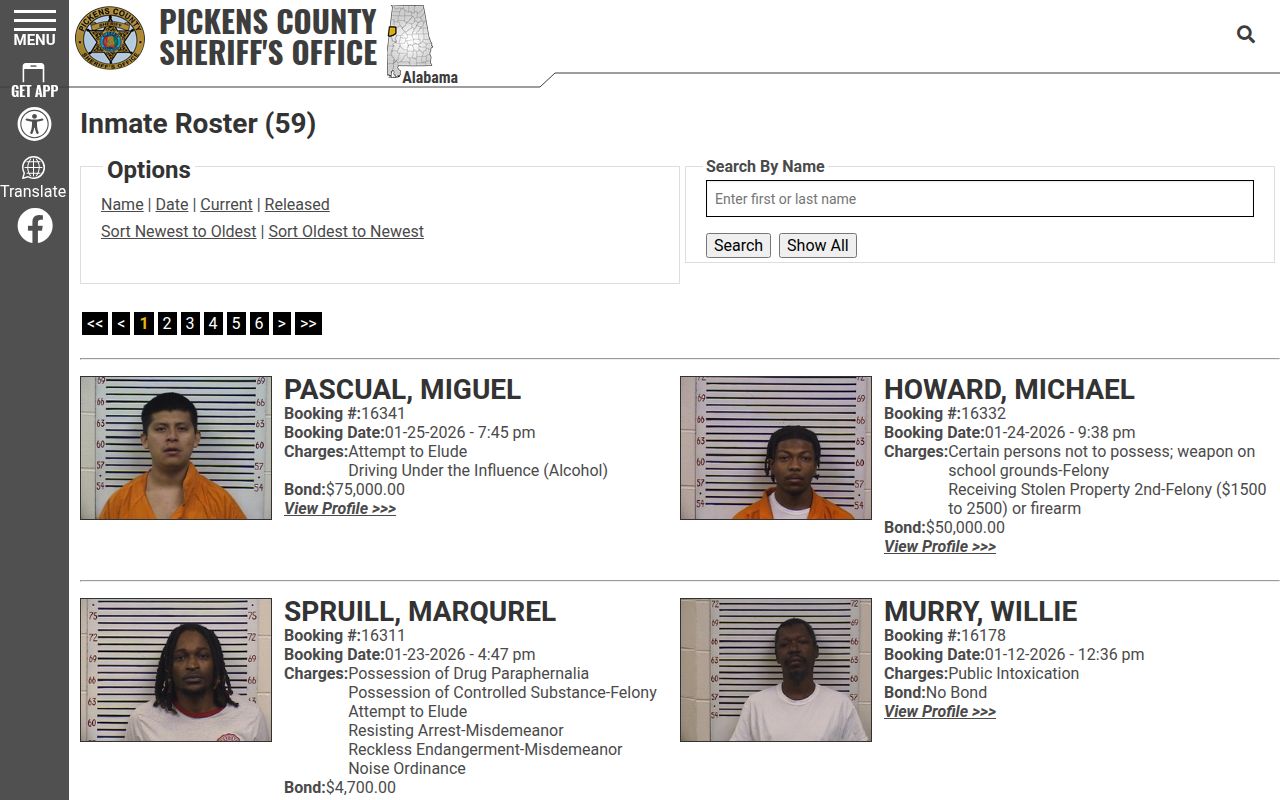
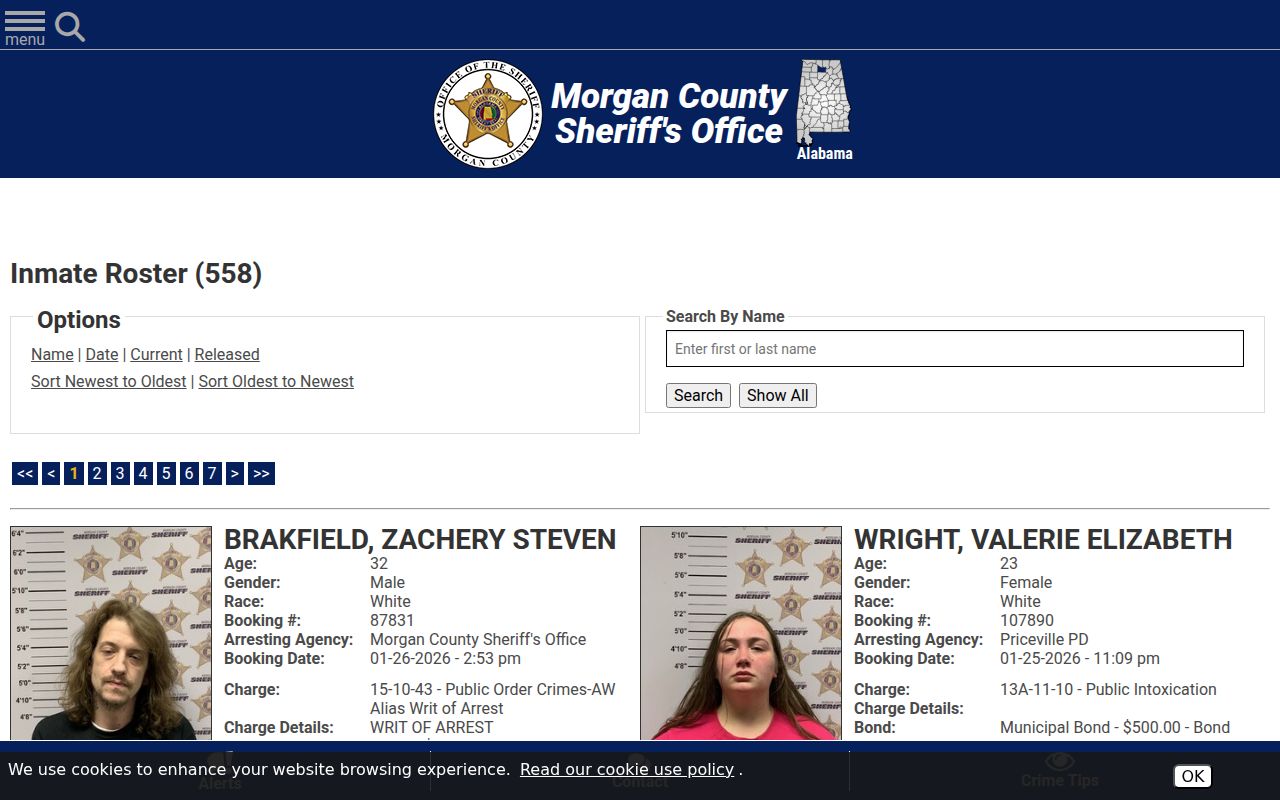
Accessing these rosters requires an understanding of how local agencies categorize data. While terminology may vary between jurisdictions, most booking systems organize entries by the following criteria:
- Booking Number: A unique numerical identifier assigned to an individual upon intake.
- Full Legal Name and Aliases: Used to ensure accuracy in cross-referencing against criminal history records.
- Current Charges: Legal codes or statutes the individual is alleged to have violated.
- Bail/Bond Amounts: The financial requirements set by the court for pre-trial release.
- Housing Location: Specific wing or unit assignment within the facility.
- Arresting Agency: The department responsible for the initial apprehension.
Navigating Official County and Municipal Websites
The primary and most authoritative source for recent booking data is the official website of the county sheriff’s office. To find accurate data, prioritize domains ending in .gov or .us, which are reserved for government entities. Third-party data aggregators often host cached information that may be outdated or inaccurate; relying on these can lead to misinformation regarding an individual's legal status.
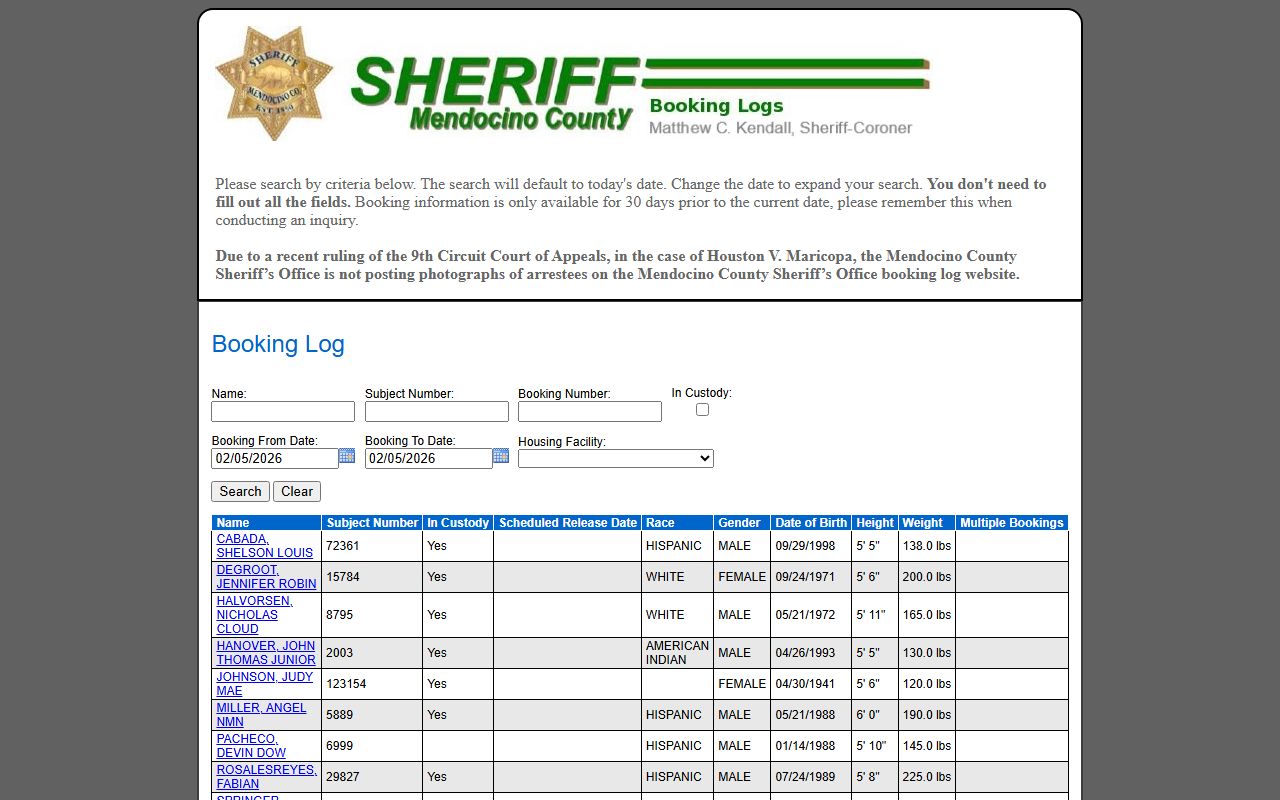
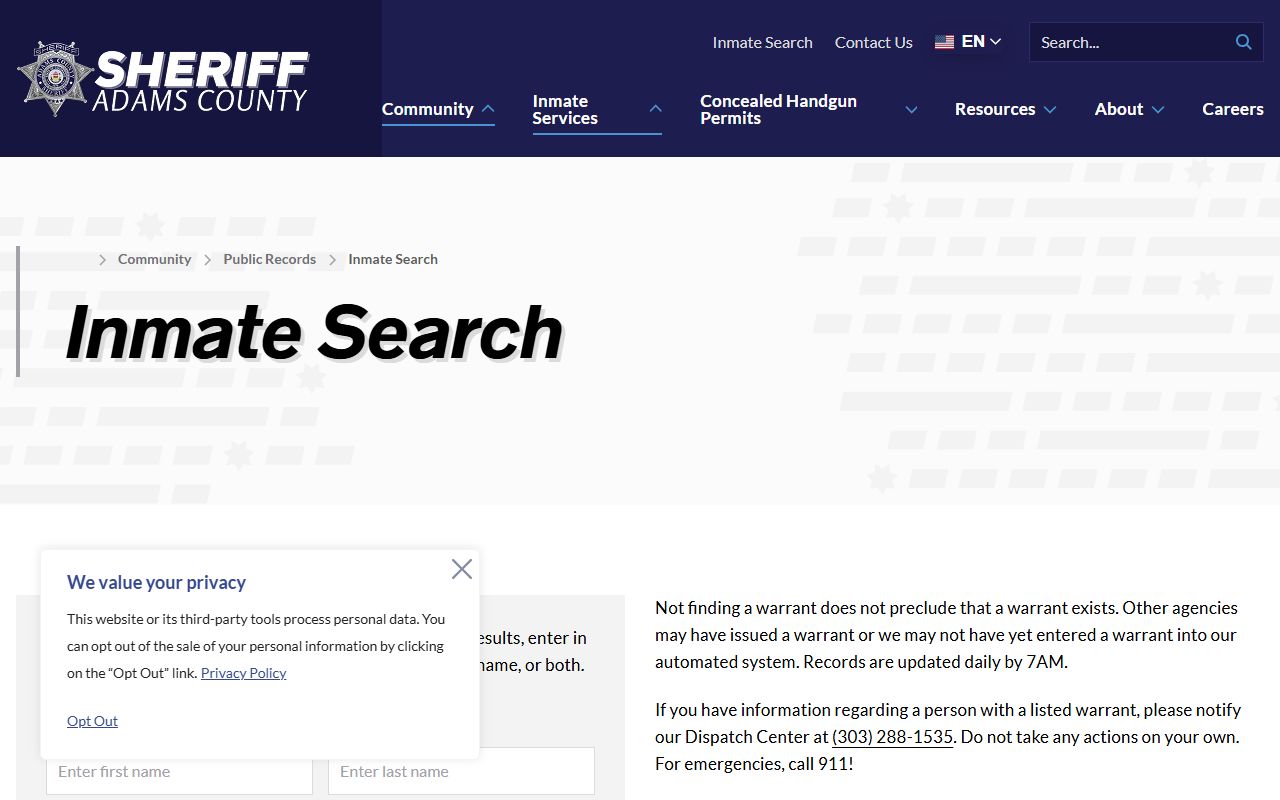
When accessing these portals in 2026, you will typically encounter a search interface that requires specific input parameters. Effective search strategies include:
- Searching by Last Name: Most systems require a partial or full last name to initiate a query.
- Utilizing Date Filters: Narrowing the search by a specific date range helps isolate recent bookings if the roster is high-volume.
- Reviewing Disclaimer Pages: Before viewing results, you are often required to acknowledge that the information provided is for informational purposes only and does not constitute a legal record.
Data Privacy and Ethical Considerations
It is critical to recognize that while booking records are public, they represent an "allegation" rather than a "conviction." Under the presumption of innocence in the United States legal system, information found on a jail roster should not be used to harass, intimidate, or discriminate against individuals. Many jurisdictions have implemented "scrubbing" policies in 2026 that remove the names of individuals from online rosters after a certain period, especially if charges were dropped or the individual was acquitted, to protect the privacy of those not convicted of a crime.
Operational Guidelines for Data Usage
Accuracy and Verification: Always cross-reference online roster data with the official clerk of court records if you are performing a background check for professional or legal purposes.
Jurisdictional Limitations: Jail rosters only show individuals currently in the custody of that specific jail. If an individual has been transferred to a state prison or a federal facility, their name will no longer appear on the local county roster.
Comparison of Information Sources
Understanding the difference between primary and secondary sources is vital for technical accuracy. The following table illustrates the reliability of different data streams.
| Source Type | Reliability | Real-Time Accuracy | Access Requirements |
|---|---|---|---|
| Sheriff/Jail Official Portal | High | 100% | Publicly Accessible |
| Clerk of Court Records | High | Legal Status Only | May Require Account |
| Third-Party Background Sites | Low | Delayed (24-72 hrs) | Subscription/Fee |
| Law Enforcement Press Logs | Moderate | Varies | Usually Periodic |
Troubleshooting Common Search Challenges
If you are unable to locate an individual, consider the following technical variables that often result in a "No Records Found" response:
- Spelling Variations: Even minor discrepancies in name spelling will cause database search failures. Try variations, including middle names or known aliases.
- Transfer Status: If the individual was booked and then processed out within a few hours (a "cite and release"), they may not appear on the searchable roster.
- Sealed Records: In cases involving minors or specific sensitive legal situations, the court may order the booking record sealed from public view.
- Facility Mismatch: Confirm the arresting agency. An arrest made by the State Highway Patrol may result in the individual being held at a different regional detention center rather than the local county jail.
Frequently Asked Questions
What does a "Hold" status mean on a booking roster? A "Hold" indicates that the individual is being detained on behalf of another agency, such as an out-of-county warrant, a probation/parole violation, or an immigration detainer. This prevents the individual from being released on standard bail until the holding agency provides further instructions.
How often are jail rosters updated? Most modern systems in 2026 perform automated updates every 15 to 60 minutes. However, some smaller rural facilities may still rely on manual data entry, which can result in a lag of 24 hours or more.
Can I pay bail through the online roster portal? Some, but not all, jurisdictions allow for the electronic processing of bail payments through their official portal. If this option is not available, you must typically contact the jail’s bonding office directly or utilize a licensed commercial bail bond agent.
Are booking photos (mugshots) always public? Public access to mugshots varies by state law. Some states have passed legislation restricting the release of booking photos to protect individuals from predatory "mugshot websites" that charge fees to remove these images.
What is the difference between a jail and a prison? Jails are generally managed by local counties or cities and house individuals awaiting trial or serving short sentences (usually one year or less). Prisons are managed by state or federal governments and house individuals convicted of serious crimes serving long-term sentences.
Professional Guidance for Legal Inquiries
If your need for roster information is tied to an active legal case, it is strongly recommended that you contact the defendant's legal representative or the public defender’s office. They have direct access to the court’s docket and can provide information regarding court dates, attorney-client visitation privileges, and the formal process for scheduling a visit or depositing funds for an inmate’s commissary account. Engaging with professional counsel ensures that your actions are compliant with local court rules and do not inadvertently interfere with the legal proceedings of the individual in custody.
Image Gallery