Will an Octopus Bite You? Understanding Risks, Anatomy, and Defensive Behaviors
An octopus will bite a human only as a last resort when it feels threatened, trapped, or physically provoked. While all octopuses possess a beak and venom, they are generally shy creatures that prefer camouflage or flight over confront...
An octopus will bite a human only as a last resort when it feels threatened, trapped, or physically provoked. While all octopuses possess a beak and venom, they are generally shy creatures that prefer camouflage or flight over confrontation. Only the blue-ringed octopus poses a lethal threat to humans.
Contents
The Anatomy of an Octopus Bite: The Beak and Buccal Mass
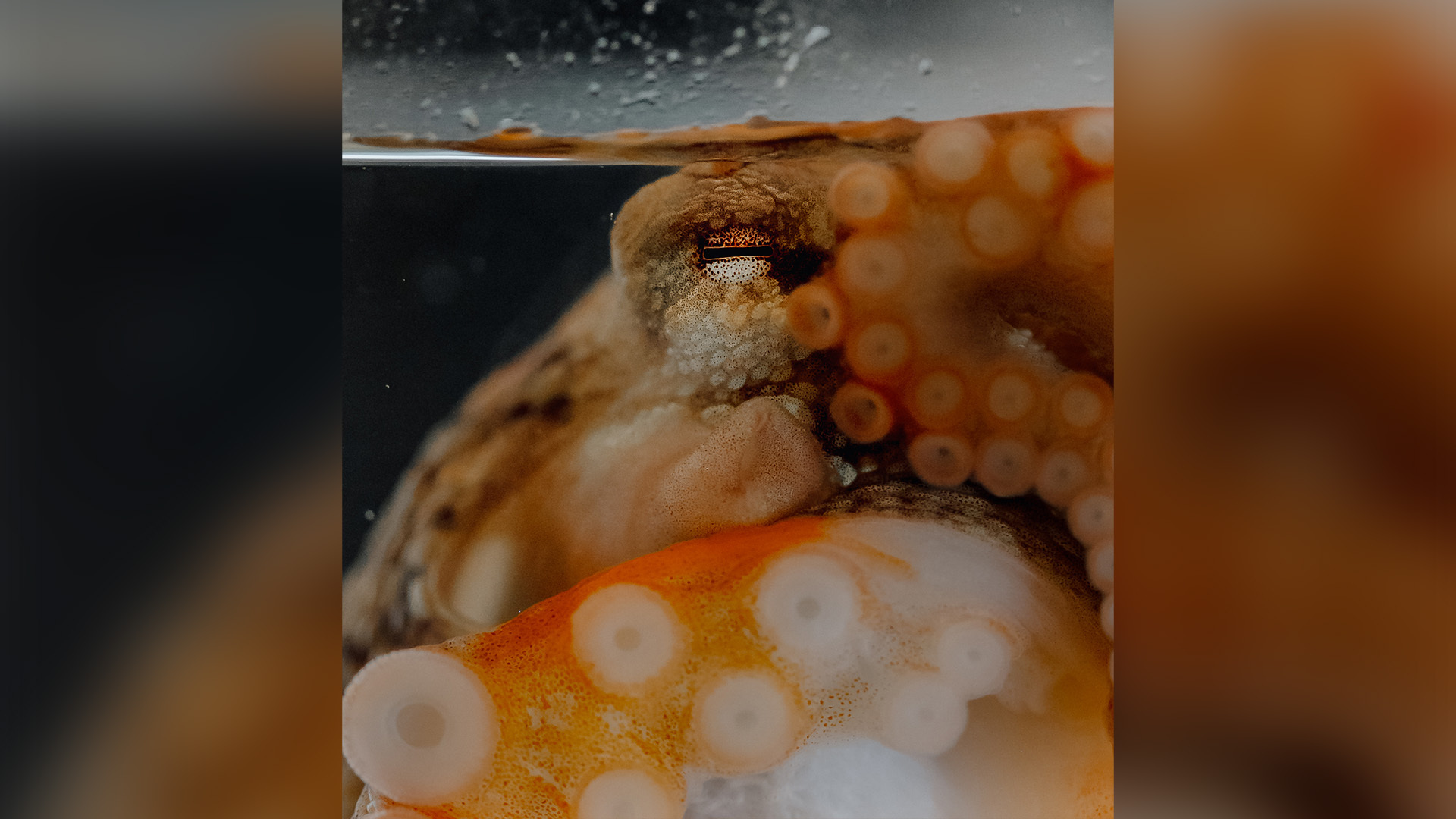
To understand the mechanics of an octopus bite, one must look at the unique anatomy of the cephalopod's mouth. Unlike mammals, which have teeth embedded in jaws, an octopus possesses a beak located at the center of its eight arms, within a muscular structure known as the buccal mass.
The beak is composed of chitin, a tough, fibrous substance similar to the material found in the exoskeletons of insects and crustaceans. It consists of two halves—an upper and lower mandible—that function like a pair of scissors or a parrot's beak. This structure is incredibly powerful, designed to puncture the hard shells of crabs, lobsters, and mollusks. Because the beak is the only truly hard part of an octopus's body, it is a formidable tool for both feeding and defense.
Behind the beak lies the radula, a tongue-like organ covered in tiny, serrated teeth. When an octopus bites, it uses the beak to create an opening and then uses the radula to scrape away tissue. Simultaneously, the octopus secretes saliva from its posterior salivary glands. This saliva contains a mixture of enzymes and toxins designed to paralyze prey and begin the digestive process outside the body. In the context of a human bite, these toxins are what cause the most significant medical concern.
Why Do Octopuses Bite Humans?
Octopuses are highly intelligent invertebrates with complex nervous systems. They do not hunt humans, nor do they view humans as prey. A bite is almost always a defensive reaction. In 2026, marine biologists continue to emphasize that "mistaken identity" bites are extremely rare because octopuses use their sophisticated chemoreceptors on their suckers to "taste" and identify objects before engaging them.
The most common scenarios leading to a bite include:
- Handling and Provocation: Most reported bites occur when divers, snorkelers, or fishers attempt to pick up an octopus. Restricting the animal's movement triggers an immediate survival instinct.
- Cornering in Crevices: If a diver sticks their hand into a dark crevice where an octopus is brooding or resting, the animal may bite to defend its territory or eggs.
- Feeding Mishaps: In aquarium settings, an octopus may accidentally nip a keeper if it associates human hands with the delivery of food, though this is technically a "test nip" rather than an aggressive strike.
High-Risk Species and Venom Potency
While almost all of the 300+ species of octopus are venomous, the vast majority possess venom that is only effective against small crustaceans and fish. To a human, a typical octopus bite might feel similar to a bee sting, resulting in localized swelling, redness, and a lingering ache.
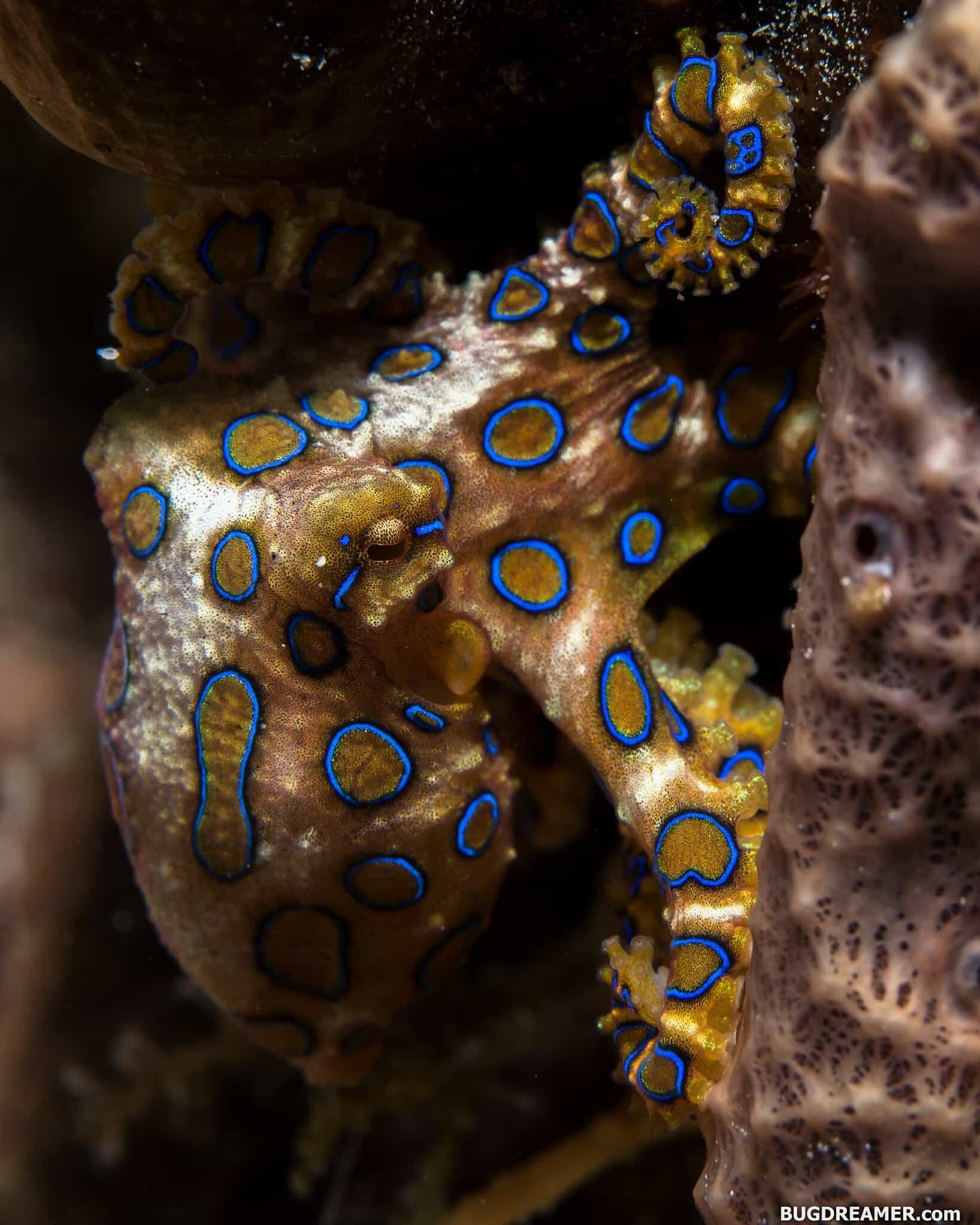
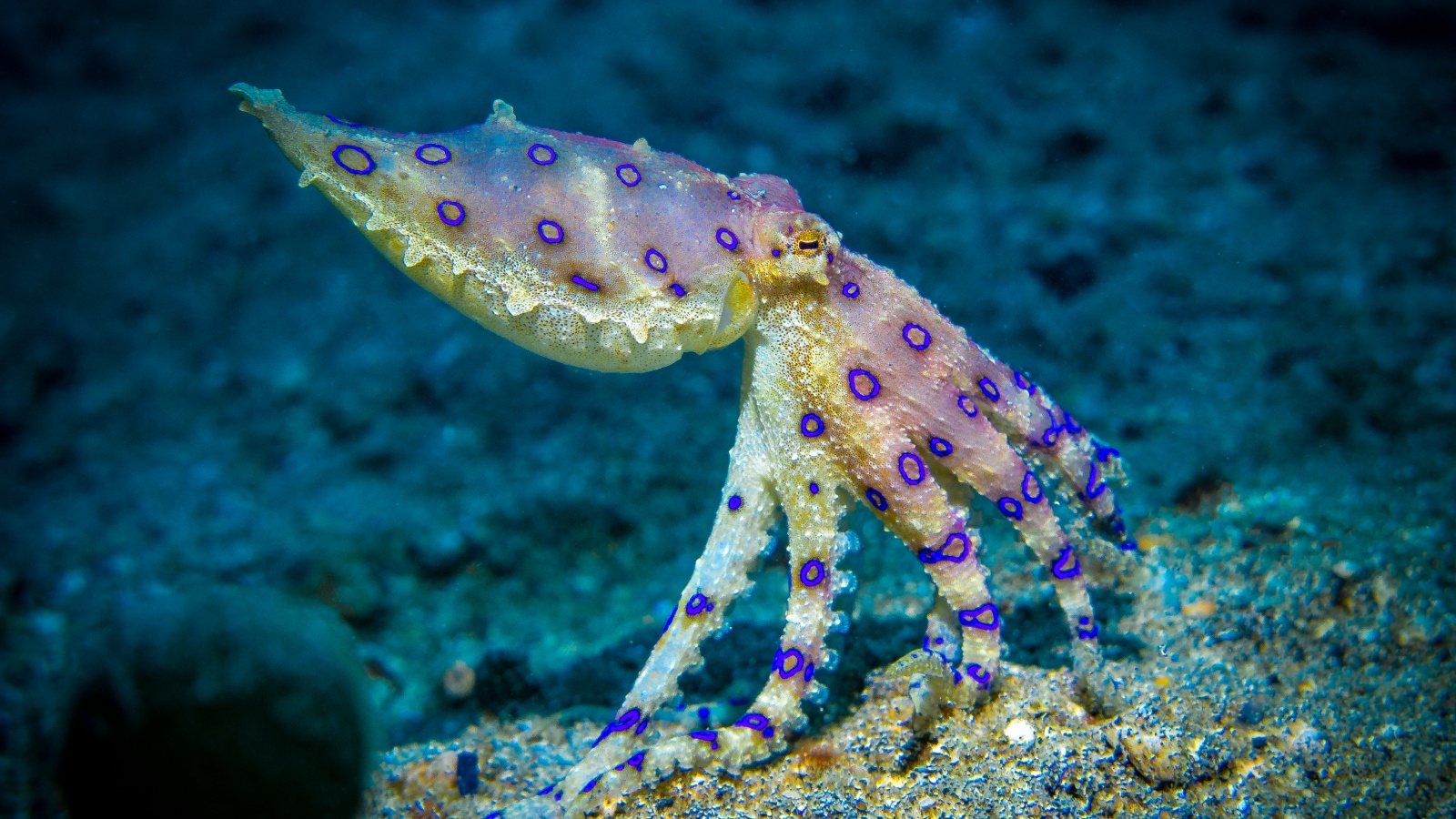
However, the Blue-ringed octopus (genus Hapalochlaena) is a critical exception. These small, docile-looking creatures carry enough tetrodotoxin (TTX) to kill 26 adult humans within minutes. TTX is a potent neurotoxin that blocks sodium channels in the nervous system, leading to rapid respiratory paralysis. In 2026, there is still no known antivenom for a blue-ringed octopus bite; medical intervention relies entirely on supportive care, such as mechanical ventilation, until the toxin naturally clears the victim's system.
Comparative Risks of Common Octopus Species
| Species Name | Common Name | Primary Habitat | Bite Risk Level | Venom Effect on Humans |
|---|---|---|---|---|
| Hapalochlaena maculosa | Blue-ringed Octopus | Indo-Pacific / Australia | Critical | Lethal neurotoxicity (paralysis) |
| Enteroctopus dofleini | Giant Pacific Octopus | North Pacific Ocean | Moderate | Painful swelling, anticoagulant effects |
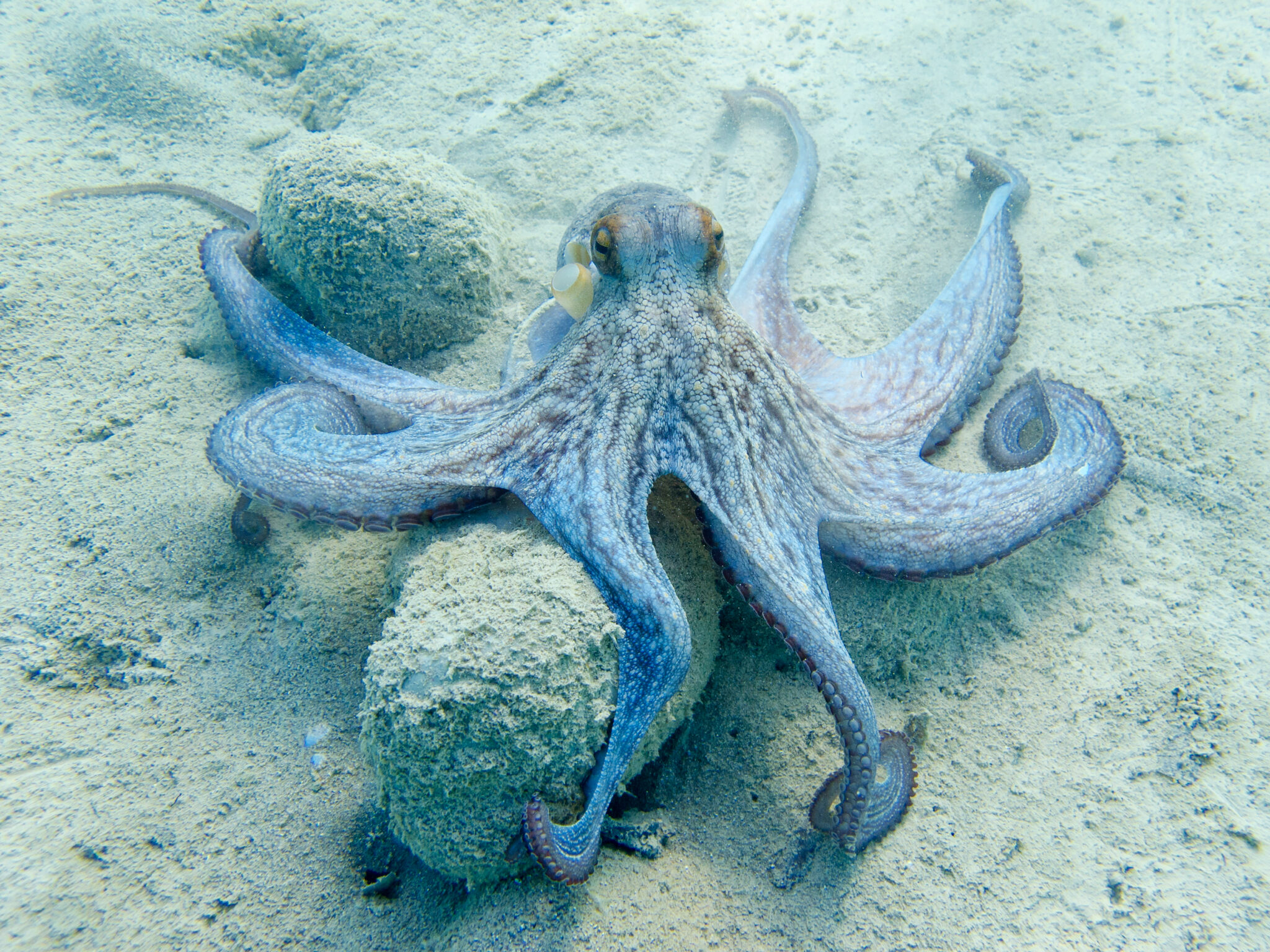
| Octopus vulgaris | Common Octopus | Global Temperate Waters | Low | Mild localized pain and itching |
| Ocythoe tuberculata | Football Octopus | Pelagic (Open Ocean) | Very Low | Minimal irritation |
| Hectoctorus | Greater Blue-ringed | Western Pacific | Critical | Lethal; requires immediate ICU care |
Symptoms of an Octopus Bite
Identifying an octopus bite early is essential for proper treatment. Because the beak is sharp, the initial puncture may be small and clean, sometimes resembling a "V" or a small slit.
Non-Lethal Bites (Common Species)
For most species, the symptoms are localized:
- Acute Pain: A sharp, stinging sensation at the site of the puncture.
- Swelling and Edema: The area may become inflamed due to the enzymes in the saliva.
- Bleeding: Octopus saliva often contains cephalotoxin, which can have mild anticoagulant properties, making the wound bleed more than expected.
- Itching and Redness: This can persist for several days as the body reacts to foreign proteins.
Lethal Bites (Blue-ringed Octopus)
The danger of a blue-ringed octopus bite is that it is often painless. The victim may not even realize they have been bitten until systemic symptoms begin:
- Numbness: Tingling or loss of sensation in the lips, tongue, and extremities.
- Difficulty Swallowing: Weakness in the facial muscles.
- Respiratory Distress: Shortness of breath leading to complete cessation of breathing.
- Visual Impairment: Blurred or double vision.
- Full Body Paralysis: The victim remains fully conscious but unable to move or signal for help.
Immediate First Aid and Medical Response
If you suspect someone has been bitten by an octopus, immediate action is required. The protocol varies significantly depending on the species involved.
For Blue-ringed Octopus Bites
- Call Emergency Services Immediately: This is a life-threatening emergency.
- Pressure Immobilization Bandage (PIB): Use a broad elastic bandage to wrap the entire limb firmly (similar to treating a snake bite). This slows the spread of the toxin through the lymphatic system. Do not cut off circulation.
- Artificial Respiration: If the victim stops breathing, perform CPR or use a bag-valve-mask if available. Oxygen must be delivered until the victim can be intubated at a hospital.
- Do Not Remove the Bandage: Keep the PIB in place until the patient is in an intensive care environment.
For Non-Lethal Octopus Bites
- Clean the Wound: Flush the area with fresh water and mild soap to remove any residual venom or bacteria.
- Monitor for Infection: Octopuses live in environments rich in bacteria. Watch for increasing redness, heat, or pus.
- Heat/Cold Therapy: Immersing the wound in hot water (as hot as can be tolerated without burning) for 30–90 minutes may help denature some types of marine proteins, though this is more effective for fish stings than cephalopod bites.
- Seek Medical Consultation: Even a minor bite should be checked by a professional to ensure no beak fragments are left in the wound.
How to Prevent Octopus Bites
As of 2026, the best way to interact with marine life is through passive observation. To minimize the risk of a bite, follow these safety guidelines:
- Never Handle Wild Octopuses: Even "friendly" octopuses in shallow tide pools can bite if they feel their movement is restricted.
- Wear Protective Gear: If you are diving or tide-pooling in areas known for blue-ringed octopuses, wear thick neoprene gloves and boots. However, be aware that a determined octopus can bite through thin latex or light fabric.
- Respect Camouflage: Be mindful of where you place your hands. Octopuses are masters of disguise and may be resting on a rock that looks like an empty surface.
- Observe Body Language: If an octopus starts "flashing" colors (especially bright blues or reds), spreading its webbing to look larger, or moving rapidly toward you, it is feeling threatened. Back away slowly.
- Secure Aquarium Lids: For hobbyists, ensure your tank is escape-proof. An octopus that escapes its tank and is found on the floor is under extreme stress and is highly likely to bite if someone tries to pick it up to return it to the water.
Frequently Asked Questions
Can an octopus bite through a wetsuit?
Yes, a large octopus, such as the Giant Pacific Octopus, has a powerful enough beak to puncture a standard 3mm or 5mm neoprene wetsuit. While the suit provides a layer of protection, it is not a guarantee against the mechanical force of the buccal mass.
Are octopus bites poisonous or venomous?
Octopuses are venomous, not poisonous. This means they actively inject toxins through a bite. Poisonous animals, by contrast, are harmful if touched or eaten. Most octopus species are safe to consume if prepared correctly, as the venom is contained within the salivary glands and not the muscle tissue.
What does an octopus bite look like?
An octopus bite typically appears as two small puncture marks or a small, beak-shaped slit. It may look insignificant on the surface, but the underlying tissue damage can be deeper than it appears due to the "beak and scrape" action of the mouthparts.
Is there an antivenom for octopus bites?
There is currently no commercially available antivenom for any octopus species, including the blue-ringed octopus. Treatment for the lethal neurotoxins is entirely focused on life support until the toxin wears off, usually within 15 to 24 hours.
Can an octopus bite off a finger?
While a large octopus has incredible jaw strength, it is highly unlikely to bite off a human finger. Their beaks are designed for piercing and cracking rather than shearing through thick bone. However, a bite can cause significant nerve and tissue damage.
Practical Recommendation for Divers and Beachgoers
If you encounter an octopus in the wild, the safest and most rewarding action is to remain a few feet away and watch its behavior. These animals are curious and may even approach you if they do not feel threatened. If an octopus does happen to attach its suckers to your skin or gear, do not panic or pull away forcefully, as this may trigger a defensive bite. Instead, gently peel the suckers back or wait for the octopus to release you on its own once it realizes you are not food or a threat.
Image Gallery