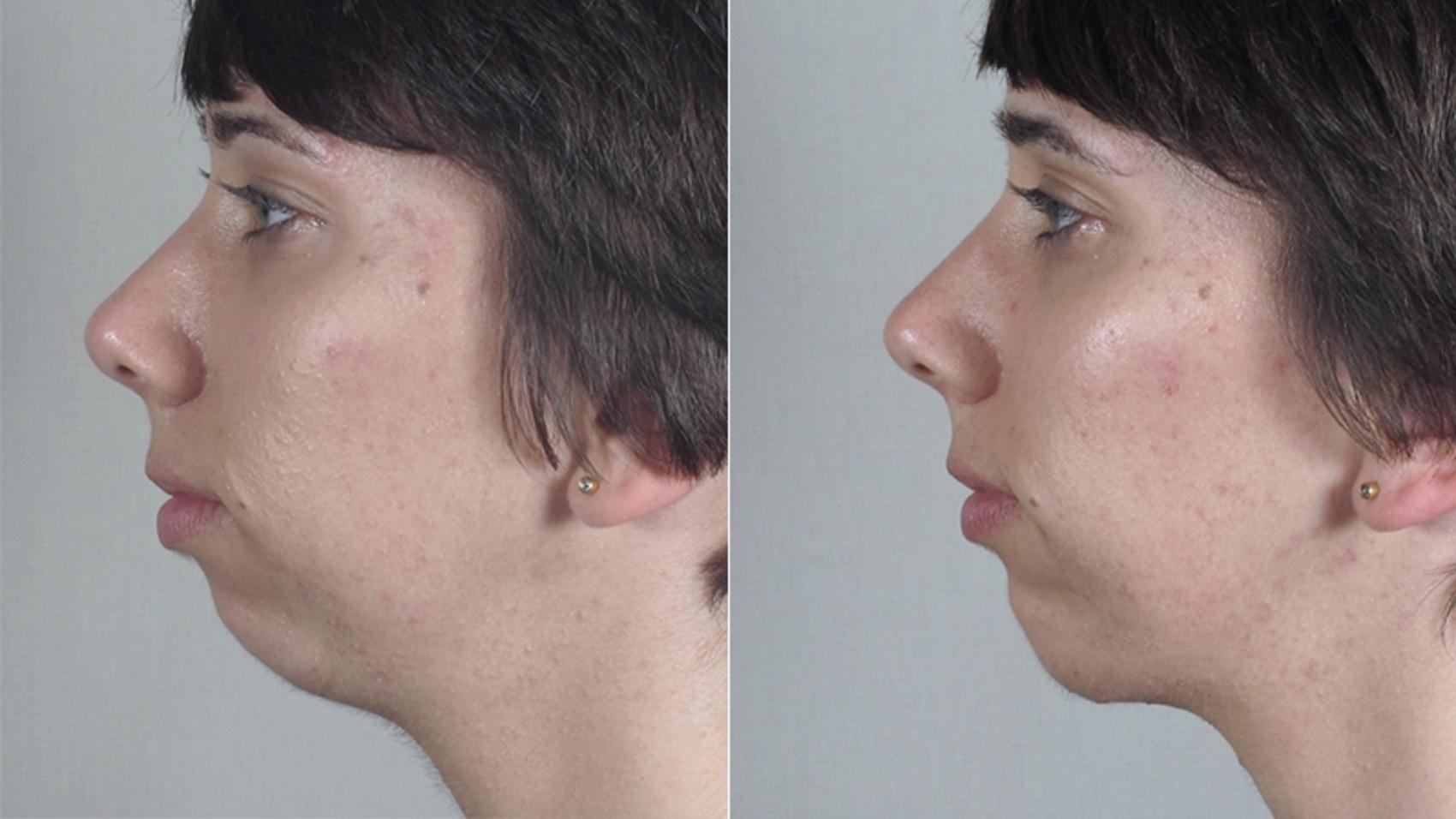
Celebrities with Chin Implants: Trends, Results, and the Science of Facial Harmony
Many celebrities opt for chin implants to achieve a more defined jawline and improve facial balance. While some, like Vicki Gunvalson and Bristol Palin, have openly discussed their procedures, others remain the subject of speculation....
Many celebrities opt for chin implants to achieve a more defined jawline and improve facial balance. While some, like Vicki Gunvalson and Bristol Palin, have openly discussed their procedures, others remain the subject of speculation. This surgery, known as chin augmentation, uses medical-grade implants to enhance the structural profile of the face.
Contents
The pursuit of the "perfect" profile has long been a staple of Hollywood aesthetics. While rhinoplasty and breast augmentation often dominate the conversation, chin augmentation—or mentoplasty—is the quiet workhorse of facial transformation. A well-defined chin provides a foundation for the rest of the face, balancing a prominent nose and creating a sharp distinction between the jawline and the neck. As we move through 2026, the technology behind these implants has evolved, but the motivation remains the same: the achievement of a "Golden Ratio" profile.
Understanding the Procedure: Why Chin Implants?
Chin augmentation is a surgical procedure designed to enhance the size and projection of a "receding" or weak chin. Surgeons typically use a biocompatible implant, often made of solid silicone or porous polyethylene, which is placed directly over the bone. The incision is either made inside the mouth (intraoral) or under the chin in a natural crease, making scarring nearly invisible.
In the context of Hollywood, the "why" is often related to the camera's lens. High-definition screens and the ubiquity of profile shots in film require a structural integrity that makeup and lighting cannot always provide. A weak chin can make the neck appear fleshy and the nose appear larger than it is. By projecting the chin forward, the surgeon creates a more athletic, youthful, and balanced appearance.
The Science of Facial Harmony and the Golden Ratio
Aestheticians often refer to the "Golden Ratio" or Phi (1.618) when discussing facial beauty. In profile, the most aesthetic chin position is usually determined by a vertical line dropped from the lower lip; in men, the chin should reach this line, while in women, it should sit slightly behind it. Celebrities often seek these specific measurements to ensure they look "camera-ready" from every angle. By 2026, many surgeons are using AI-driven 3D modeling to show patients exactly how an implant will alter their proportions before the first incision is made.
Celebrities with Confirmed or Highly Documented Chin Implants
While many stars prefer to keep their cosmetic enhancements private, several have been candid about their journeys. Their transparency has helped demystify the procedure for the general public.
Marilyn Monroe: The Historical Precedent
Perhaps the most famous historical case is Marilyn Monroe. In 2013, medical records and X-rays belonging to Monroe were auctioned, revealing that she underwent a chin graft in 1950. At the time, surgeons used carved bovine cartilage rather than the synthetic materials used today. The records indicated that the graft had begun to dissolve over time, which is a common issue with organic grafts—a problem modern silicone implants have solved.
Vicki Gunvalson
The Real Housewives of Orange County star has been exceptionally transparent about her plastic surgery. Following a period of public scrutiny regarding her appearance, Gunvalson underwent a full facial reconstruction that included a chin implant. She later expressed that the procedure helped her feel more confident and corrected what she perceived as a "weak" profile that had bothered her for years.
Bristol Palin
Bristol Palin’s transformation was widely discussed in the early 2010s. While she initially stated the surgery was for "corrective jaw restructuring" to align her teeth properly, the aesthetic result was a significantly more pronounced and defined chin. This highlights a common crossover in maxillofacial surgery where functional corrections (orthognathic surgery) are paired with aesthetic enhancements (genioplasty).
Stassi Schroeder
Reality TV personality Stassi Schroeder has openly admitted to receiving a chin implant as a high school graduation gift. Schroeder’s case is often cited in discussions about the psychological impact of early cosmetic intervention. She has stated in multiple interviews that it was one of the best decisions she made for her self-esteem, as it balanced her facial features and removed a lifelong insecurity.
Speculative Cases: The "Jawline Evolution" in Hollywood
In an industry where a sudden change in appearance is often attributed to "aging" or "weight loss," many celebrities are suspected of having chin implants without official confirmation.
- Robert Pattinson: Observers have long noted the actor's exceptionally sharp and square jawline. While he has never confirmed surgery, aesthetic experts often point to his profile as the "gold standard" for masculine chin projection, whether natural or surgically enhanced.
- Zac Efron: Following a 2022 interview where his jaw appeared significantly wider, rumors of an implant circulated. Efron later clarified that he had shattered his jaw in a home accident and the resulting muscle growth (masseter hypertrophy) during physical therapy changed his face shape. This serves as a cautionary tale: not every jawline change is elective surgery.
- Ashlee Simpson: During her well-documented 2006 transformation, most focus was on her rhinoplasty. However, many plastic surgeons have noted that she likely received a small chin implant at the same time to maintain facial balance after her nose was reduced in size.
Comparing Chin Augmentation Methods in 2026
When considering a chin enhancement, patients today have more options than just traditional silicone. The following table compares the primary methods used in modern aesthetic medicine.
| Feature | Silicone Implant | Medpor (Polyethylene) | Sliding Genioplasty | Dermal Fillers |
|---|---|---|---|---|
| Material | Solid Medical Silicone | Porous Synthetic | Patient's own bone | Hyaluronic Acid |
| Permanence | Permanent (but removable) | Permanent (hard to remove) | Permanent | Temporary (6–18 months) |
| Invasiveness | Low (Simple placement) | Moderate (Tissue ingrowth) | High (Cutting bone) | Non-surgical |
| Recovery Time | 7–10 days | 10–14 days | 2–4 weeks | None |
| Integration | Encapsulates | Biological integration | Biological healing | N/A |
| Best For | Standard projection | Stable, long-term fix | Vertical & horizontal fixes | Testing the "look" |
The Role of Technology and 3D Customization in 2026
As of 2026, the "one-size-fits-all" approach to chin implants has largely been replaced by custom-fit prosthetics. Using CT scans, surgeons can now create 3D-printed titanium or silicone implants that fit the unique contours of a patient's mandible perfectly. This reduces the risk of the implant shifting or "rocking," which was a common complication in the early 2000s.
Furthermore, the introduction of micro-implants allows for subtle adjustments to the "pre-jowl sulcus"—the dips on either side of the chin that appear with age. This ensures that the celebrity jawline looks natural even when the face is in motion, avoiding the "stiff" or "plastic" look that characterized older surgical techniques.
Risks, Considerations, and Medical Warnings
While generally considered safe, chin augmentation is a significant surgical procedure. Prospective patients must be aware of potential complications:
- Nerve Damage: The mental nerve, which provides sensation to the lower lip and chin, sits near the surgical site. Damage can lead to permanent numbness.
- Bone Resorption: Pressure from a hard implant can occasionally cause the underlying bone to erode over decades. Research published in the Journal of Plastic, Reconstructive & Aesthetic Surgery suggests that proper placement subperiosteally minimizes this risk.
- Infection: As with any implant, there is a risk of the body rejecting the material or an infection developing, which would necessitate removal.
- Aesthetic Dissatisfaction: Over-projection can lead to a "witch’s chin" or an overly masculine appearance in women.
Disclaimer: This information is for educational purposes and does not constitute medical advice. Consult with a board-certified plastic surgeon to discuss specific risks and benefits.
Frequently Asked Questions
How long do chin implants last?
Modern chin implants are designed to be permanent. Unlike breast implants, which may need replacement due to rupture, solid silicone chin implants do not wear out. However, they can be removed or replaced if the patient's aesthetic preferences change or if complications arise.
Can you tell if someone has a chin implant by touch?
If performed correctly by a skilled surgeon, a chin implant should feel like a natural part of the jawbone. Because the implant is placed directly against the bone and beneath the muscle and skin, it is generally indistinguishable from the natural skeleton to the touch.
Is the recovery for a chin implant painful?
Most patients describe the recovery as "tight" or "uncomfortable" rather than excruciating. Swelling is the primary concern during the first week. Most celebrities can return to public life within 10 to 14 days, though full internal healing takes several months.
Can a chin implant be combined with a neck lift?
Yes, this is a very common combination. A chin implant provides the structure, while a neck lift or liposuction removes excess fat and skin. Together, these procedures create the "chiseled" jawline often seen in Hollywood transformations.
Does a chin implant change your smile?
Temporarily, yes. Because the mentalis muscle is manipulated during surgery, your smile may feel stiff or "different" for the first few weeks. However, as the swelling subsides and the nerves recover, the smile typically returns to its natural state.
Practical Recommendations for Prospective Patients
If you are considering following in the footsteps of your favorite celebrity to enhance your jawline, the first step is a consultation with a surgeon who specializes in facial harmony. In 2026, look for practitioners who offer 3D imaging technology, such as the Vectra system, to visualize the results.
Avoid the temptation to "over-project." The most successful celebrity chin implants are those that no one notices—they simply make the individual look like a more rested, balanced version of themselves. Always verify the credentials of your surgeon through the American Society of Plastic Surgeons (ASPS) to ensure they meet the highest standards of safety and ethics.
Image Gallery