Finding the Right Coverage in Sugar Land Auto Insurance
Finding the right coverage in Sugar Land auto insurance requires balancing the Texas state-mandated minimums with additional protection against local risks, such as heavy I-69 traffic and seasonal flooding. Residents should prioritize...
Finding the right coverage in Sugar Land auto insurance requires balancing the Texas state-mandated minimums with additional protection against local risks, such as heavy I-69 traffic and seasonal flooding. Residents should prioritize high liability limits to protect personal assets and comprehensive coverage to account for Fort Bend County’s unpredictable weather patterns.
Contents
Navigating the insurance landscape in Sugar Land, Texas, involves more than just complying with state laws. As one of the fastest-growing suburban hubs in the Houston-The Woodlands-Sugar Land metropolitan area, this city presents unique driving challenges. From the congested intersections of Highway 6 and Interstate 69 to the affluent residential pockets of First Colony and Sweetwater, your insurance policy must reflect both your financial risk and the physical environment in which you drive. In 2026, as vehicle technology and repair costs continue to climb, a "one size fits all" approach to auto insurance often leaves policyholders vulnerable to significant out-of-pocket expenses.
Texas Minimum Liability vs. Sugar Land Reality
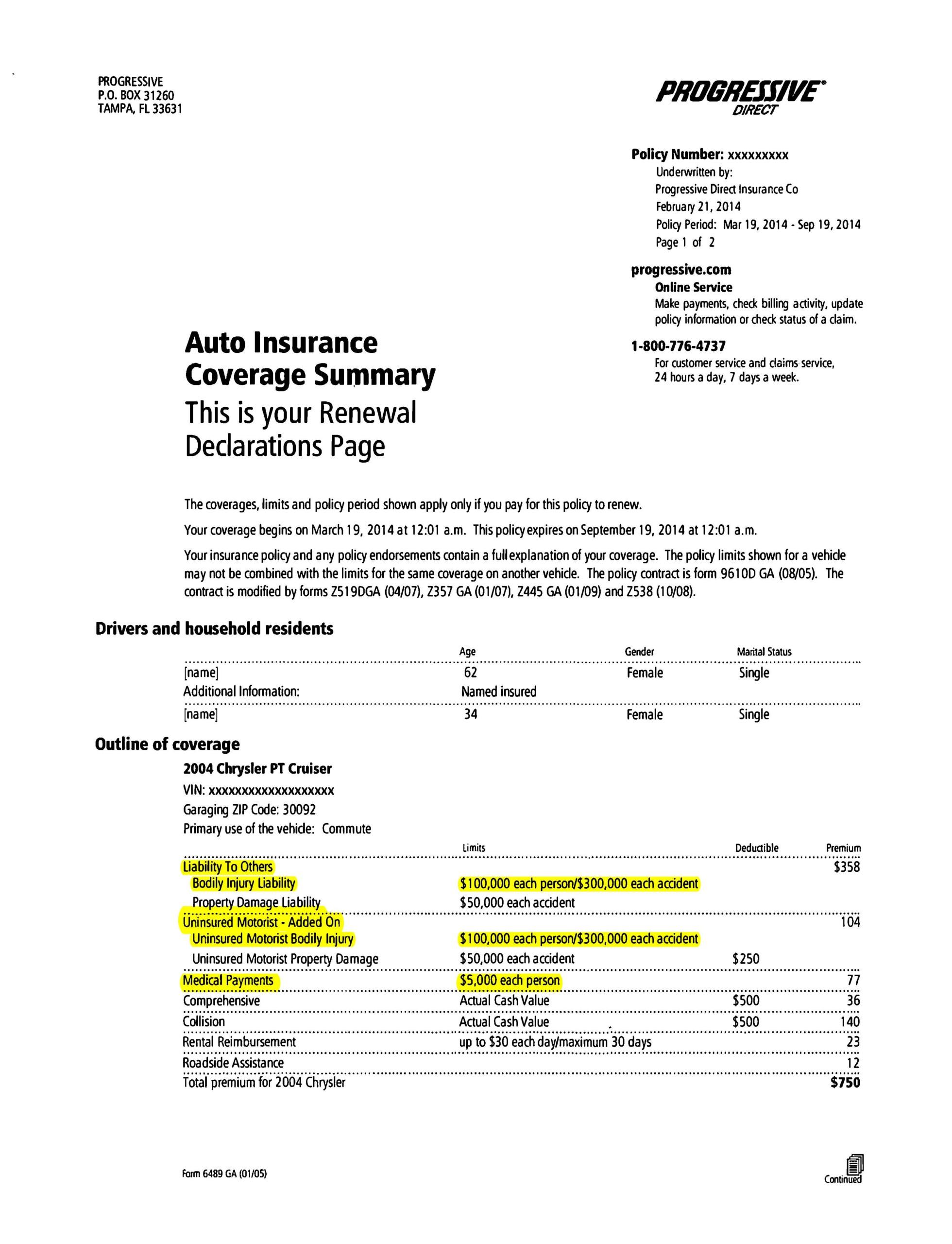
In Texas, the law requires drivers to carry a minimum amount of liability insurance, often referred to as the 30/60/25 rule. This translates to $30,000 for bodily injury per person, $60,000 for bodily injury per accident, and $25,000 for property damage. While these figures meet the legal requirement to register a vehicle or pass a state inspection, they are frequently insufficient for the realities of driving in Sugar Land.
Sugar Land is characterized by high property values and a high density of luxury vehicles. If you are found at fault in a multi-car accident on University Boulevard involving modern SUVs or electric vehicles, a $25,000 property damage limit will likely be exhausted almost immediately. Once your insurance limit is reached, you become personally liable for the remaining balance. For homeowners in master-planned communities, this poses a direct threat to personal assets and savings. Consequently, many local experts recommend increasing liability limits to at least 100/300/100 to provide a more robust financial safety net.
Essential Coverage Additions for Fort Bend County
Beyond basic liability, several optional coverages are critical for drivers in the Sugar Land area. These address specific regional risks that liability insurance does not cover.
Comprehensive Coverage and Environmental Risks
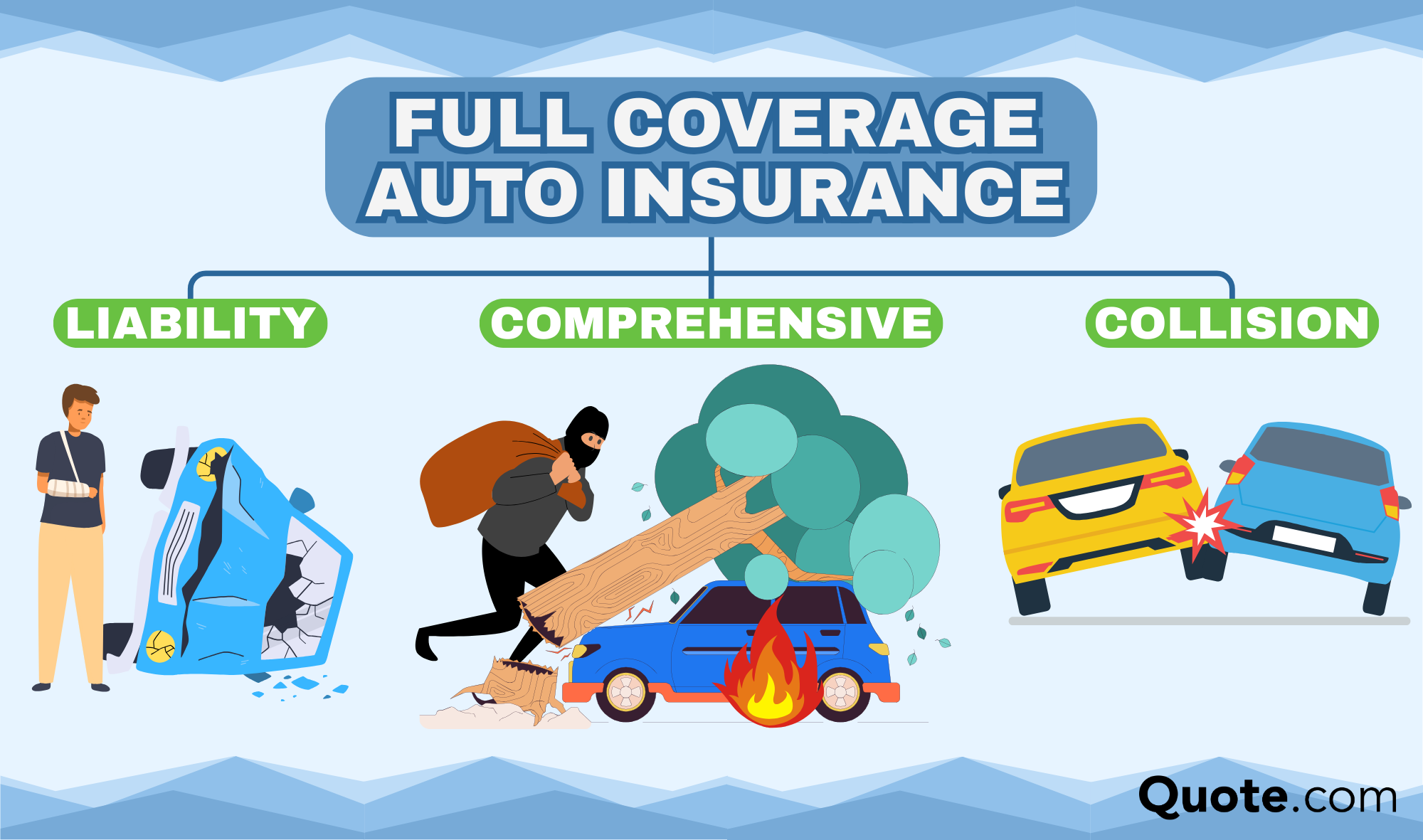
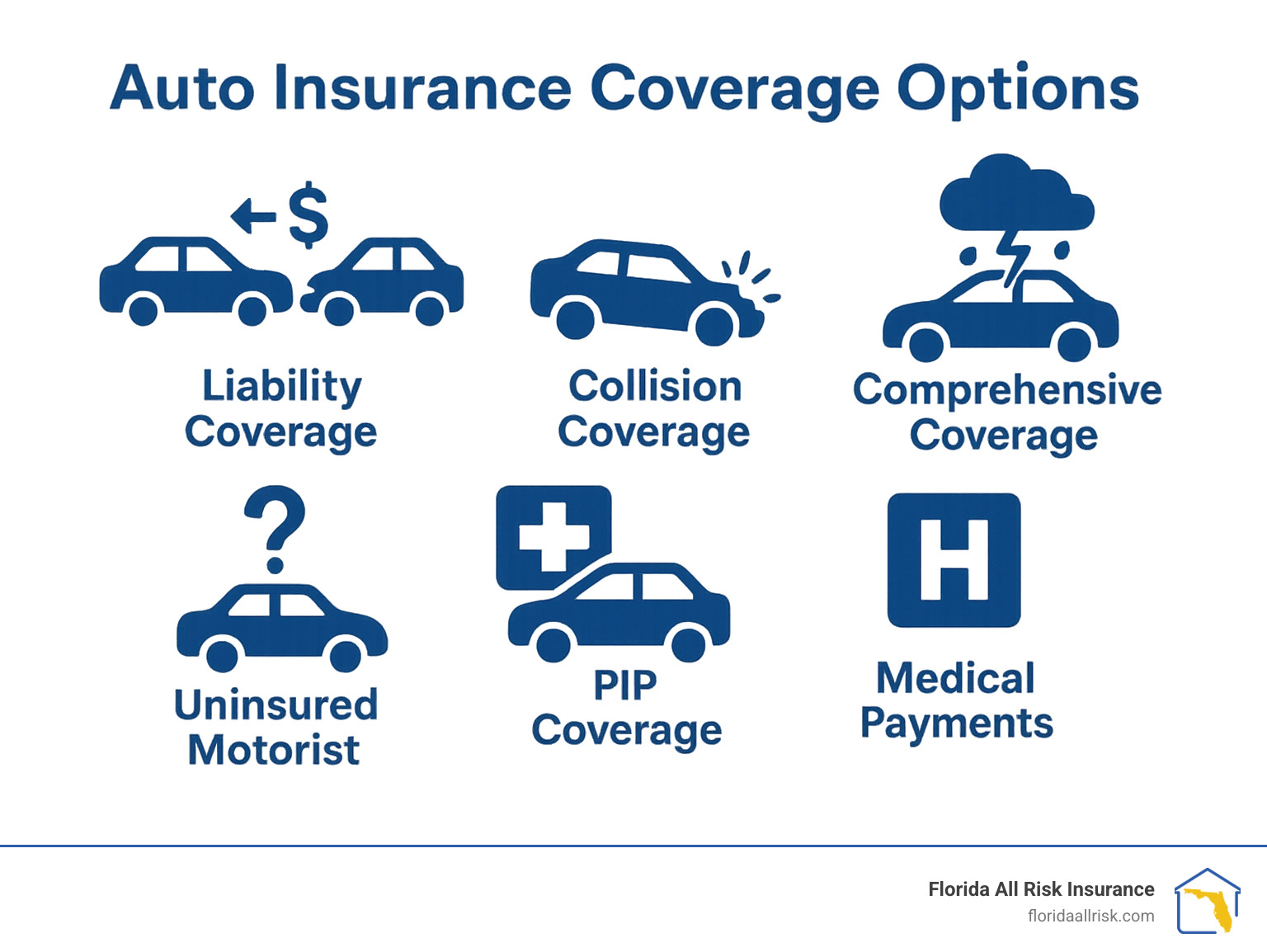
Sugar Land’s proximity to the Brazos River and its susceptibility to Gulf Coast weather systems make comprehensive coverage indispensable. Comprehensive insurance pays for damage to your vehicle caused by events other than a collision. In Fort Bend County, this primarily includes:
- Flood Damage: Heavy rains can lead to rapid street flooding. Even if your home is not in a flood zone, your car can be totaled by rising waters during a severe thunderstorm or tropical system.
- Hail Protection: Spring storms in North and Southeast Texas frequently produce significant hail. Comprehensive coverage handles the dent repair and glass replacement costs associated with these events.
- Theft and Vandalism: While Sugar Land maintains lower crime rates than the urban core of Houston, vehicle theft and "smash-and-grab" incidents in shopping centers like Town Square still occur.
Uninsured and Underinsured Motorist (UM/UIM)
Despite strict state laws, a significant percentage of drivers in the greater Houston area operate vehicles without valid insurance. Uninsured Motorist (UM) coverage protects you if you are hit by someone who lacks insurance entirely. Underinsured Motorist (UIM) coverage bridges the gap if the at-fault driver has insurance, but their limits are too low to cover your medical bills or repair costs. In 2026, with the rising cost of medical care, having UM/UIM coverage is a vital safeguard against the financial negligence of others on the road.
Personal Injury Protection (PIP) vs. Medical Payments
Texas insurance companies must offer Personal Injury Protection (PIP), and you must reject it in writing if you do not want it. PIP is a "no-fault" coverage that pays for medical expenses, lost wages, and even non-medical costs resulting from an accident, regardless of who caused it. Given the high-speed nature of traffic on the Grand Parkway (SH 99) and the Hardy Toll Road, the potential for serious injury is non-negligible. PIP provides immediate financial relief without waiting for a lengthy claims investigation to determine fault.
Regional Factors Influencing Sugar Land Premiums
Insurance companies utilize complex algorithms to determine rates, and several factors specific to the Sugar Land area play a significant role in what you pay.
- Commute Patterns: Many Sugar Land residents commute into the Houston Medical Center or Downtown. Long daily commutes on I-69 increase the statistical likelihood of an accident, leading to higher premiums compared to those who work remotely or locally.
- ZIP Code Volatility: Rates can vary significantly between 77478, 77479, and 77498. Areas closer to major retail centers or those with higher historical flood claims may see slightly elevated base rates.
- Vehicle Recovery and Repair Costs: Sugar Land has access to numerous high-end collision centers. However, the labor rates in the suburban Houston area are generally higher than in rural Texas, which is reflected in the local cost of physical damage coverage.
Comparison of Standard Coverage Options
To better understand how different coverages interact, the following table outlines the primary components of a standard policy in Sugar Land.
| Coverage Type | Is it Mandatory in TX? | What it Protects | Sugar Land Specific Relevance |
|---|---|---|---|
| Bodily Injury Liability | Yes | Others' medical bills when you are at fault. | Protects your assets from lawsuits following accidents on major thoroughfares. |
| Property Damage Liability | Yes | Others' property (cars, fences) when you are at fault. | Vital due to the high density of expensive vehicles in the area. |
| Collision | No* | Your vehicle after an accident with another car or object. | Necessary for modern vehicles with high tech/sensor repair costs. |
| Comprehensive | No* | Your vehicle after non-collision events (theft, fire, flood). | Critical for hurricane and flash flood protection in Fort Bend County. |
| UM/UIM | No | You and your passengers if the at-fault driver is under-insured. | High Houston-area rates of uninsured drivers make this essential. |
| PIP | Yes** | Your medical bills and lost wages regardless of fault. | Covers gaps in health insurance and provides immediate care funds. |
*Often required by lienholders if the vehicle is financed or leased. **Must be offered by the insurer; can be waived by the policyholder in writing.
Strategies for Reducing Costs in 2026
While securing the right coverage is paramount, Sugar Land drivers have several avenues to reduce their premiums without sacrificing protection. In 2026, insurance providers have shifted toward more personalized, data-driven pricing models.
Telematics and Usage-Based Insurance (UBI)
Most major carriers now offer programs that track driving habits via a smartphone app or a device plugged into the car’s ODB-II port. If you are a safe driver who avoids hard braking and late-night driving—common traits for those navigating Sugar Land’s residential neighborhoods—you can earn discounts ranging from 10% to 30%. This is particularly beneficial for retirees or those who primarily use their vehicles for local errands.
Multi-Policy Bundling
One of the most effective ways to lower auto insurance costs in Sugar Land is to bundle it with your homeowners or renters insurance. Since Fort Bend County has a high percentage of homeowners, insurers often offer "package" discounts. Additionally, bundling simplifies the claims process if a single event, such as a severe storm, damages both your home and your parked vehicle.
Improving Your Credit-Based Insurance Score
In Texas, insurers are permitted to use your credit history as a factor in determining your premium. Maintaining a high credit score signals to the insurer that you are a lower-risk client. Periodically checking your credit report for errors and maintaining low credit utilization can lead to more favorable insurance rates over time.
Common Mistakes to Avoid
When "finding the right coverage in Sugar Land auto insurance," many drivers fall into traps that result in either overpaying or being under-protected.
- Focusing Only on the Monthly Premium: Choosing a policy based solely on the lowest monthly cost often results in high deductibles and low coverage limits. This can be financially devastating if a total loss occurs.
- Ignoring the "Flood Exclusion" in Basic Policies: While standard auto insurance does cover flood damage if you have comprehensive coverage, many people assume their "full coverage" includes it without verifying. Always confirm that comprehensive coverage is active.
- Failing to Update Your Commute Distance: With the rise of hybrid work in 2026, many people drive significantly fewer miles than they did five years ago. If you haven't updated your annual mileage with your insurer, you might be paying a "commuter rate" for a vehicle that rarely leaves the garage.
Navigating the Claims Process in Sugar Land
If you are involved in an accident in Sugar Land, the process differs slightly depending on whether the incident occurred on a municipal road or a state highway. The Sugar Land Police Department (SLPD) generally handles accidents within city limits, while the Texas Department of Public Safety (DPS) or the Fort Bend County Sheriff’s Office may respond to accidents on major highways like the Grand Parkway.
Ensure you obtain a digital copy of the crash report, as Texas law (specifically the Transportation Code) requires these records for claims processing. In 2026, most local authorities provide these through online portals. Promptly reporting the claim via your insurer's mobile app—including photos of the scene and the other driver's insurance card—can significantly accelerate the repair process.
Expert Recommendation
For the average Sugar Land resident, the most balanced approach is to carry Liability limits of 100/300/100, paired with Comprehensive and Collision coverage (with a deductible you can comfortably pay out of pocket), and Uninsured Motorist protection. This configuration acknowledges the high cost of local vehicle repairs and the environmental risks of Southeast Texas while protecting your long-term financial stability.
Before renewing your policy, consult with an independent agent who can compare rates from multiple carriers. Because Sugar Land is a competitive market, shifting between providers every two to three years can often uncover better rates as companies adjust their risk appetites for Fort Bend County.
Frequently Asked Questions
Does my auto insurance cover my car if it floods during a hurricane in Sugar Land? Yes, but only if you have Comprehensive coverage. Liability-only policies do not cover weather-related damage or flooding. If you have comprehensive insurance, your vehicle is protected against rising water, even if it is parked in your driveway or a parking garage.
Is it worth getting a high deductible to save on premiums? Raising your deductible from $500 to $1,000 can lower your monthly premium by 15-20%. However, you must ensure you have that $1,000 readily available in an emergency fund. In a high-traffic area like Highway 6, the risk of minor "fender benders" is elevated, so choose a deductible you can afford to pay more than once.
How does a Sugar Land address affect my insurance rates compared to Houston? Generally, Sugar Land rates are slightly more favorable than those in the urban center of Houston due to lower rates of certain types of crime and different traffic density patterns. However, if your commute takes you into Houston daily, your rates will reflect that increased exposure to risk.
What is the "Texas Sure" program? Texas Sure is the state’s financial responsibility verification program. It allows law enforcement and vehicle registration officials to instantly verify if a vehicle has the required liability insurance. If your coverage lapses, it is flagged in the system immediately, which can lead to fines or vehicle impoundment during a routine stop in Sugar Land.
Do I need Gap Insurance if I live in Sugar Land? If you have a loan or lease on a new car, Gap insurance is highly recommended. Because vehicles depreciate quickly, you might owe more on your loan than the car's actual cash value. If your car is totaled in an accident on I-69, Gap insurance covers the difference between the insurance payout and your remaining loan balance.
Image Gallery