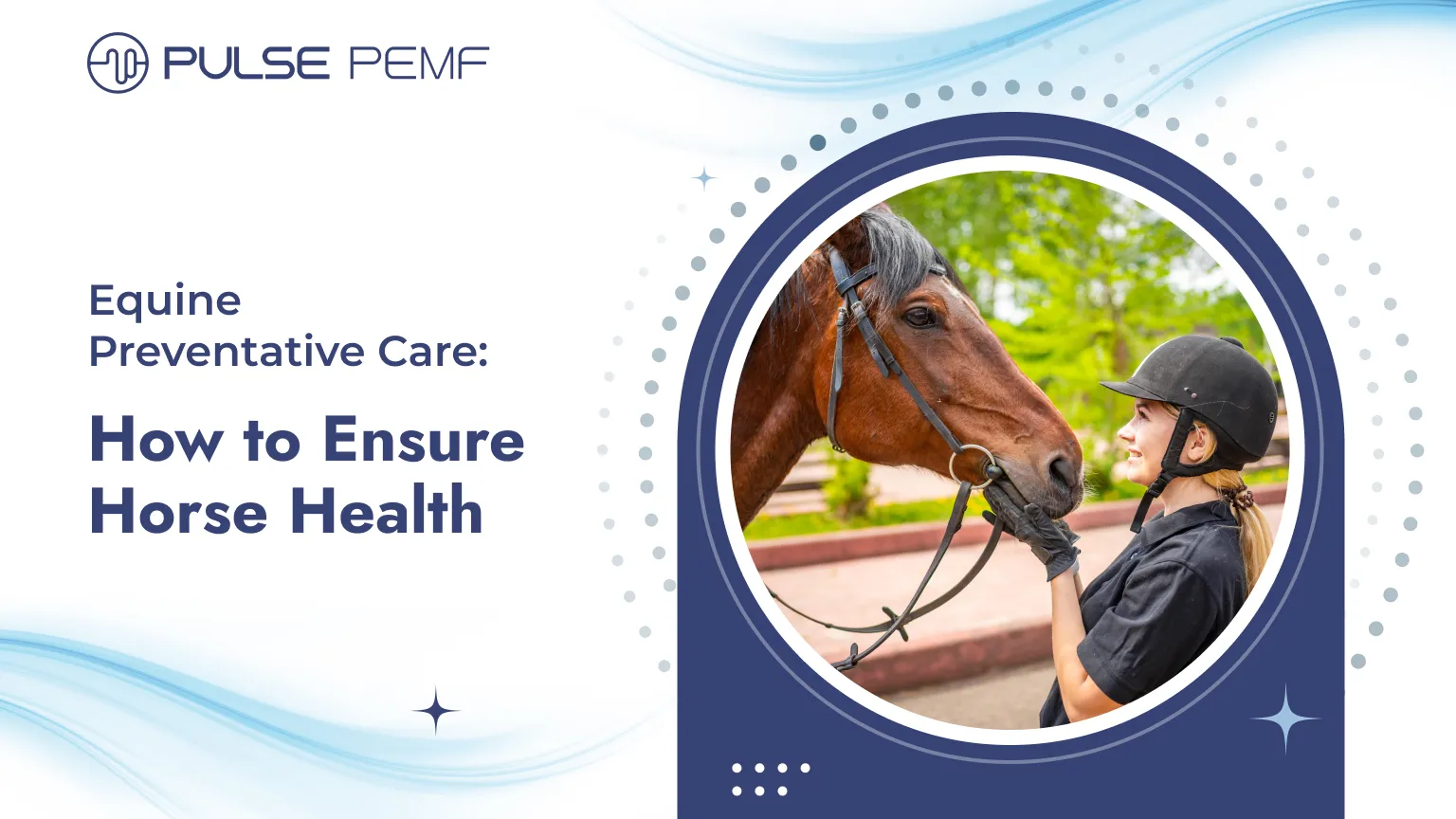
Understanding FEI Equine Standards and Their Impact on Horse Health
The FEI (Fédération Équestre Internationale) equine standards represent a global framework of veterinary regulations, biosecurity protocols, and medication controls designed to safeguard horse welfare. For horse health, this means a ri...
The FEI (Fédération Équestre Internationale) equine standards represent a global framework of veterinary regulations, biosecurity protocols, and medication controls designed to safeguard horse welfare. For horse health, this means a rigorous, science-based approach to monitoring fitness, preventing disease transmission, and ensuring that horses compete only when physically and mentally capable.
Contents
The FEI is the international governing body for equestrian sports, covering disciplines such as jumping, dressage, eventing, and endurance. While its primary role is to regulate competition, its impact on horse health extends far beyond the arena. By adhering to FEI standards in 2026, owners and veterinarians commit to a high-level care regimen that prioritizes the biological needs of the animal over competitive success.
The Role of the FEI in Equine Welfare
At the heart of the FEI’s mission is the Code of Conduct on the Welfare of the Horse. This document establishes that the welfare of the horse must be the paramount consideration and must never be subordinated to competitive or commercial influences. For the health of the horse, this translates into specific, enforceable rules regarding housing, nutrition, training methods, and surgical interventions.
In 2026, the FEI continues to refine these standards to reflect modern veterinary science. This includes strict oversight of training techniques to prevent physical or psychological distress. For example, the use of equipment that may cause pain or the implementation of hyperflexion (low, deep, and round) is heavily scrutinized and regulated. By setting these boundaries, the FEI ensures that the horse's musculoskeletal system and mental state are protected from the long-term damage associated with abusive training practices.
Veterinary Regulations: The Framework of Health Monitoring
The FEI Veterinary Regulations (VRs) are the operational backbone of equine health at international events. These regulations dictate how a horse must be managed from the moment it arrives at a venue until it departs. The goal is twofold: to ensure the horse is "fit to compete" and to maintain a secure environment for all animals present.
The Horse Inspection (Trot-Up)
One of the most visible manifestations of FEI health standards is the Horse Inspection. Conducted by a panel including a veterinarian and a technical delegate, the inspection requires the horse to be trotted on a firm, level surface. The panel looks for gait symmetry, alertness, and general physical condition. This process is a critical health screen; if a horse shows signs of lameness or exhaustion, it is removed from competition. This preventative measure ensures that minor issues do not escalate into catastrophic injuries during the high stress of a performance.
Mandatory Health Documentation
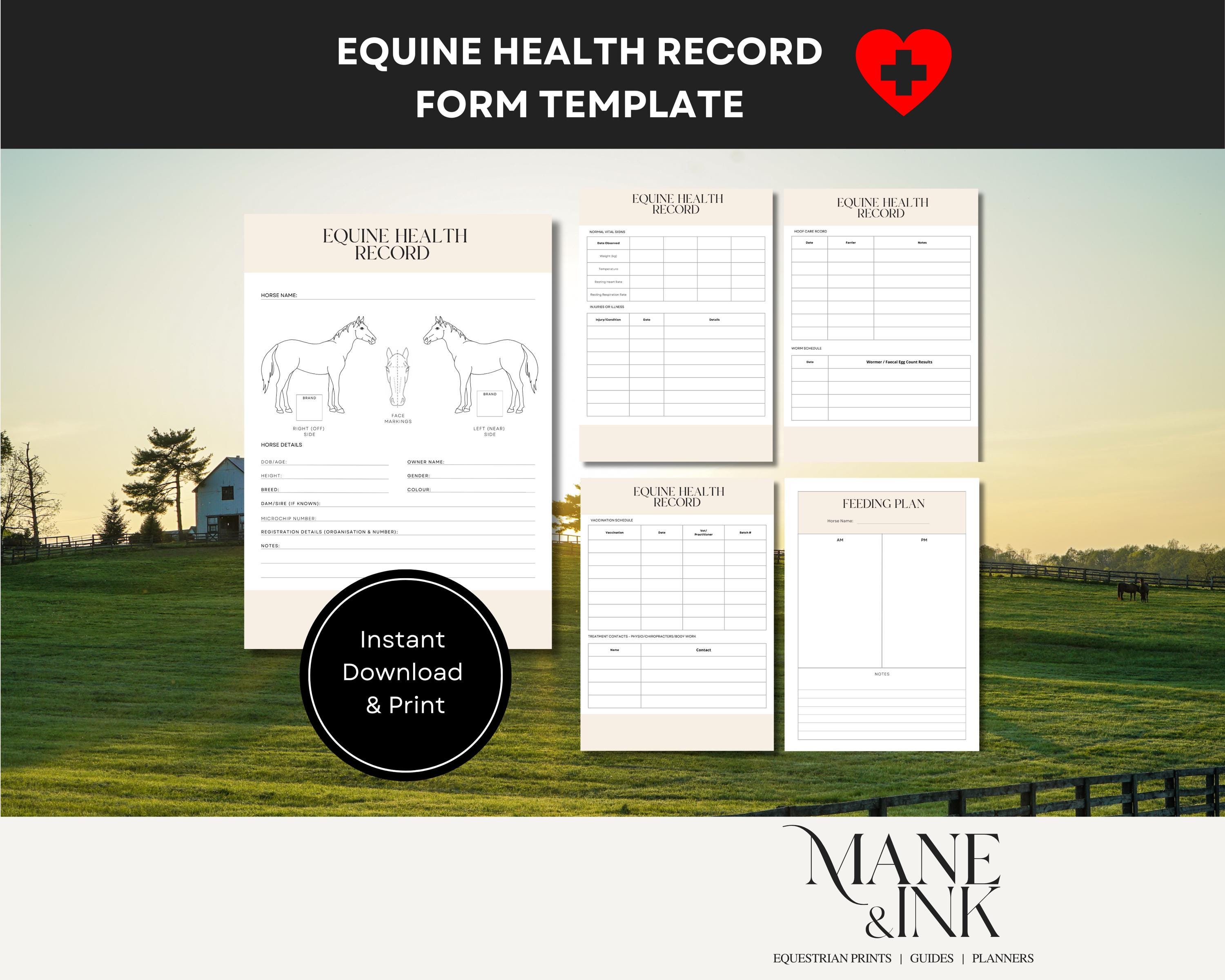
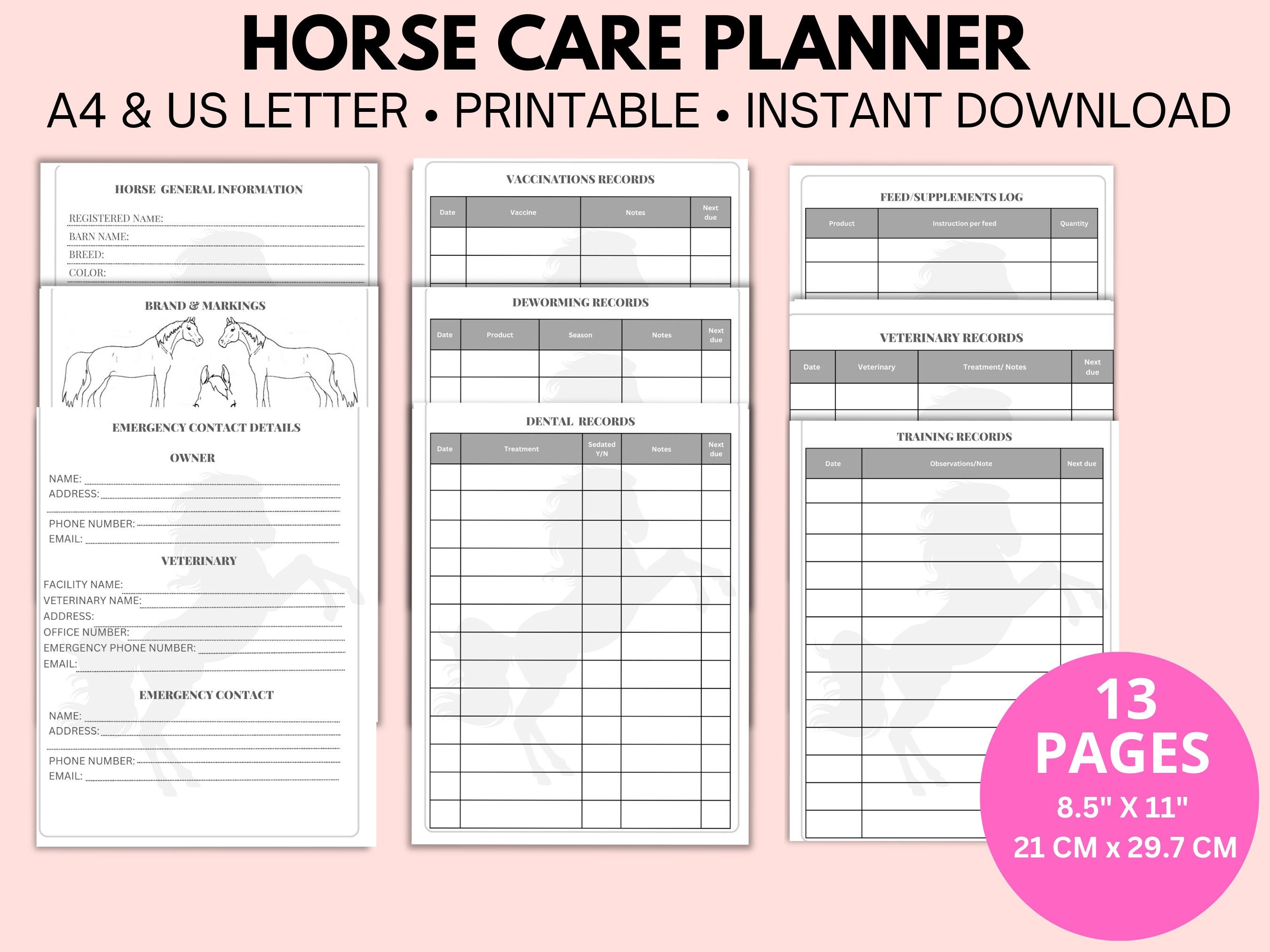
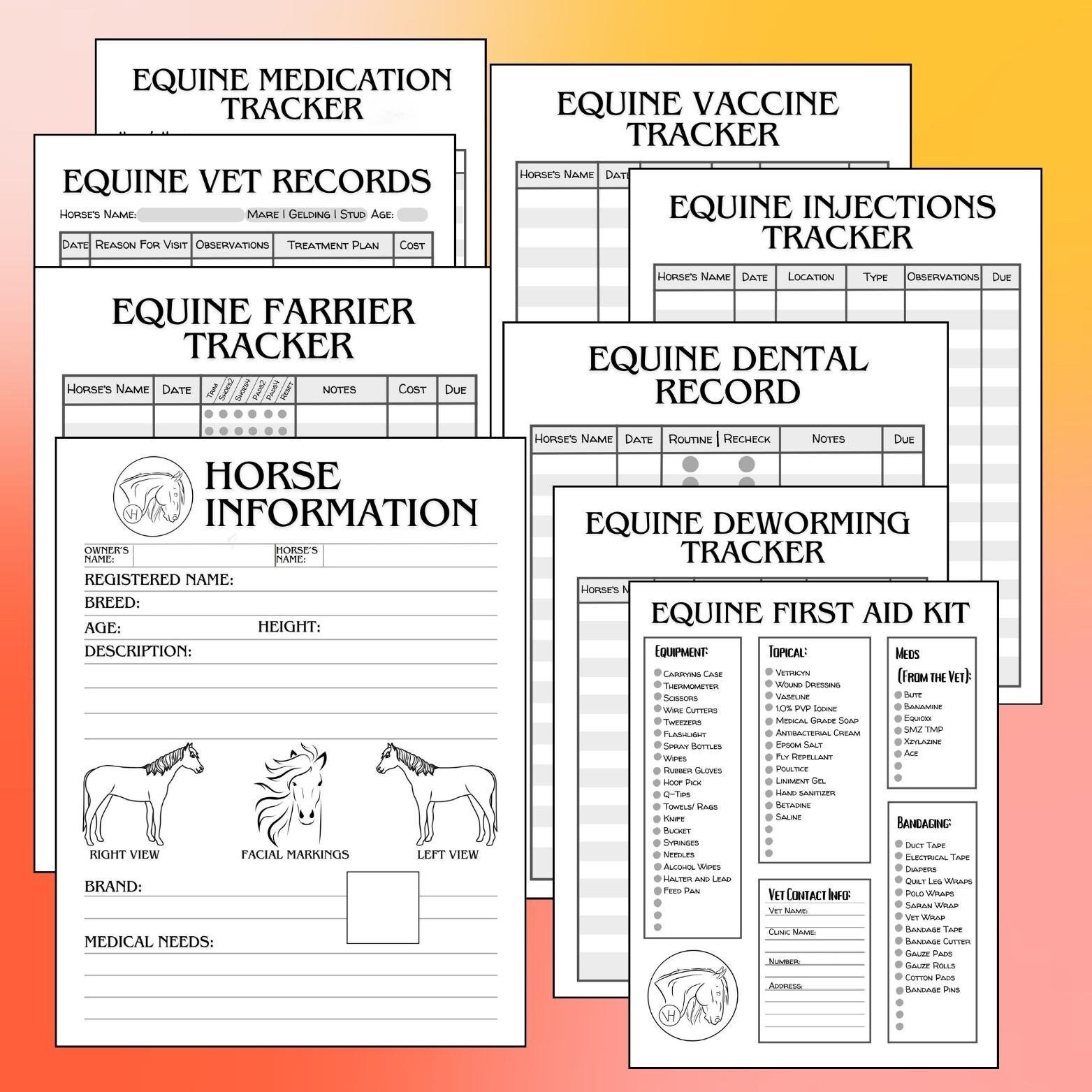
Every FEI-registered horse must possess an official FEI Passport or a recognition card. This document serves as a comprehensive medical record, detailing the horse’s identity, microchip number, and vaccination history. In 2026, this system is more integrated than ever, allowing veterinarians to track a horse’s health trajectory across different countries and events, ensuring continuity of care.
Biosecurity and Disease Prevention
In an era of global horse movement, biosecurity is perhaps the most critical aspect of what FEI means for horse health. Infectious diseases like Equine Herpesvirus (EHV-1) and Equine Influenza can devastate populations if not managed. The FEI mandates a strict biosecurity protocol that all participants must follow.
The FEI Horse App and Temperature Tracking
A significant advancement in 2026 is the mandatory use of the FEI Horse App for health monitoring. Owners and grooms are required to record the horse’s rectal temperature twice daily for at least three days before arriving at an event and throughout the duration of the show. This data is uploaded to a centralized system, allowing officials to identify potential fever outbreaks before they spread.
Vaccination Protocols
The FEI maintains strict vaccination requirements, particularly for Equine Influenza. Horses must receive boosters at specific intervals (usually every six months plus 21 days, but no closer than seven days to an event). These intervals are chosen based on the duration of immunity provided by modern vaccines, ensuring that the equine population at any given event has a high level of "herd immunity."
| Requirement | 2026 Standard | Health Benefit |
|---|---|---|
| Influenza Vaccination | Every 6 months (± 21 days) | Prevents respiratory outbreaks and secondary pneumonia. |
| Temperature Monitoring | Twice daily via FEI Horse App | Early detection of viral or bacterial infections. |
| Microchipping | Mandatory for all registrations | Ensures accurate identification and medical history tracking. |
| EHV-1 Protocols | Mandatory reporting and stabling hygiene | Limits the spread of neurological and respiratory Herpesvirus. |
| Stabling Standards | Minimum size and ventilation rules | Reduces stress and prevents respiratory irritation from dust. |
Anti-Doping and Controlled Medication (EADCMR)
The Equine Anti-Doping and Controlled Medication Regulations (EADCMR) are often discussed in the context of fairness, but their primary purpose is health. The "Clean Sport" initiative ensures that horses are not competing under the influence of substances that could mask pain or alter their natural performance.
Banned Substances vs. Controlled Medications
The FEI distinguishes between Banned Substances, which have no legitimate use in equine medicine (such as anabolic steroids), and Controlled Medications, which are therapeutic but must not be present in the horse's system during competition (such as certain anti-inflammatories).
For horse health, this means that if a horse is sick or injured and requires medication, it must be allowed to recover fully until the medication has cleared its system. This prevents "masking" an injury, where a horse might feel no pain due to a drug but continues to suffer structural damage to its joints or tendons because it cannot sense the need to protect the limb.
The Testing Process
Random and targeted testing at events involves blood and urine samples. In 2026, testing technology has reached a level of sensitivity where even minute traces of contaminants can be detected. This high bar for compliance encourages trainers and owners to maintain meticulous records of everything the horse consumes, from supplements to feed, promoting a cleaner, more natural approach to equine management.
Managing Environmental Stress and Heat
As global temperatures fluctuate, the FEI has implemented rigorous protocols for managing heat and humidity, particularly in disciplines like endurance and eventing. The use of the Wet Bulb Globe Temperature (WBGT) index is standard in 2026 to determine if conditions are safe for competition.
When the WBGT index reaches a certain threshold, the FEI mandates specific health interventions:
- Cooling Stations: Mandatory "ice and water" stations at various points in a course.
- Compulsory Breaks: Extending rest periods between phases to allow heart rates and core temperatures to return to baseline.
- Shadowing by Veterinarians: High-level events often employ "roving" veterinarians who monitor horses for signs of heatstroke or metabolic distress in real-time.
These measures ensure that a horse's thermoregulatory system is not pushed beyond its biological limits, preventing multi-organ failure or laminitis associated with extreme heat stress.
Tack, Equipment, and Physical Integrity
FEI rules also extend to the very gear a horse wears. Every piece of tack—from the bit in the mouth to the boots on the legs—is regulated to prevent physical harm.
- Noseband Tightness: In 2026, the FEI uses a standardized measuring tool to ensure nosebands are not too tight, which can cause nerve damage and restrict breathing.
- Bit Regulations: Only approved materials and shapes are allowed to prevent lacerations or excessive pressure on the tongue and bars of the mouth.
- Spur and Whip Rules: Strict limitations on how these aids are used, with immediate disqualification for any marks or broken skin, ensure that the horse is treated with dignity and physical respect.
Practical Guidance for Owners and Riders
Complying with FEI standards requires a proactive approach to horse management. To ensure a horse meets these health requirements, owners should:
- Work with an FEI-Listed Veterinarian: These professionals are familiar with the specific reporting requirements and the latest updates to the prohibited substances list.
- Maintain a Digital Health Diary: Use the FEI Horse App diligently, even when not at a competition, to establish a baseline for your horse's normal vital signs.
- Audit Your Stable Pharmacy: Ensure no banned substances are stored in a way that could lead to accidental cross-contamination.
- Prioritize Recovery: FEI rules on "Rest Periods" should be viewed as a minimum. Healthy horses require periodization in their training to allow for tissue repair.
Frequently Asked Questions
What happens if a horse fails a "trot-up" at an FEI event?
If a horse is deemed "unfit to compete" during the initial inspection, it may be sent to a "holding box" where a second veterinarian performs a more detailed clinical exam. If the horse is still considered lame or distressed, it is officially withdrawn from the competition. This is a protective measure to prevent the horse from sustaining a more severe injury during the event.
Can I give my horse supplements under FEI rules?
Yes, but with extreme caution. Many supplements are not regulated as strictly as medications and may contain "prohibited substances" not listed on the label. The FEI advises using supplements from reputable manufacturers who provide batch-testing certificates. Ultimately, the rider is responsible for any substance found in the horse's system.
How does the FEI handle infectious disease outbreaks?
If a horse tests positive for a contagious disease (like EHV-1) at a venue, the FEI initiates an emergency protocol. This includes immediate isolation of the affected horse, "locking down" the venue to prevent movement, and tracing all horses that may have been in contact. In 2026, the digital tracking via the FEI Horse App allows for rapid communication and containment.
Are the rules different for different disciplines?
While the General Regulations and Veterinary Regulations apply to all, specific disciplines have additional health rules. For example, Endurance horses have mandatory veterinary gates every few kilometers to check heart rate and metabolic recovery, whereas Dressage focuses heavily on the "two-finger rule" for noseband tightness.
Why is the 6-month flu vaccination required?
Scientific studies have shown that the protective antibody levels for Equine Influenza drop significantly after six months in many horses. Because international competitions bring together horses from diverse regions, the six-month booster ensures that every horse has the highest possible level of protection, minimizing the risk of a mass outbreak.
Practical Recommendation
To successfully navigate FEI health requirements, transition your horse’s management to a compliance-first model at least three months before your first planned international event. This includes validating your horse’s microchip, updating the FEI Horse App daily to build a data history, and consulting with a specialized equine nutritionist to vet all supplements. By integrating these standards into your daily routine, you not only ensure eligibility for competition but also adopt a gold standard of care that promotes the long-term longevity and well-being of your horse.
For the most current list of prohibited substances and specific 2026 veterinary updates, consult the FEI Clean Sport Database and the official FEI Veterinary Regulations.
Image Gallery