Inherited Paid-Up Life Insurance Taxable Considerations: A Comprehensive Guide
When you inherit a paid-up life insurance policy, the tax implications are generally favorable due to the "death benefit exclusion." In most cases, the proceeds received by a beneficiary upon the death of the insured are entirely incom...
When you inherit a paid-up life insurance policy, the tax implications are generally favorable due to the "death benefit exclusion." In most cases, the proceeds received by a beneficiary upon the death of the insured are entirely income tax-free. However, the situation becomes more nuanced if you are the owner of a policy that has been "paid up" (where no further premiums are due) and you are navigating the transition of ownership, potential cash value growth, or the eventual payout of the death benefit.
Contents
Understanding Paid-Up Life Insurance
A "paid-up" life insurance policy is a permanent life insurance contract, such as whole life, where the policyholder has satisfied all premium payment obligations. This typically happens in one of two ways: either the policy reached the end of its scheduled premium payment period (e.g., a "20-pay" policy) or the policyholder utilized dividends or cash value to satisfy the premiums ahead of schedule.
Because the policy is paid up, it continues to provide coverage and, in many cases, may continue to accrue cash value or pay dividends. When you inherit such a policy, you are inheriting an asset that carries both a future death benefit and an existing cash surrender value.
Federal Income Tax Treatment of Death Benefits
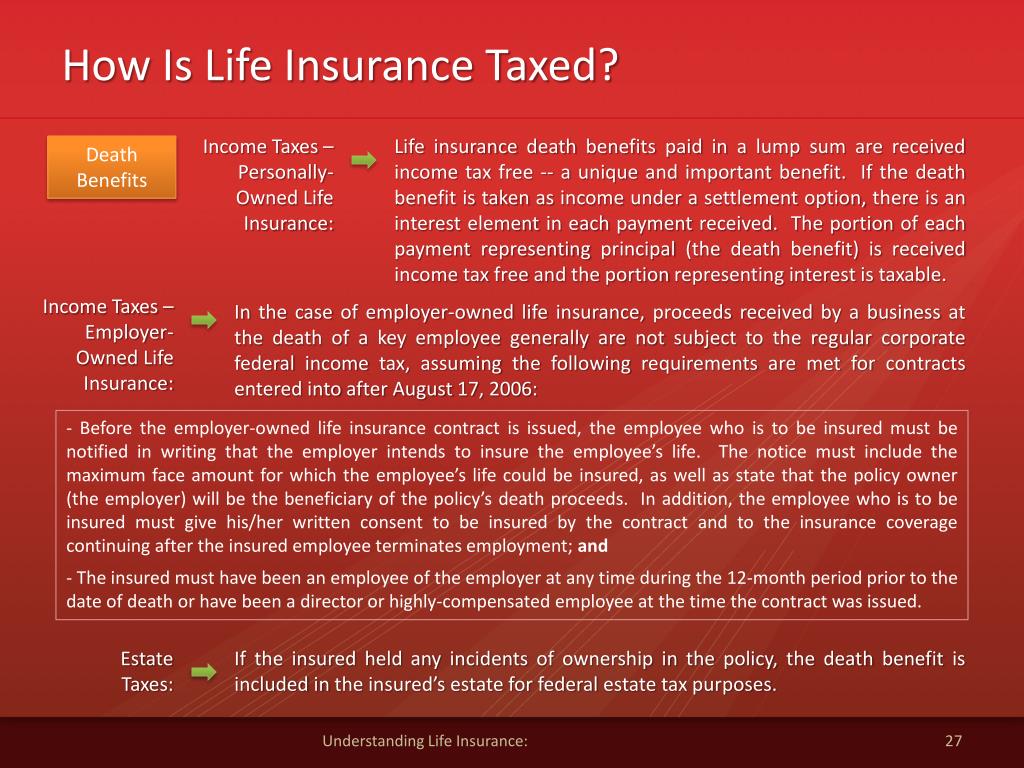
Under Internal Revenue Code (IRC) Section 101(a), life insurance proceeds paid to a beneficiary by reason of the death of the insured are generally excluded from the beneficiary’s gross income. This rule applies regardless of whether the policy was paid up or if premiums were still being paid at the time of death.
However, there is a critical exception known as the "Transfer-for-Value" Rule. If a life insurance policy is transferred to another person for "valuable consideration" (money or something of financial value), the income tax exclusion may be lost. When you inherit a policy through a bequest in a will or as a named beneficiary of a trust or policy, this is generally considered a transfer by gift or inheritance, not for value. Therefore, the transfer-for-value rule usually does not apply to heirs, and the death benefit remains income tax-free.
The Impact of Cash Value and Policy Gains
While the death benefit itself is typically tax-exempt, other financial components of an inherited paid-up policy require careful management:
- Inside Build-up: Permanent life insurance policies grow in cash value on a tax-deferred basis. If you, as the new owner, decide to surrender the policy for its cash value while the insured is still living, you may owe income tax.
- Taxable Gain calculation: If you surrender the policy, you are taxed on the difference between the cash surrender value and your "basis" in the policy. Your basis is generally the total premiums paid into the policy. Because you inherited the policy, your basis is typically the same as the original owner's basis (carryover basis). If the cash value exceeds this basis, that gain is subject to ordinary income tax.
- Dividends: If the paid-up policy generates dividends, these are generally treated as a return of premium. They are usually not taxable until the total dividends received exceed the total premiums paid into the policy.
Estate Tax Considerations
While the proceeds may be income tax-free, they may not be exempt from federal estate taxes. If the deceased insured retained "incidents of ownership" in the policy at the time of their death—such as the right to change beneficiaries, borrow against the cash value, or surrender the policy—the value of the policy is included in their gross estate.
As of 2026, the federal estate tax exemption is quite high; however, for estates exceeding these thresholds, the inclusion of a significant life insurance death benefit could push the estate into a taxable position. If the policy is owned by an Irrevocable Life Insurance Trust (ILIT), the proceeds are often removed from the insured’s taxable estate, provided certain procedural requirements were met during the policy's lifetime.
Summary of Tax Implications by Action
| Action | Tax Treatment |
|---|---|
| Receiving Death Benefit | Generally income tax-free under IRC 101(a). |
| Surrendering Policy for Cash | Taxable to the extent cash value exceeds premium basis. |
| Policy Loans | Generally tax-free as long as the policy remains in force. |
| Transferring Ownership | Tax-free if done via inheritance or gift; potential tax if "for value." |
| Estate Inclusion | Taxable if insured held incidents of ownership at death. |
Navigating Potential Pitfalls
1. The Transfer-for-Value Trap
If you inherit a policy and then sell it to a third party or a life settlement company, you trigger the transfer-for-value rule. In this scenario, the death benefit in excess of the amount you paid for the policy (plus any subsequent premiums paid) becomes taxable as ordinary income. Always verify the history of the policy transfer before making ownership changes.
2. Policy Loans
If the deceased took out loans against the policy's cash value, those loans remain attached to the policy. If the policy lapses or is surrendered while a loan is outstanding, the IRS may treat the "forgiven" loan amount as taxable income, creating a phantom tax bill for the owner.
3. State-Level Variations
While federal law governs income tax exclusions for death benefits, state laws vary regarding estate and inheritance taxes. Some states have lower thresholds for estate taxation or specific inheritance taxes that apply to insurance proceeds. Consult with a local tax professional or estate attorney in the jurisdiction where the deceased resided.
Common Questions Regarding Inherited Insurance
Are there tax forms I need to file when I receive the death benefit? Generally, you do not report the death benefit as income on your personal tax return (Form 1040). However, the insurance company will report the payout to the IRS, and you may receive an informational statement. If the policy was held in a trust, the trustee may have specific filing requirements.
What happens if the policy has an "outstanding loan"? An outstanding loan reduces the net death benefit paid to you. It does not create a tax liability unless the policy terminates while the loan is unpaid, which could trigger a "taxable gain" event based on the total cash value versus your basis.
Should I keep the policy or surrender it? This is a financial planning decision, not just a tax one. Consider the current cash surrender value, the remaining death benefit, the financial stability of the insurance carrier, and whether you have a need for the life insurance coverage. If you do not need the coverage, compare the surrender value against the potential growth of other investment vehicles.
How is the "basis" of an inherited policy determined? The basis is generally the sum of all premiums paid into the policy by the original owner. You should request a "cost basis report" from the insurance company to confirm this amount, as it is crucial for calculating any potential gain if you choose to surrender the policy later.
Recommendations for Next Actions
- Request a Policy Illustration: Contact the insurance company immediately to request an "in-force illustration." This document provides a snapshot of the policy’s current status, the death benefit, the current cash value, any outstanding loans, and the projected performance of the policy.
- Verify Ownership Records: Ensure that the change of ownership (beneficiary designation or policy ownership) is formally recorded with the insurer.
- Review Estate Documents: Check the deceased’s will or trust documents to confirm how the policy was intended to be distributed.
- Consult a Professional: Given the complexity of insurance tax laws, consult with a Certified Public Accountant (CPA) or a tax attorney, especially if the policy has a significant cash value or if the estate is subject to federal or state estate taxes.
Disclaimer: This information is provided for educational purposes and does not constitute legal or financial advice. Tax laws are subject to change and depend on individual circumstances. Always seek guidance from a qualified professional regarding your specific financial situation.
Image Gallery