Why Sesame Street: The Furchester Hotel Matters
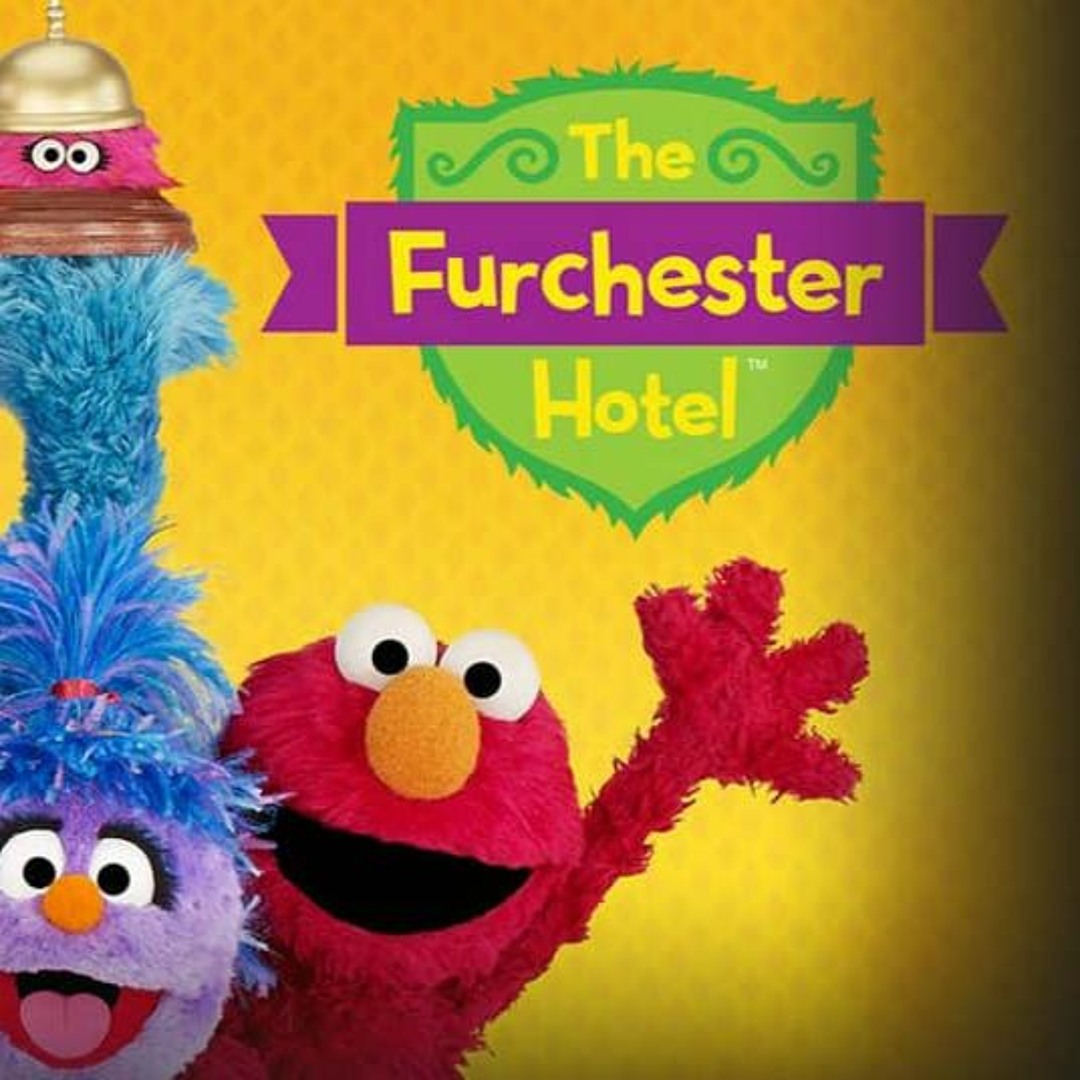
The Furchester Hotel matters because it provides a specialized curriculum focused on creative problem-solving and emotional resilience for preschoolers. By blending the iconic Sesame Street pedagogy with a British sitcom sensibility, i...
The Furchester Hotel matters because it provides a specialized curriculum focused on creative problem-solving and emotional resilience for preschoolers. By blending the iconic Sesame Street pedagogy with a British sitcom sensibility, it teaches children to approach obstacles with persistence, adaptability, and the core mantra of "don't give up" when faced with frustration.
Contents
The Evolution of the Sesame Workshop Pedagogy
For over five decades, Sesame Street has been the gold standard for educational media. However, The Furchester Hotel, a co-production between Sesame Workshop and the BBC’s CBeebies, represents a significant evolution in how early childhood concepts are delivered. While the flagship show often focuses on literacy, numeracy, and general social-emotional skills, The Furchester Hotel was designed with a much narrower, deeper focus: executive function and cognitive flexibility.
In the context of 2026, educational experts continue to point toward the "resilience gap" in early learners. The Furchester Hotel addresses this by placing beloved characters like Elmo and Cookie Monster in a chaotic, high-stakes environment—a "half-star" hotel. Unlike the more structured world of Sesame Street, the hotel setting provides a constant stream of "problems" in the form of eccentric guests and mechanical failures. This allows the show to model a specific three-step process: identifying the problem, brainstorming solutions, and persisting through failure.
The "Don't Give Up" Philosophy as a Developmental Tool
At the heart of why this series matters is its musical and narrative focus on persistence. The "Don't Give Up" song, which appears in various forms throughout the series, is more than just a catchy jingle; it is a psychological anchor.
Developing Grit in Early Childhood
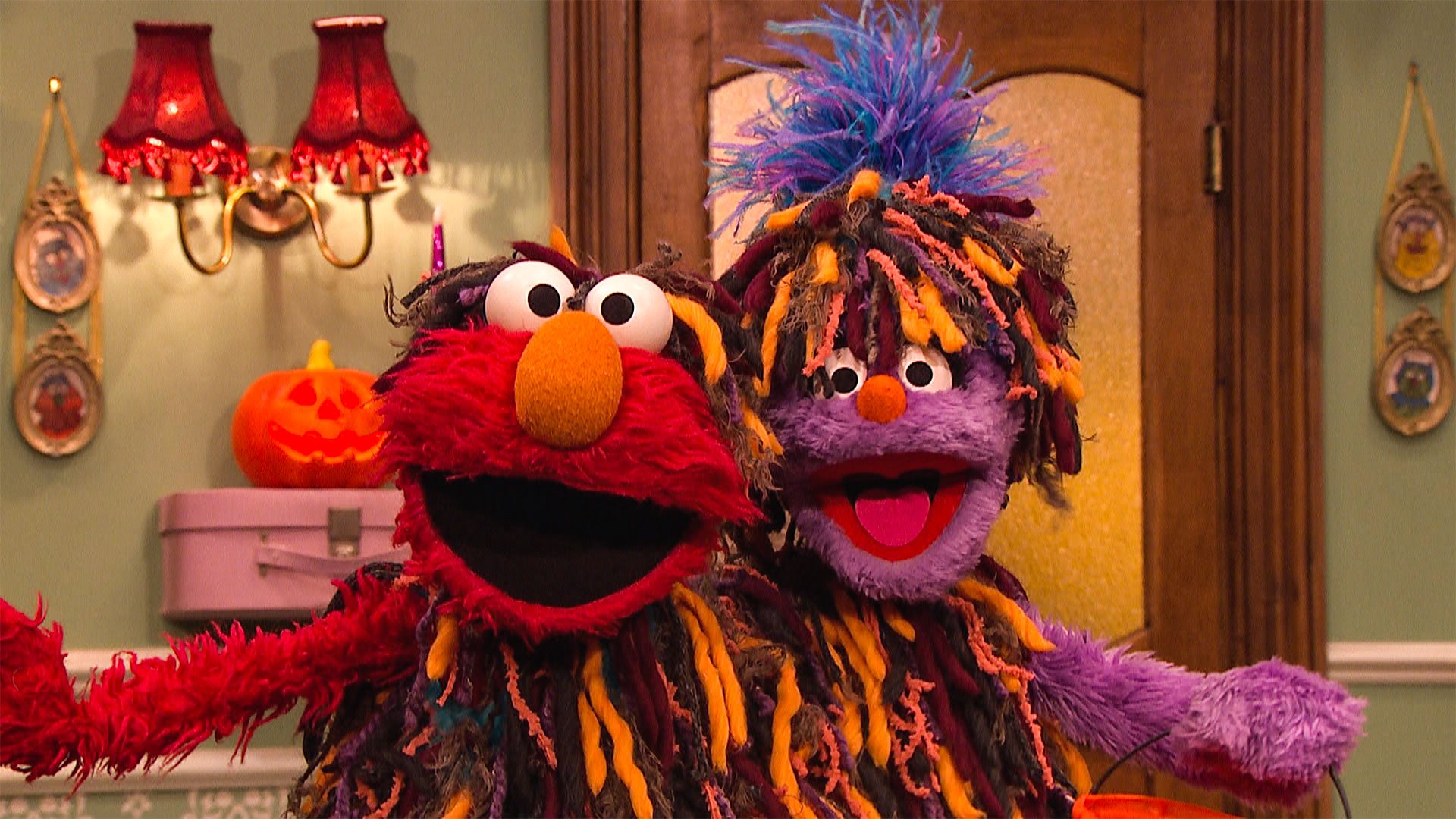
Preschoolers often struggle with "frustration intolerance." When a block tower falls or a puzzle piece doesn't fit, the immediate emotional response is often to quit. The Furchester Hotel uses its characters—specifically Phoebe and Elmo—to model the frustration process. They fail frequently. They try things that don't work. By showing Muppets who are visibly frustrated but choose to try "one more time," the show normalizes failure as a necessary step toward success.
Cognitive Flexibility and Strategy
The series introduces the "Furchester Plan," a strategic approach to problem-solving. This teaches children that a problem isn't just something to be upset about; it is something to be analyzed. By 2026 standards, this type of "computational thinking" is considered a prerequisite for later STEM success. The show encourages viewers to look at a situation from multiple angles, which is the definition of cognitive flexibility.
Cultural Significance: The British-American Bridge
The Furchester Hotel is a landmark in international media co-production. Historically, Sesame Street has created local "co-productions" in dozens of countries (like Takalani Sesame in South Africa or Galli Galli Sim Sim in India). However, the partnership with the BBC was unique because it brought the American "Sesame" style into the tradition of British ensemble comedy.
This matters because it exposed a global audience to different comedic timing and character archetypes. The Furchester-Fuzz family—Funella, Furgus, and Phoebe—represents a classic British "faulty" service industry trope, softened for a younger audience. This cross-cultural exchange helps children develop an "ear" for different accents and a sense of a wider world beyond their immediate neighborhood, all while maintaining the safety and familiarity of Elmo’s presence.
Character Analysis: Why the New Muppets Matter
While Elmo and Cookie Monster are the "hooks" that bring children to the screen, the new characters created for The Furchester Hotel provide the actual educational heavy lifting.
- Phoebe Furchester-Fuzz: As the seven-year-old monster who often solves the problems, Phoebe is a critical role model for young girls. She is intelligent, proactive, and technically minded. She often leads the "strategy" sessions, showing that children have the agency to solve "adult-sized" problems.
- Funella Furchester: The matriarch of the hotel represents boundless enthusiasm and hospitality. Her character teaches the importance of "welcoming the stranger," a core tenet of social inclusivity.
- Furgus Fuzz: Furgus is the "fix-it" man who often makes things worse before he makes them better. His character is essential for showing that even adults (or "monster-adults") don't have all the answers and must also practice persistence.
- Cookie Monster as Waiter: Placing Cookie Monster in a service role is a brilliant exercise in teaching impulse control. As a waiter, he must resist the urge to eat the guests' food (often unsuccessfully), which provides a comedic but relatable look at the struggle for self-regulation.
Comparison: The Furchester Hotel vs. Sesame Street
To understand why this specific series matters, it is helpful to look at how it differs from the flagship program.
| Feature | Sesame Street (Flagship) | The Furchester Hotel |
|---|---|---|
| Primary Curriculum | Literacy, Math, Social Skills | Problem-Solving, Persistence |
| Setting | An urban neighborhood | A chaotic hotel |
| Narrative Structure | Magazine style (varied segments) | Sitcom style (linear narrative) |
| Target Age | 2–5 years | 3–6 years (slightly higher cognitive load) |
| Core Conflict | Learning about the world | Managing unexpected challenges |
| Character Focus | Large ensemble | Tight-knit family unit |
Executive Function and the Science of "The Hotel"
In the field of developmental psychology, "executive function" refers to the mental processes that enable us to plan, focus attention, remember instructions, and juggle multiple tasks successfully. In 2026, educational researchers frequently cite The Furchester Hotel as an ideal media example of executive function training.
The hotel setting is a "closed system" that mimics the complexities of real life. Every guest brings a new variable—a giant who needs a bed, a penguin who needs a cold room, or a porcupine who keeps popping balls. The characters must use their "working memory" to remember the guest's needs, apply "inhibitory control" to stay calm, and use "cognitive flexibility" to change their plan when the first attempt fails. This repetition of the "Problem -> Strategy -> Trial -> Failure -> New Strategy -> Success" loop is what builds the neural pathways associated with resilience.
Why it Still Matters in 2026
Even though the original production of The Furchester Hotel concluded its primary run several years ago, its relevance has only increased. In a media landscape often dominated by fast-paced, "bright-and-loud" content that can actually decrease attention spans, The Furchester Hotel maintains a steady, narrative-driven pace.
It remains a top-tier recommendation for parents and educators because it doesn't just entertain; it provides a toolkit. When a child in 2026 encounters a difficult task, a parent saying "Remember the Furchester Plan?" or "What would Phoebe do?" provides a concrete reference point for emotional regulation. The show’s availability on global streaming platforms ensures that its message of "creative incompetence turned into eventual competence" continues to reach new generations of learners.
FAQ: Understanding the Impact of The Furchester Hotel
Is The Furchester Hotel canon to Sesame Street?
Yes. The series is a direct spin-off. Elmo is established as being on an extended visit to his British cousins, the Furchester-Fuzz family. This connection helps children transition from the familiar environment of Sesame Street to the more complex problem-solving scenarios of the hotel.
How does the show teach "creative" problem solving?
Unlike shows that provide a single "right" answer, The Furchester Hotel often features the characters trying absurd or "silly" solutions first. This encourages divergent thinking—the ability to think of many possible solutions to a problem—which is a hallmark of creative intelligence.
Is the show appropriate for children with sensory sensitivities?
Generally, yes. While the hotel can be "chaotic," the show follows a very predictable structure. Each episode features the same "Catastrophe" alarm and the same "Don't Give Up" song, which provides a sense of routine and safety for children who thrive on predictability.
Why is Cookie Monster a waiter in this series?
This was a deliberate choice by the producers to teach impulse control. By placing a character known for "uncontrolled eating" in a position where he must serve food to others, the show creates "teachable moments" about delayed gratification and professional responsibility, albeit in a humorous Muppet context.
Where can I watch The Furchester Hotel in 2026?
As of 2026, the series remains available on major streaming platforms including Max (formerly HBO Max) in the United States, BBC iPlayer in the United Kingdom, and the Sesame Street YouTube channel globally. Many local public broadcasting stations also carry the program as part of their educational block.
Practical Recommendation for Parents and Educators
To get the most value out of The Furchester Hotel, use the "Don't Give Up" philosophy during real-world play. When a child becomes frustrated with a toy or a task, instead of solving the problem for them, ask them to come up with a "Furchester Plan."
- Identify: What is the one thing making this hard?
- Strategize: What are two different ways we could try to fix it?
- Persist: If the first way doesn't work, we sing the song and try the second way.
By bridging the gap between the screen and real-life challenges, The Furchester Hotel moves from being "just a show" to a foundational piece of a child's emotional and cognitive development.
Image Gallery