How Many People Die From Skin Cancer? Global and Regional Statistics for 2026
Every year, approximately 120,000 to 130,000 people worldwide die from various forms of skin cancer. While melanoma is responsible for the majority of these fatalities—averaging around 60,000 deaths annually—non-melanoma skin cancers,...
Every year, approximately 120,000 to 130,000 people worldwide die from various forms of skin cancer. While melanoma is responsible for the majority of these fatalities—averaging around 60,000 deaths annually—non-melanoma skin cancers, particularly squamous cell carcinoma, contribute significantly to mortality rates in aging populations and immunocompromised individuals.
Contents
Understanding the Landscape of Skin Cancer Mortality
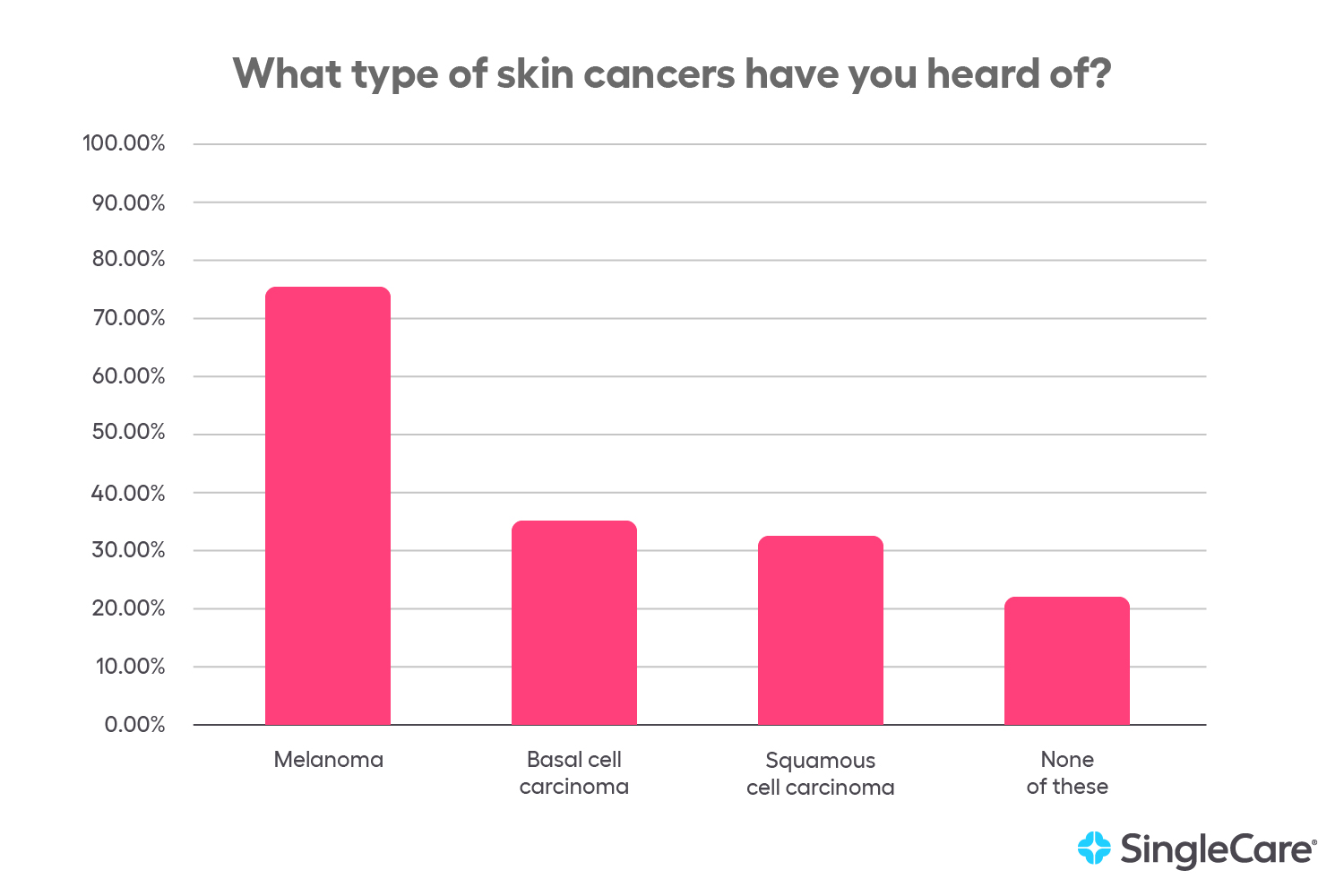
Skin cancer is the most common form of cancer globally, but its mortality rate is disproportionately lower than its incidence rate when compared to other malignancies like lung or pancreatic cancer. However, the sheer volume of cases means that the total number of deaths remains a significant public health concern. To understand how many people die from skin cancer, one must first distinguish between the primary types: melanoma and non-melanoma skin cancer (NMSC).
Melanoma is the most aggressive form. It originates in the melanocytes, the cells responsible for skin pigment. Although it accounts for only about 1% of all skin cancer cases, it historically accounts for the vast majority of skin cancer deaths. In 2026, survival rates for melanoma continue to improve due to breakthroughs in immunotherapy, but late-stage diagnosis remains frequently fatal.
Non-Melanoma Skin Cancer (NMSC) primarily includes Basal Cell Carcinoma (BCC) and Squamous Cell Carcinoma (SCC). BCC is the most common cancer in humans and is rarely fatal because it grows slowly and seldom spreads. SCC is more aggressive than BCC; if left untreated, it can metastasize to lymph nodes and internal organs, leading to death. In recent years, data has shown that the total number of deaths from SCC in certain populations can approach or even exceed those from melanoma, particularly among the elderly.
Global Mortality Trends and Statistics
As of 2026, the World Health Organization (WHO) and the International Agency for Research on Cancer (IARC) report a steady rise in skin cancer incidence, though mortality rates have begun to stabilize or decline in regions with advanced healthcare infrastructure.
Globally, the distribution of deaths is not uniform. Countries with high UV indexes and large populations of fair-skinned individuals, such as Australia and New Zealand, have historically seen the highest mortality rates per capita. However, robust public health campaigns and frequent screenings in these nations have led to earlier detection and better outcomes.
In contrast, mortality rates are often higher than expected in regions with limited access to dermatological care. In parts of Asia and Africa, skin cancers like acral lentiginous melanoma (which appears on the palms, soles, or under nails) are often diagnosed at a much later stage. Furthermore, individuals with albinism in sub-Saharan Africa face an extraordinarily high risk of fatal SCC due to extreme UV sensitivity and lack of protective resources.
The Role of Socioeconomic Factors
Mortality is closely tied to the "Stage at Diagnosis." In high-income countries, approximately 80-90% of melanomas are caught at a localized stage where the 5-year survival rate exceeds 95%. In lower-income regions, patients often present with Stage III or IV disease, where the cancer has already spread (metastasized). Once melanoma reaches distant organs like the brain, lungs, or liver, the mortality risk increases exponentially.
United States Skin Cancer Death Toll
In the United States, the American Cancer Society and the CDC provide updated figures for 2026. It is estimated that approximately 8,000 to 9,000 people will die from melanoma this year. When including deaths from SCC and other rare skin cancers like Merkel Cell Carcinoma, the total annual death toll in the U.S. typically fluctuates between 10,000 and 12,000.
Demographic Disparities in the U.S.
Statistically, men are more likely to die from skin cancer than women. This disparity is often attributed to several factors:
- Behavioral Differences: Men are historically less likely to use sunscreen or seek medical advice for a changing mole.
- Occupational Exposure: Men are more likely to work in outdoor industries (construction, agriculture) with prolonged UV exposure.
- Biological Factors: Some research suggests that male skin may be more susceptible to UV-induced damage and less efficient at DNA repair compared to female skin.
Age is the other primary factor. The median age for a skin cancer death is roughly 71. As the "Baby Boomer" generation ages, the medical community is seeing a higher volume of advanced SCC cases in patients who have cumulative sun damage from decades of exposure prior to the widespread use of modern sunscreens.
Mortality Comparison by Type and Stage
The following table outlines the estimated 5-year survival rates and mortality characteristics for the most common types of skin cancer as of 2026.
| Cancer Type | Est. Global Annual Deaths | 5-Year Survival (Localized) | 5-Year Survival (Distant/Metastatic) | Primary Cause of Death |
|---|---|---|---|---|
| Melanoma | 58,000 - 65,000 | >99% | 30% - 35% | Metastasis to vital organs (Brain/Lungs) |
| Squamous Cell (SCC) | 50,000 - 60,000 | >95% | 25% - 30% | Local invasion or lymph node spread |
| Basal Cell (BCC) | <2,000 | >99.9% | N/A (Rarely spreads) | Localized tissue destruction |
| Merkel Cell | 1,000 - 1,500 | 75% | 20% | Rapid lymphatic spread |
Note: Statistics are based on aggregated data from the World Health Organization and the American Cancer Society.
Factors Influencing Survival and Mortality
The transition from a survivable skin lesion to a fatal malignancy depends on several biological and clinical variables. Understanding these can help in identifying at-risk individuals before the condition becomes terminal.
The Thickness of the Lesion (Breslow Depth)
For melanoma, the single most important predictor of mortality is the Breslow Depth, which measures how deep the tumor has penetrated the skin in millimeters. A melanoma less than 1.0 mm thick has a very low risk of spreading. Once a tumor exceeds 4.0 mm in thickness, the risk of metastasis increases significantly, leading to higher mortality rates.
Immunocompromise and Organ Transplants
Individuals with weakened immune systems—such as those living with HIV/AIDS or organ transplant recipients taking immunosuppressant drugs—are at a dramatically higher risk of dying from skin cancer. In these patients, SCC behaves much more aggressively. Transplant recipients are up to 100 times more likely to develop SCC and are significantly more likely to die from it than the general population.
Genetic Predisposition
While UV exposure is the primary environmental cause, genetics play a role in mortality. Mutations in the BRAF gene are found in about 50% of melanomas. While these mutations used to signify a poorer prognosis, the development of targeted therapies (BRAF inhibitors) has actually improved survival rates for these specific patients in the last decade.
Advancements Reducing Deaths in 2026
The number of people dying from skin cancer would be significantly higher if not for the "Immuno-oncology Revolution." Since the early 2010s and leading into 2026, the treatment of advanced skin cancer has shifted from ineffective chemotherapies to life-saving immunotherapies.
Checkpoint Inhibitors, such as Pembrolizumab (Keytruda) and Nivolumab (Opdivo), work by "unmasking" cancer cells so the body's own immune system can attack them. These treatments have turned what used to be a certain death sentence for Stage IV melanoma into a manageable chronic condition for many, with some patients seeing long-term remission.
Artificial Intelligence (AI) Screening has also reached a point of maturity in 2026. High-resolution imaging and AI algorithms are now frequently used by dermatologists to identify suspicious lesions that are invisible to the naked eye. By catching these "invisible" cancers earlier, the medical community is successfully preventing the progression to metastatic disease.
Prevention and Early Detection Protocols
Reducing the number of deaths from skin cancer relies heavily on prevention and the "ABCDE" rule for early detection.
- UV Protection: Consistent use of broad-spectrum SPF 30+ sunscreen, wearing protective clothing, and avoiding peak sun hours (10 AM to 4 PM).
- Self-Examinations: Monthly checks of the skin for any new or changing spots.
- Professional Screenings: An annual full-body skin exam by a board-certified dermatologist is recommended for adults, especially those with a history of sunburns or a high mole count.
The ABCDE Guide
- Asymmetry: One half of the mole does not match the other.
- Border: The edges are irregular, ragged, or blurred.
- Color: The color is not uniform and may include shades of brown, black, pink, or red.
- Diameter: The spot is larger than 6mm (about the size of a pencil eraser).
- Evolving: The mole is changing in size, shape, or color, or it begins to itch or bleed.
FAQ: Frequently Asked Questions
Can you die from the most common type of skin cancer?
It is extremely rare to die from Basal Cell Carcinoma (BCC), which is the most common type. BCC is locally invasive, meaning it can damage skin and bone if ignored for years, but it almost never spreads to other parts of the body. Most skin cancer deaths are caused by Melanoma or Squamous Cell Carcinoma.
How long does it take for skin cancer to become fatal?
The timeline varies by type. An aggressive melanoma can metastasize and become fatal within months if not treated. In contrast, Squamous Cell Carcinoma usually takes much longer—often years—to reach a stage where it is life-threatening. Early detection is the most critical factor in stopping this progression.
Is skin cancer mortality increasing or decreasing?
In 2026, we see a dual trend: the number of cases is increasing as the population ages, but the death rate (the percentage of people who die after diagnosis) is decreasing. This is due to better public awareness and highly effective new treatments like immunotherapy and targeted therapy.
Who is most at risk of dying from skin cancer?
The highest risk of mortality is found in older men, individuals with suppressed immune systems, and people who do not have access to regular dermatological screenings. People with a history of multiple blistering sunburns in childhood also face a higher lifetime risk of developing fatal melanoma.
Are people with dark skin exempt from skin cancer deaths?
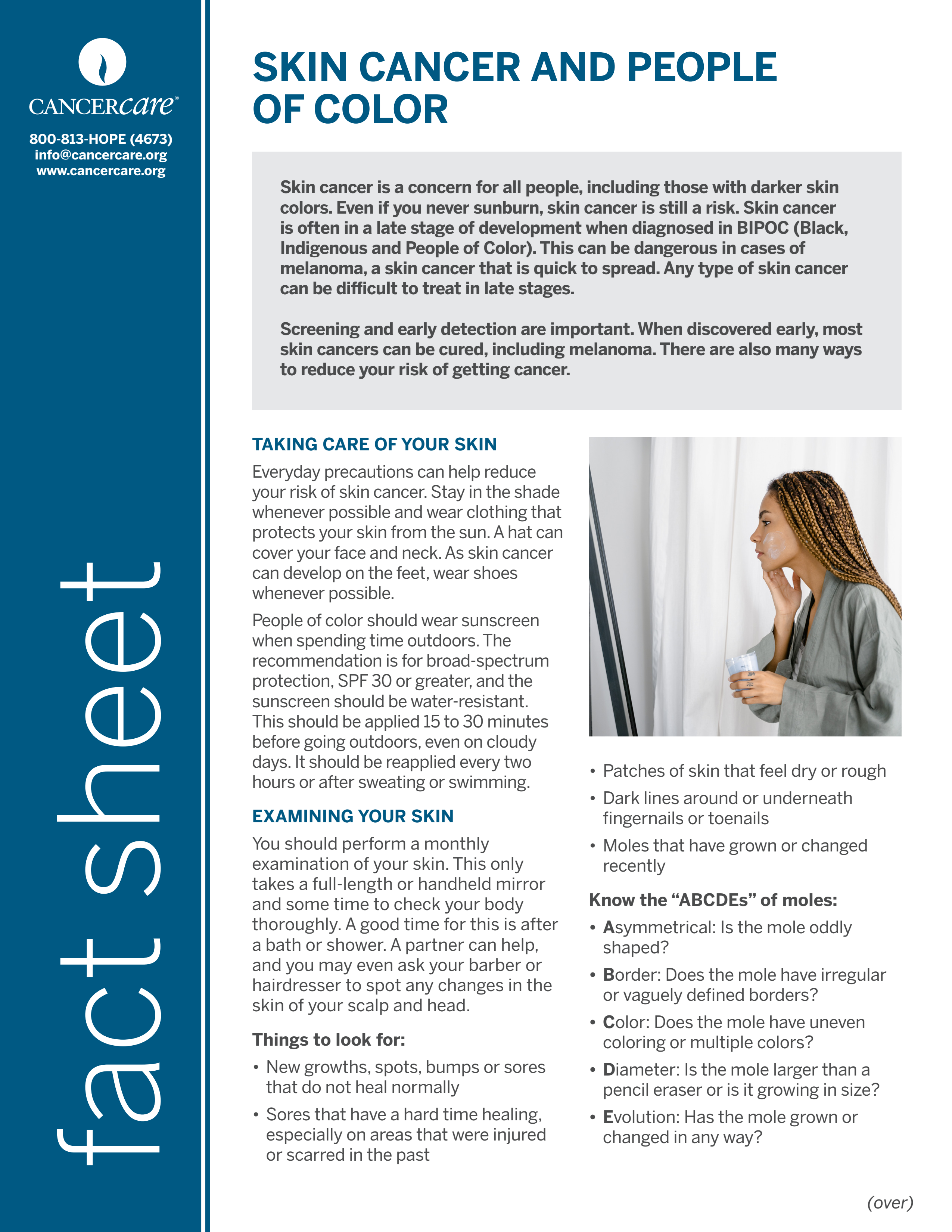
No. While individuals with more melanin have a lower risk of UV-induced skin cancer, they are often diagnosed with more lethal forms of the disease, such as acral lentiginous melanoma. Because of the misconception that they are "immune" to skin cancer, these cases are often caught in very late stages, leading to higher mortality rates per diagnosis.
Final Recommendation
To minimize the risk of becoming a statistic, prioritize early detection. If you notice any "evolving" spot on your skin, schedule an appointment with a dermatologist immediately. For those with significant sun damage or a family history of skin cancer, an annual professional skin check is the most effective tool for ensuring that any potential malignancy is caught while it is still 100% curable.
Image Gallery