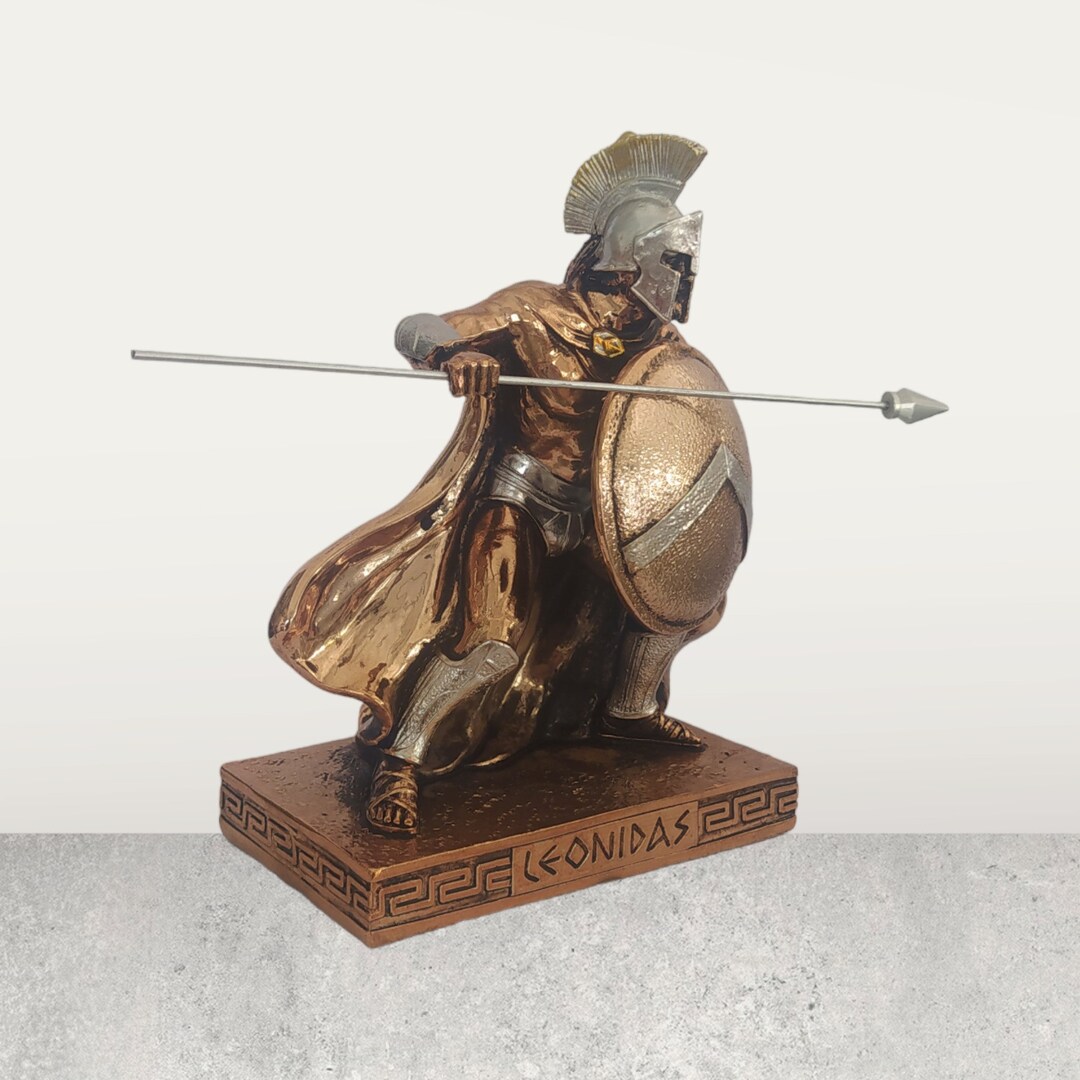
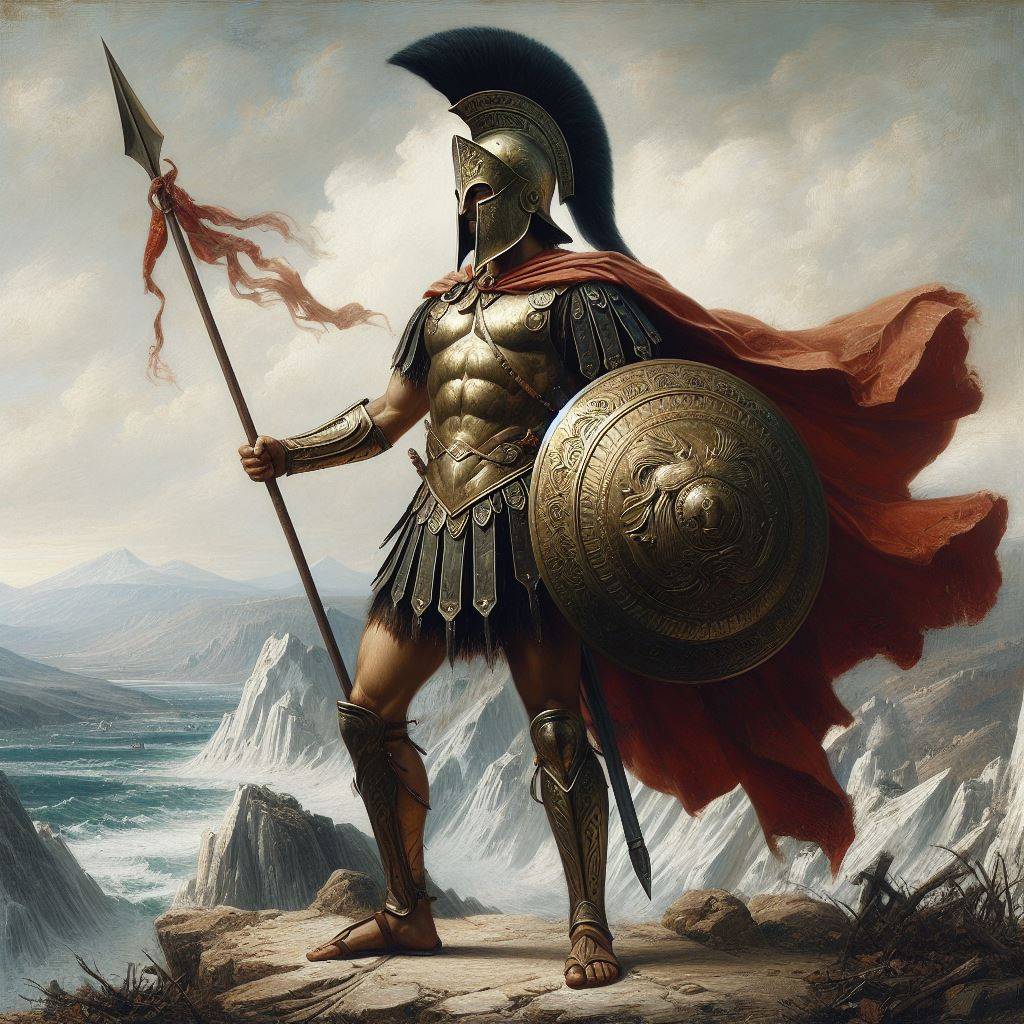
The Historical Legacy and Military Strategy of Spartan Leader Leonidas
Leonidas I, the Agiad King of Sparta, remains the defining archetype of martial discipline and strategic sacrifice in Western history. Commanding a small coalition of Greek forces at the Battle of Thermopylae in 480 BCE, Leonidas utili...
Leonidas I, the Agiad King of Sparta, remains the defining archetype of martial discipline and strategic sacrifice in Western history. Commanding a small coalition of Greek forces at the Battle of Thermopylae in 480 BCE, Leonidas utilized the geography of the narrow coastal pass to neutralize the numerical superiority of the Persian Empire. His leadership is defined by the rigid Spartan upbringing (the Agoge), a commitment to the defense of the Greek city-states, and the tactical application of the phalanx formation.
Contents
The Origins and Governance of Spartan Leadership
To understand Leonidas, one must first understand the unique political architecture of Sparta. Unlike the contemporary city-states of Greece, Sparta was governed by a diarchy, a dual-monarchy system featuring two kings from two distinct royal families: the Agiads and the Eurypontids. Leonidas belonged to the Agiad line, which claimed direct descent from the mythical hero Heracles.
His authority was not absolute. Spartan kings were subjected to the oversight of the Ephors—a group of five annually elected magistrates who monitored the kings' adherence to traditional laws and social customs. This balance of power was intended to prevent the rise of a tyrant, ensuring that the king acted as the primary military commander rather than a domestic autocrat. Leonidas ascended to the throne around 489 BCE, following the death of his half-brother, Cleomenes I.
The Spartan Education System (The Agoge)
Leonidas was a product of the Agoge, an intensive state-sponsored educational and training regimen. Beginning at age seven, Spartan males were removed from their homes to learn stealth, endurance, and weapon proficiency. By the time Leonidas attained the kingship, he had spent decades refining the tactical doctrine of the hoplite—the heavy infantry soldier of ancient Greece. This training emphasized collective survival over individual glory, a philosophy that Leonidas would later manifest during the defense of the pass at Thermopylae.
The Strategic Context of the Persian Invasion
In 480 BCE, the Persian Empire, led by King Xerxes I, launched a massive secondary invasion of the Greek mainland. The Persian objective was the total subjugation of the Greek city-states, which had previously supported the Ionian Revolt against Persian hegemony.
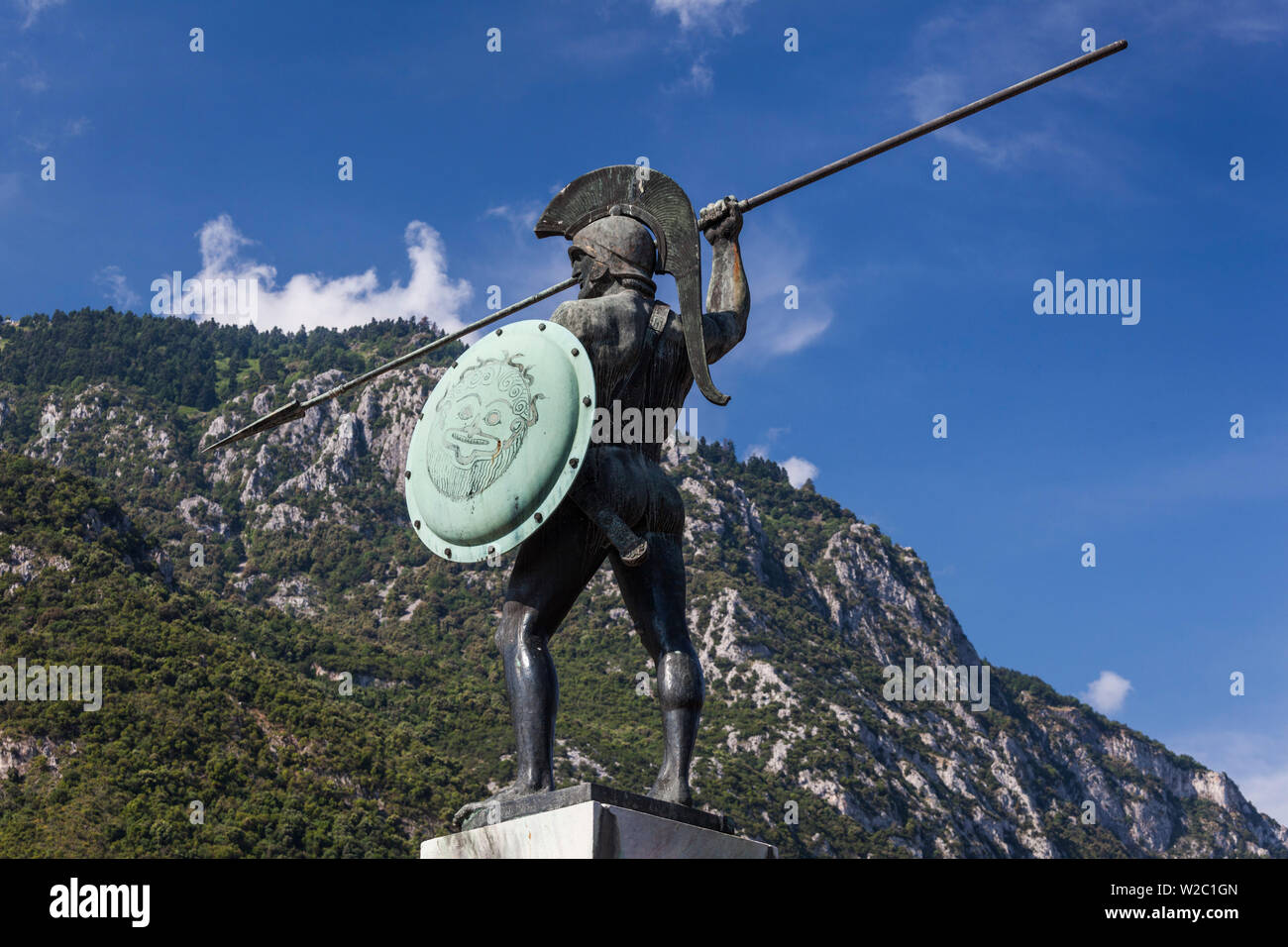
Leonidas was selected to lead the advance force to Thermopylae because of his proven record as a commander and his status as a king. The site of Thermopylae—the "Hot Gates"—was chosen for its strategic choke point. The mountains fell sharply into the sea, narrowing the pass to a width that rendered the Persian cavalry and massed archers largely ineffective against the heavily armored Greek infantry.
Operational Doctrine: The Phalanx
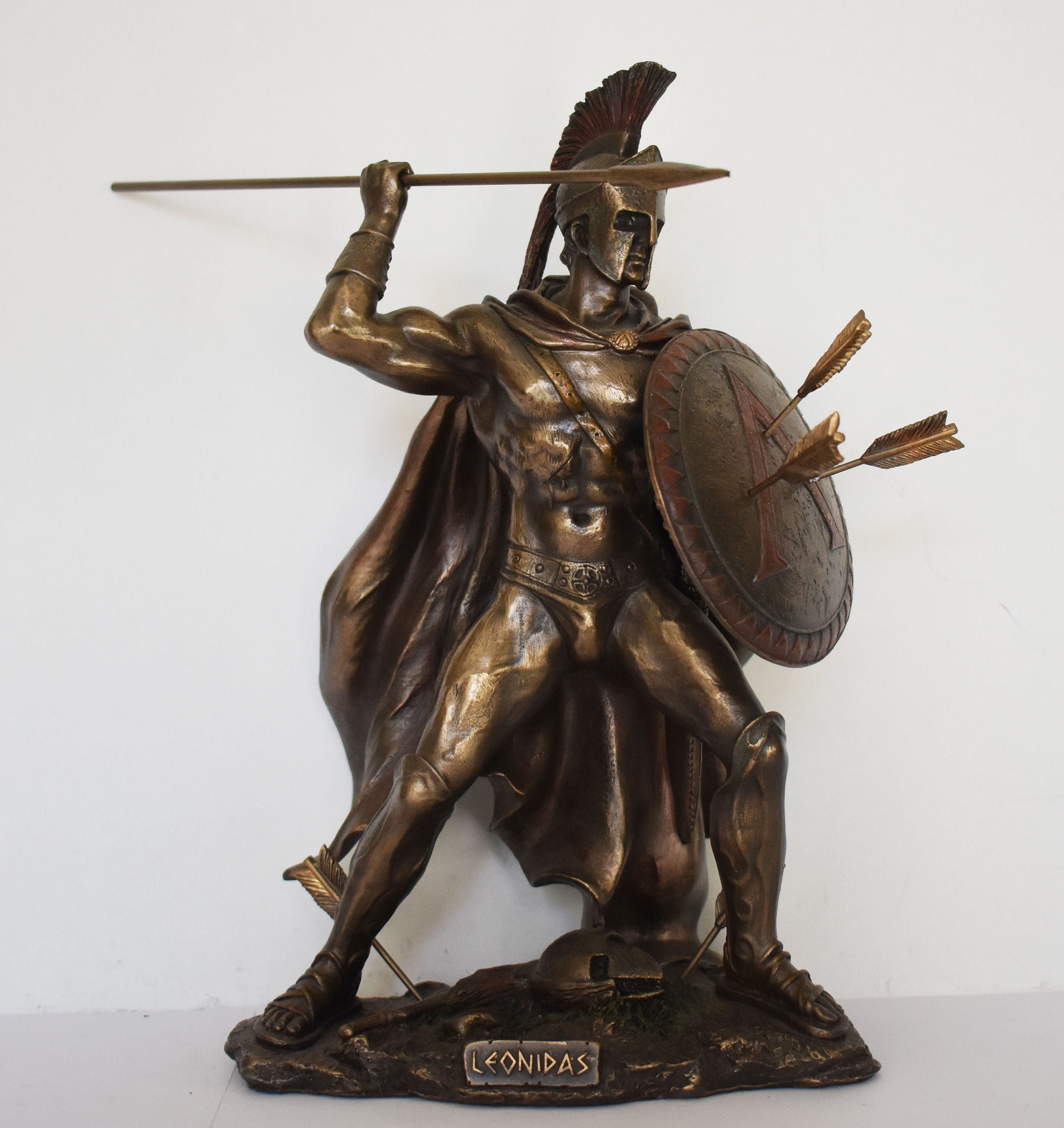
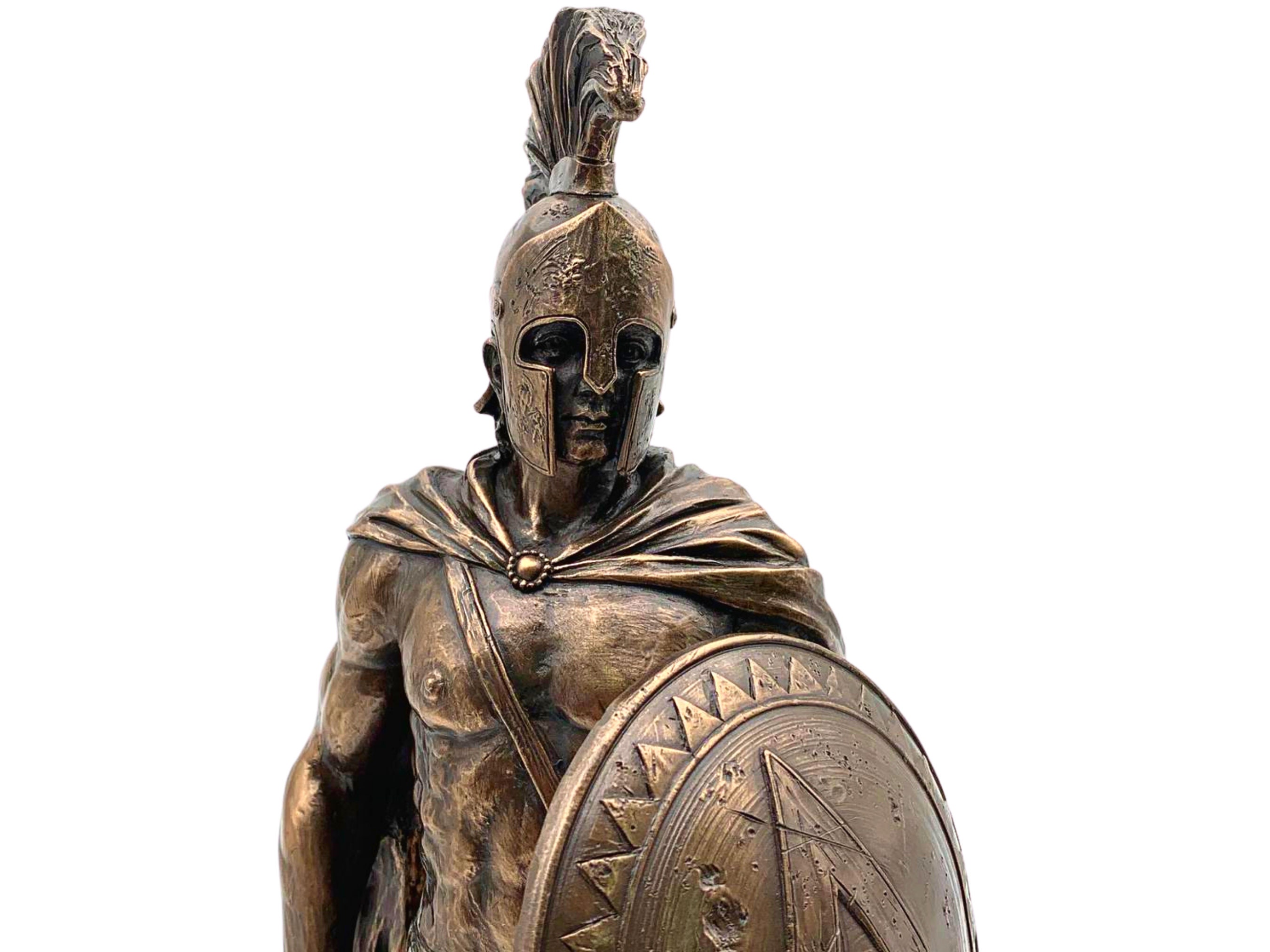
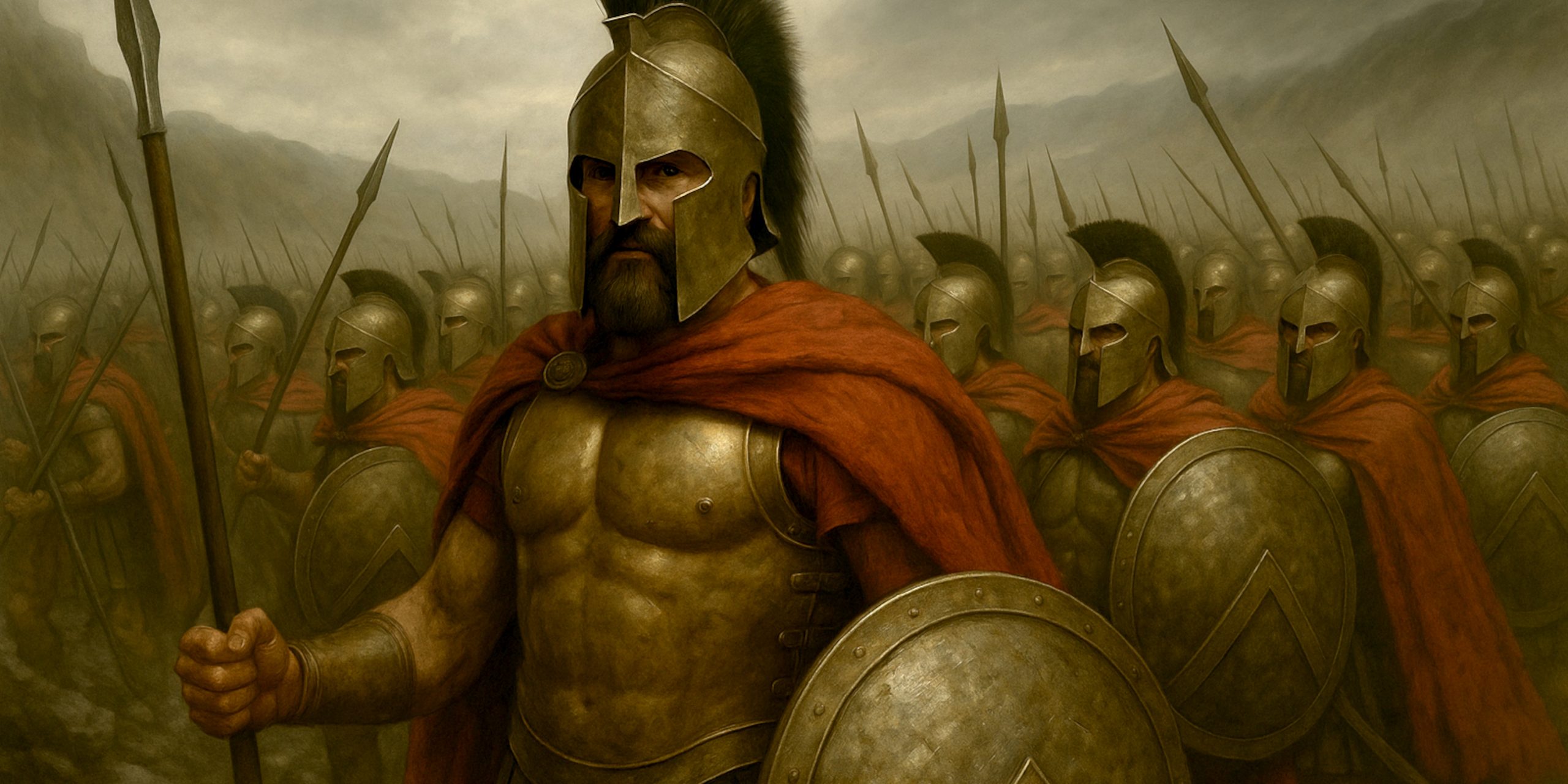
The core of the Greek military success at Thermopylae was the phalanx. This formation involved soldiers standing shoulder-to-shoulder, protected by overlapping large round shields (the aspis or hoplon). A wall of iron spear points emerged from the shield wall, creating an impenetrable defensive front for frontal assaults. Leonidas demonstrated mastery of this formation, rotating his forces to ensure exhaustion did not compromise the defensive integrity of the line.
Tactical Breakdown of the Engagement
The defense lasted for three days. During the first two days, the Spartan-led forces successfully repelled several waves of elite Persian troops, including the famed "Immortals." Leonidas used feigned retreats to draw Persian units into unfavorable positions, where the superior reach and armor of the Greek hoplites inflicted heavy casualties.
Comparative Tactical Capabilities
| Feature | Spartan/Greek Force | Persian Imperial Force |
|---|---|---|
| Primary Unit | Hoplite (Heavy Infantry) | Archer / Light Infantry |
| Defensive Gear | Bronze cuirass, greaves, large shield | Wicker shields, padded cloth armor |
| Primary Weapon | Long Dory spear, short sword | Composite bow, short spear |
| Strategic Edge | Defensive position, high-density formation | Numerical superiority, mobility |
On the third day, a local resident named Ephialtes betrayed the Greek position by informing Xerxes of a mountain path that bypassed the pass. Upon realizing that his force would be surrounded, Leonidas dismissed the majority of the Greek allies to preserve their strength for future battles. He remained at the pass with his 300 personal bodyguard, the Thespians, and the Thebans, choosing a defensive stand that would ensure the orderly retreat of his remaining forces and serve as a profound psychological rally point for the rest of Greece.
The Significance of the Sacrifice
The death of Leonidas did not stop the Persian advance, but it fundamentally shifted the morale of the Greek resistance. The delay caused by the Spartan stand allowed the city-states to reorganize their naval forces and prepare for the decisive Battle of Salamis.
From a technical military perspective, Leonidas proved that an disciplined, well-positioned infantry force could neutralize a vastly larger army. Historians and military theorists continue to study the Battle of Thermopylae as the primary case study in the efficacy of terrain-dependent defense.
Frequently Asked Questions
What was the specific command structure at Thermopylae?
Leonidas functioned as the supreme tactical commander of the combined Greek force. While he held absolute authority over his Spartan citizens, he coordinated with other commanders from various city-states, including Thespiae and Thebes, to manage the defense of the pass.
Was the 300 force the only number of defenders?
No. The "300" refers specifically to the Spartan elite guard accompanying Leonidas. The total number of Greeks present at the start of the battle was approximately 7,000. However, on the final day, after the retreat of the non-essential forces, only the Spartans, Thespians, and Thebans remained.
How did the Persians eventually overcome the Spartan defense?
Persian forces utilized a mountain trail discovered through local intelligence to outflank the Greek position. This removed the defensive advantage of the narrow pass and allowed the Persian army to encircle the remaining Greek soldiers.
What is the primary legacy of Leonidas in military history?
Leonidas is honored for the concept of the "defensive stand," where a commander sacrifices a smaller force to achieve a strategic objective, such as buying time for a wider defensive effort or delaying an enemy's advance into critical territory.
Why was the Spartan phalanx so effective against the Persians?
The phalanx prioritized group cohesion over individual combat. The Persians relied on light, mobile units designed for open plains; they lacked the armor-penetration capabilities required to break a tightly packed wall of bronze-shielded hoplites.
Practical Lessons for Modern Leadership
The career and death of Leonidas offer lessons on the importance of preparation and situational awareness. His decision to hold the pass was not a suicide mission born of recklessness, but a calculated tactical withdrawal protection measure. Leaders today can derive value from his ability to adapt to changing variables—such as the loss of the high ground—and his commitment to the core mission despite the inevitability of defeat. When facing insurmountable odds, the focus shifts from total victory to the mitigation of damage and the preservation of long-term strategic assets.
Image Gallery