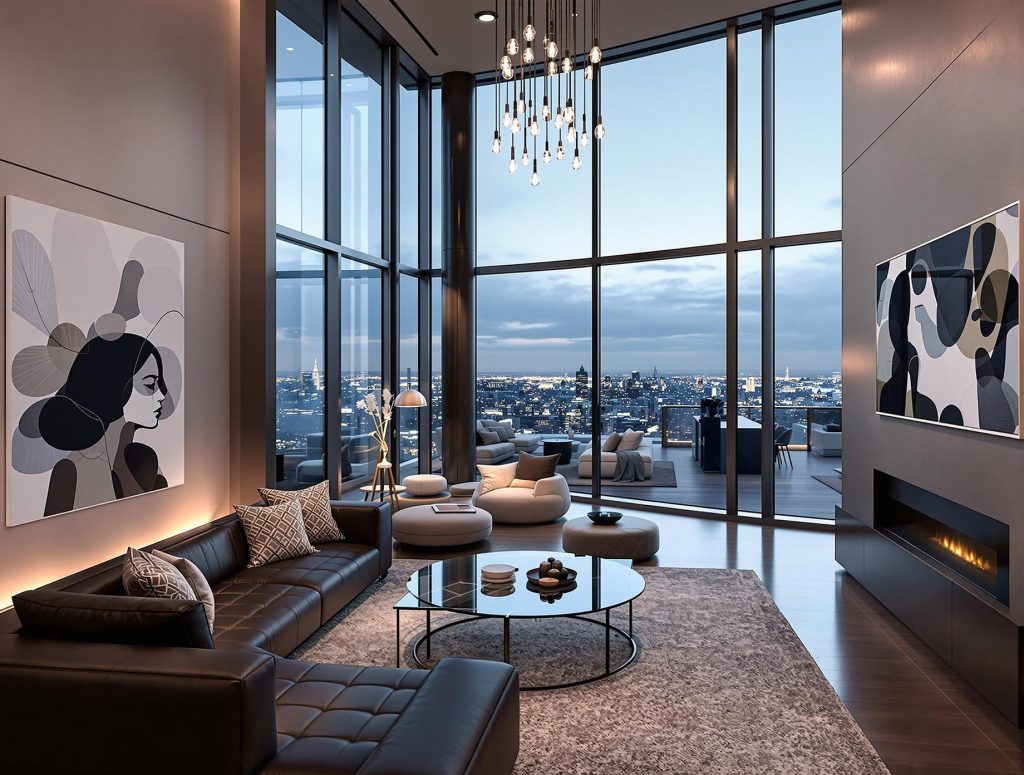
Why the Evans Pinnacle Matters for Modern Homes
The Evans Pinnacle represents the highest standard in high-performance architectural glazing, combining ultra-slim minimalist frames with advanced thermal insulation. In 2026, it matters for modern homes because it resolves the conflic...
The Evans Pinnacle represents the highest standard in high-performance architectural glazing, combining ultra-slim minimalist frames with advanced thermal insulation. In 2026, it matters for modern homes because it resolves the conflict between expansive floor-to-ceiling glass and strict energy efficiency mandates, providing the structural integrity needed for large-scale biophilic design without sacrificing thermal comfort.
Contents
The Evolution of the Building Envelope in 2026
For decades, homeowners and architects faced a compromise: they could have large, beautiful vistas or a home that was easy to heat and cool. As we navigate the architectural landscape of 2026, that compromise has been largely eliminated by the Evans Pinnacle series. This system is not merely a window or a sliding door; it is a structural glass solution designed to serve as a primary component of the modern building envelope.
The shift toward the Evans Pinnacle is driven by the global move toward "Net Zero" residential standards. Modern building codes, such as the updated International Energy Conservation Code (IECC) and local equivalents, now require significantly lower U-values (a measure of heat transfer). Traditional aluminum frames, which were notorious for thermal bridging, cannot meet these standards without the specialized engineering found in the Pinnacle series. By utilizing multi-chambered thermal breaks and aerogel-infused spacers, the Evans Pinnacle provides the insulation of a solid wall with the transparency of high-clarity glass.
Architectural Minimalism and the "Invisible" Frame
One of the primary reasons the Evans Pinnacle has become the benchmark for luxury modern homes is its aesthetic profile. Modernism in 2026 continues to lean toward minimalism—the idea that the structure should disappear to emphasize the surrounding environment.
The Physics of Slim Sightlines
Standard high-end windows typically feature frame widths of 50mm to 70mm. In contrast, the Evans Pinnacle offers sightlines as narrow as 20mm. Achieving this requires exceptional material science. The frames are constructed from high-tensile, recycled aluminum alloys that can support the immense weight of triple-paned, 10-foot-high glass panels while maintaining a slender profile.
This structural rigidity allows for "corner-free" designs, where glass meets glass at a 90-degree angle without a bulky vertical post. For modern homes situated in scenic locations—whether coastal, mountainous, or urban—this means an uninterrupted panoramic view. The psychological benefit of this "indoor-outdoor" living, often referred to as biophilic design, has been linked to reduced stress levels and improved cognitive function for inhabitants.
Thermal Performance and Energy Regulation Compliance
As energy costs remain a primary concern for homeowners in 2026, the thermal performance of the Evans Pinnacle is its most practical selling point. The system is designed to exceed the requirements of the Passive House Institute (PHI) and other high-performance building standards.
Advanced Glazing Technology
The "Pinnacle" designation refers to the specific combination of glass coatings and gas fills used within the unit. Most Evans Pinnacle installations utilize a triple-glazed configuration with the following technical specifications:
- Low-E Coatings: Multiple layers of microscopic silver are applied to the glass surfaces to reflect infrared light (heat) while allowing visible light to pass through.
- Gas Infusion: The cavities between the panes are filled with Krypton or Argon gas, which are denser than air and significantly reduce convective heat transfer.
- Warm-Edge Spacers: Instead of traditional metal spacers that conduct cold, the Pinnacle uses composite materials that prevent condensation and "cold spots" at the edge of the glass.
By maintaining a consistent interior surface temperature, the Evans Pinnacle eliminates the "drafty" feeling associated with large glass walls, allowing homeowners to utilize the space right up to the window even in the height of winter or the peak of summer.
Structural Integrity and Climate Resilience
Modern homes are increasingly subjected to extreme weather events, from high-velocity hurricane zones (HVHZ) to heavy snow loads. The Evans Pinnacle matters because it is engineered for resilience.
The system uses a method known as structural silicone glazing (SSG). In this process, the glass is bonded to the frame using high-strength silicone sealants rather than being held in place by mechanical beads alone. This allows the glass to act as a structural component, distributing wind loads across the entire frame. For homes in coastal regions, the Pinnacle series offers impact-rated glass options that can withstand the debris of a Category 5 storm without a breach in the building envelope.
Furthermore, the drainage systems integrated into the Evans Pinnacle sills are designed for "high-volume management." In the event of torrential rain, the hidden drainage channels can evacuate water at a rate far exceeding standard residential sliders, preventing water ingress and the subsequent mold or flooring damage that plagues lesser systems.
Comparative Analysis: Evans Pinnacle vs. Conventional Systems
To understand why the Evans Pinnacle is the preferred choice for 2026 developments, it is helpful to compare it against standard high-end alternatives.
| Feature | Standard High-End Glazing | Evans Pinnacle Series |
|---|---|---|
| Visible Sightline | 50mm - 75mm | 20mm - 26mm |
| Typical U-Value (W/m²K) | 1.2 - 1.5 | 0.65 - 0.85 |
| Max Panel Height | 2.5 Meters | 4.0+ Meters |
| Acoustic Reduction | 32 - 35 dB | 42 - 48 dB |
| Operation Type | Manual Only | Manual or Automated Integrated |
| Thermal Break | Standard Polyamide | Multi-chambered with Aerogel |
Integration with Smart Home Ecosystems
In 2026, a home is only as "modern" as its connectivity. The Evans Pinnacle matters because it was designed with the Internet of Things (IoT) in mind. Unlike older window systems where sensors are an afterthought, the Pinnacle series features integrated channels for concealed wiring and sensors.
Automated Climate Control
The Evans Pinnacle can be linked to the home’s HVAC system. Using built-in light and heat sensors, the system can automatically adjust electrochromic "smart glass" tints or trigger external shading devices to prevent solar gain before the air conditioning is even needed. For large sliding configurations, the "Pinnacle Drive" motorization allows 500kg glass panels to slide open silently at the touch of a button or via voice command, fully integrating the home’s perimeter into the smart ecosystem.
Enhanced Security
Security is a paramount concern for modern homeowners. The Evans Pinnacle incorporates multi-point locking systems that are concealed within the frame. These locks are monitored by internal magnetic reed switches that connect directly to the home's security hub, providing real-time status updates on whether every aperture is "closed and locked" without the need for unsightly surface-mounted sensors.
Installation and Maintenance Considerations
The sophistication of the Evans Pinnacle requires a specific approach to installation. Because the tolerances are so tight—often measured in single millimeters—these systems cannot be installed by general contractors without specialized training.
Professional Calibration
Installation involves leveling the recessed sub-track to a degree of precision that allows for "zero-threshold" transitions. This creates a flush floor surface from the interior to the exterior, a hallmark of modern luxury design. If the track is even slightly off-level, the massive weight of the glass will prevent smooth operation. Therefore, the Evans Pinnacle matters because it mandates a higher standard of craftsmanship during the construction phase of the home.
Long-Term Durability
Maintenance for the Evans Pinnacle is surprisingly minimal. The aluminum frames are typically finished with marine-grade powder coatings that resist UV degradation and salt-spray corrosion. The tracks are designed to be "self-cleaning," using the movement of the rollers to push debris into collection zones that can be easily vacuumed. For the glass itself, many Pinnacle installations include a hydrophobic "easy-clean" coating that reduces the frequency of professional window washing by preventing dirt and minerals from bonding to the surface.
Frequently Asked Questions
Does the Evans Pinnacle increase the resale value of a home?
Yes. In the 2026 real estate market, energy-efficient certifications and high-performance architectural features are key drivers of valuation. Homes equipped with Evans Pinnacle systems are viewed as "future-proofed" against rising energy costs and more stringent building regulations, often commanding a premium of 10-15% over homes with standard glazing.
Is the Evans Pinnacle suitable for renovation projects or only new builds?
While the Evans Pinnacle is most commonly seen in new builds due to the need for recessed tracks, it can be used in major renovations. However, it requires structural modifications to the floor slab and lintels to accommodate the flush threshold and the weight of the large-format glass.
How does the sound insulation of the Pinnacle series compare to standard windows?
Because the Evans Pinnacle uses thicker, laminated glass units and airtight multi-chambered seals, it offers superior acoustic performance. It is frequently specified for homes near airports or busy urban centers, as it can reduce external noise levels by up to 48 decibels, creating a significantly quieter interior environment.
What is the typical lead time for an Evans Pinnacle system?
Due to the custom engineering required for every project, lead times in 2026 typically range from 12 to 18 weeks. Each unit is manufactured to the specific millimetric dimensions of the site, including custom glass makeups based on the home's orientation and local climate data.
Are there color limitations for the frames?
The Evans Pinnacle frames can be finished in any RAL color, though "architectural charcoal" and "anodized bronze" remain the most popular choices for modern homes. Dual-color options are also available, allowing the exterior frame to match the facade while the interior frame matches the room’s decor.
Final Recommendation
For homeowners and architects planning a project in 2026, the Evans Pinnacle is no longer a luxury "upgrade" but a foundational requirement for a high-performance modern home. When selecting a glazing system, prioritize the U-value and structural load ratings over initial cost. The long-term savings in energy consumption, combined with the unparalleled aesthetic of a 20mm sightline, make the Evans Pinnacle a superior investment. To ensure performance, always verify that your installer is certified by the manufacturer and that the glass specifications are optimized for your specific climate zone.
Image Gallery