The 1980 Oldsmobile Cutlass Supreme: A Complete Guide to History, Specs, and Ownership in 2026
The 1980 Oldsmobile Cutlass Supreme represents a pivotal era in American automotive history, serving as a high-water mark for the downsized fourth-generation G-body platform. Known for its formal roofline, plush interior, and rear-whee...
The 1980 Oldsmobile Cutlass Supreme represents a pivotal era in American automotive history, serving as a high-water mark for the downsized fourth-generation G-body platform. Known for its formal roofline, plush interior, and rear-wheel-drive configuration, it remains a highly sought-after classic in 2026 for collectors and enthusiasts looking for a balance of vintage style and mechanical simplicity.
Contents
The Significance of the 1980 Model Year
By 1980, the Oldsmobile Cutlass had firmly established itself as a dominant force in the American market. In fact, during the late 1970s and early 1980s, the Cutlass was frequently the best-selling car in the United States. The 1980 model year was particularly significant because it was the final year of the specific "pre-facelift" styling for the fourth generation before the 1981 update introduced more aerodynamic, sloped front headers.
The 1980 Cutlass Supreme utilized the GM A-body platform (which would be officially redesignated as the G-body in 1982). This platform was prized for its body-on-frame construction, which provided a smooth, quiet ride that unibody competitors of the era struggled to match. For modern enthusiasts in 2026, this construction makes the 1980 Cutlass an ideal candidate for "restomod" projects, as the frame can handle significant horsepower upgrades more easily than lighter, modern structures.
Design and Aesthetic Appeal
The aesthetic of the 1980 Oldsmobile Cutlass Supreme is defined by its "formal" appearance. While the industry was beginning to move toward wedge shapes and plastic trim, Oldsmobile doubled down on traditional luxury cues that appealed to a broad demographic of American buyers.
Exterior Styling
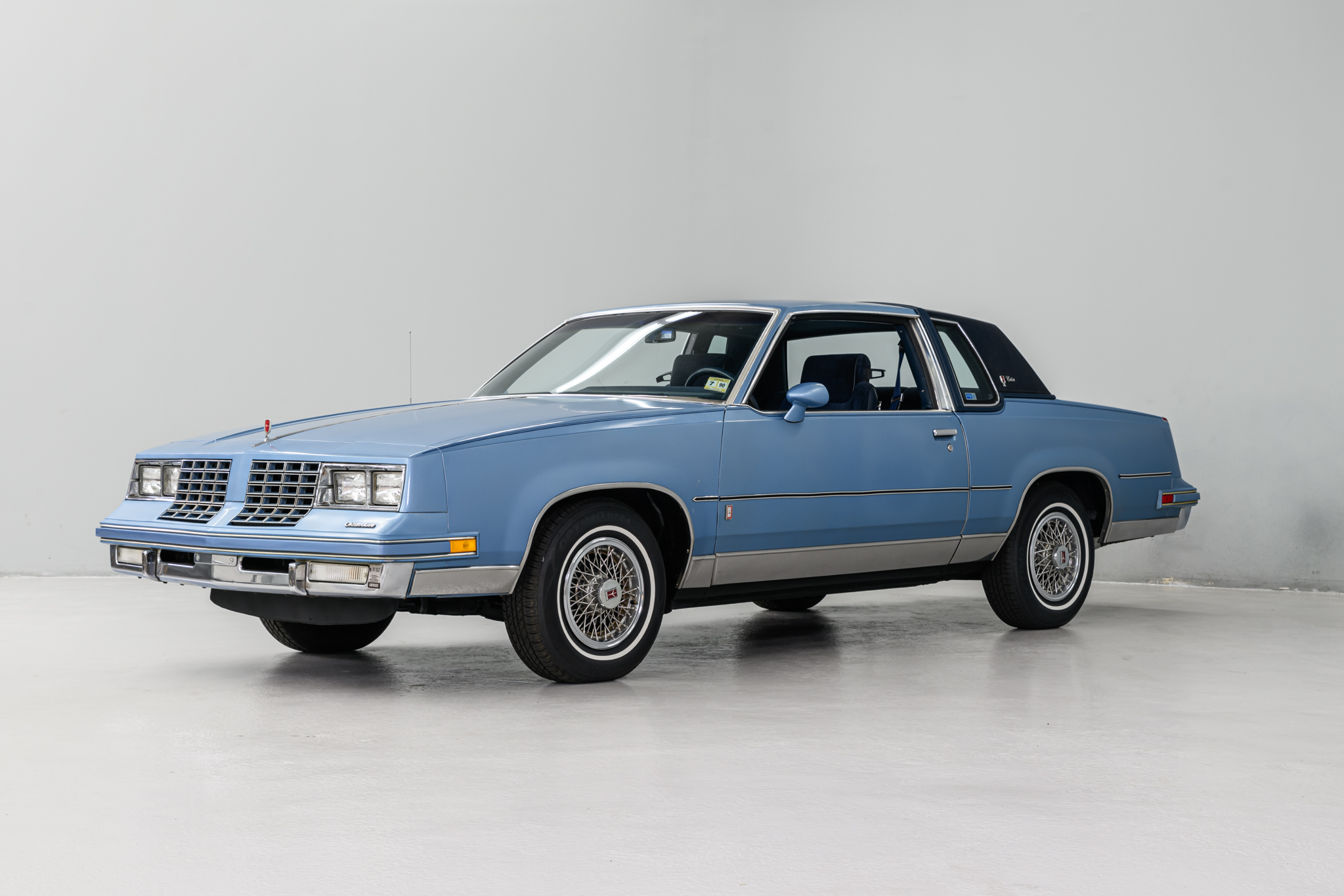
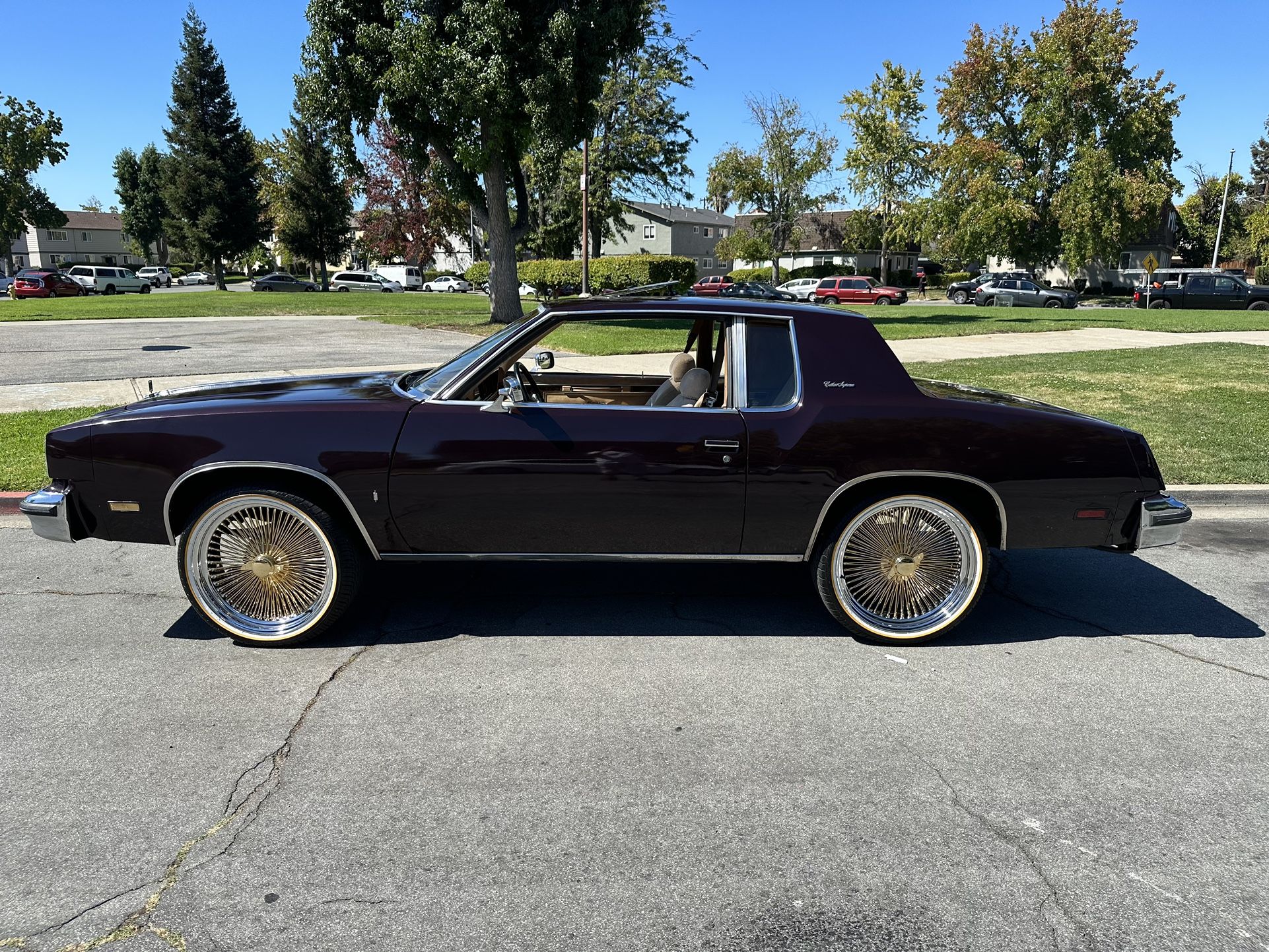
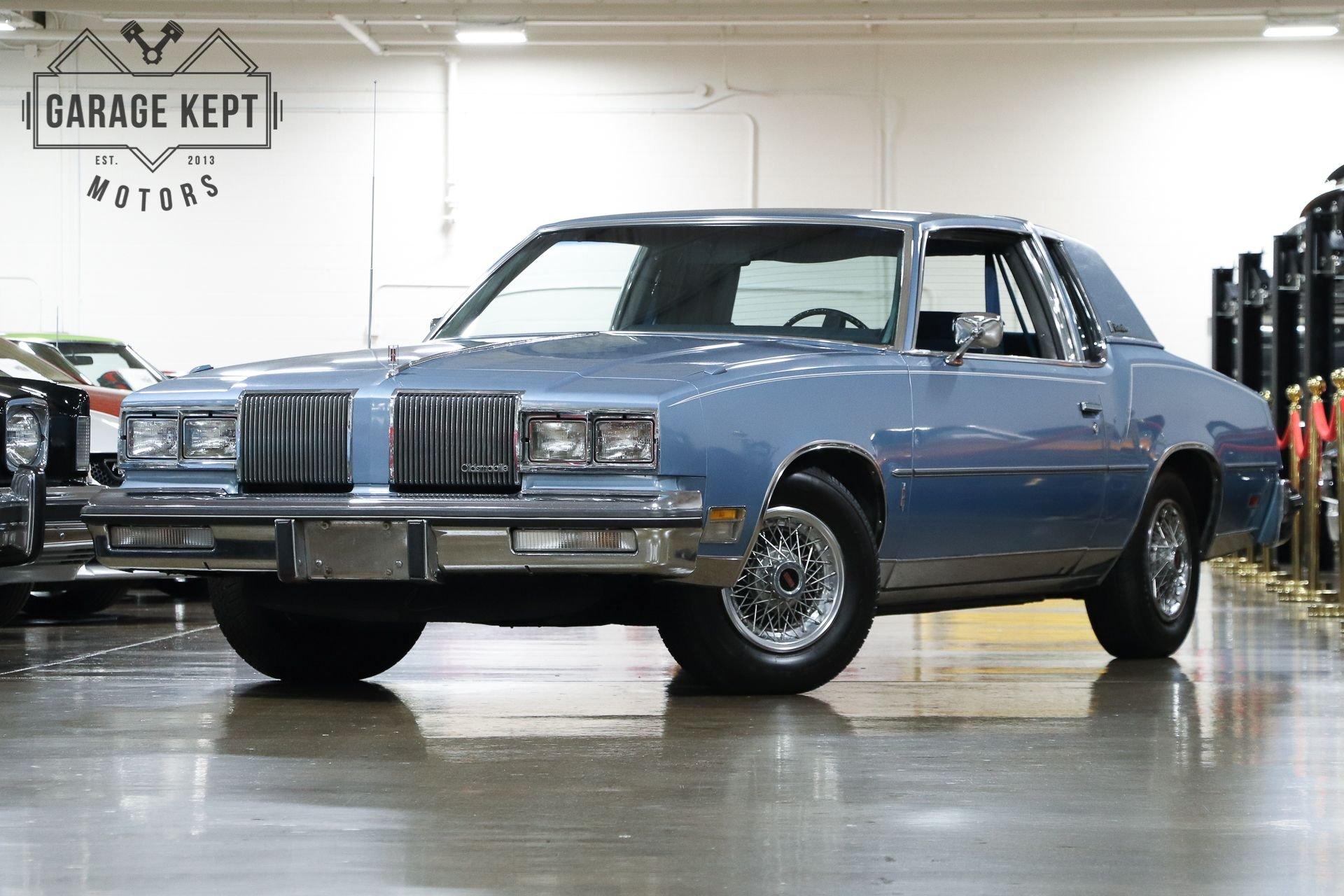
The 1980 Supreme featured a distinctive waterfall-style grille and quad rectangular headlights. Unlike the sportier Cutlass Calais, the Supreme emphasized a dignified presence. The "landau" vinyl roof was a common option, often paired with opera lights on the B-pillars. In 2026, finding a specimen with an intact, original vinyl roof is rare, as these were notorious for trapping moisture and causing roof-skin rust.
Interior Luxury
Inside, the 1980 Cutlass Supreme was designed to feel like a "mini-Cadillac." The "Brougham" trim level pushed this even further with loose-pillow crushed velour seating that has become an iconic symbol of 1980s luxury. The dashboard featured simulated woodgrain appliqués and a driver-centric layout. While the plastics of this era were prone to cracking under UV exposure, the aftermarket support in 2026 has matured significantly, offering high-quality reproduction dash pads and door panels.
Engine Options and Mechanical Specifications
In 1980, Oldsmobile offered a variety of engines ranging from fuel-efficient (for the time) V6s to traditional V8s. Understanding which engine is under the hood is critical for 2026 buyers, as performance and reliability vary wildly between them.
- 3.8L Buick V6 (231 cu in): This was the base engine. While not powerful, producing roughly 110-115 horsepower, it was a reliable workhorse.
- 4.3L Oldsmobile V8 (260 cu in): A small-displacement V8 intended for fuel economy. It offered smooth operation but is generally considered underpowered by modern standards.
- 5.0L Chevrolet V8 (305 cu in): Often found in California-spec cars or as an optional upgrade, this engine is favored today because of the massive aftermarket support for the Chevy small-block.
- 5.7L Oldsmobile Diesel V8 (350 cu in): Historically significant but mechanically troubled. These engines suffered from head bolt failures and fuel contamination issues. In 2026, most surviving Cutlasses originally equipped with the diesel have been converted to gasoline V8s.
Technical Specifications Summary
| Feature | Base Specification (V6) | Performance Specification (V8) |
|---|---|---|
| Engine Type | 3.8L V6 (Buick) | 5.0L V8 (Chevrolet/Olds) |
| Horsepower | ~110 hp | ~150-160 hp |
| Transmission | 3-Speed Automatic (TH200/250) | 3-Speed Automatic (TH350) |
| Wheelbase | 108.1 inches | 108.1 inches |
| Overall Length | 200.1 inches | 200.1 inches |
| Curb Weight | ~3,200 lbs | ~3,450 lbs |
| Fuel System | 2-Barrel Carburetor | 4-Barrel Carburetor |
Trim Levels and Special Editions
The 1980 lineup was segmented to cater to different types of buyers, from the budget-conscious to the luxury-oriented.
- Cutlass Supreme: The bread-and-butter model. It featured the formal roofline and a comfortable interior.
- Cutlass Supreme Brougham: This was the pinnacle of the line. It included upgraded "luxury" interior fabrics, additional sound deadening, and specific exterior emblems.
- Cutlass Calais: While sharing the same body, the Calais was marketed as the "sportier" option. It often featured reclining bucket seats, a center console with a floor shifter, and a firmer suspension package.
- Cutlass Cruiser: The station wagon variant, which offered significant utility while maintaining the Supreme’s front-end styling.
The 1980 Cutlass Supreme in the 2026 Market
As we navigate 2026, the 1980 Oldsmobile Cutlass Supreme has moved out of the "used car" category and firmly into the "collectible classic" category. Several factors influence its current market value and desirability.
Valuation and Pricing
Values for 1980 models have seen a steady climb over the last five years. While the 1983-1988 Hurst/Olds and 442 models command the highest premiums, a clean, low-mileage 1980 Supreme Brougham can now fetch between $15,000 and $25,000 depending on the region and originality. Project cars needing work typically start around $5,000.
The LS Swap Trend
The 1980 Cutlass is a premier candidate for the "LS swap" (installing a modern GM Gen III/IV V8). Because the engine bay is spacious and the frame is robust, it is relatively simple to install a modern fuel-injected engine and overdrive transmission. This has kept the demand for these cars high among younger enthusiasts who want the 80s aesthetic with 21st-century reliability and power.
Parts Availability
One of the greatest advantages of owning a 1980 Cutlass in 2026 is the parts ecosystem. Because the G-body platform was produced in such high volumes and shared so many components with the Chevrolet Monte Carlo, Buick Regal, and Pontiac Grand Prix, mechanical parts are readily available at standard auto parts stores. Specialized vendors also produce high-quality reproduction interior and trim pieces.
Common Issues to Watch For
If you are inspecting a 1980 Cutlass Supreme for purchase, there are several era-specific issues to document:
- Rear Frame Rail Rot: Moisture often gets trapped in the rear frame rails near the bumper mounts. This is a structural issue that requires professional welding to repair.
- TH200 Transmission Weakness: Many base models came with the TH200 light-duty transmission. These are known to fail under stress or when paired with modified engines. Upgrading to a TH350 or a 200-4R overdrive is a common 2026-era modification.
- Sagging Headliners: Like most GM cars of the late 70s and 80s, the foam-backed headliners eventually disintegrate, causing the fabric to sag.
- Vacuum Leaks: The 1980 models utilized extensive vacuum lines for climate control and engine emissions. Brittle 46-year-old rubber lines can cause rough idling and HVAC issues.
Maintenance and Performance Upgrades
Maintaining a 1980 Cutlass Supreme in 2026 is relatively straightforward for a hobbyist mechanic. Most engine components are accessible, and the lack of complex computer systems makes troubleshooting logical.
Suspension Modernization
The stock 1980 suspension was tuned for a "floaty" ride, which can feel unsettled at modern highway speeds. Many owners in 2026 opt for poly-graphite bushings, heavier sway bars from the F-body (Camaro/Firebird), and gas-charged shocks. These upgrades significantly sharpen the handling without sacrificing the car's inherent comfort.
Braking Systems
The original front disc/rear drum setup is adequate for cruising but lacks the bite required for high-traffic environments. Converting the rear to discs or upgrading the front rotors is a recommended safety measure if the car is intended for regular use.
Comparison: 1980 vs. Later G-Bodies
When choosing between a 1980 and a later (1981-1988) model, it often comes down to styling preference. The 1980 model offers the "purest" version of the fourth-generation's formal look. The 1981 redesign introduced a lower hood line and a more integrated bumper look, which some feel lost the "classic" charm of the 1978-1980 era.
Furthermore, 1980 was one of the last years before the "Computer Command Control" (CCC) system became standard across almost all GM engines. For those who prefer a traditional, non-computerized carburetor setup, the 1980 model is often easier to tune and modify.
Frequently Asked Questions
Is the 1980 Oldsmobile Cutlass Supreme a good daily driver in 2026?
While it can be driven daily, it lacks modern safety features like airbags, ABS, and crumple zones. Most owners in 2026 use them as "weekend drivers" or fair-weather commuters. If you intend to drive it frequently, upgrading the lighting to LED and modernizing the braking system is highly recommended.
How do I identify a true Cutlass Supreme?
Check the VIN. The second character should be "R" for the Supreme or "M" for the base Cutlass. Additionally, the Supreme will feature the "formal" vertical rear window, whereas the "Aeroback" models (available in earlier years and some base trims) have a sloped fastback-style rear.
Where can I find specialized parts for a 1980 Cutlass?
Resources like The Oldsmobile Club of America and specialized retailers like OPGI (Original Parts Group) or Dixie G-Body are the primary sources for restoration-quality parts.
What is the most desirable engine for this year?
From a collector's standpoint, a 1980 Cutlass with a factory 305 V8 is desirable for its reliability. However, from a purist's perspective, the Oldsmobile-produced 260 V8 is the "correct" engine, even if it is less powerful.
Final Recommendation for Buyers
The 1980 Oldsmobile Cutlass Supreme is an excellent entry-point classic. It offers a combination of affordable entry price, massive aftermarket support, and quintessential American style. For those looking to purchase one in 2026, prioritize a car with a solid frame and intact interior trim, as these are more difficult and expensive to fix than mechanical components. Whether you keep it stock for local car shows or modernize it with a new drivetrain, the 1980 Cutlass remains a durable icon of the American road.
Image Gallery