A Comprehensive Guide to Navigating Balboa Park Exhibits
Balboa Park in San Diego functions as a premier cultural hub, hosting over 15 major museums and diverse exhibition spaces that cover art, science, history, and photography. Visitors should prioritize checking current institutional cale...
Balboa Park in San Diego functions as a premier cultural hub, hosting over 15 major museums and diverse exhibition spaces that cover art, science, history, and photography. Visitors should prioritize checking current institutional calendars, as exhibit rotations occur seasonally, and many institutions require pre-booked timed-entry tickets to manage capacity during peak 2026 operating hours.
Contents
Understanding the Landscape of Balboa Park Institutions
Balboa Park is not a single entity but a sprawling urban cultural park containing a collection of independent institutions. Each museum or center maintains its own curatorial staff, operating hours, and ticketing system. Because these exhibits range from permanent historical collections to rotating temporary installations, the most effective way to approach the park is to categorize your interests before arrival.
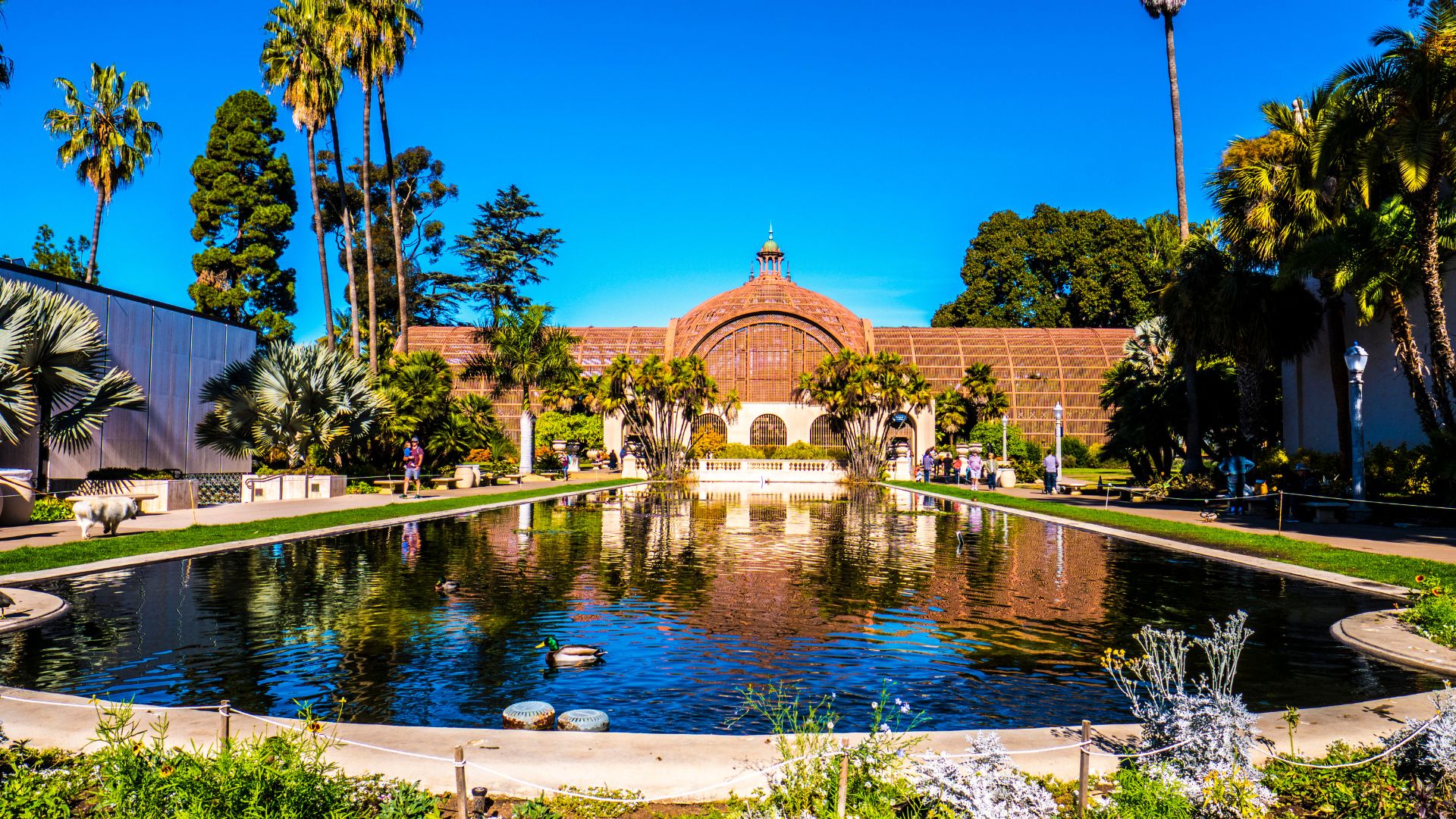
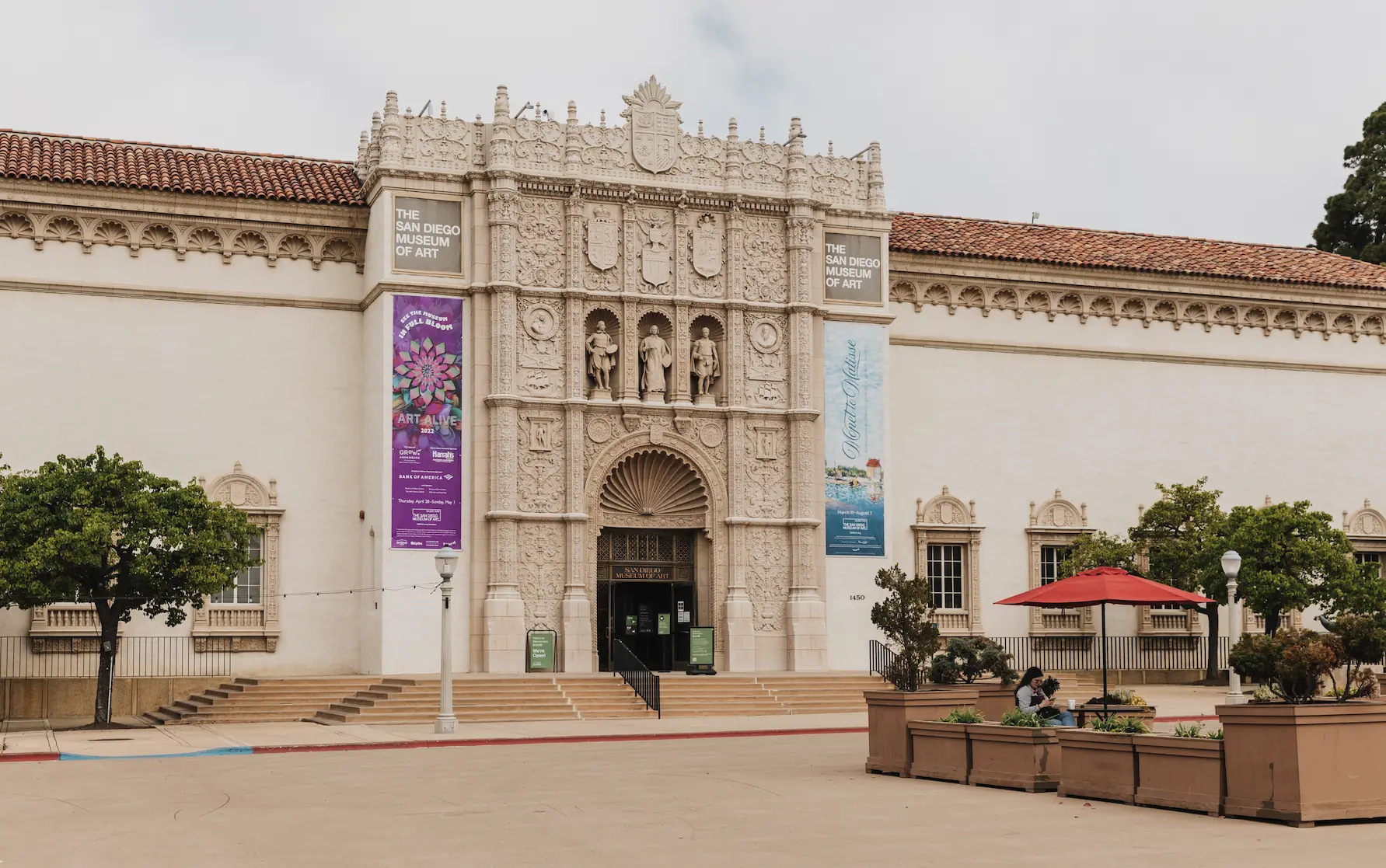
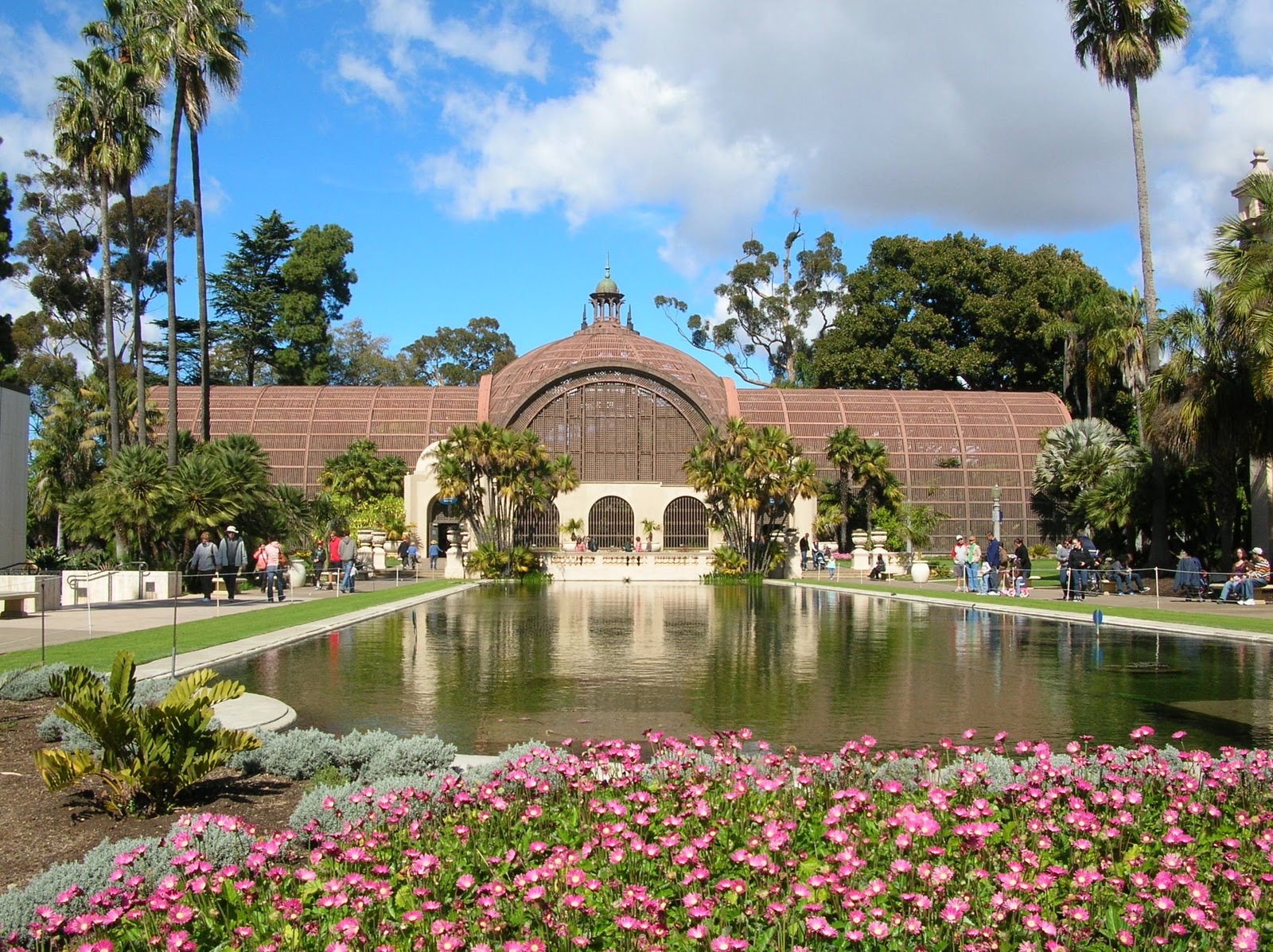
The park is anchored by iconic institutions such as the San Diego Museum of Art, the Museum of Us, and the Fleet Science Center. While some areas of the park—such as the botanical gardens and the outdoor architecture—are publicly accessible and free of charge, the primary indoor exhibits require paid admission or a specific membership status. Understanding this distinction is the first step in planning a successful visit.
Planning Your Visit: Prerequisites and Logistics
Effective navigation of the exhibits requires a degree of logistical preparation. As of 2026, most major museums have transitioned toward digital ticketing. Purchasing tickets online prior to your arrival reduces wait times and ensures entry during high-traffic periods, such as weekends or school holidays.
Verification of Operating Hours
Do not assume that all museums operate on the same schedule. Many institutions are closed on Mondays or Tuesdays for maintenance and installation shifts. Always consult the official website for the specific museum you intend to visit before finalizing your itinerary.
Transportation and Accessibility
Parking within the park is free but limited. During high-demand seasons, the parking lots near the central plaza fill up early in the morning. Consider utilizing the free tram service that circulates through the park, or arriving via public transit to bypass parking congestion entirely. Most exhibit halls are ADA compliant, but verify specific accessibility needs if you are traveling with equipment or visitors who require assistance.
Navigating Major Exhibit Categories
To make the most of your time, it is helpful to understand the distinct focus areas represented within the park’s geography. The following table summarizes the primary categories of exhibits found in the park.
| Institution Type | Primary Focus | Typical Exhibit Nature |
|---|---|---|
| Fine Arts | Painting, Sculpture, Photography | Permanent collections and rotating visiting galleries |
| Science & Tech | Physics, Biology, Aerospace | Interactive, hands-on, and STEM-focused displays |
| History | Anthropology, Regional History | Cultural heritage, artifacts, and societal evolution |
| Nature | Botany, Horticulture | Living collections and conservatory displays |
Strategic Approaches to Exhibit Viewing
When attempting to experience multiple museums in a single day, "museum fatigue" is a common challenge. To mitigate this, apply a strategic approach to your schedule.
- The "Anchor" Strategy: Identify one "must-see" temporary exhibition. These usually have high demand and benefit from being the first stop of the day when crowds are thinner.
- Geographic Clustering: Focus your visits on institutions located near each other. For example, the institutions surrounding the El Prado walkway allow for easy walking transitions, whereas moving between the outer edge museums may require a car or tram ride.
- Rest Periods: Integrate time in the outdoor public spaces, such as the Japanese Friendship Garden or the Rose Garden, between indoor visits. This transition between quiet, contemplative indoor spaces and active, open-air outdoor spaces helps sustain energy for longer durations.
Addressing Costs and Membership Benefits
For frequent visitors or families, the cost of individual museum tickets can accumulate rapidly. Most Balboa Park institutions offer reciprocal memberships or participate in the "Balboa Park Explorer Pass."
The Explorer Pass
This pass provides a unified, bundled entry to multiple participating institutions over a set period. Before purchasing, calculate the total cost of individual tickets for your chosen museums. If your itinerary involves three or more paid entries, the pass often provides a significant financial advantage. Always check the current 2026 terms of service, as some special exhibitions may require an additional "upcharge" even with a general pass.
Free Resident Tuesdays
Certain museums in the park offer free admission to San Diego City and County residents on a rotating Tuesday schedule. If you are a resident, this is a cost-effective way to see permanent collections, though these days are often significantly more crowded than standard operating days.
Common Mistakes and How to Avoid Them
The most common error visitors make is attempting to see "the whole park" in a single day. Balboa Park is massive, and individual exhibits often contain hundreds of pieces that require focused attention. Attempting to rush through four or five museums results in a superficial experience.
- Underestimating Walk Times: The distance between the Museum of Us and the San Diego Air & Space Museum is greater than it appears on a map. Budget at least 15–20 minutes for transit between these points.
- Ignoring Technical Requirements: Some interactive science exhibits require reservations for specific time slots even after you have entered the building. Check the front desk immediately upon arrival for any "timed-entry" sub-exhibits.
- Overlooking Digital Resources: Most museums provide mobile-friendly maps or audio guides that enhance the context of the exhibits. Download these before entering the museum to ensure you have content access if building Wi-Fi is unreliable.
Frequently Asked Questions
How long should I budget for an average exhibit visit? Most visitors spend between 90 minutes to two hours per museum. If you are interested in deep-reading placards or interactive displays, consider allocating three hours per institution.
Are there dining options within the museums? Yes, several museums have internal cafes, and there are various food kiosks throughout the park. However, these often have limited hours. Bringing water and a light snack is recommended, though most galleries strictly prohibit food and drink inside the exhibit spaces themselves.
Can I take photographs of the exhibits? Policies vary by institution and by specific exhibition. Some museums allow photography for personal use, while others prohibit it entirely to protect copyrights or sensitive artifacts. Always look for signage at the entrance of the gallery or ask a docent before taking photos.
Is there a best time of year to visit? Mid-week visits in the shoulder seasons (spring and autumn) generally offer the best balance of moderate crowds and pleasant weather. Summer months and holiday weekends see the highest density of visitors, often leading to longer wait times.
Are there special activities for children? The Fleet Science Center and the San Diego Natural History Museum are particularly geared toward interactive, family-friendly experiences. Many other museums offer "family days" with specific programming, so check the event calendars for your planned visit dates.
Recommendation for Next Action
To maximize your experience, define your primary interest—whether it is fine art, scientific discovery, or history—and visit the official website of the associated museum first. Verify their current 2026 exhibit calendar to confirm that your preferred gallery is not currently undergoing a changeover. Once confirmed, purchase your tickets online to ensure your entry, and plan to arrive at the park at least 30 minutes before your first scheduled museum opening to secure parking.
Image Gallery