David Thewlis as Remus Lupin: A Definitive Guide to the Harry Potter Portrayal
David Thewlis portrayed Remus Lupin, the beloved Defense Against the Dark Arts professor and werewolf, in the Harry Potter film franchise. Debuting in Harry Potter and the Prisoner of Azkaban (2004), Thewlis appeared in five films, con...
David Thewlis portrayed Remus Lupin, the beloved Defense Against the Dark Arts professor and werewolf, in the Harry Potter film franchise. Debuting in Harry Potter and the Prisoner of Azkaban (2004), Thewlis appeared in five films, concluding his tenure with the character’s tragic end in Harry Potter and the Deathly Hallows – Part 2 (2011).
Contents
The Casting and Origins of David Thewlis as Lupin
The journey of David Thewlis into the Wizarding World is a classic tale of right-place, right-time casting, though it nearly happened much sooner. Before being cast as Remus Lupin, Thewlis actually auditioned for the role of Professor Quirrell in Harry Potter and the Sorcerer’s Stone. While that role ultimately went to Ian Hart, the casting directors and director Alfonso Cuarón kept Thewlis in mind for future installments.
When the production shifted gears for the third film, The Prisoner of Azkaban, the tone of the series matured. Cuarón sought an actor who could embody a sense of "shabby intellect"—someone who looked as though life had weathered them, yet who retained a deep well of kindness and wisdom. Thewlis, known for his gritty and nuanced performance in Mike Leigh’s Naked, was Cuarón's first and only choice for Lupin.
Thewlis initially approached the role with some trepidation, as he was not an avid reader of the fantasy genre at the time. However, upon seeing the depth of the character—a man living on the fringes of society due to a condition he could not control—he recognized the dramatic potential. His portrayal would go on to become one of the most respected performances in the entire eight-film saga.
Character Analysis: The Complexity of Remus Lupin
Remus Lupin is often cited by fans and literary critics as one of the most tragic figures in the Harry Potter series. As a member of the Marauders (alongside James Potter, Sirius Black, and Peter Pettigrew), his life was defined by the camaraderie of his youth and the subsequent isolation of his adulthood.
The Stigma of Lycanthropy
David Thewlis’s performance is anchored by the internal conflict of his lycanthropy. In the Wizarding World, being a werewolf is more than just a physical ailment; it is a social death sentence. J.K. Rowling has famously noted that Lupin’s condition was a metaphor for illnesses that carry significant social stigma, such as HIV/AIDS.
Thewlis captured this by playing Lupin as a man who is constantly apologizing for his existence. He wears oversized, threadbare tweeds and moves with a slight exhaustion. This "tired" aesthetic was a deliberate choice by the costume and makeup departments to reflect the physical toll that monthly transformations take on the body.
The Mentor and the Father Figure
For Harry Potter, Lupin serves as the first adult mentor who treats him with a combination of honesty and parental warmth. Unlike Dumbledore, who often keeps Harry at a distance, or Sirius Black, who sometimes struggles to see Harry as separate from James, Lupin provides practical emotional support. Thewlis’s delivery in the "Expecto Patronum" lessons is a masterclass in gentle authority, establishing a bond that makes his eventual death in the Battle of Hogwarts devastating for the audience.
Key Film Appearances and Narrative Arc
David Thewlis’s portrayal spans five of the eight films. Each appearance marks a different phase of Lupin’s life, moving from a wandering teacher to a resistance fighter and, eventually, a husband and father.
| Film Title | Year | Key Role/Plot Point |
|---|---|---|
| Prisoner of Azkaban | 2004 | Introduced as the DADA Professor; teaches Harry the Patronus Charm; transformation in the Shrieking Shack. |
| Order of the Phoenix | 2007 | Returns as a member of the Order; defends the Department of Mysteries; consoles Harry after Sirius's death. |
| Half-Blood Prince | 2009 | Guards the Burrow; participates in the Battle of the Astronomy Tower; relationship with Tonks is established. |
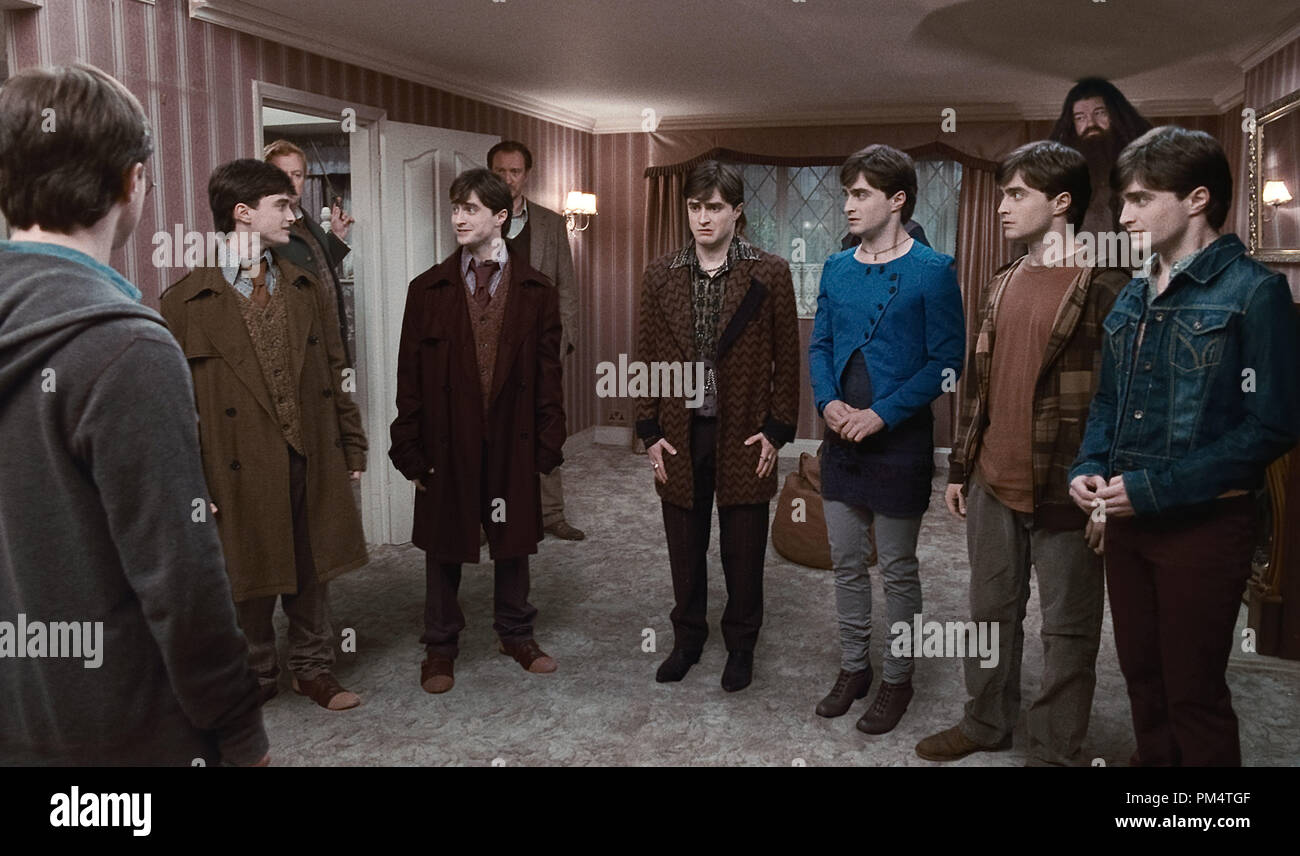
| Deathly Hallows – Part 1 | 2010 | Protects Harry during the flight from Privet Drive; tests Harry's identity at the Burrow. |
| Deathly Hallows – Part 2 | 2011 | Fights in the Battle of Hogwarts; dies alongside Nymphadora Tonks; appears as a "resurrection" ghost. |
The Evolution of the Performance
In The Prisoner of Azkaban, Thewlis is the central focus of the adult cast. By the time we reach The Deathly Hallows, his role is more peripheral but no less vital. He represents the "old guard" of the Order of the Phoenix. One of the most poignant aspects of the later films is the subtle development of his relationship with Nymphadora Tonks (played by Natalia Tena). While much of their romance was cut from the theatrical versions of the films to save time, Thewlis manages to convey a sense of protective anxiety that suggests a man who fears he is not worthy of love because of his "monster" status.
Technical Execution: The Werewolf Transformation
One of the most discussed aspects of David Thewlis's role was the technical execution of his transformation scenes. Director Alfonso Cuarón wanted to move away from the traditional "hairy" werewolf seen in classic horror cinema. Instead, he envisioned a creature that looked sickly, hairless, and distorted—a literal "painful" transformation.
Thewlis spent hours in the makeup chair for the various stages of the transformation. While much of the final werewolf form in The Prisoner of Azkaban was CGI, the physical acting leading up to the change was all Thewlis. He researched the movement of wolves and the mechanics of bone-breaking to ensure that the audience felt the agony of the character's curse. This commitment to the physical reality of the role helped ground the fantasy elements in a visceral, human tragedy.
Behind the Scenes: Thewlis's Experience on Set
Working on a franchise as large as Harry Potter can be a daunting experience for any actor, but David Thewlis was often praised by his younger co-stars for his professionalism and humor. Daniel Radcliffe has frequently mentioned in interviews that Thewlis was one of the actors he learned from the most, particularly regarding how to maintain focus during long production days.
Thewlis also shared a unique chemistry with Gary Oldman (Sirius Black). As two of the most respected British actors of their generation, their scenes in the Shrieking Shack are often cited as the highlights of the third film. They portrayed a shorthand of friendship that felt authentic, suggesting years of shared history without needing extensive dialogue.
Interestingly, Thewlis has remarked in retrospective interviews (looking back from our current 2026 perspective) that he was surprised by the lasting impact of the role. Despite having a prolific career with roles in Fargo, Wonder Woman, and The Sandman, he is still most frequently recognized in public as "Professor Lupin."
The Impact of Remus Lupin on the Franchise Legacy
Remus Lupin remains a fan-favorite character because he represents the "outsider" in all of us. David Thewlis’s nuanced performance ensured that Lupin was never just a "monster" or a "teacher," but a fully realized human being struggling with self-loathing and a desire for connection.
His death in The Deathly Hallows served as one of the most significant emotional beats of the finale, signifying the high cost of the war against Voldemort. By dying alongside Tonks, Lupin’s story came full circle—he died fighting for a world where his son, Teddy, would not have to face the same prejudices he did.
Frequently Asked Questions
Why was David Thewlis chosen for the role of Remus Lupin?
Director Alfonso Cuarón specifically wanted David Thewlis because of his ability to portray a "wounded" intellectual. Cuarón felt Thewlis had the right mix of gentleness and hidden darkness required for a character who is both a kind teacher and a dangerous werewolf.
Did David Thewlis do his own stunts for the transformation scenes?
While the final werewolf form was created using CGI and motion capture techniques, Thewlis performed the physical movements and the grueling "pre-transformation" sequences himself. He worked with movement coaches to simulate the physical distress of the transformation.
How does David Thewlis's Lupin differ from the book version?
The film version of Lupin is largely faithful to the books, though some of his backstory regarding the Marauders and his internal struggle with his marriage to Tonks was streamlined for the screen. Thewlis’s physical appearance—specifically the scars and the "mustache"—was a creative choice by the film’s makeup department to visualize his rough life.
What happened to Remus Lupin at the end of the series?
Remus Lupin was killed during the Battle of Hogwarts by the Death Eater Antonin Dolohov. His wife, Nymphadora Tonks, was also killed in the battle. In the final moments of the film, Lupin appears to Harry through the Resurrection Stone, reassuring him that his son will know what his parents died for.
Is David Thewlis in the new Harry Potter projects?
As of 2026, David Thewlis’s involvement is limited to the original eight-film series. While the franchise continues to expand through various media and potential reboots, Thewlis’s portrayal remains the definitive cinematic version of the character for the original era.
Summary of Next Actions for Fans
For those looking to dive deeper into David Thewlis's performance, the following steps are recommended:
- Watch the "Shrieking Shack" Sequence: Study the interaction between Thewlis, Oldman, and Rickman in The Prisoner of Azkaban for a masterclass in ensemble acting.
- Explore the Extended Scenes: Many of the character-building moments between Lupin and Tonks are available in the deleted scenes of the Half-Blood Prince and Deathly Hallows Blu-ray releases.
- Read the Metaphorical Context: Research J.K. Rowling’s essays on Pottermore regarding the social commentary behind lycanthropy to better appreciate the layers Thewlis brought to the role.
Image Gallery